+86-18018686956
 Language
  русский
 Español
 عربى
عربى Tiếng Việt

The Technical Edge of Fluorescence in Warning Applications
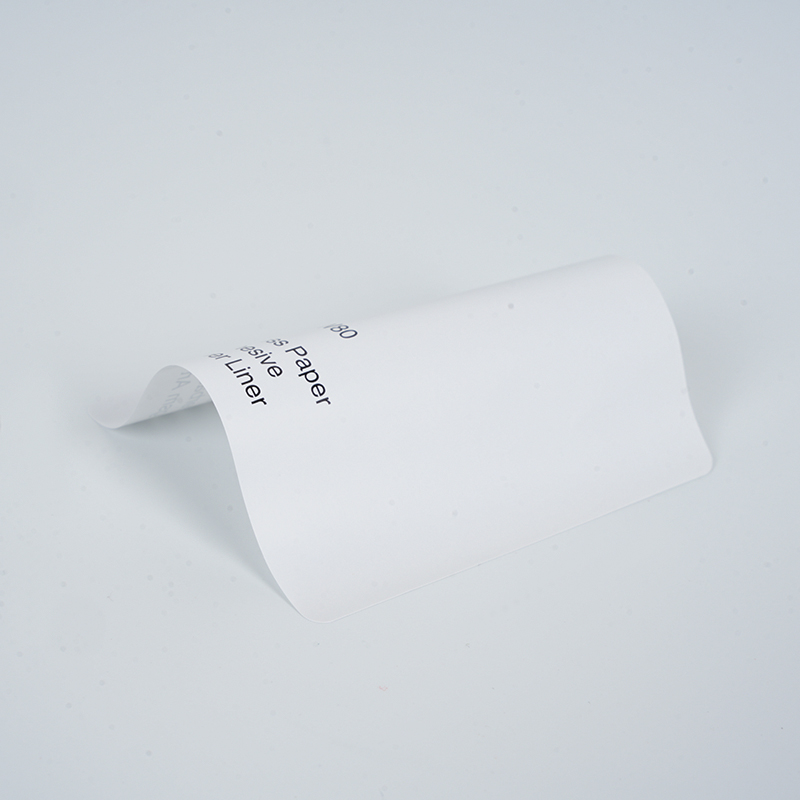
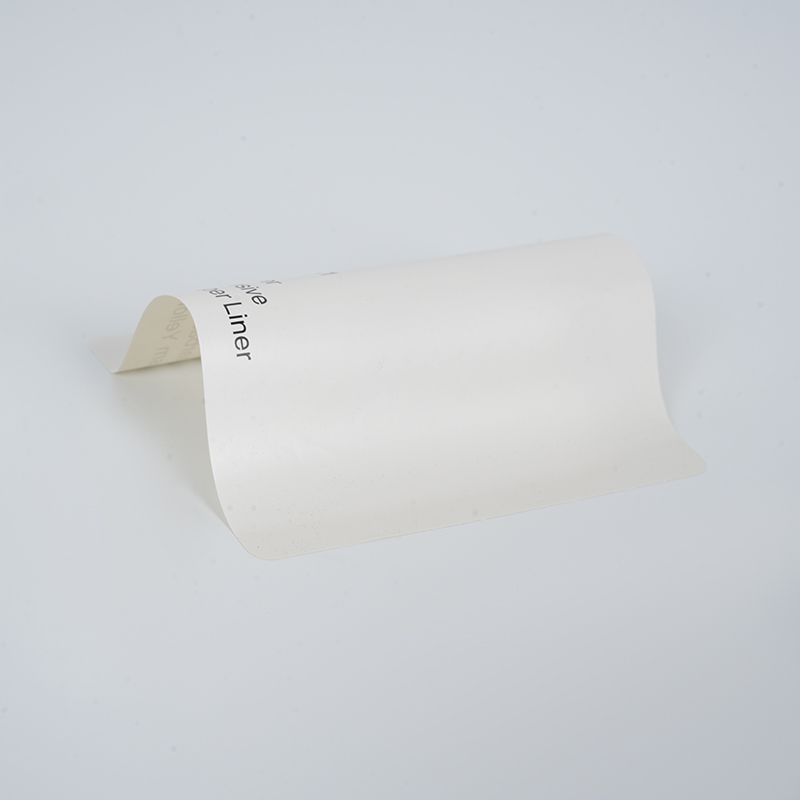
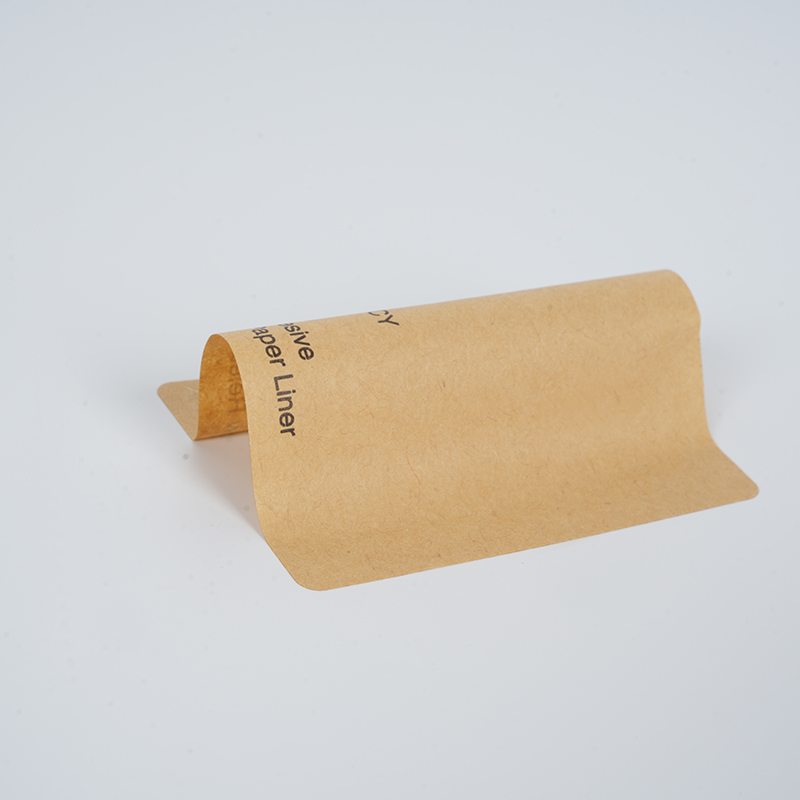
In industrial safety, logistics, and public signage, the visibility of a warning label directly influences response time and accident prevention. Self-adhesive fluorescent paper has emerged as a superior substrate for warning labels because it combines high-visibility color properties with the practical convenience of pressure-sensitive application. Unlike standard paper or film labels, fluorescent variants offer a unique combination of daylight-visible brightness and adhesive reliability that addresses specific failure points in traditional labeling systems.
The engineering behind these materials involves specialized fluorescent dyes that absorb ultraviolet light and re-emit it in the visible spectrum, creating an intensity that ordinary pigments cannot achieve. When this property is paired with a carefully formulated self-adhesive paper materials construction, the result is a warning medium that remains conspicuous under variable lighting conditions—from bright sunlight to overcast skies or artificial indoor lighting.
Material Science: Why Fluorescent Paper Works
The performance of warning labels depends on three interdependent factors: optical brightness, adhesive integrity, and environmental resistance. paper-based label materials with fluorescent coatings excel in all three areas when engineered with specific parameters.
- Fluorescent dye loading: Optimal concentration (typically 3-5% by weight) maximizes brightness without compromising coating adhesion or flexibility.
- Substrate smoothness: A calendered base sheet with a Parker Print-Surf roughness below 3.0 µm ensures uniform dye distribution and consistent color intensity.
- Opacity: Minimum 92% opacity prevents show-through from underlying surfaces, which is critical when labels are applied to dark or reflective substrates.
Comparative Performance Indicators
| Property | Fluorescent Paper | Standard Offset Paper |
|---|---|---|
| Brightness (ISO 2470) | 110-120% | 85-95% |
| UV stability (hrs to 20% loss) | 500-800 (with stabilizers) | N/A |
| Initial Tack (Loop tack, N/in) | 4.2 – 5.0 | 3.5 – 4.0 |
* Data based on standard test methods for self adhesive paper grades.
Adhesive Engineering for Reliable Warning Labels
The phrase "self adhesive paper" encompasses a range of pressure-sensitive adhesive (PSA) systems. For warning labels, the adhesive must perform across temperature extremes, humidity variations, and surface energy differences. Acrylic-based PSAs are the most common choice due to their balanced tack, shear resistance, and UV stability.
Key Adhesive Parameters
- Peel adhesion (90°): 6-8 N/25 mm on stainless steel ensures secure bonding to industrial equipment.
- Shear holding power: > 24 hours at 40°C with a 1 kg load prevents creeping on vertical surfaces.
- Low-temperature application: Effective down to -5°C, allowing winter use in unheated warehouses.
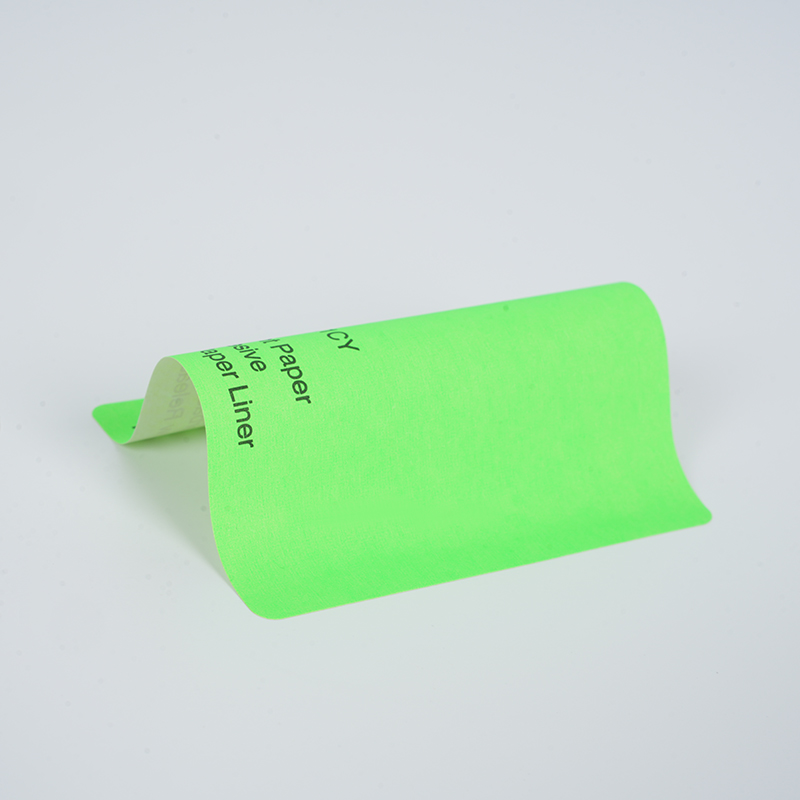
Manufacturers often use a permanent acrylic emulsion for warning labels that require long-term durability, while removable or repositionable adhesives are specified for temporary signage. The choice directly impacts the label's resistance to edge lifting and adhesive transfer—two common failure modes.
Durability: Resistance to Weather, Chemicals, and Abrasion
Warning labels are often exposed to harsh conditions: rain, oil, solvents, and mechanical abrasion. Fluorescent self-adhesive label materials can be top-coated with a protective varnish or laminated with a clear film to enhance resistance. Standard test protocols include:
- Water resistance: Immersion test (24 hrs) with less than 5% loss in adhesive strength.
- Solvent resistance: Withstands brief exposure to isopropyl alcohol, mineral spirits, and mild acids.
- Abrasion resistance: Taber abrasion (CS-10 wheel, 500 cycles) maintains legibility of printed warning symbols.
Indoor use
> 5 years typical life
Outdoor use (with overlaminate)
2-3 years depending on UV exposure
Application Best Practices for Maximum Performance
Even the best self adhesive label paper will fail if applied improperly. Critical factors include:
- Surface cleaning: Remove oils, dust, and moisture using isopropyl alcohol (70% solution) and lint-free wipes.
- Application temperature: Ideal range is 18-25°C; below 10°C, use a heated roller or allow label to warm before application.
- Pressure profile: Apply uniform pressure using a roller or squeegee, ensuring 100% wet-out of the adhesive to the substrate.
- Dwell time: Allow 24 hours for the adhesive to reach maximum bond strength before exposing the label to aggressive conditions.
Cost-Benefit: Fluorescent vs. Standard Warning Labels
While fluorescent self adhesive sticker paper typically costs 20-30% more than standard paper labels, the total cost of ownership often favors the fluorescent option due to:
- Reduced accident rates: Improved visibility leads to faster hazard recognition, potentially lowering workplace injury costs.
- Longer service life: Better UV resistance and adhesive durability reduce relabeling frequency.
- Regulatory compliance: Meets ANSI and ISO standards for safety signage, avoiding non-compliance penalties.
Return on investment: A facility with 500 warning labels replaced annually can save approximately 120 labor hours per year by switching to longer-lasting fluorescent materials.
Frequently Asked Questions
Q1: What makes fluorescent paper more visible than standard colored paper?
Fluorescent paper contains dyes that convert UV light into visible wavelengths, producing an apparent glow. Standard pigments only reflect light, so fluorescent materials appear up to 30% brighter under daylight and indoor lighting, significantly improving detection distance.
Q2: Can fluorescent paper be used with thermal transfer or direct thermal printing?
Yes, many self-adhesive label stock variants are coated to accept thermal transfer ribbons and direct thermal printheads. However, direct thermal printing on fluorescent paper may reduce color brightness over time due to heat-induced dye degradation.
Q3: How long do fluorescent warning labels last outdoors?
Without an overlaminate, outdoor lifespan is typically 6-12 months before noticeable fading occurs. With a UV-blocking overlaminate, this can extend to 2-3 years, depending on geographic UV index and orientation.
Q4: Are there any environmental considerations for fluorescent paper disposal?
Fluorescent dyes are generally non-toxic and comply with RoHS and REACH regulations. The paper substrate is recyclable in most paper streams, though the adhesive layer may require separation during the recycling process.