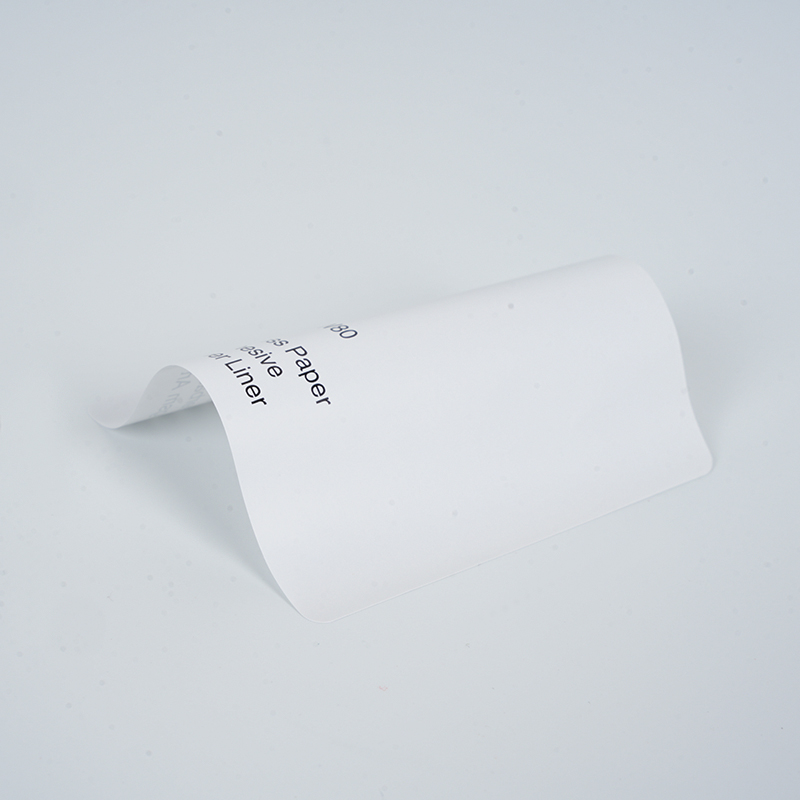
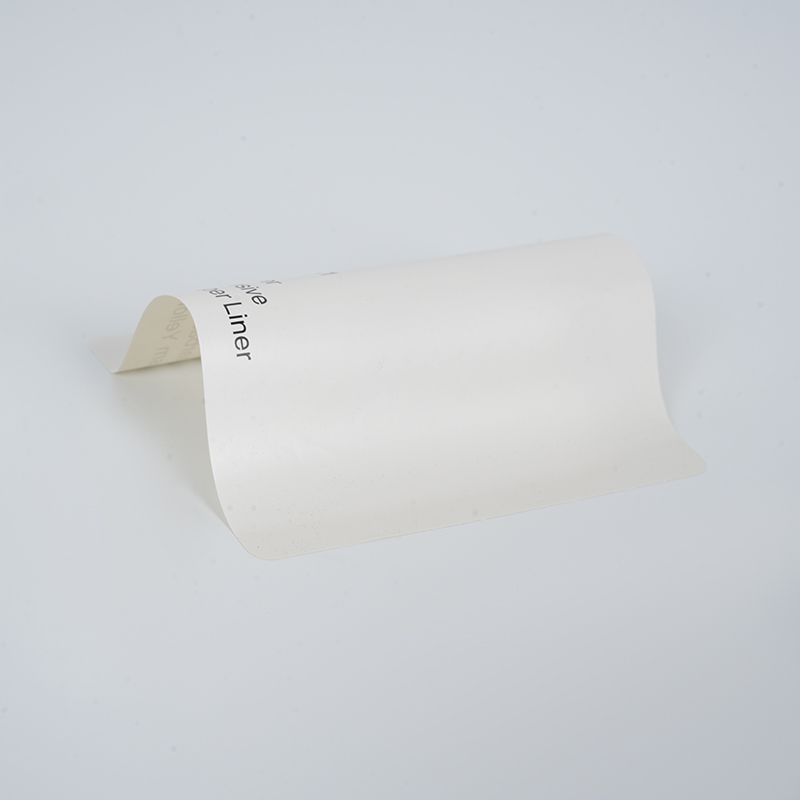
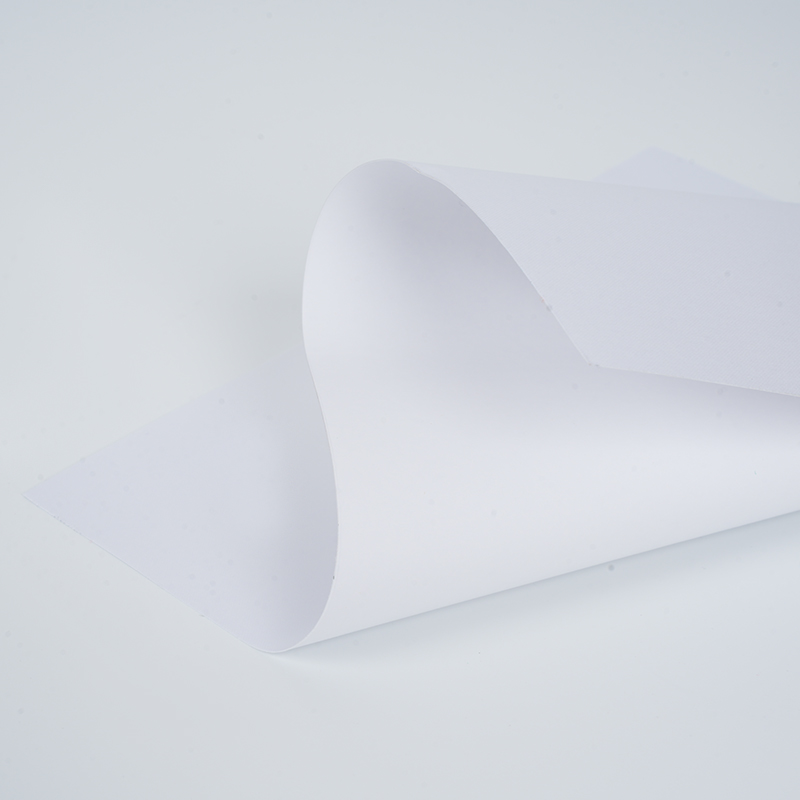
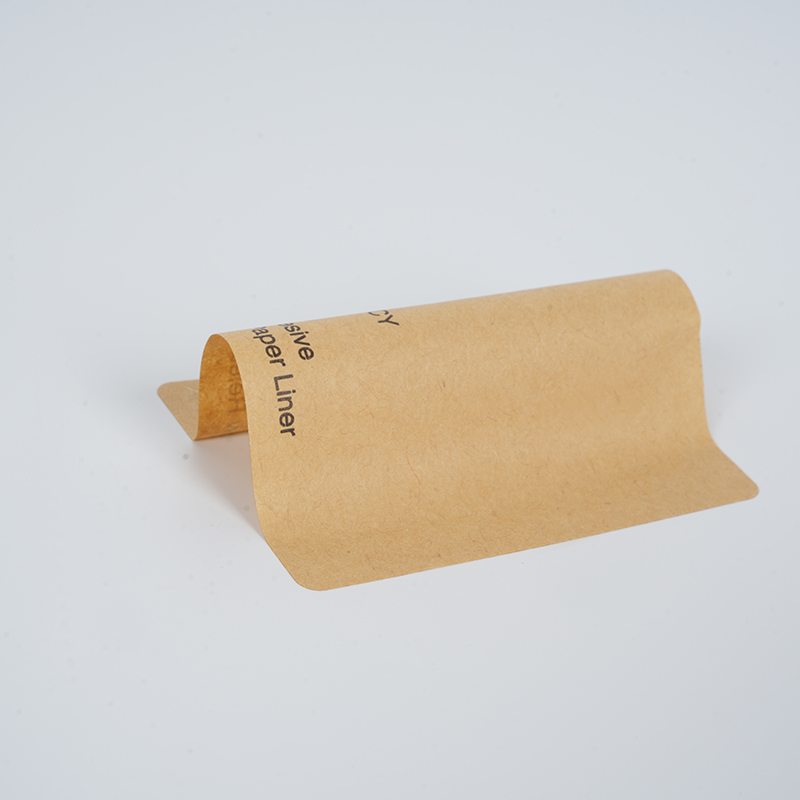
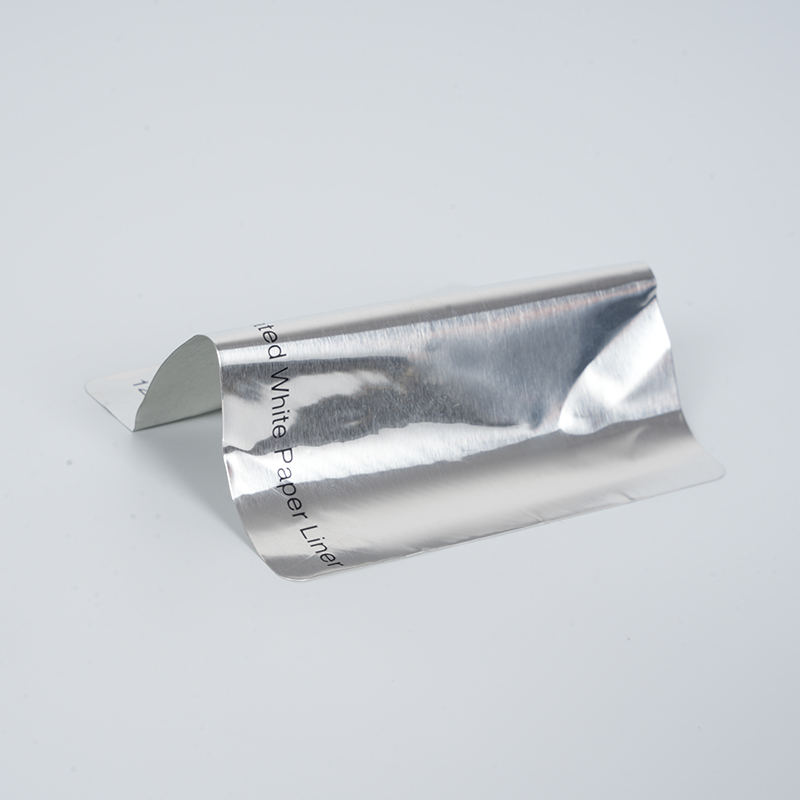
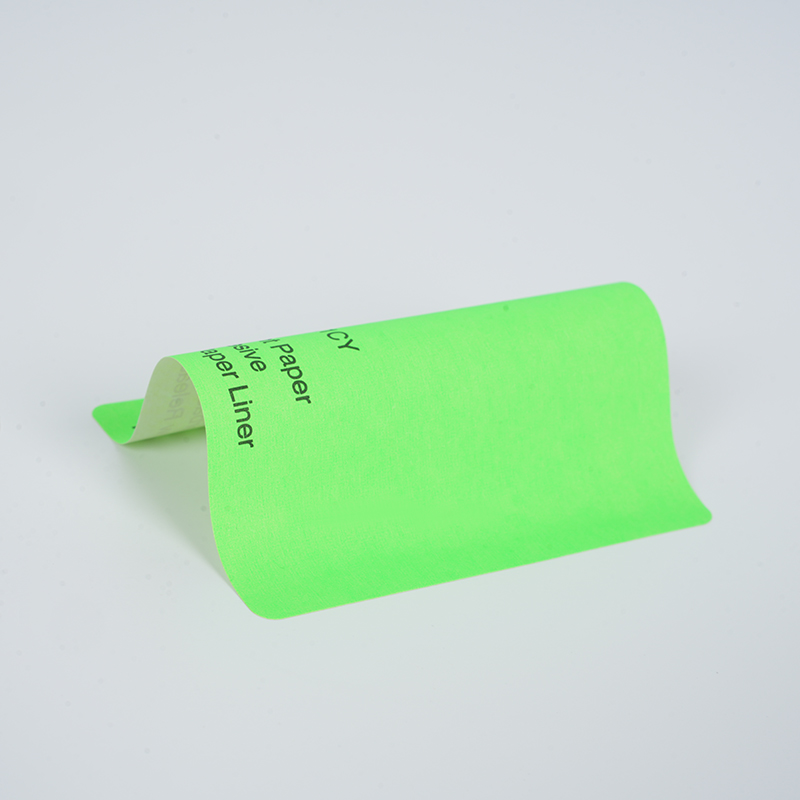
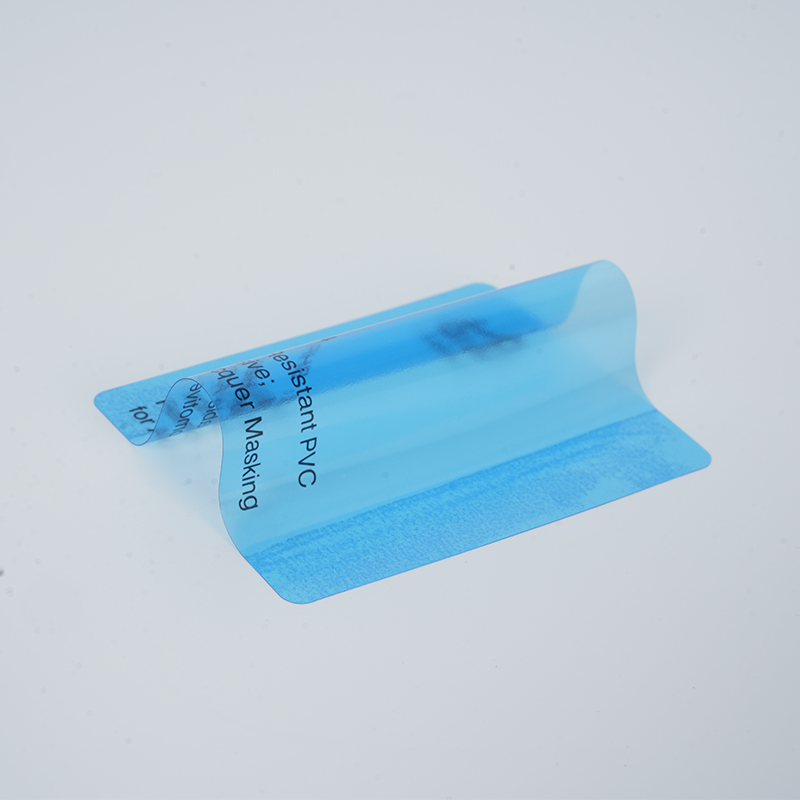
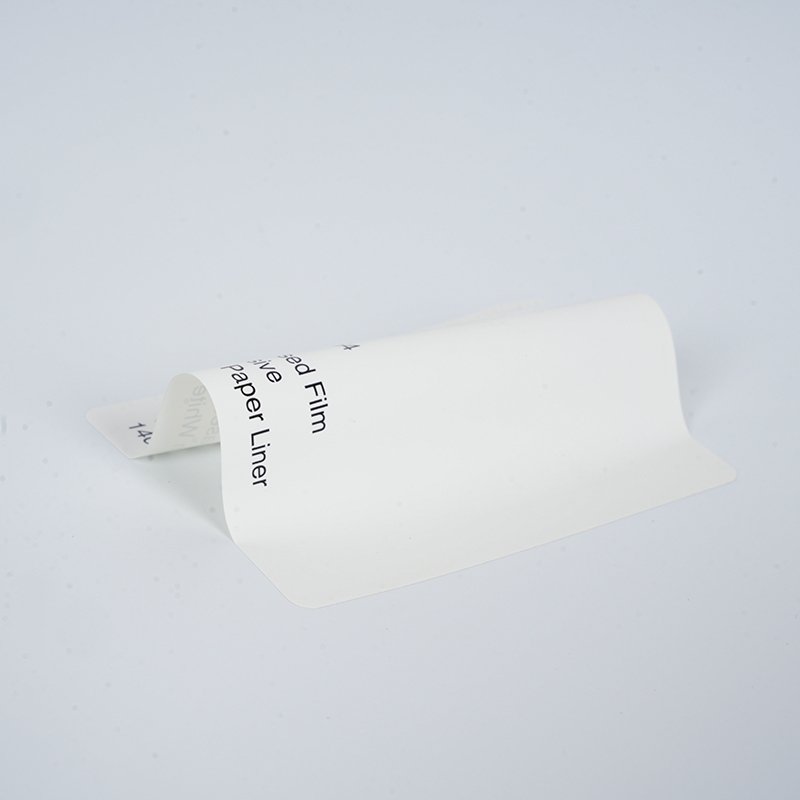
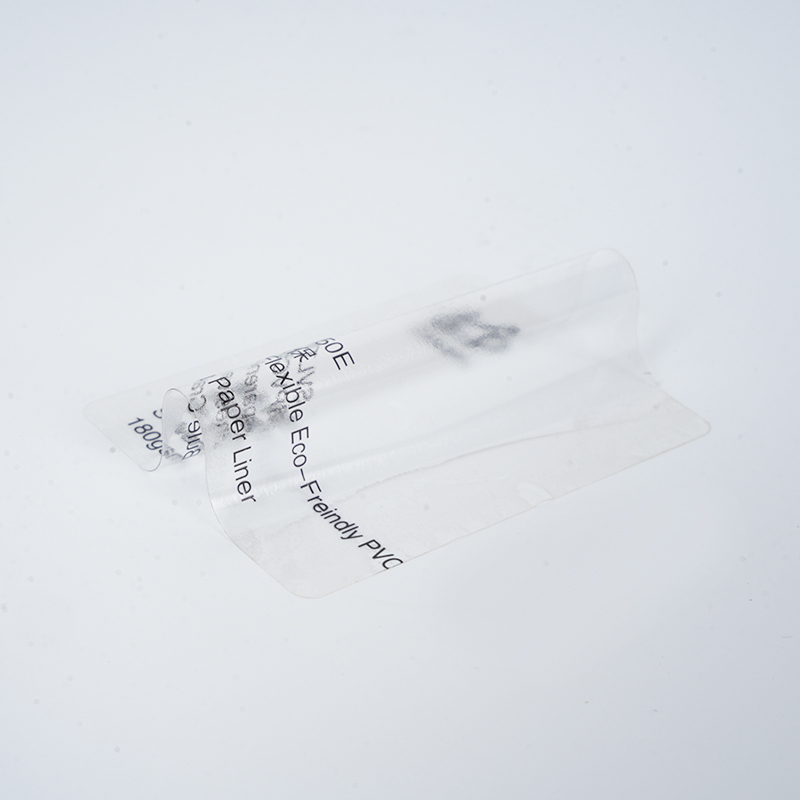
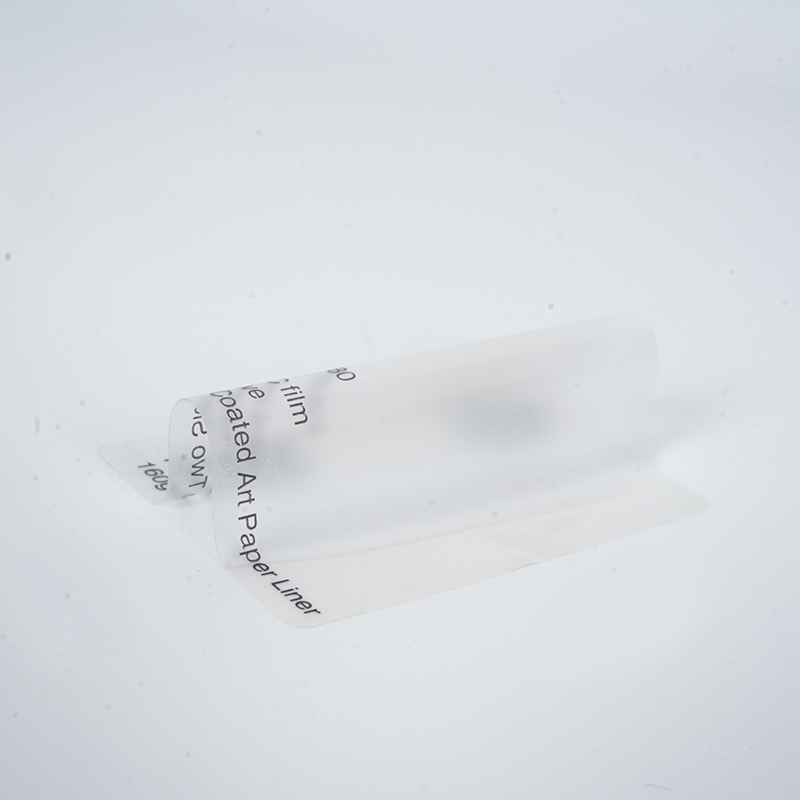
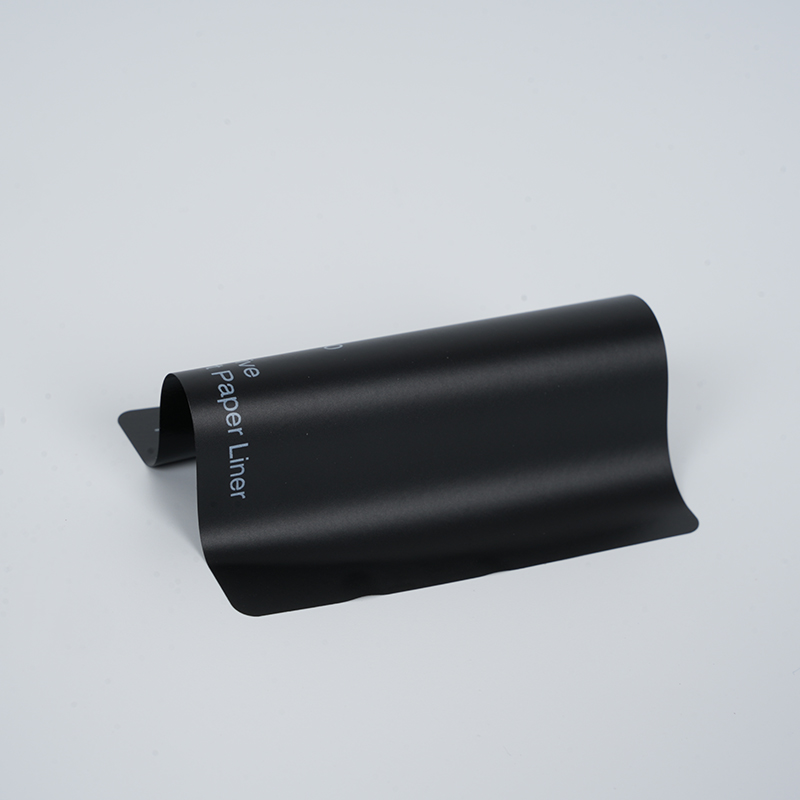
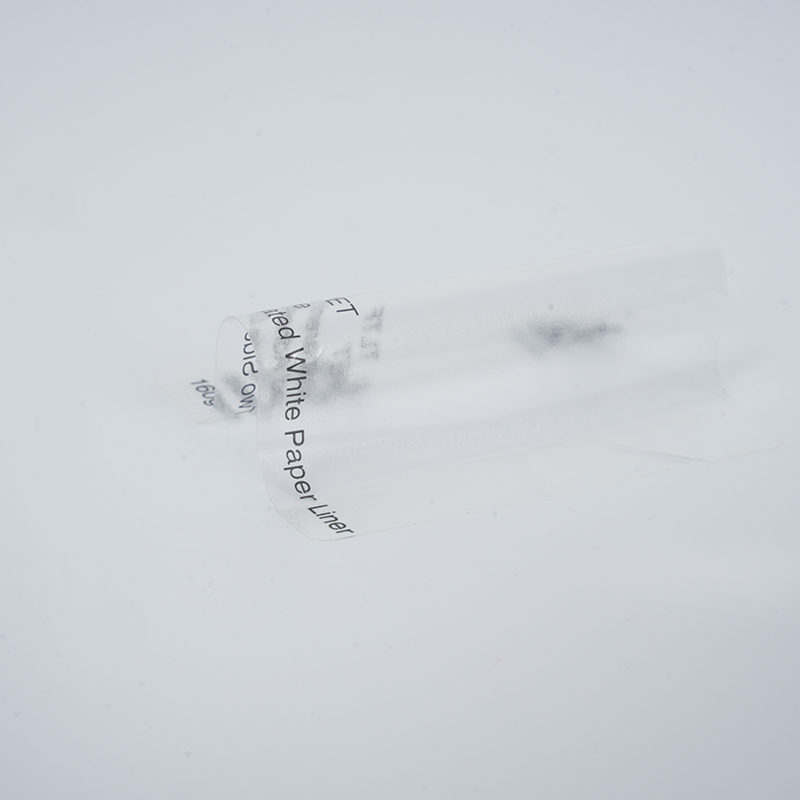
Self-adhesive paper materials are pressure-sensitive label substrates consisting of three essential layers: a paper facestock, a pressure-sensitive adhesive layer, and a protective release liner. These materials enable instant bonding to surfaces without additional glue — simply peel the liner and apply pressure. A premium
self-adhesive paper material delivers excellent printability, reliable adhesion, and cost-effective performance for product labels, packaging identification, retail applications, logistics labeling, and office use. The versatility of paper-based self-adhesive materials makes them the most widely used label substrate in the global labeling industry.
How Self-Adhesive Paper Materials Work
Self-adhesive paper materials operate on the principle of pressure-sensitive adhesion. The adhesive layer — typically acrylic, rubber-based, or hot-melt — remains permanently tacky from the time of manufacture. The release liner, usually glassine or kraft paper with a silicone coating, protects the adhesive until application. When the liner is removed and the label is pressed onto a surface, the adhesive flows into the microscopic irregularities of the substrate, creating a mechanical bond. A self-adhesive paper material with the right adhesive formulation achieves initial tack within seconds of application, with full bond strength developing over 24–72 hours. The adhesion performance depends on the surface energy of the substrate — paper labels bond effectively to most surfaces including cardboard, glass, plastics, and metals. The paper facestock provides the printable surface, available in coated, uncoated, thermal, and specialty grades to suit different printing technologies and application requirements.
1 Peel release liner
2 Position label on surface
3 Apply pressure to activate adhesive
4 Adhesive bonds to substrate
Key Benefits for Labeling and Packaging Applications
Packaging companies, printing manufacturers, and logistics providers who use self-adhesive paper materials realize significant advantages in production efficiency, product quality, and cost-effectiveness. These materials are the backbone of the global labeling industry.
Excellent Printability
Compatible with offset, flexographic, digital, and thermal printing — delivering high-resolution graphics, sharp text, and vibrant colours for professional label applications.
Instant Application
Peel-and-stick design eliminates the need for additional glue, water, or heat — enabling fast, efficient labeling in manual and automated production lines.
Cost-Effective Solution
Paper-based materials offer lower production costs compared to synthetic films — making them ideal for high-volume labeling applications where cost efficiency is essential.
Versatile Customization
Available in various finishes — gloss, matte, kraft, thermal — with permanent or removable adhesive options to suit different application requirements.
Types of Self-Adhesive Paper Materials
Self-adhesive paper materials are available in various configurations to suit different printing technologies, application environments, and performance requirements.
| Type |
Surface Finish |
Best Applications |
Key Features |
| Coated Paper |
Smooth, glossy or matte |
Product labels, retail packaging |
High print quality, excellent colour |
| Thermal Paper |
Heat-sensitive coating |
Shipping labels, barcodes, receipts |
Inkless printing, fast production |
| Kraft Paper |
Natural brown |
Eco-friendly packaging, craft labels |
Recyclable, natural appearance |
| Glossy |
High-gloss coated |
Cosmetics, premium products |
Vibrant colours, eye-catching |
| Matte |
Non-reflective |
Product information, office labels |
Readable, premium feel |
Select the right type based on your application requirements. Coated paper for high-quality product labels; thermal paper for logistics and barcode applications; kraft paper for eco-friendly branding; gloss for premium visual impact; and matte for readability and a premium finish.
Adhesive Types and Their Applications
The adhesive layer determines the label's bonding performance, removal characteristics, and application suitability. Choosing the right adhesive is critical for label performance.
Permanent Adhesive
High bond strength for long-term applications. Suitable for product labels, packaging identification, and industrial labeling where labels must remain in place.
Removable Adhesive
Designed for temporary applications with clean removal. Used for price tags, promotional labels, and applications requiring repositioning or removal without residue.
Hot Melt Adhesive
Strong initial tack and good adhesion to difficult surfaces. Suitable for automated labeling lines and applications requiring fast bonding.
Water-Based Acrylic
Good adhesion with low odour and environmental benefits. Suitable for food packaging and applications requiring low VOC emissions.
Manufacturing Process and Quality Standards
Self-adhesive paper materials are manufactured through a precision process that ensures consistent quality, adhesive performance, and printability. The production process involves paper substrate preparation, coating, adhesive application, lamination with release liner, and quality inspection.
Paper Production
- Pulp preparation and paper forming
- Coating for smoothness and printability
- Calendering for uniform thickness
Adhesive Coating
- Precision adhesive application (15–25 g/m²)
- Drying and curing
- Lamination with silicone-coated release liner
Converting
- Slitting to required widths
- Roll packaging and labelling
- Adhesion and print testing
Performance Specifications
Understanding the technical specifications of self-adhesive paper materials helps label converters and end-users select the right material for their applications.
Ideal Applications Across Industries
Self-adhesive paper materials deliver optimal results across diverse labeling applications where print quality, adhesion reliability, and cost-efficiency are essential.
- Product packaging: Food and beverage labels, consumer goods identification, and retail product labels requiring attractive appearance and reliable adhesion.
- Logistics and shipping: Shipping labels, barcode labels, and warehouse identification for fast, accurate package tracking and inventory management.
- Retail: Price tags, promotional stickers, and product information labels requiring easy application and removal.
- Office and commercial: File labels, address labels, and organizational stickers for workplace efficiency and identification.
- Industrial: Equipment marking, inventory tracking, and manufacturing identification labels requiring durable print and reliable adhesion.
Storage and Application Best Practices
Proper storage of self-adhesive paper materials preserves adhesive performance and print quality. Store materials in a cool, dry environment (15–25°C, 40–60% RH) away from direct sunlight and heat sources. For best results, use materials within 12–18 months of manufacture. Before application, ensure the target surface is clean, dry, and free from dust, oil, and contaminants — proper surface preparation is essential for optimal adhesion. Apply the label with firm, even pressure to ensure full adhesive contact. For best results, allow 24–72 hours for the adhesive to achieve maximum bond strength, particularly with permanent adhesives.
What is the difference between coated and uncoated self-adhesive paper?
Coated paper has a smooth, clay-based surface layer that improves ink holdout and print quality — delivering sharper images, better colour reproduction, and reduced ink absorption. Uncoated paper has a more absorbent surface, suitable for direct thermal printing and applications where cost is a priority.
What is the shelf life of self-adhesive paper materials?
Under proper storage conditions (15–25°C, 40–60% RH), self-adhesive paper materials typically have a shelf life of 12–24 months. The release liner and adhesive can degrade over time, affecting peel and tack performance. Use materials within the manufacturer's recommended timeframe.
Are self-adhesive paper materials recyclable?
Paper-based self-adhesive materials are recyclable, but the adhesive and release liner may affect the recycling process. Some manufacturers offer recycling-compatible adhesives and liners. For sustainable applications, choose materials with recycling-friendly formulations and verify local recycling capabilities.
What surfaces can self-adhesive paper labels be applied to?
Self-adhesive paper labels bond effectively to most clean, dry surfaces including cardboard, paper, glass, metal, and many plastics. Adhesion performance depends on the surface energy — high-energy surfaces like glass and metal provide excellent bonding; low-energy surfaces like polyethylene may require special adhesives.
 +86-18018686956
 Language
  русский
 Español
 عربى
عربى Tiếng Việt