+86-18018686956
 [email protected]
 Language
 русский
 Español
 عربى
عربى Tiếng Việt

Inquiry
+86-18018686956
[email protected]
Language
Every roll of self-adhesive paper materials is a sandwich of three functional layers. The face stock carries the print. The adhesive bonds it to the substrate. The release liner protects the adhesive until application. Change any one layer and you change the price, the runnability, and the failure mode.
Most sourcing problems trace back to one of two mistakes. A buyer chases the lowest face stock price and ends up with labels that curl or fall off within days. Or a buyer accepts a generic adhesive and later discovers residue on every returned product. Both failures cost more than the material itself.
The sections below break down each layer as a procurement decision, not a chemistry lesson. The goal is to help you match a specification to an application before you place a bulk order.
Face stock determines how the label looks, how it prints, and how long it survives. It usually accounts for the largest share of material cost. Four families cover most orders.
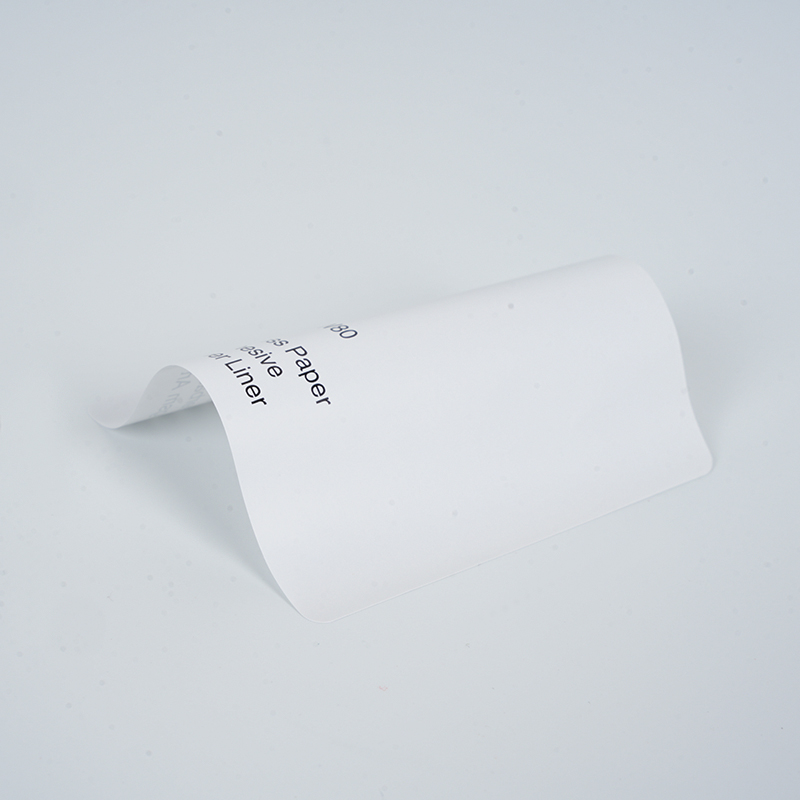
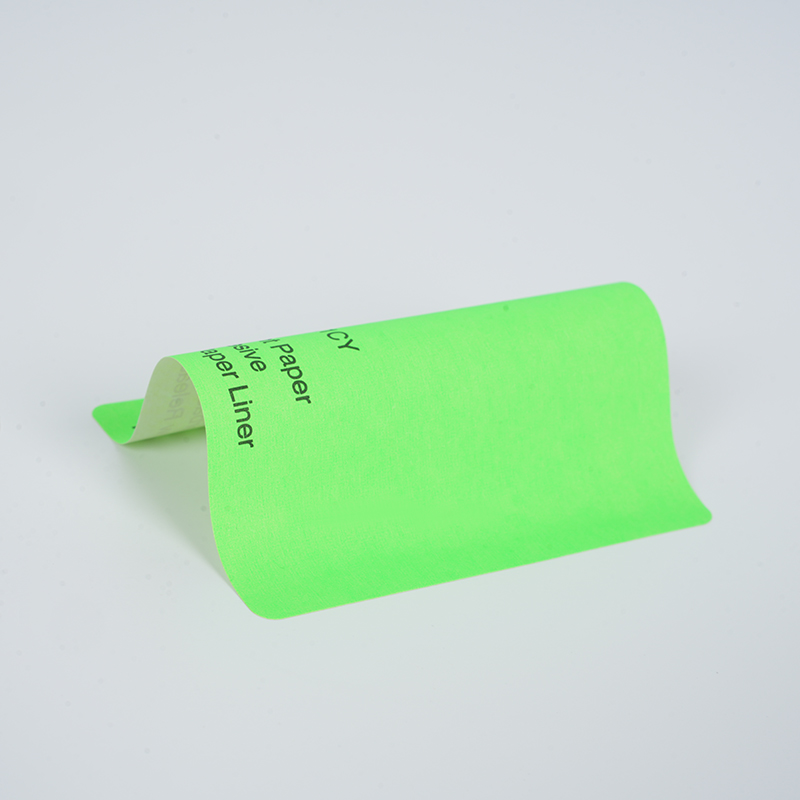
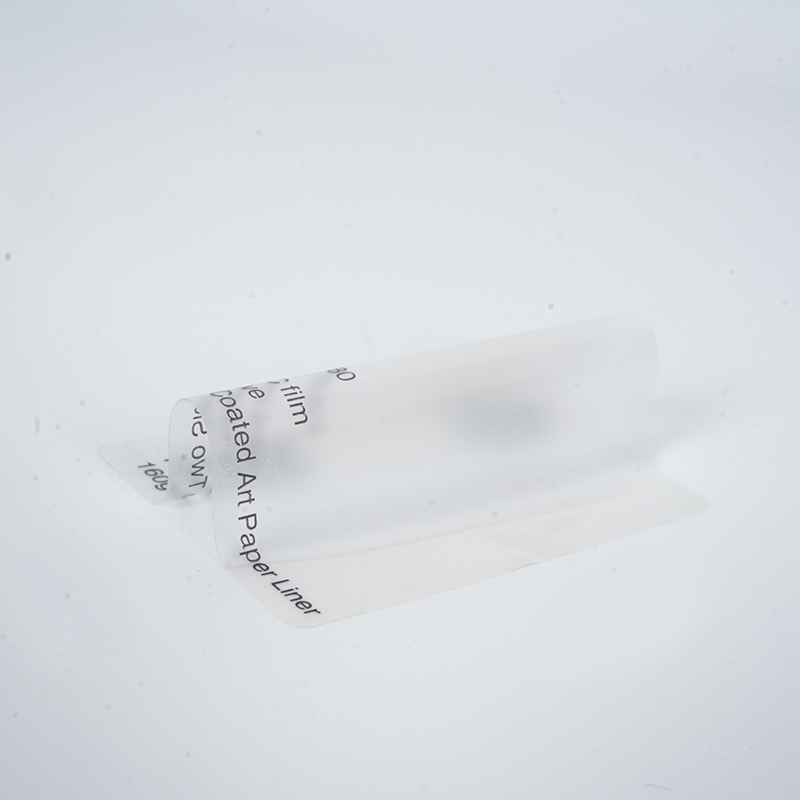
Coated paper is the default choice for general-purpose labels. It prints sharply on flexo, offset, and digital presses. A 80gsm coated face stock offers a good balance of stiffness and cost. For short-life retail and logistics labels, it is hard to beat on price per square meter.
Thermal paper is engineered for high-speed variable data printing. Direct thermal grades darken on contact with a heated print head, which removes the need for ribbon. This is the standard choice for courier waybills and warehouse picking labels. The liner matters here: a glassine liner keeps the web flat and feeds reliably through automatic applicators.
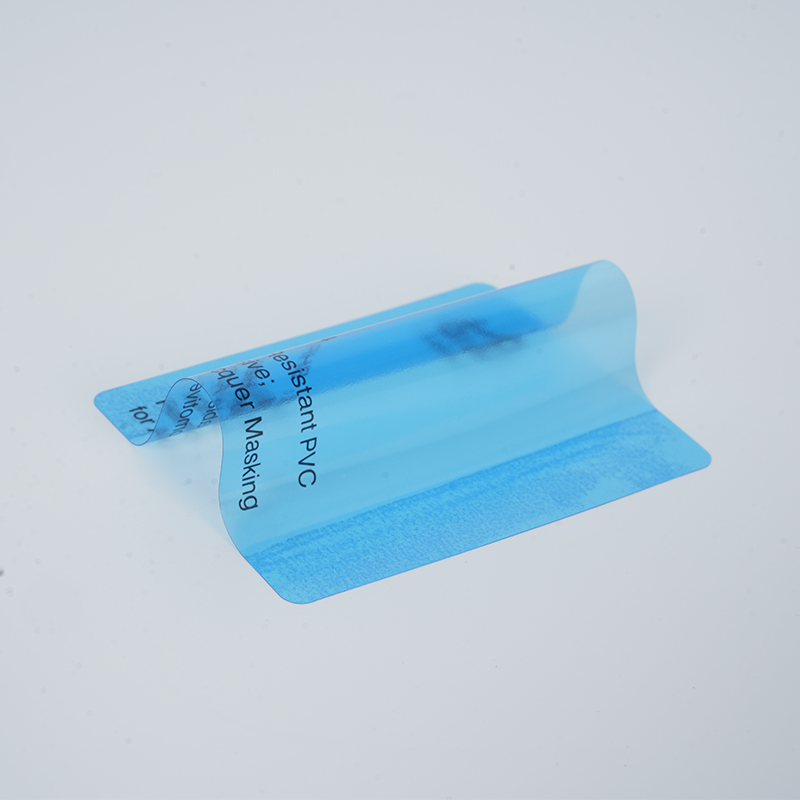
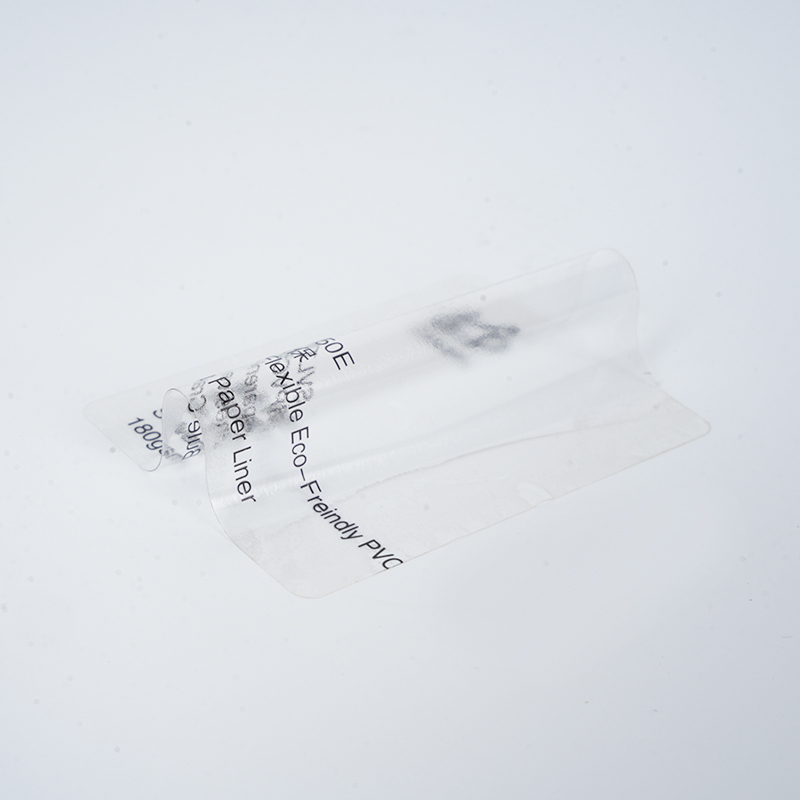
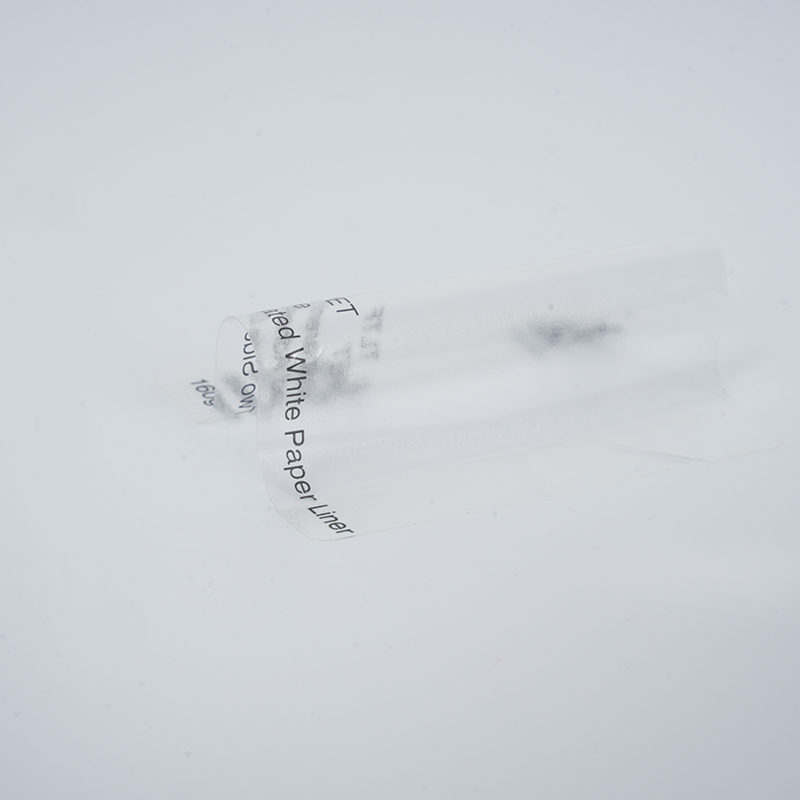
PET, PP, and PVC films resist water, oil, and abrasion. They stay dimensionally stable when die-cut, which makes them suitable for small cosmetic and electronic labels. Film orders often carry higher margins because the application demands a premium look and a longer service life.
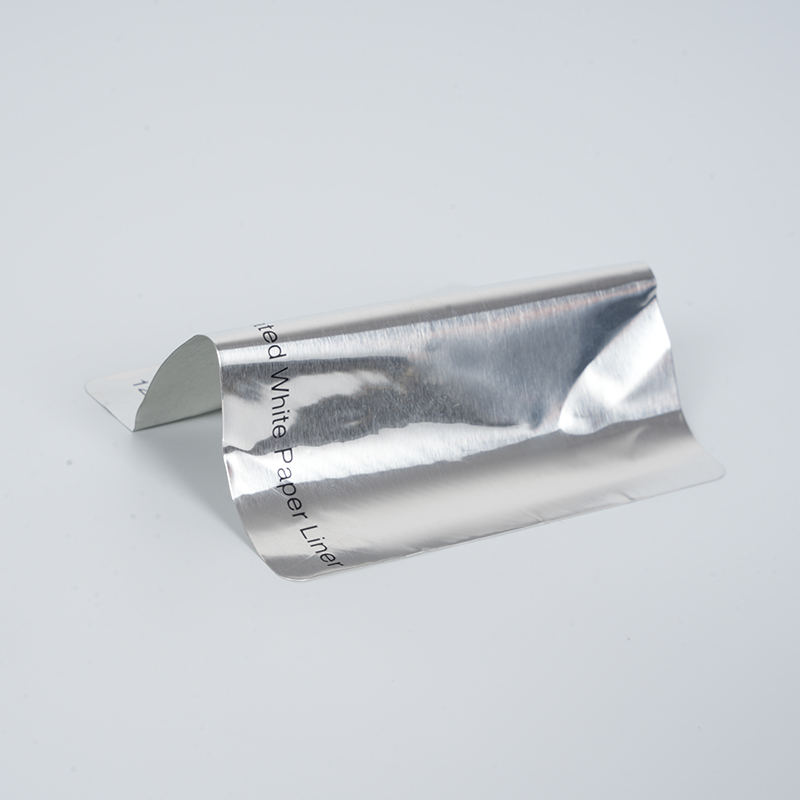
Kraft paper gives a natural, uncoated look that suits craft beverage and organic product lines. Aluminum foil laminates deliver a metallic finish for spirits and industrial nameplates. These grades are usually custom-ordered, so lead times and minimum quantities are higher than standard stock.
| Face Stock | Relative Cost | Water Resistance | Typical Use |
|---|---|---|---|
| Coated paper | Low | Low | Retail, logistics |
| Thermal paper | Low-medium | Low | Waybills, barcodes |
| PP film | Medium | High | Cosmetics, household |
| PET film | Medium-high | High | Electronics, industrial |
| Kraft | Medium | Low-medium | Craft, organic |
| Foil laminate | High | High | Spirits, nameplates |
The adhesive decides whether the label stays put, peels cleanly, or fails under cold, heat, or oil. This is the layer buyers most often under-specify, and it is the layer that generates the most after-sales complaints.
A general-purpose adhesive with moderate initial tack and good aging properties. It handles most paper and film face stocks on dry, clean surfaces. Cost sits in the middle of the range. It is a safe default when the application is not extreme.
Hot-melt delivers high initial tack and strong peel strength. It bonds well to rough or recycled board and performs at high line speeds. The trade-off is lower temperature resistance and a tendency to ooze at the edges if the die-cut is poor.
Removable adhesive is formulated to peel away without leaving residue. This matters for promotional stickers, price tags, and any label that must be repositioned or replaced. The key specification is the dwell time: a label left for six months behaves differently from one removed after six days.
Stays bonded at temperatures below minus 20 degrees Celsius. Used on frozen food and cold-chain cartons.
Resists lubricant and oil migration. Applied to lubricant pails and automotive parts bins.
Withstands solder reflow and oven exposure. Used on electronic components and appliance rating plates.
The liner carries the adhesive until application, then peels away. It is the least discussed layer and the most common cause of unplanned machine downtime. A liner that is too thin, too stiff, or poorly siliconized will cause web breaks, misfeeds, and label lift.
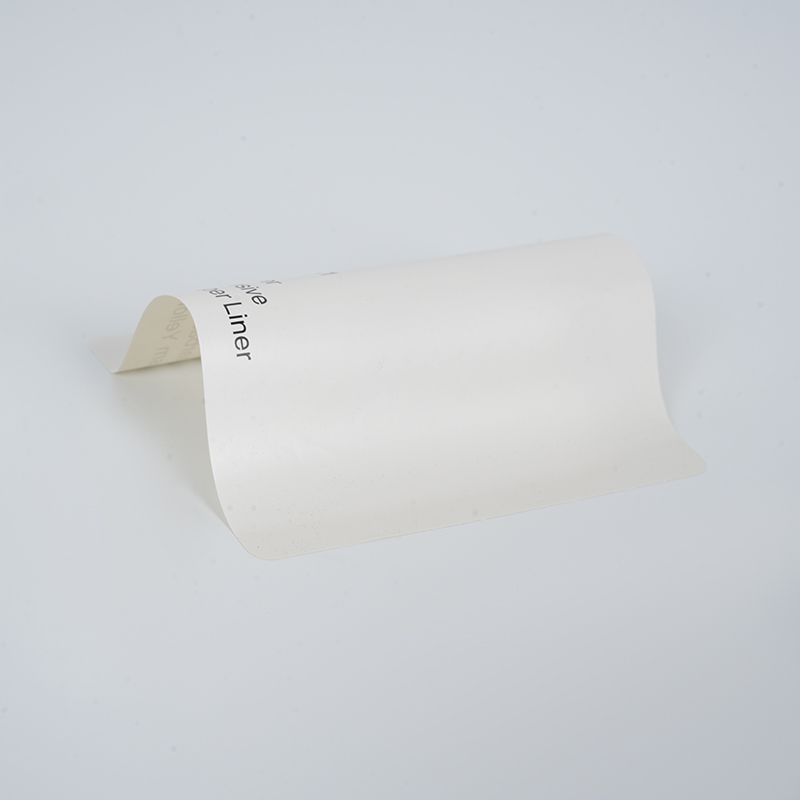
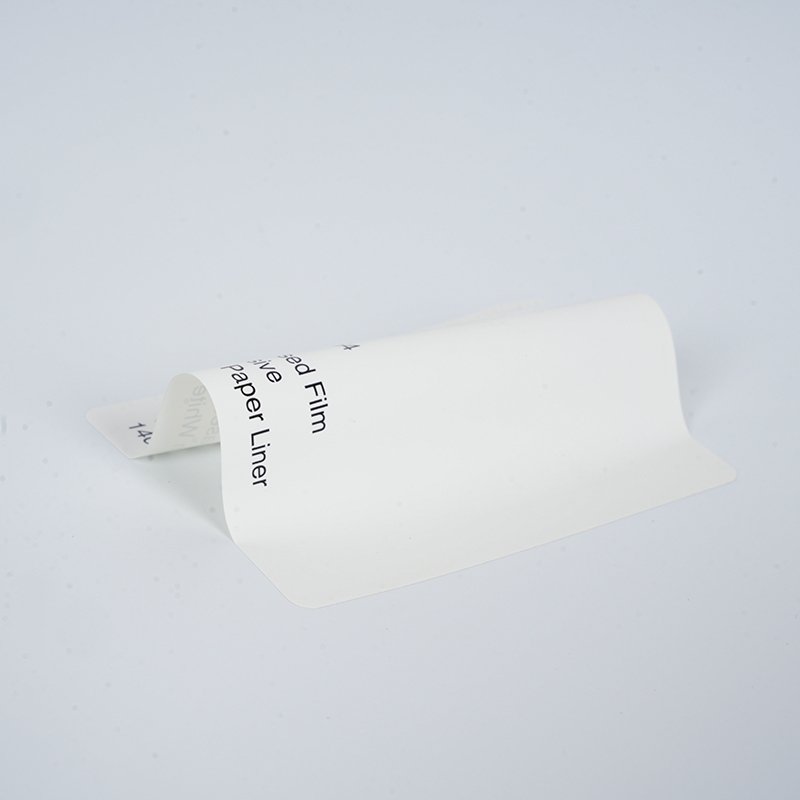
Glassine is a dense, supercalendered paper with a smooth surface and consistent thickness. It is the standard liner for automatic labeling because it feeds evenly and resists tearing under tension. When a buyer specifies a self-adhesive paper for digital printing on a high-speed line, glassine is usually the correct liner.
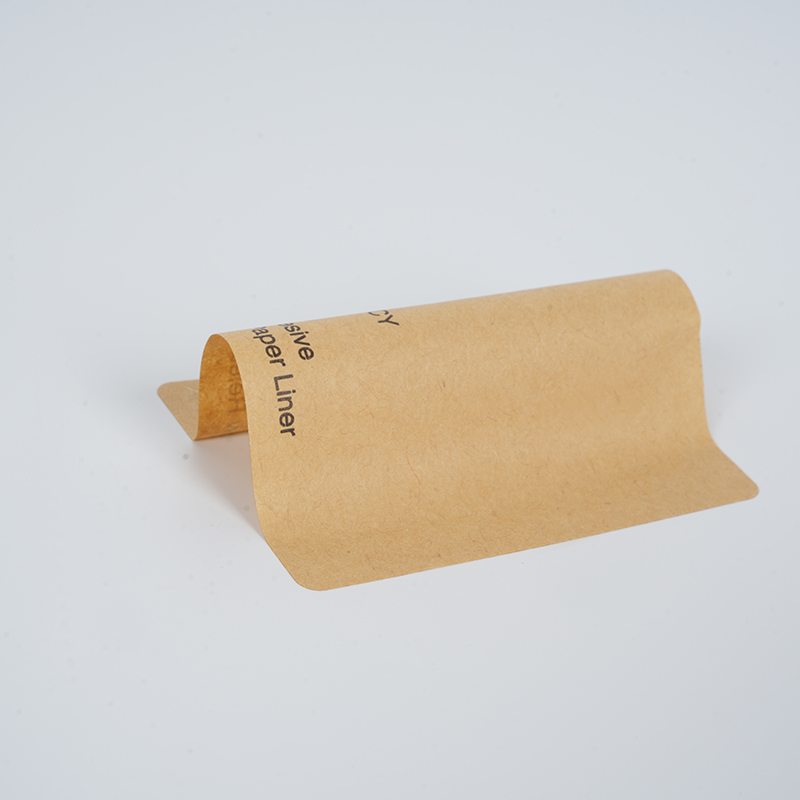
Kraft liner is stronger and more tear-resistant than glassine but has a rougher surface. It suits sheet-fed printing and laser printing where the label is applied by hand or by a low-speed applicator. It costs less than glassine, which makes it attractive for short-run work.
A liner mismatch can stop a labeling line for hours. The material saving on a cheaper liner is often smaller than the cost of a single downtime event. Buyers who evaluate liner and face stock together avoid this trap.
Use the table below to shortlist a specification before contacting a supplier. It maps common applications to a face stock and adhesive combination.
| Application | Recommended Face Stock | Recommended Adhesive | Liner |
|---|---|---|---|
| Retail product label | Coated paper 80gsm | Water-based acrylic | Glassine |
| Courier waybill | Thermal paper | Hot-melt | Glassine |
| Cosmetic bottle | PP film | Water-based acrylic | Glassine |
| Electronic rating plate | PET film | High-temperature | Glassine |
| Frozen food carton | Coated paper or PP | Freezer grade | Glassine |
| Lubricant pail | PP or PET film | Oil-resistant | Glassine |
| Promotional sticker | Coated paper | Removable | Kraft or glassine |
Tell us your application, we recommend the grade, you save the testing cost.
Contact us for bulk pricing on 80gsm and 120gsm options and free A4 samples.
They describe the same material family. Self-adhesive paper materials is the broader procurement term covering paper and film face stocks with a pressure-sensitive adhesive and a release liner. Adhesive sticker paper usually refers to paper-based face stocks in sheet or roll form.
Choose water-based acrylic for general dry surfaces and moderate conditions. Choose hot-melt when you need high initial tack, rough surface bonding, or high line speed. If the label must peel cleanly, specify a removable grade instead of either.
Lower-cost grades may have thinner coatings, lower stiffness, or less consistent caliper. On automatic lines this causes curling, misfeeds, and poor die-cutting. The material saving is often erased by waste and downtime.
80gsm is the common specification for general retail and logistics labels. 120gsm gives a stiffer, more premium feel for rigid containers. The correct choice depends on container shape, application method, and the finish you want.
Yes. Most suppliers provide A4 samples of standard grades so you can test printability, adhesion, and die-cutting on your own equipment before committing to a bulk quantity.
Glassine is the standard choice. Its uniform thickness and smooth surface reduce web breaks and misfeeds. Kraft liner is better suited to sheet-fed and manual application.
+86-18018686956
+86-021-69171221
No.1218, Huiping Road, Nanxiang Town, Jiading District, Shanghai, China
Copyright © Shanghai Baozhongbao Adhesive Products Co., Ltd. All Rights Reserved. Wholesale Self Adhesive Label Sticker Factory