+86-18018686956
 [email protected]
 Language
 русский
 Español
 عربى
عربى Tiếng Việt

Inquiry
+86-18018686956
[email protected]
Language
The selection of materials for self-adhesive labels fundamentally determines their performance across diverse industrial applications. From product packaging to asset tracking, the substrate and adhesive composition directly impact durability, readability, and cost-effectiveness. This guide explores the critical material considerations that industrial buyers must evaluate when sourcing labels for their operations.
Self-adhesive labeling systems consist of three primary layers: the facestock (visible material), the adhesive layer, and the release liner. Understanding each component's properties enables better decision-making for specific use cases, environmental conditions, and budget constraints.
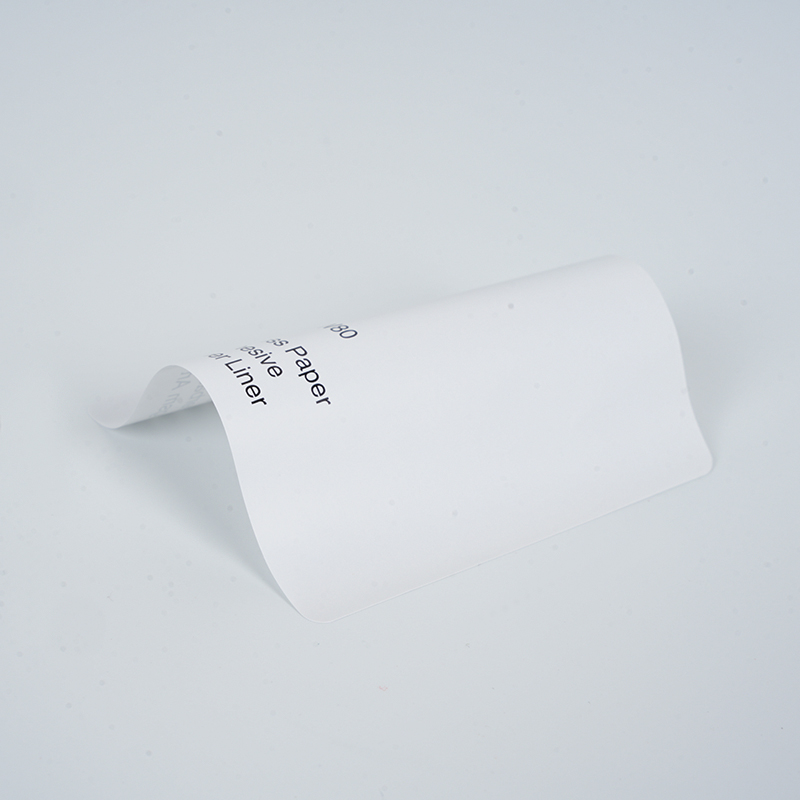
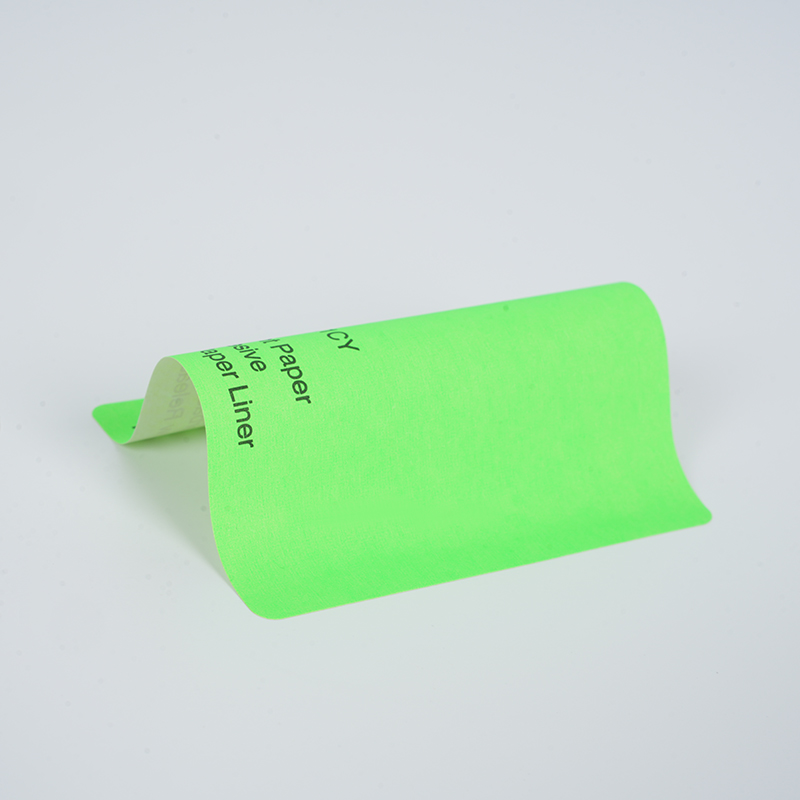
Paper remains the most economical and widely used facestock material for self-adhesive applications. Standard bond paper offers excellent printability and is ideal for indoor labeling where moisture exposure is minimal. Coated paper variants provide enhanced durability by reducing ink absorption and improving surface resistance.
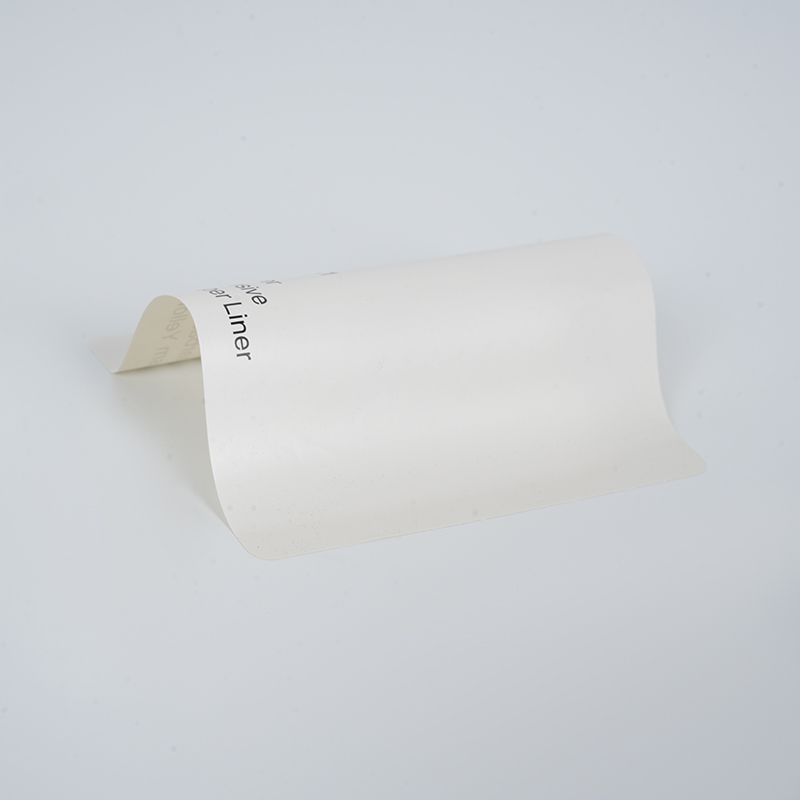
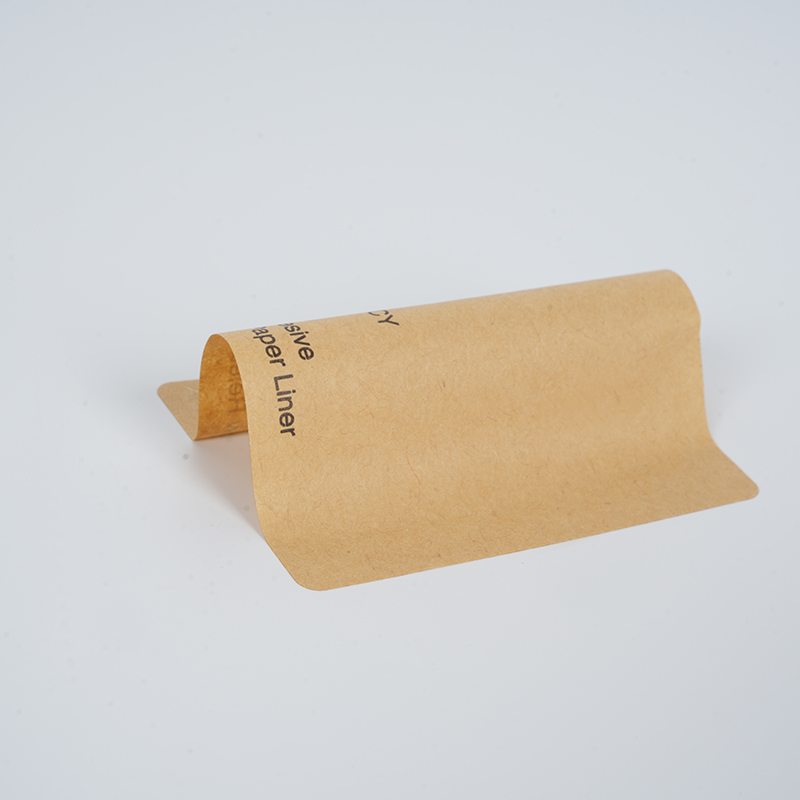
Uncoated paper works best for applications requiring high ink opacity and matte appearance, such as kraft-style product labels. Gloss-coated paper delivers superior color vibrancy and is preferred for consumer-facing packaging where visual impact matters significantly.
Paper Material Performance Range
Standard bond paper typically weighs 20-24 lbs and provides adequate durability for most indoor applications. Heavier stocks (28-32 lbs) offer improved tear resistance but increase material costs proportionally.
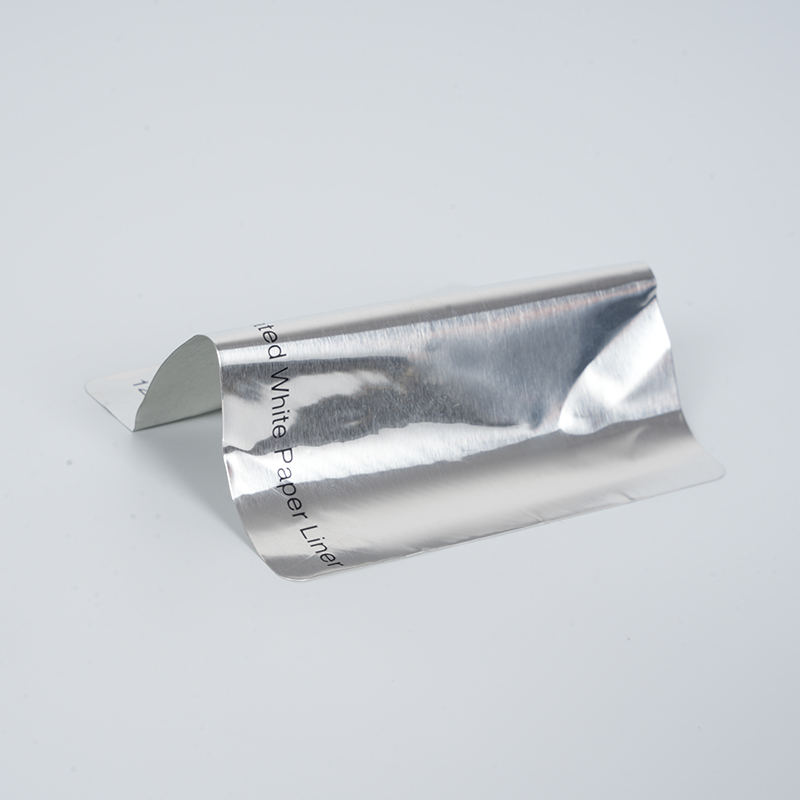
Polyester facestock materials deliver superior durability for harsh industrial environments. Their inherent moisture resistance and chemical tolerance make them ideal for applications exposed to water, oils, or extreme temperatures. Polyester labels maintain their integrity in freezer storage, hot processing lines, and outdoor exposure.
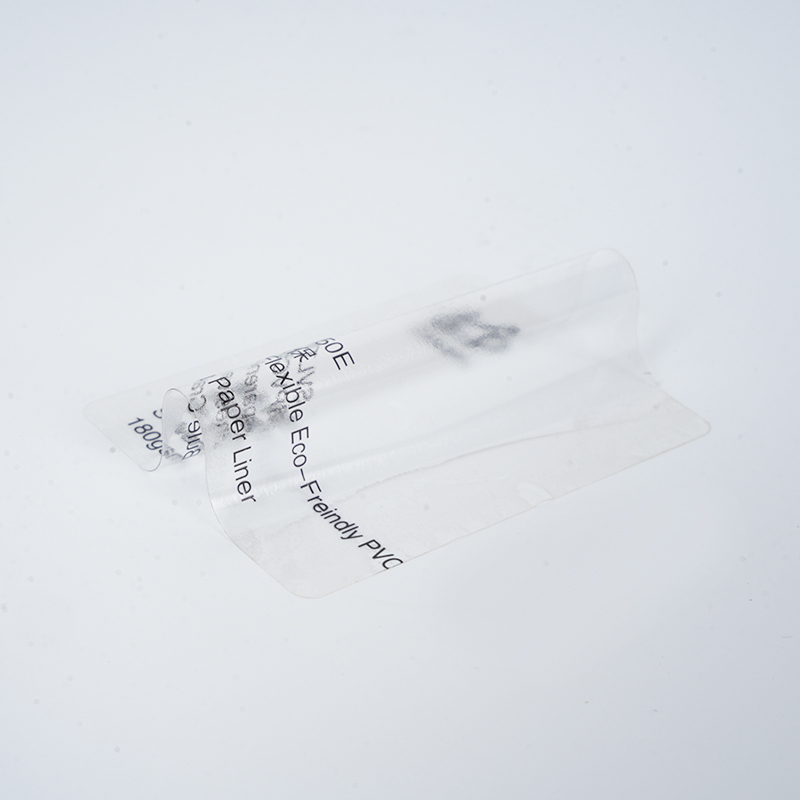
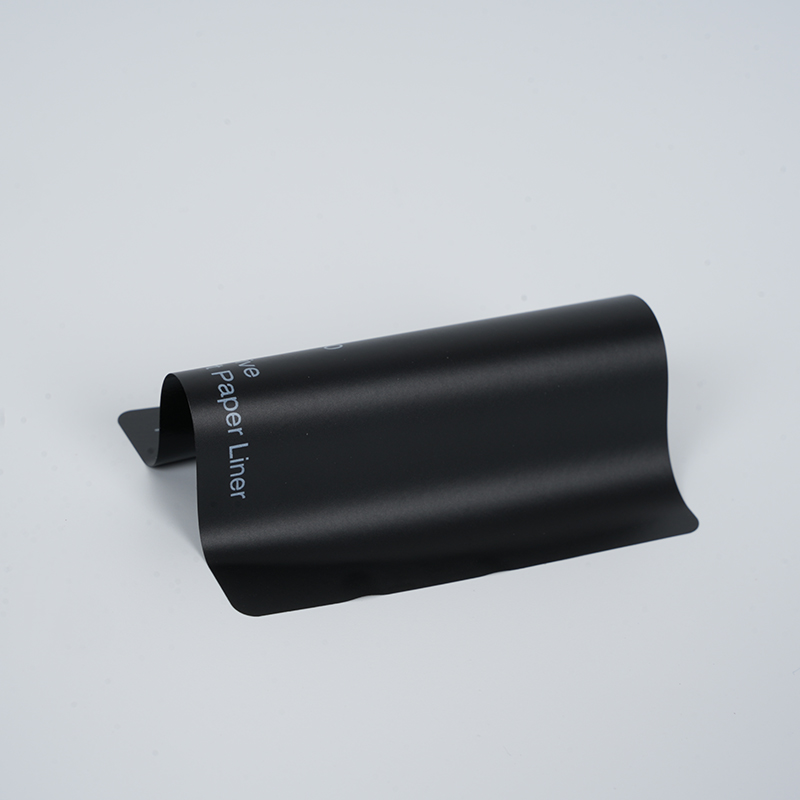
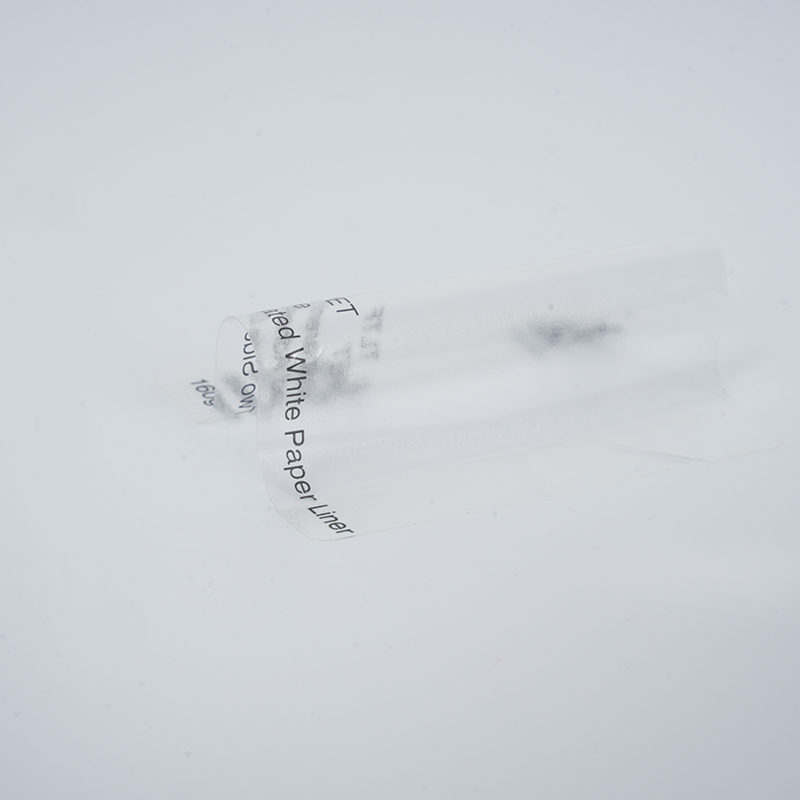
Clear polyester allows for transparent label designs and is particularly valuable for applications requiring product visibility through the label itself. White polyester provides opaque coverage while retaining the material's robust performance characteristics. Colored polyester variants (blue, yellow, orange) offer high visibility for safety-critical labeling and asset tracking systems.
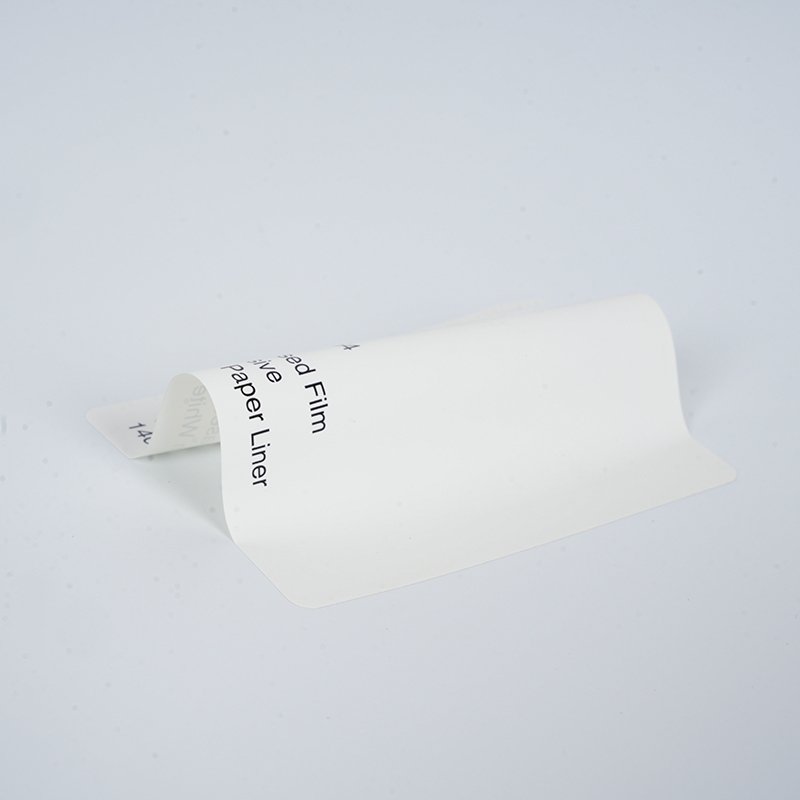
Polypropylene represents a middle ground between paper economics and plastic durability. This material resists moisture effectively while maintaining reasonable cost levels, making it popular for warehouse and logistics applications. Polypropylene's inherent flexibility reduces cracking during label application to curved surfaces.
Matte polypropylene provides excellent printing surface properties and reduces glare in warehouse environments. Glossy variants enhance color saturation and are often selected for consumer product applications where premium appearance justifies the incremental cost.
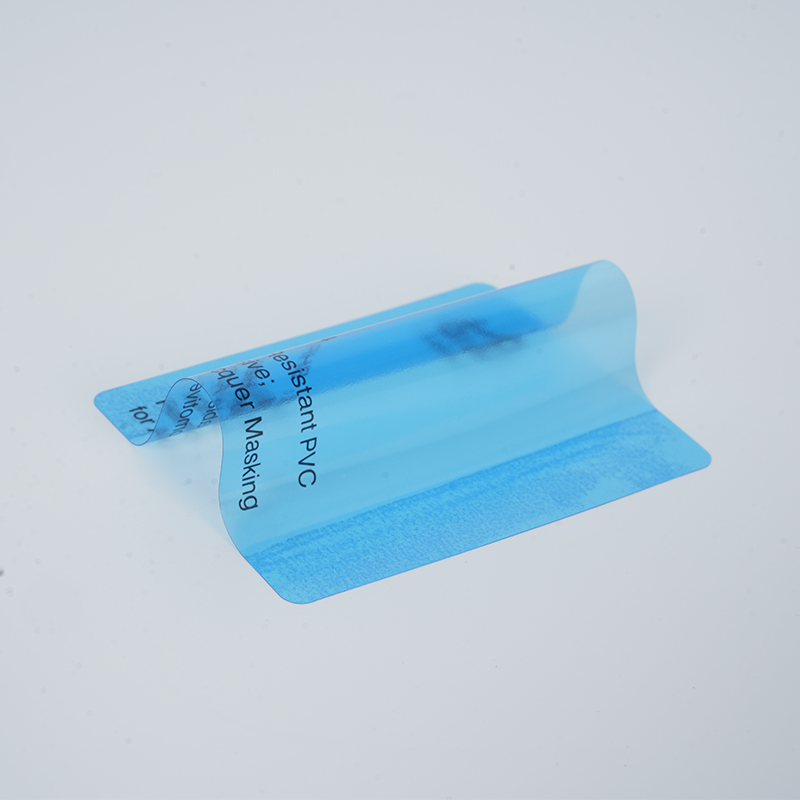
Vinyl and polycarbonate materials serve specialized applications demanding exceptional environmental resistance. Vinyl's flexibility and adhesion properties make it suitable for curved or irregularly shaped containers. Polycarbonate's clarity and impact resistance benefit applications requiring label transparency with extreme durability.
Fabric-reinforced synthetic materials address applications requiring tear resistance and flexibility simultaneously. These materials find use in automotive, industrial maintenance, and field equipment labeling where labels must withstand mechanical stress and environmental exposure.
Acrylic adhesive systems offer the broadest performance range and most consistent results across varying surface types. These pressure-sensitive adhesives provide reliable bonding to porous surfaces like cardboard and paper, as well as low-surface-energy materials including plastics. Acrylic formulations maintain adhesive strength across wide temperature ranges, from freezer conditions to warm processing environments.
The chemistry of acrylic adhesives allows for tuning of tack (initial stickiness) and holding power independently, enabling manufacturers to optimize for specific application requirements. Labels can be designed for easy removal or permanent bonding depending on acrylic formulation choices.
Natural and synthetic rubber-based adhesives deliver superior initial tack, making them ideal for quick-stick applications and low-energy surfaces. These adhesives excel on challenging substrates including polyethylene films and powder-coated surfaces where acrylic alternatives might fail to establish adequate bonds.
Rubber adhesive formulations typically feature faster setting times, allowing labels to reach full holding power within minutes rather than hours. However, these systems may exhibit reduced performance at elevated temperatures and can potentially migrate into certain packaging materials over extended storage periods.
Hybrid adhesive systems combine acrylic and rubber chemistries to balance initial tack with long-term holding power. These formulations address applications where both quick adherence and extended durability matter equally. Hot-melt adhesives, applied at elevated temperatures, cure rapidly upon cooling and provide immediate label security.
Hot-melt technology suits high-speed production environments where label stability must be achieved within seconds. These adhesives work exceptionally well on unprimed corrugated cardboard and similar porous materials but may present challenges with waxy or low-energy surfaces.
Material selection must account for both processing temperatures and end-use environmental conditions. Labels applied during hot-fill packaging processes experience temporary temperatures exceeding 80 degrees Celsius, while frozen storage applications demand materials maintaining flexibility below -20 degrees Celsius.
Polyester and specialty synthetic materials generally demonstrate superior performance across extreme temperature ranges. Paper-based solutions may become brittle in severe cold or lose adhesive integrity under sustained heat. Testing labels under actual operating conditions remains essential before large-scale implementation.
Moisture resistance varies dramatically across material options. Paper-based labels absorb moisture and expand, potentially causing label buckling and readability degradation. Synthetic materials like polyester and polypropylene resist moisture absorption, maintaining dimensional stability and label legibility in wet environments.
Chemical exposure considerations include contact with processing fluids, cleaning agents, oils, and industrial solvents. Polyester and vinyl materials provide robust resistance to most common chemical exposures. Adhesive selection also matters significantly—acrylic adhesives generally tolerate chemical exposure better than rubber-based alternatives.
Outdoor applications and extended shelf-life products require materials resistant to ultraviolet degradation. White and colored polyester materials incorporate stabilizers protecting against UV damage, maintaining print clarity and material integrity. Paper labels can yellow and become brittle with prolonged UV exposure, limiting their suitability for outdoor applications.
Ink formulations interact with substrate materials to determine overall UV resistance. UV-resistant inks combined with stabilized synthetic substrates extend label life significantly in outdoor and window-display environments where sunlight exposure is inevitable.
| Material Type | Moisture Resistance | Temperature Range | Chemical Tolerance | Cost Level |
|---|---|---|---|---|
| Paper | Low | -5 to 40 degrees C | Limited | Low |
| Polypropylene | High | -10 to 60 degrees C | Moderate | Moderate |
| Polyester | Excellent | -40 to 100 degrees C | Excellent | High |
| Vinyl | Excellent | -30 to 80 degrees C | Very Good | High |
This performance matrix provides a rapid reference for material selection based on primary environmental and operational factors. Real-world applications often require prioritizing certain characteristics over others based on specific operational constraints.
Different surfaces present varying adhesive challenges based on their surface energy characteristics. Porous materials like cardboard and paper (high surface energy) bond readily with most adhesive formulations. Non-porous or low-energy surfaces including polyethylene film, polypropylene, and powder-coated metal demand adhesives specifically engineered for challenging substrates.
Initial tack determines how quickly labels establish contact with substrates during application. High-tack formulations suit rapid production environments and challenging surface geometries. Standard or low-tack options work well for delicate applications and materials susceptible to damage from forceful application.
Holding power represents the label's resistance to peeling under sustained stress or weight. Applications involving stacked products, vibration during transportation, or mechanical handling require robust holding power specifications. Shear resistance measures adhesive performance under directional stress, critical for labels on cylindrical containers or surfaces experiencing rotational forces.
Extended holding power development occurs over 24 to 72 hours as adhesive molecules establish molecular bonds with substrate surfaces. Labels requiring immediate permanent security demand adhesives with faster developing holding power, while applications allowing setup time can utilize less aggressive formulations.
Removable adhesive formulations enable label repositioning without substrate damage. This feature suits applications including temporary labeling, asset tracking requiring periodic updates, and returnable container systems. Removable adhesives must balance easy peeling capability with sufficient holding power to prevent accidental label loss during normal handling.
Some applications benefit from ultra-removable formulations leaving minimal residue upon peeling. Other scenarios require gentle-removable properties that preserve label integrity for potential reuse. Manufacturer specifications typically indicate removal characteristics and any substrate compatibility limitations.
Food contact compliance requires careful material selection, particularly regarding adhesive components that might migrate into food products. Most regulatory frameworks accept proven acrylic and rubber-based adhesives meeting food-contact requirements. Paper or coated paper materials dominate this sector due to cost-effectiveness and established safety records.
Refrigerated and frozen product applications demand synthetic materials resisting moisture absorption and adhesive failure at low temperatures. Hot-fill juice and sauce products require materials and adhesives tolerating temporary exposure to temperatures exceeding 85 degrees Celsius. Moisture barriers and appropriate adhesive selection prevent label failure during product shelf life.
Regulatory compliance and chemical compatibility drive material selection in pharmaceutical and chemical industries. Labels must resist contact with active ingredients, preservatives, and cleaning agents without dimensional changes or adhesive failure. Polyester materials offer superior chemical resistance and are preferred for applications where direct product contact is possible.
Pharmaceutical applications increasingly require tamper-evident labels and serialization capabilities. Material selections must accommodate complex printing requirements including microscopic detail reproduction and security features. Long-term storage conditions including temperature cycling and humidity variation demand materials maintaining label integrity over extended periods.
Warehouse and logistics applications prioritize durability and readability across rough handling and environmental exposure. Polypropylene and polyester materials withstand mechanical abrasion, moisture from cleaning activities, and variable warehouse temperatures. White and colored options enhance visibility and enable color-coding systems for inventory management.
Barcode and RFID label integration adds complexity to material selection. Certain synthetic materials interact with radio frequencies differently, potentially affecting reader performance. Testing label performance with actual scanning equipment ensures compatibility before large-scale deployment in automated sorting and tracking systems.
Exterior labeling withstands weather exposure, UV radiation, temperature cycling, and mechanical stress. Polyester and vinyl materials provide robust performance in these demanding conditions. UV-resistant formulations and stabilizers prevent fading, cracking, and adhesive degradation that can occur with less durable materials.
Vehicle identification labels, equipment placards, and outdoor warning signs benefit from material selections ensuring multi-year durability. Testing labels for salt spray resistance becomes important in coastal environments where corrosion-promoting salt exposure is inevitable. Adhesive selection must accommodate the dimensional changes and thermal expansion of metal and composite surfaces.
Industry standards define consistent testing procedures for evaluating label performance. Adhesion tests measure the force required to peel labels from standard substrates, typically reported in ounces per inch of width. Holding power tests apply sustained stress to determine how long labels remain bonded under load. Temperature conditioning cycles expose labels to extreme temperatures to assess material and adhesive stability.
Moisture resistance testing involves exposing labels to controlled humidity environments for extended periods, then evaluating any dimensional changes, adhesive failure, or print degradation. Chemical resistance testing submerges or contacts labels with specific fluids relevant to their intended application, assessing material and adhesive compatibility.
Manufacturer datasheets provide detailed performance metrics enabling comparison across different materials and adhesive systems. Initial tack measurements typically range from 0.5 to 5 pounds per square inch, with higher values indicating stickier formulations. Loop tack testing measures adhesive stickiness on clean glass, providing a relative indication of initial bonding capability.
Peel adhesion ratings, typically measured in pounds per inch of width, indicate holding power. Values ranging from 1 to 5 pounds per inch address different application severity levels. Shear adhesion specifications indicate how long a labeled weight can hang from a sample before peeling, with values spanning from 30 minutes for gentle removable formulations to indefinite for high-holding applications.
Material costs represent only one component of total label implementation expenses. Labor costs, equipment requirements, application speed capabilities, and waste management all factor into overall economic analysis. Cheaper materials may require more frequent replacement or generate higher scrap rates, offsetting initial savings. Premium materials reducing application failures and extending label life often provide superior total-cost-of-ownership despite higher unit prices.
Material costs typically decrease substantially with increased order volumes. Consolidating requirements across departments or multiple facilities enables volume discounts that significantly improve per-unit pricing. Establishing long-term supplier relationships often provides additional pricing benefits and preferential treatment during material shortages.
Strategic material standardization across product lines simplifies procurement and maximizes volume purchasing benefits. Where application requirements allow flexibility, selecting materials with broader supply bases reduces pricing pressure from single-source dependencies. Seasonal ordering patterns and lead-time management enable budget optimization around volume discount thresholds.
Downgrading materials in low-risk applications while maintaining premium materials for critical labeling represents sound cost management. Temporary or warehouse-internal labels may tolerate paper-based solutions while customer-facing products justify synthetic material investments. Evaluating material performance degradation over product shelf life identifies opportunities for cost reduction without compromising essential requirements.
Paper-based materials offer recyclability advantages, integrating with established paper recycling infrastructure in most regions. Synthetic materials including polypropylene and polyester present recycling challenges, requiring specialized processing and creating lower-value recovered materials. Some applications increasingly prioritize materials minimizing environmental impact over purely economic considerations.
Emerging bio-based materials derived from renewable resources offer reduced environmental footprint compared to petroleum-based plastics. Compostable label materials break down in industrial composting facilities, addressing waste management concerns in environmentally-conscious supply chains. However, these specialty materials typically command higher prices and may have limited availability or performance limitations.
Evolving environmental regulations increasingly restrict certain materials and require documented sustainability measures. Evaluating material selections against anticipated regulatory changes prevents costly reformulations later. Suppliers offering detailed environmental impact documentation and sustainability certifications help organizations meet corporate sustainability commitments.
A systematic approach to material selection ensures optimal balance among performance requirements, cost constraints, and operational considerations. The following framework guides evaluation of different materials for specific applications:
Identify all environmental conditions labels will experience, including temperature ranges, humidity levels, chemical exposure, and UV radiation. Document both processing conditions during label application and end-use storage and transportation environments. This comprehensive environmental profile forms the foundation for subsequent material evaluation.
Define specific performance requirements including adhesion strength, removability, holding power, and durability metrics. Prioritize requirements reflecting critical application needs—permanent labeling applications require different adhesive specifications than temporary identification labels. Document any regulatory compliance requirements including food contact, chemical compatibility, or industry-specific standards.
Cross-reference environmental requirements and performance specifications against material capabilities. Eliminate materials failing to meet critical requirements. For remaining candidates, evaluate secondary factors including printability, application complexity, and supplier availability. Request material samples for initial testing under representative conditions.
Apply sample labels in actual production environments and under expected storage conditions. Monitor adhesion performance, print durability, and material integrity over the intended shelf-life period. This real-world validation identifies potential issues before large-scale commitment to specific materials.
Calculate total implementation costs including material expenses, application equipment, labor requirements, and waste management. Compare cost-per-labeled-unit across candidate materials accounting for application efficiency differences and expected failure rates. Factor in supply chain risks and pricing stability over anticipated sourcing periods.
Select the material offering optimal balance among performance requirements, cost efficiency, and operational feasibility. Document the rationale for material selection to support future purchasing decisions and provide reference material for similar applications. Establish monitoring procedures to verify performance assumptions and identify opportunities for optimization.
Digital printing technologies offer flexibility for variable-data and short-run applications, but material selection affects print quality and durability. Coated paper materials accept digital inks readily, producing sharp text and vibrant colors. Synthetic materials may require specifically formulated digital inks to achieve adequate adhesion and image permanence. Manufacturers often provide compatibility matrices indicating optimal digital printing performance for different material options.
Flexographic printing, the primary technology for large-volume label materials production, accommodates virtually all substrate materials. Material surface properties affect ink transfer quality and print registration accuracy. Rough or textured surfaces may compromise fine detail reproduction. Press operators adjust printing parameters including pressure and ink formulation based on specific material characteristics.
Label thickness and rigidity influence compatibility with automatic application equipment. Paper materials typically range from 70 to 100 microns thickness, while synthetic materials span 50 to 150 microns depending on specific composition. Specialty application equipment addresses thicker or unusually rigid materials, but standard systems perform optimally within certain material thickness ranges. Verifying material compatibility with existing application equipment prevents unexpected installation problems.
Establishing receiving procedures for label materials ensures consistency and identifies defects before incorporation into production processes. Visual inspection detects surface defects, ink irregularities, or packaging damage. Basic adhesive testing using peel-back verification confirms adequate tack and initial bonding capability. Documentation of incoming inspection results enables trend analysis and supplier performance evaluation.
Monitoring label application performance during production identifies material-related issues quickly. Tracking adhesion failures, peeling problems, and application equipment malfunctions reveals patterns indicating material incompatibility or degradation. Statistical quality control procedures provide data-driven indicators of when supplier materials drift outside acceptable parameters.
End-user feedback regarding label durability and performance provides invaluable real-world validation of material selection decisions. Establishing communication channels for customer reports of label failure enables identification of performance issues. Systematic analysis of failure modes informs decisions regarding material reformulation or supplier changes.
Integration of sensors, inks, and digital capabilities into label materials represents an emerging trend expanding label functionality. Temperature-indicating inks, photochromic materials, and RFID-compatible substrates enable labels providing real-time information about product conditions and location. These advanced applications demand materials compatible with electronic components and specialized printing processes.
Development of renewable-resource materials addresses environmental concerns and regulatory pressure. Plant-based polymers and cellulose derivatives offer alternatives to petroleum-based plastics with reduced environmental impact. As production volumes increase and costs decline, bio-based materials will likely capture growing market share in environmentally-conscious segments.
Nanomaterial incorporation into label substrates enables enhanced properties including improved barrier characteristics, increased durability, and superior adhesive performance. These materials remain relatively expensive and specialized, limiting current applications to high-value products and extreme-environment use cases. Advancement in nano-material technology and manufacturing processes will expand accessibility and reduce costs over time.
Paper materials offer lower cost and good printability for indoor applications, but provide limited moisture and chemical resistance. Synthetic materials including polypropylene and polyester deliver superior durability in harsh environments, resisting moisture, chemicals, and extreme temperatures. Paper suits temporary and indoor applications, while synthetics handle demanding industrial, outdoor, and chemical-exposure scenarios. Performance requirements and environmental conditions should drive material selection.
Acrylic adhesives provide broad compatibility across varied substrate types and stable performance across temperature ranges. Rubber-based adhesives deliver superior initial tack and work effectively on low-energy surfaces. Choose acrylic for most general applications and challenging temperature environments. Select rubber formulations for quick-stick requirements and difficult substrates including polyethylene film. Consider hybrid formulations balancing both characteristics when applications require both initial tack and long-term holding power.
Paper labels perform poorly in freezer environments due to moisture absorption and adhesive failure at low temperatures. Synthetic materials, particularly polyester, maintain flexibility and adhesive integrity in deep-freeze conditions below -20 degrees Celsius. For cold-storage applications, specify polyester materials with adhesive formulations rated for low-temperature performance. Testing labels in actual freezer conditions confirms performance before production implementation.
Conduct environmental exposure testing mimicking actual application conditions including temperature cycling, humidity exposure, and chemical contact. Test adhesion and holding power immediately after application and after storage periods matching intended shelf life. Evaluate print durability under expected storage and transportation conditions. Perform compatibility testing with application equipment to confirm material thickness and rigidity compatibility. Document all test results supporting material selection decisions.
Material thickness, rigidity, and surface properties influence application equipment speed capabilities. Thin materials enable higher speeds while thicker or rigid materials may require slower processing. Material-surface interaction with application equipment affects registration accuracy at high speeds. Digital printing systems may process synthetic materials more slowly than papers due to ink-setting requirements. Consult equipment manufacturers regarding optimal material specifications for maximum production speed.
Compostable materials offer environmental benefits but typically cost more and may have limited performance capabilities compared to established materials. These materials work well for applications where environmental impact justifies higher costs and moderate performance expectations. Verify that end-user facilities actually have access to industrial composting infrastructure before specifying compostable labels, as standard waste streams often lack appropriate composting facilities.
Request technical datasheets specifying testing standards and methods used to evaluate performance claims. Verify datasheets reference industry-standard test procedures including those defined by recognized standards organizations. Request independent testing results or third-party validation of performance claims. Conduct pilot testing using actual production equipment and storage conditions before accepting supplier performance claims. Reputable suppliers welcome material samples for customer testing and provide comprehensive technical documentation supporting specifications.
Adhesive failure typically results from inadequate material selection for environmental conditions, improper surface preparation, or storing materials in high-humidity environments before application. Ensure materials and adhesives match actual temperature and humidity exposure. Prepare surfaces by removing dust, moisture, and contaminants that interfere with adhesion. Store label stock in climate-controlled environments preventing moisture absorption before application. Allow adequate time for adhesive development after application, particularly for acrylic formulations requiring extended curing periods.
Consider the label's final location and whether it experiences mechanical stress or vibration during transportation and storage. Permanent applications on stable surfaces require moderate holding power (2-3 pounds per inch). High-vibration applications or stacked-product environments demand maximum holding power (4-5 pounds per inch). Temporary or repositionable applications specify low holding power removable formulations. Testing labels under actual application conditions provides the most reliable determination of appropriate holding power specifications.
Paper materials integrate with existing recycling infrastructure but may be less durable, potentially requiring more frequent replacement. Synthetic plastics resist recycling and create persistent waste but deliver multi-year durability reducing replacement frequency. Bio-based alternatives reduce resource consumption but may lack widespread recycling infrastructure. Life-cycle assessment considering both production impacts and end-of-life scenarios provides comprehensive environmental impact evaluation. Organizational sustainability goals and regional recycling infrastructure availability should inform material selections balancing performance and environmental responsibility.
+86-18018686956
+86-021-69171221
No.1218, Huiping Road, Nanxiang Town, Jiading District, Shanghai, China
Copyright © Shanghai Baozhongbao Adhesive Products Co., Ltd. All Rights Reserved. Wholesale Self Adhesive Label Sticker Factory