+86-18018686956
 [email protected]
 Language
 русский
 Español
 عربى
عربى Tiếng Việt

Inquiry
+86-18018686956
[email protected]
Language
Pressure-sensitive materials look effortless in use: peel away the liner, press the label, done. Whether that label survives a chilled warehouse, a curved cosmetic bottle, or a high-speed applicator is decided much earlier, on a coating line. A custom adhesive coating service formulates and applies an adhesive layer onto a chosen face stock at a defined coat weight and uniformity, then pairs the web with a release liner so the finished roll behaves predictably in the customer's converting process.
Standard laminates from a catalog cover everyday needs well. Difficulties appear at the edges of the specification: unusual surfaces, temperature extremes, dense die-cutting patterns, or demanding regulatory environments. Custom coating exists precisely for that gap, and this article explains what a professional service involves, which technical decisions matter most, and how to brief a coating partner so the first production run lands close to the final one. The difference between a supplier and a coating partner shows up exactly here: in how those edge cases are handled, with data, trials and documented results.
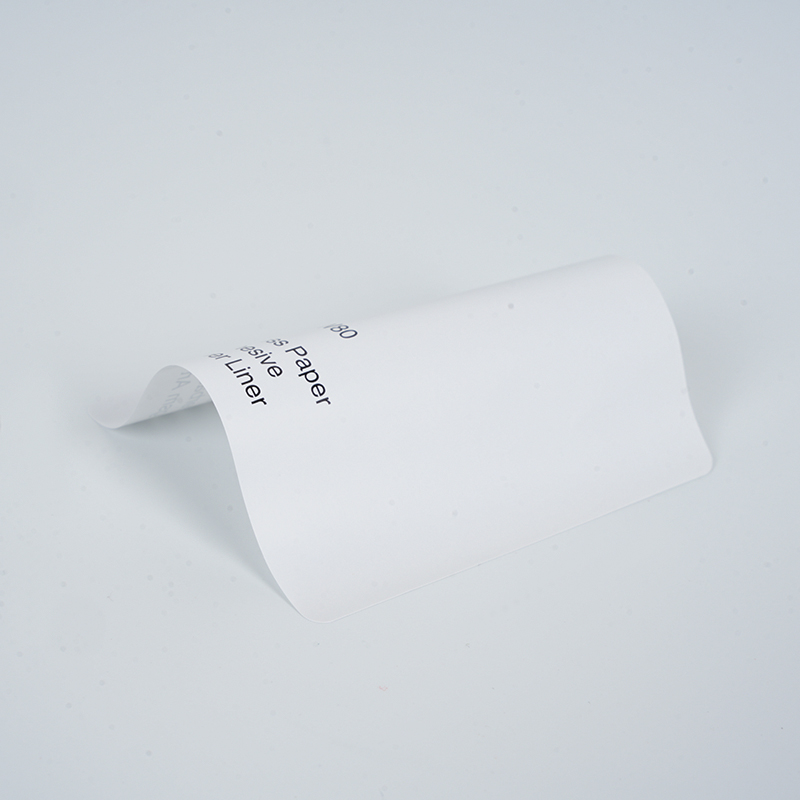
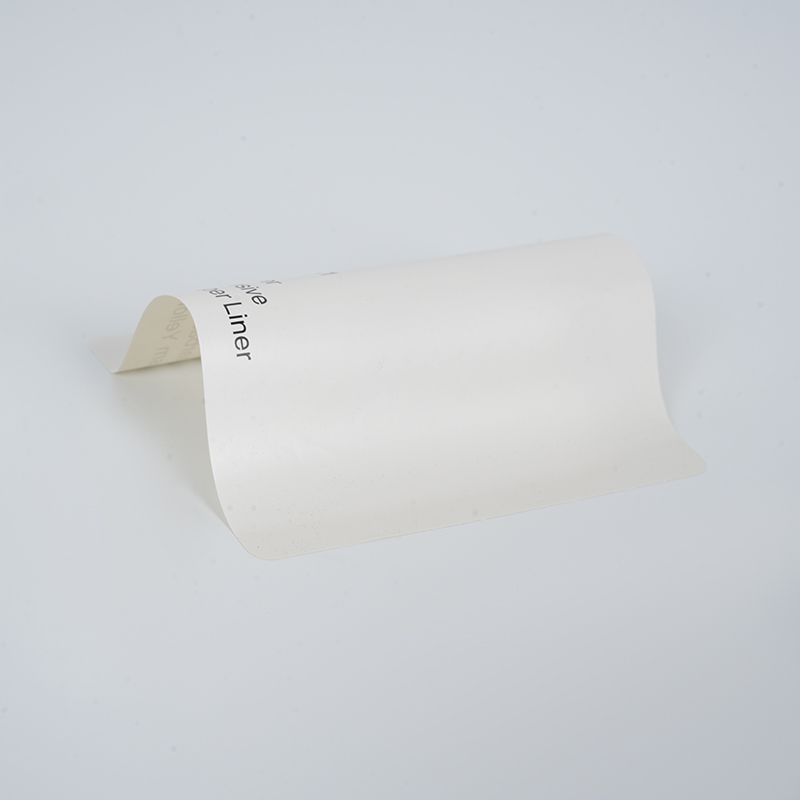
A coating service is often reduced to the idea of putting glue on paper. In practice, the deliverable is a complete laminate in which three layers must work as one engineered system: the face stock that carries print or function, the pressure-sensitive adhesive that forms the bond, and the silicone release liner that protects the adhesive until the moment of use.
Between first briefing and delivered rolls, a capable coating partner takes responsibility for several linked decisions:
These layers interact, so changing one parameter rarely changes one property alone. Raising coat weight increases tack but can slow die-cutting; a denser liner improves cutting but raises dispensing force. Experienced coating teams therefore evaluate the laminate as a whole system rather than quoting parameters in isolation, and that whole-system view is what separates a true development partner from a simple converter.
Method selection is one of the clearest markers of a capable provider, because each coating technique suits different adhesive viscosities, tolerance targets and substrate sensitivities. Four approaches dominate pressure-sensitive production:
| Coating Method | How It Works | Best Suited For |
|---|---|---|
| Direct coating | Adhesive is applied straight onto the face stock and dried in controlled oven zones | Paper face stocks and standard label laminates |
| Transfer coating | Adhesive is laid onto the liner first, then the face stock is laminated onto it | Delicate or heat-sensitive face stocks and very light coat weights |
| Roller coating | Metering rollers form and split a uniform adhesive film onto the moving web | Medium and long runs that demand consistent coat weight |
| Gravure coating | An engraved cylinder meters a precise amount and pattern of adhesive | Very low coat weights and patterned or zoned adhesion |
Drying and curing complete the process. Water-based systems release moisture through staged temperature zones, and the drying curve must respect the face stock: too aggressive, and paper curls or films shrink; too gentle, and residual moisture causes blocking inside the roll. Curing conditions also set the final crosslink density, which is why identical adhesive can test differently on two different lines. Some projects even combine methods, applying a primer by one technique and the adhesive layer by another.
Primer and anchor coats deserve a separate mention: a thin tie layer between face stock and adhesive dramatically improves anchorage on difficult surfaces such as foils or low-energy films, and it is one of the quiet advantages a custom service offers over catalog product. The roller coating process remains the industry workhorse because it balances uniformity, speed and changeover flexibility. Method choice ultimately follows three questions: how viscous is the adhesive, how tight is the coat weight tolerance, and how sensitive is the face stock to heat and web tension.
Most custom projects begin with one of three adhesive families:
Dry coat weight, measured in grams per square metre and usually shortened to gsm, is where custom coating earns its fee. Typical specification windows look like this:
| Application Scenario | Common Dry Coat Weight | Why This Window Works |
|---|---|---|
| General-purpose paper labels | 15 to 20 gsm | Balanced tack with economical material use |
| Removable or repositionable labels | 12 to 18 gsm | Low enough peel to lift without leaving residue |
| Film labels on curved containers | 18 to 25 gsm | Higher tack compensates for low-energy surfaces |
| Rough or textured industrial surfaces | 25 to 30 gsm | Extra adhesive volume fills surface peaks for full contact |
A tolerance that looks trivial on paper, a deviation of a few grams per square metre across the web, is often the real difference between clean die-cutting and a converting line that stops for blade cleaning every hour.
Uniformity matters as much as the average value. Disciplined lines monitor coat weight across the full web width and along the roll length, and the readings are archived for every batch so repeat orders reproduce the original result instead of rediscovering it. The same engineering mindset removes predictable failure modes before they reach the customer:
A typical development case shows the loop in action: a beverage producer moving from paper to transparent film labels on returnable bottles sees edge lifting after condensation testing. Raising coat weight alone does not close the gap; moving to a moisture-resistant acrylic at a slightly higher coat weight does. The same loop applies to freezer-grade logistics labels, battery insulation tapes and removable protective films, and that evidence-driven iteration is exactly what a custom coating service exists to provide.
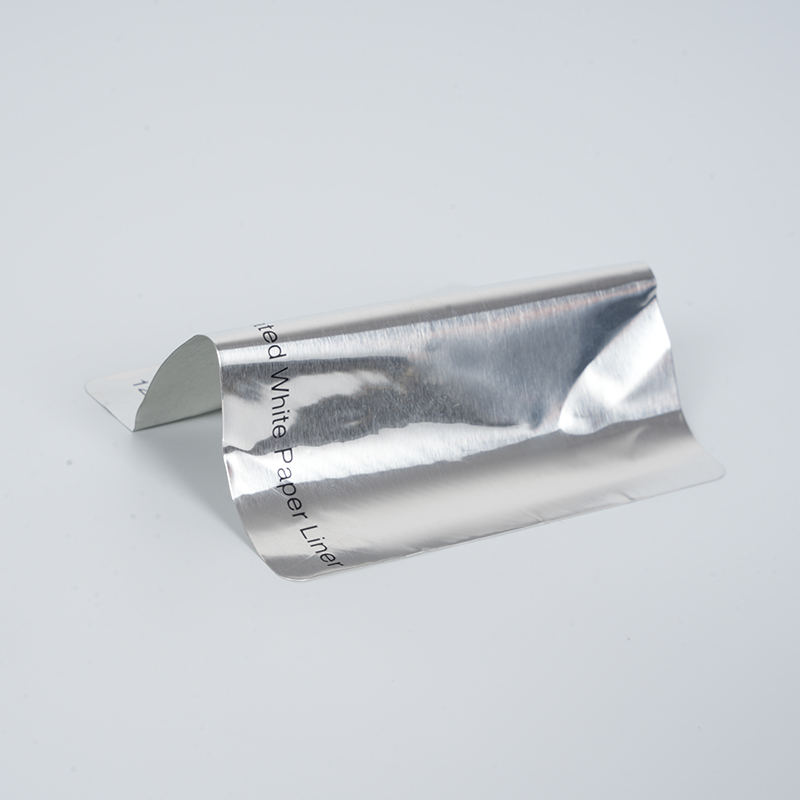
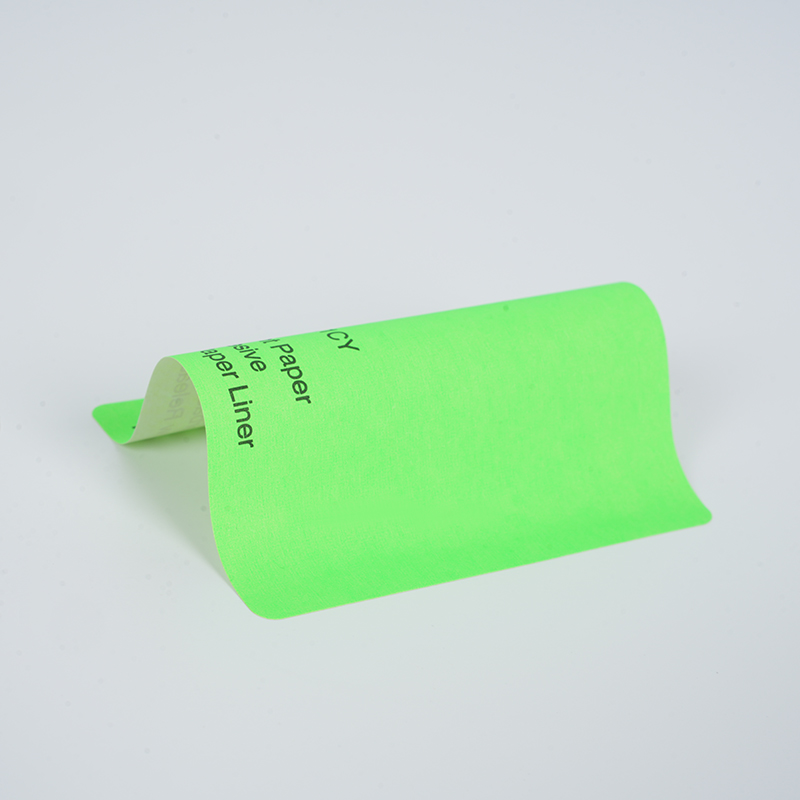
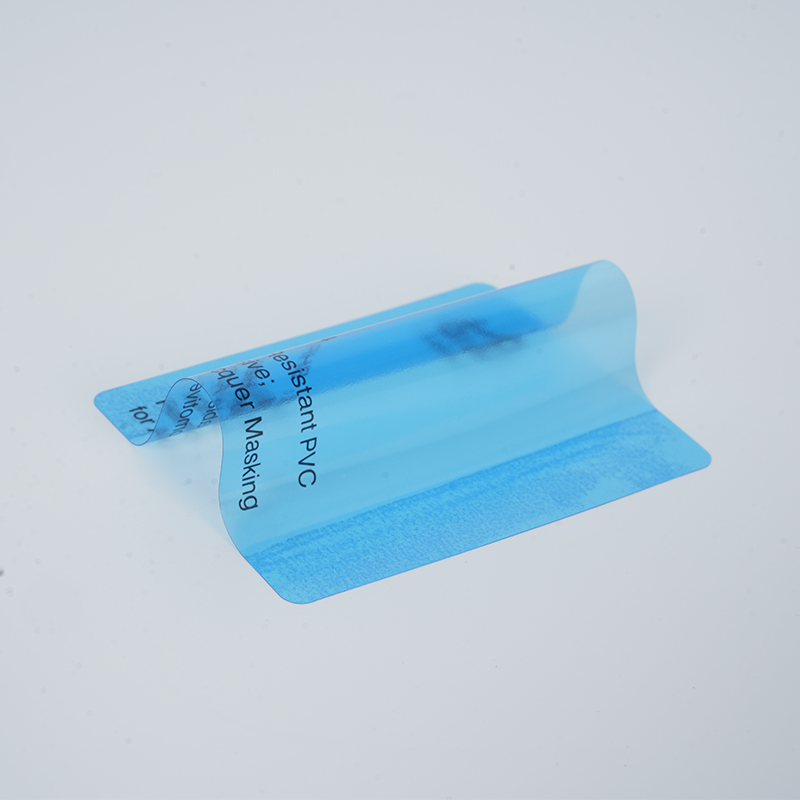
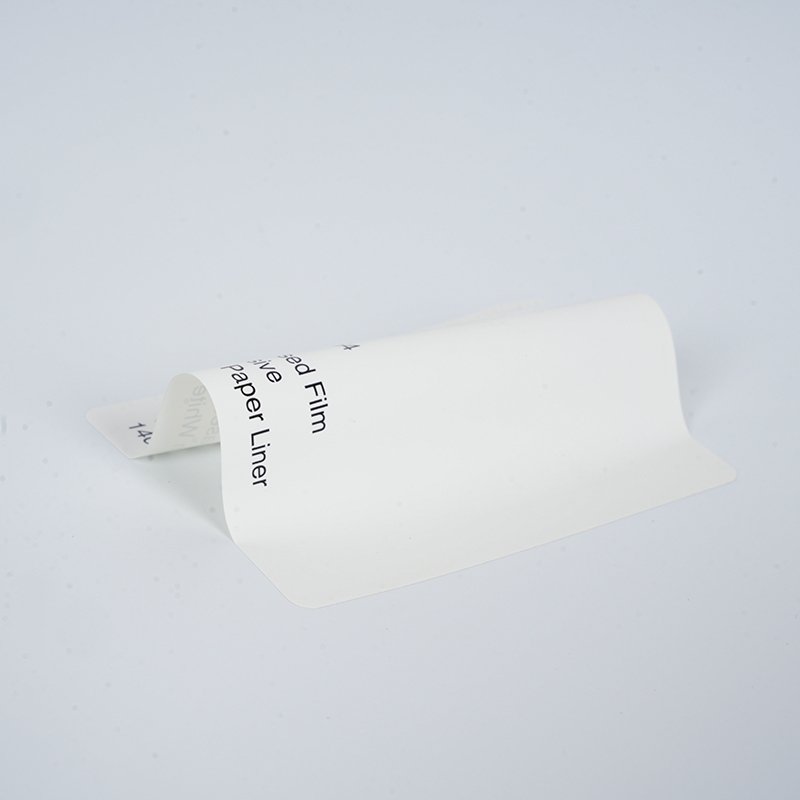
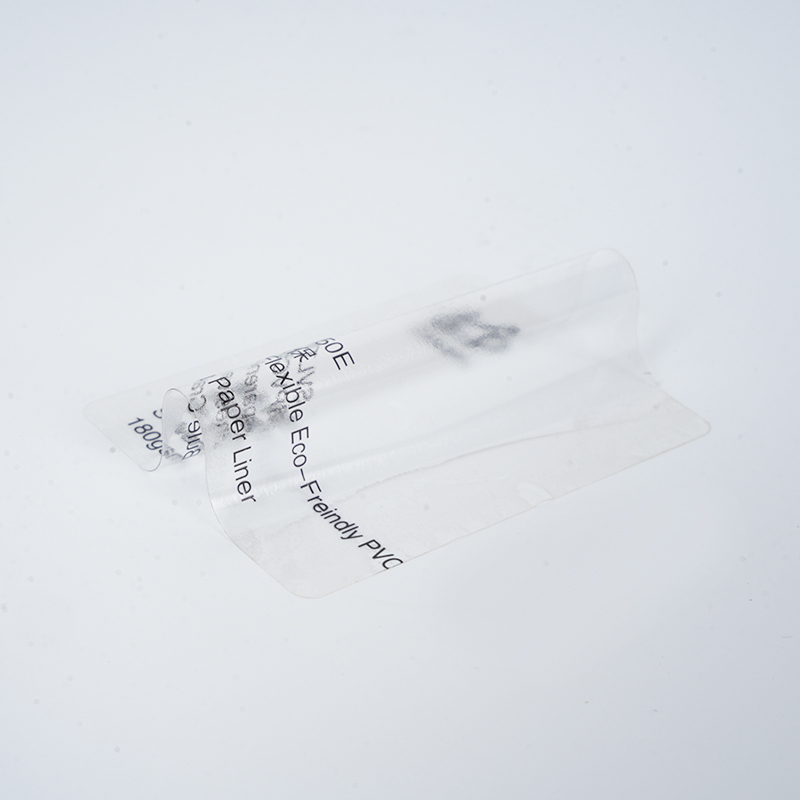
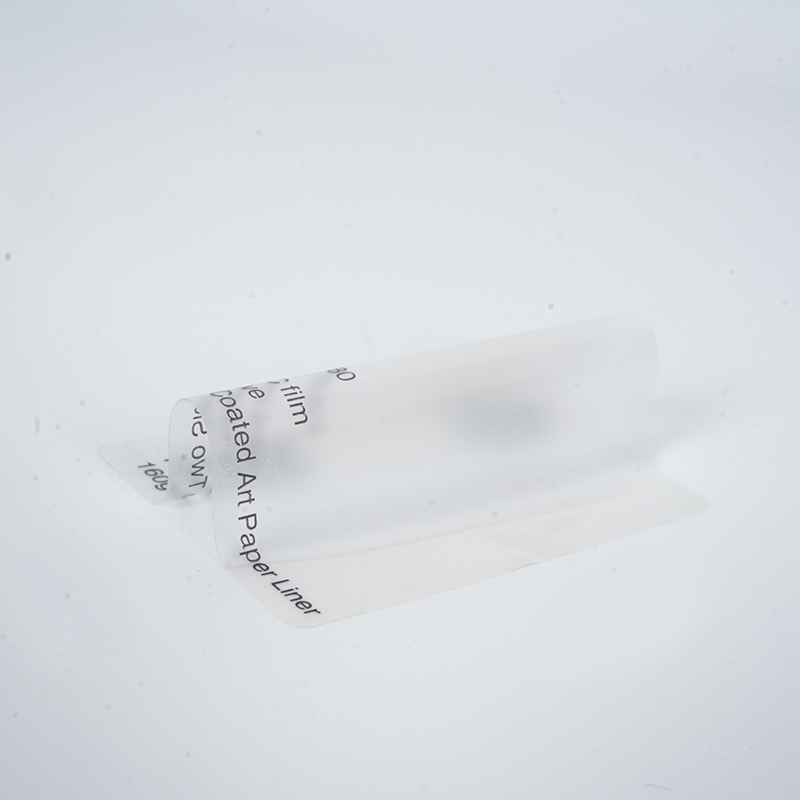
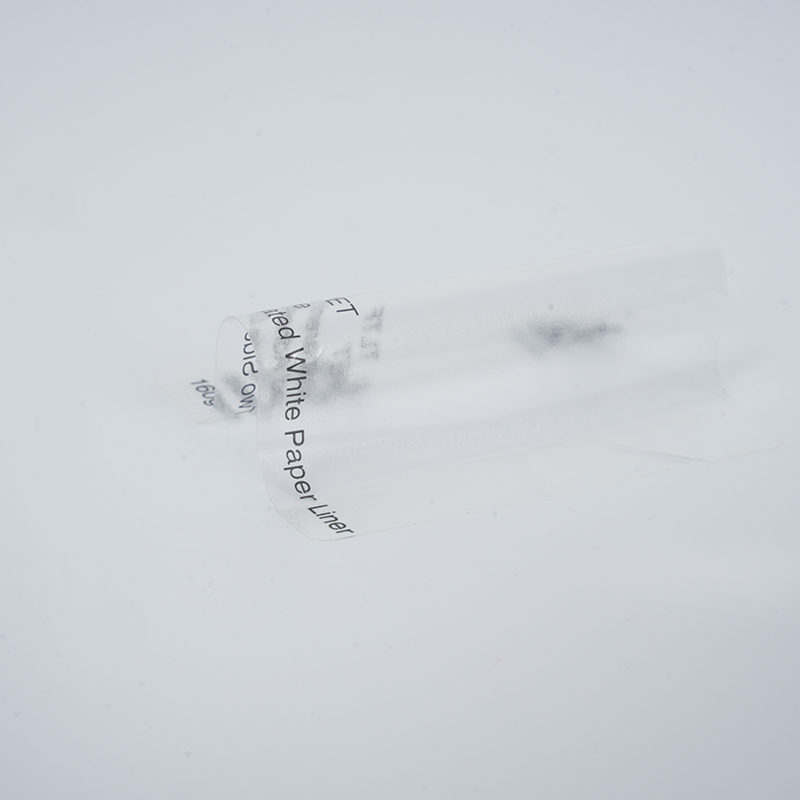
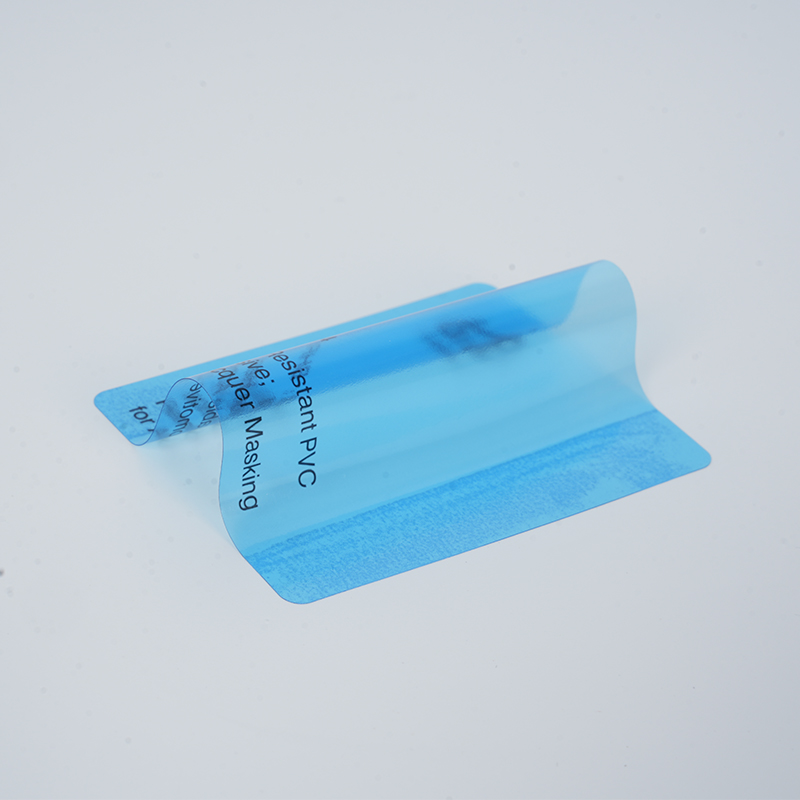 Custom Self-Adhesive Film Materials Including PVC, PP and PETFilm-based laminates in high-temperature PVC, PP, ordinary PVC and PET suit durable labeling needs. Relevant where adhesive choice and coat weight must be iterated against real conditions like condensation.View Product →
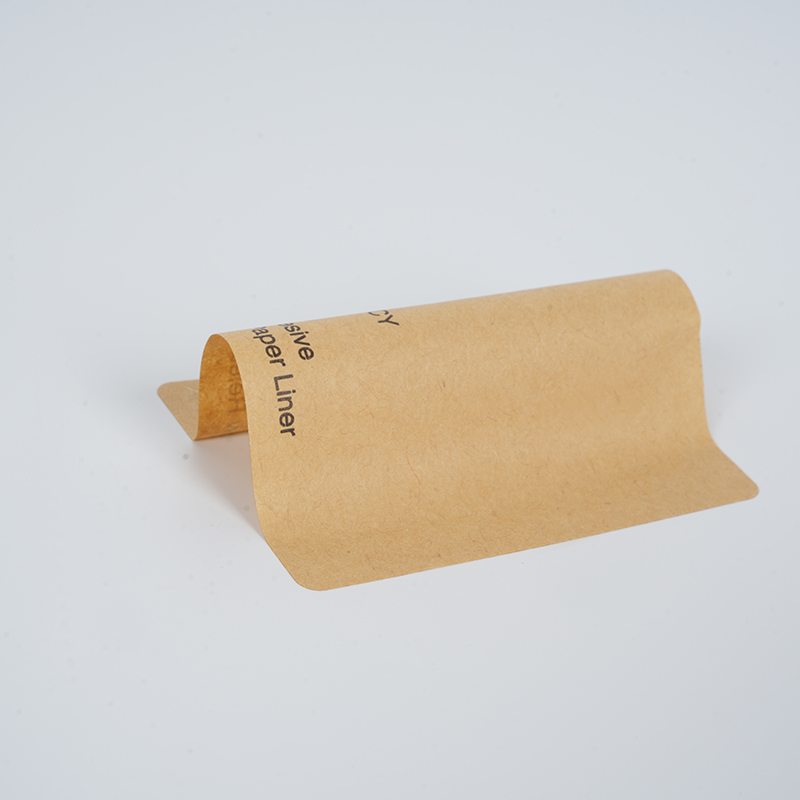
The release liner carries the adhesive through coating, storage, die-cutting and dispensing, yet it typically receives half the attention given to the face stock. Its silicone layer sets how easily the label lets go, and liner choice shapes converting speed as strongly as adhesive choice shapes end performance.
Release level is a tunable parameter, not a fixed property. A tighter liner keeps small labels locked in place during transport and storage; an easier release feeds high-speed automatic applicators without tearing. Liner and adhesive also share responsibility for shelf life, since a laminate stored too warm can show adhesive migration toward the liner edge. When this balance is wrong, the symptom appears in confusing places: labels falling off inside the roll, or webs breaking at the dispensing edge, both of which are liner problems disguised as adhesive complaints.
Adhesion cannot be judged reliably by eye, so professional coating services anchor their quality systems in standardized physical measurements. Three tests form the core:
The force needed to remove the laminate from a standard steel plate at a defined angle and speed, revealing ultimate bond strength.
The instantaneous grab measured as an adhesive loop touches a surface, a close proxy for applicator performance.
How long a bonded sample holds against a static load, exposing the internal cohesion of the adhesive.
Around these pillars, a disciplined provider runs a wider verification routine on every development project and production batch:
Test conditions, dwell time and backing material are recorded alongside the numbers, because a peel value without its context is only half a result. Batch traceability completes the system: production aligned with ISO 9000-series quality management links every finished roll back to its adhesive batch, coat weight records and test results, which turns a repeat order from a gamble into a specification.
Mature coating operations follow a rhythm that protects both sides of the transaction: define, trial, verify, produce.
The trial stage deserves emphasis. Skipping it saves a week at most and risks a full production batch that misses specification by a margin no discount can repair. Treat the pilot roll as insurance priced far below its value.
Describe the surface the material must bond to, the temperature and humidity range it will face, the required service life, and the converting process on your side. A sample of your current laminate, together with target roll dimensions and expected volume, lets the provider quote a defined construction instead of a vague price.
Many providers accept customer-supplied webs, a practice known as toll coating, once laboratory evaluation confirms the surface accepts the adhesive. Expect a trial run first, because surface energy and coating compatibility cannot be judged reliably from a data sheet alone.
Minimum quantities depend on web width, adhesive changeover time and drying capacity, so they vary by project. The practical path is a paid trial first, followed by production volumes sized to the validated specification, which keeps the entry cost of customization low.
Initial tack and final adhesion are different properties. Tack describes the instant grab on contact, while final adhesion describes the bond after it has built up, often over 24 hours. A formulation can be tuned toward either one, and cold storage slows bond build dramatically, which is why freezer applications demand specifically designed adhesives.
Providers combine inline measurement with periodic sampling across the web, and the readings are logged for every batch. Drift is corrected during the run rather than discovered after delivery. Request these records with each shipment; a provider that keeps them is a provider you can audit.
+86-18018686956
+86-021-69171221
No.1218, Huiping Road, Nanxiang Town, Jiading District, Shanghai, China
Copyright © Shanghai Baozhongbao Adhesive Products Co., Ltd. All Rights Reserved. Wholesale Self Adhesive Label Sticker Factory