+86-18018686956
 [email protected]
 Language
 русский
 Español
 عربى
عربى Tiếng Việt

Inquiry
+86-18018686956
[email protected]
Language
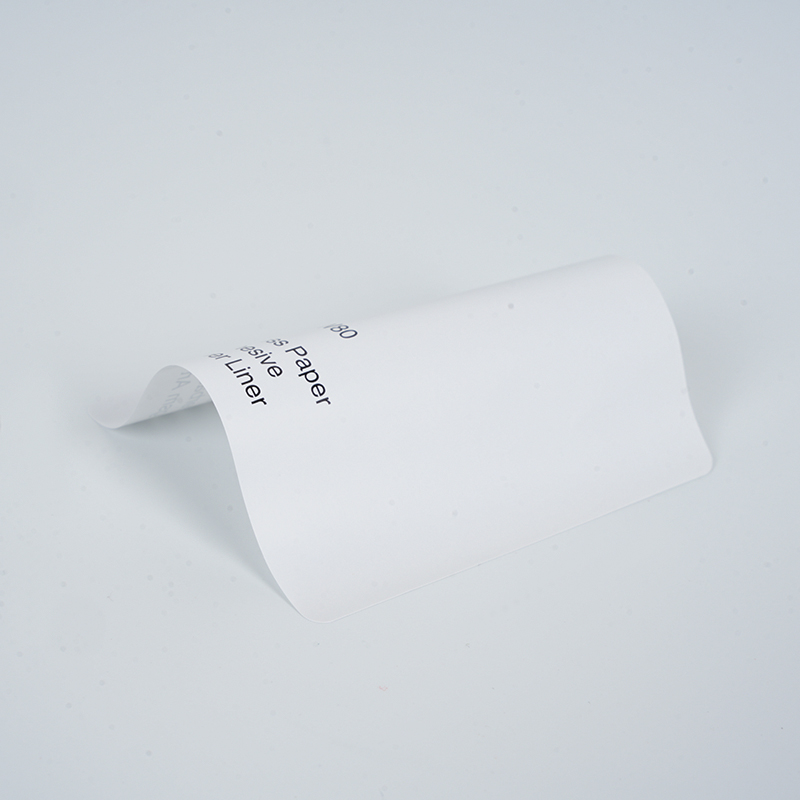
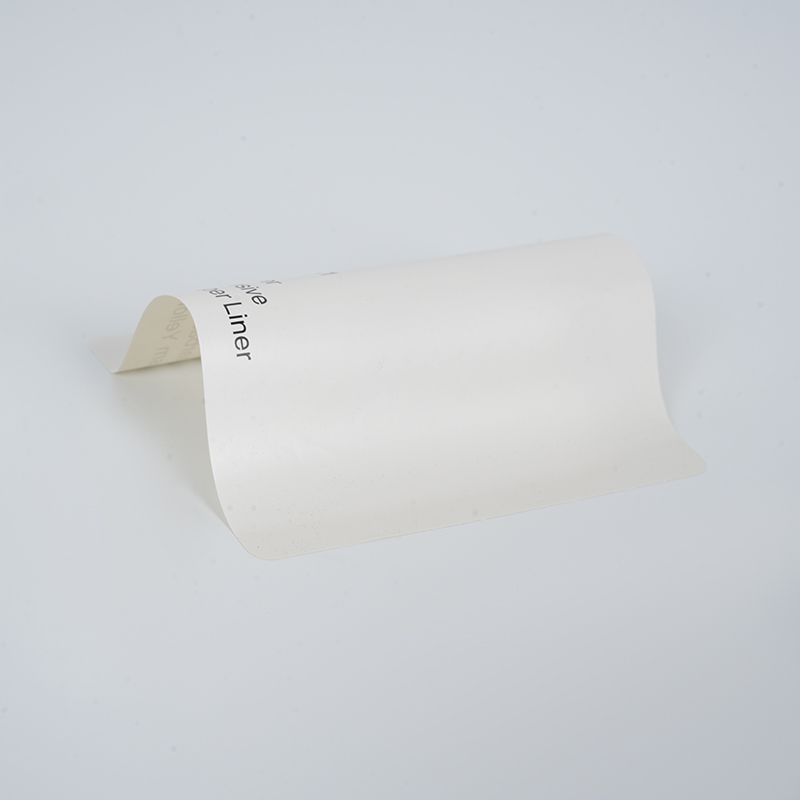
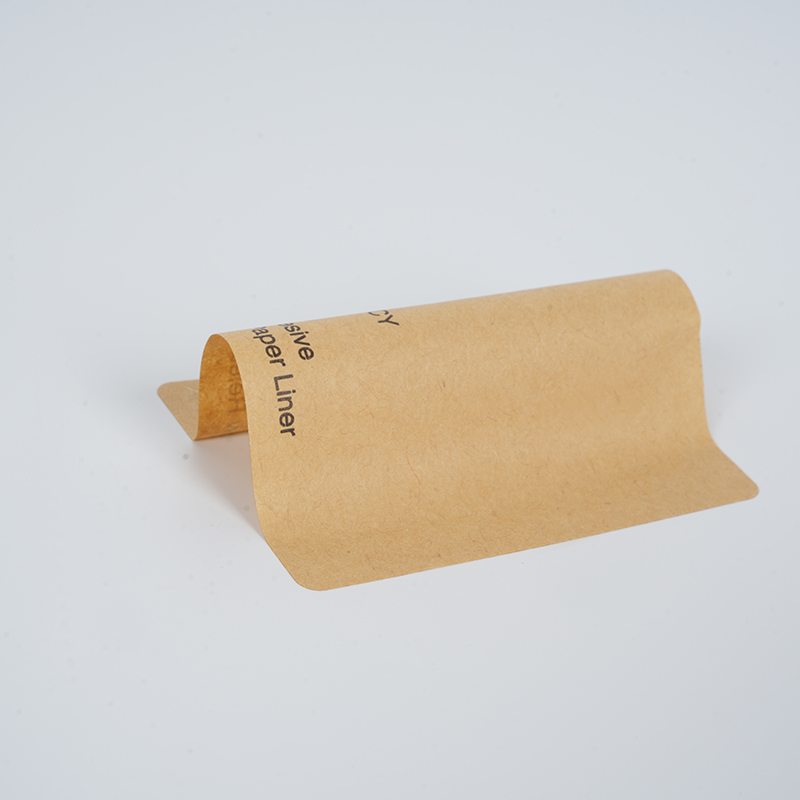
The manufacturing sector continuously seeks materials that combine performance, reliability, and cost efficiency. PET self-adhesive materials have emerged as a cornerstone solution for industries ranging from packaging to labeling to electronics assembly. These versatile films represent a significant evolution in adhesive technology, offering manufacturers unprecedented flexibility in product design and production efficiency.
PET, or polyethylene terephthalate, possesses inherent properties that make it exceptionally suited for self-adhesive applications. The crystalline structure of PET provides mechanical strength, while its surface characteristics allow for optimal adhesive bonding. When combined with advanced adhesive formulations, PET transforms into a material that delivers performance across diverse manufacturing scenarios.
This comprehensive exploration examines the five most compelling advantages that have positioned PET adhesive film as the preferred choice for manufacturing professionals worldwide.
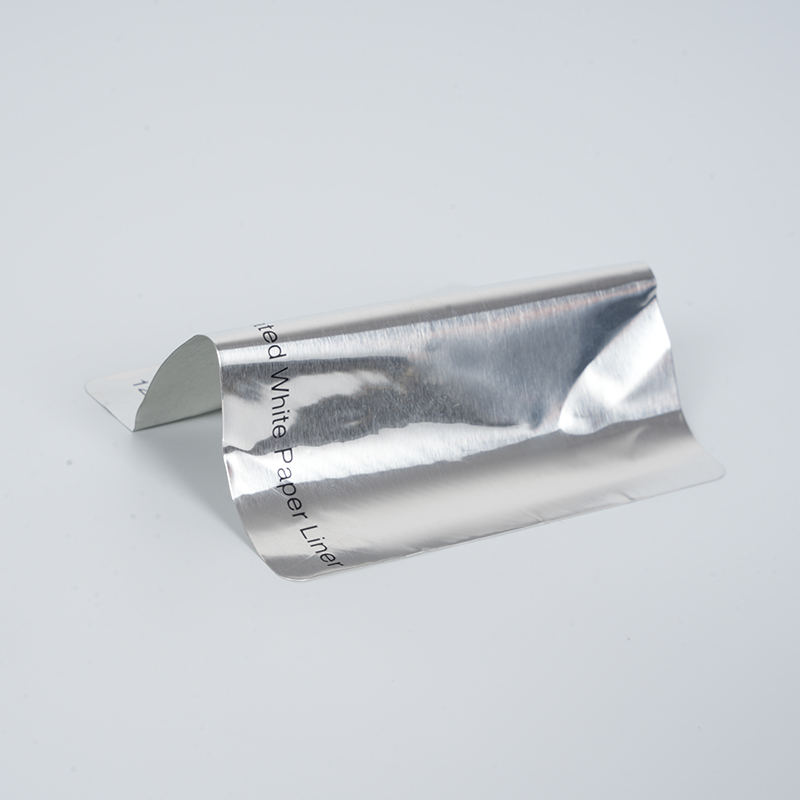
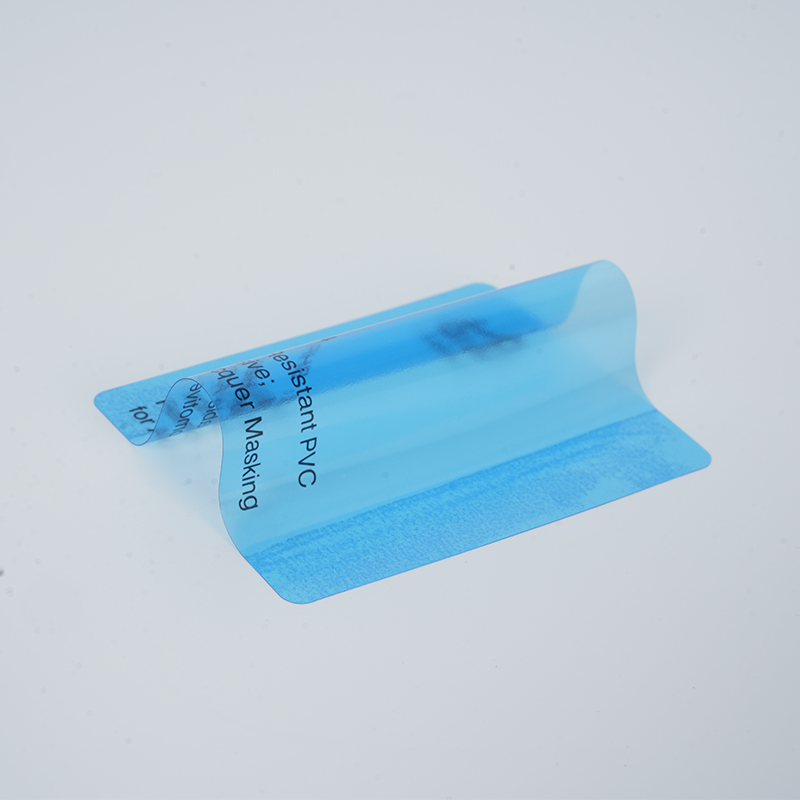
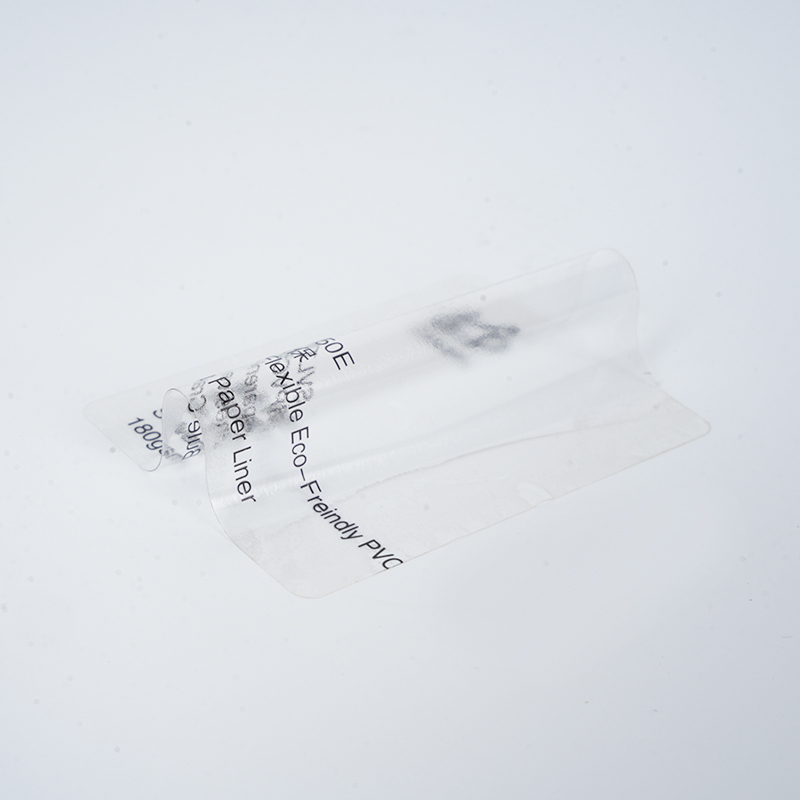
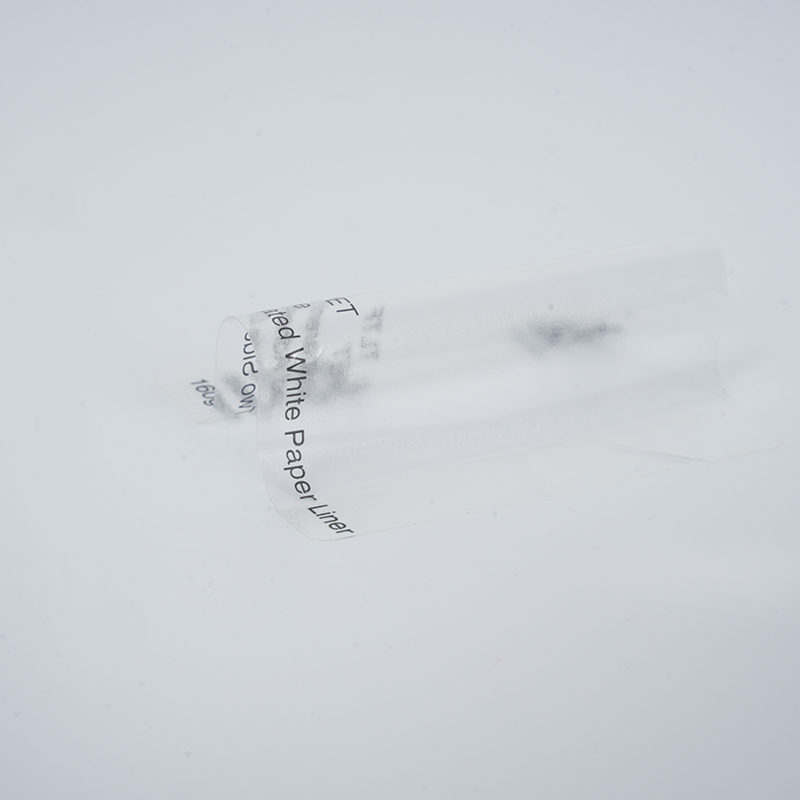
One of the most immediately recognizable advantages of self-adhesive PET film is its exceptional optical clarity. Unlike many alternative materials that exhibit cloudiness or haze, PET maintains transparency that rivals glass in critical applications. This characteristic proves invaluable when manufacturers need to display underlying graphics, product information, or branding elements.
The clarity specification of quality PET films typically achieves light transmittance rates exceeding 90 percent when measured under standard testing conditions. This transparency enables designers to create layered visual effects, combine multiple informational elements, and present products in their most appealing form.
Manufacturing applications benefit significantly from this optical quality:
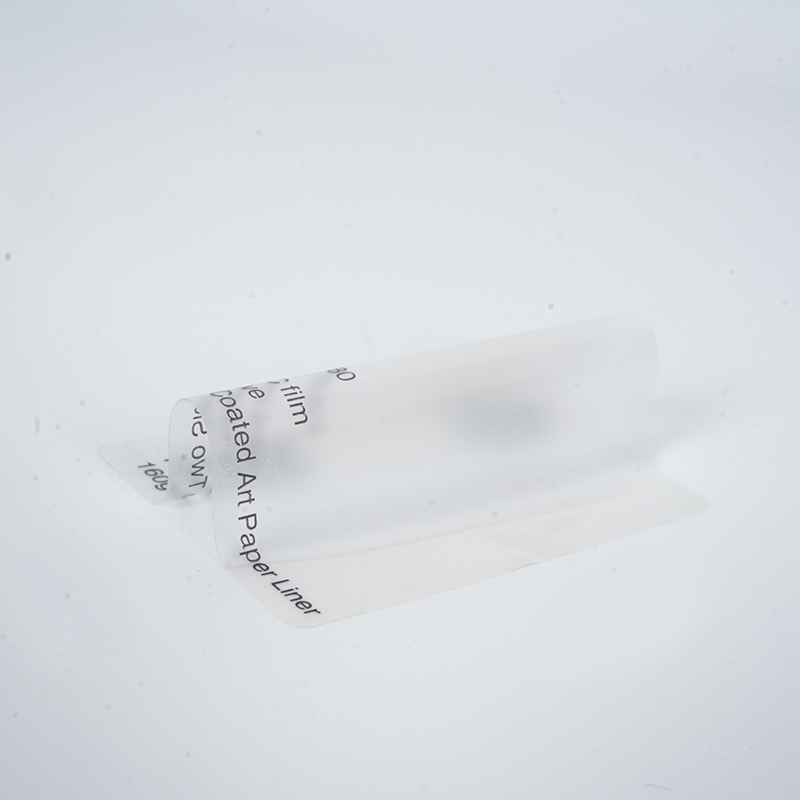
The aesthetic advantage extends beyond mere transparency. PET films can be manufactured with glossy or matte finishes, offering manufacturers choice in surface appearance. This flexibility allows for brand differentiation and enables designers to match specific visual requirements without compromising the material's core performance characteristics.
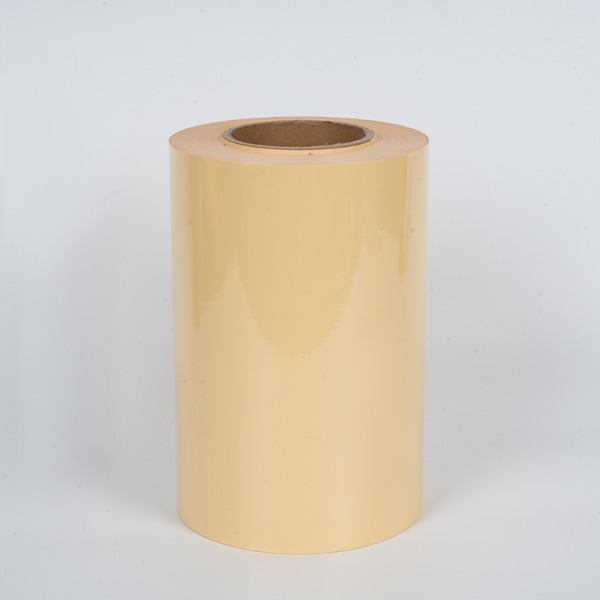
Manufacturing environments frequently expose materials to temperature extremes, chemical exposure, and environmental stress that would compromise inferior materials. Heat resistant PET adhesive film demonstrates remarkable stability across these demanding conditions, making it suitable for applications where other materials would fail.
PET materials maintain structural integrity and adhesive performance across a temperature range typically spanning from -40 degrees Celsius to 80 degrees Celsius, with some specialized formulations extending to higher thresholds. This thermal stability proves critical in applications including:
Beyond temperature resistance, PET exhibits outstanding chemical compatibility. The material resists degradation from common industrial solvents, oils, alcohols, and cleaning agents. This chemical resilience eliminates concerns about adhesive failure when products encounter manufacturing fluids, cleaning protocols, or consumer-applied substances.
Testing data consistently demonstrates that PET adhesive films maintain more than 80 percent of original adhesive strength after extended exposure to elevated temperatures. When compared to materials experiencing significant adhesive degradation under identical conditions, PET's stability becomes immediately apparent. Chemical exposure testing shows similar resilience, with properly formulated PET films resisting over 95 percent of commonly encountered industrial chemicals without performance degradation.
Manufacturers increasingly recognize that the true cost of materials extends far beyond the initial purchase price. Durability fundamentally impacts total cost of ownership, product liability, and brand reputation. PET self-adhesive materials deliver exceptional longevity that justifies their position as a premium choice across manufacturing sectors.
The durability advantage manifests across several critical dimensions:
| Performance Aspect | Expected Lifespan | Key Benefits |
|---|---|---|
| UV Resistance | 3-5 years outdoor exposure | No yellowing or brittleness |
| Adhesive Bond Retention | 5-7 years in normal conditions | Minimal edge lift or peeling |
| Mechanical Properties | 10+ years stable | Consistent tear and flex resistance |
| Environmental Stability | Extended field life | Resistance to moisture and humidity |
The stability of PET films derives from the material's resistance to hydrolysis, a degradation mechanism that compromises many alternative polymers. Water exposure, which presents a serious challenge for some adhesive materials, poses minimal threat to properly formulated PET systems. This characteristic proves particularly valuable in humid environments, coastal applications, or scenarios involving regular moisture exposure.
Product field failures represent significant costs to manufacturers, encompassing warranty replacements, logistics, customer service, and brand reputation damage. PET self-adhesive materials reduce these risks substantially. When labels remain securely attached, protective films maintain integrity, and adhesive bonds persist throughout the product lifecycle, manufacturers benefit from improved reliability metrics and reduced liability exposure.
The pharmaceutical industry requires materials meeting stringent regulatory requirements while providing excellent label adhesion. Consumer electronics manufacturers demand protective films that maintain optical clarity while shielding against damage. Food packaging specialists need adhesive solutions that comply with food contact regulations while delivering reliable performance. Industrial equipment manufacturers require durable labels that withstand harsh operational environments.
PET self-adhesive materials address these divergent requirements through inherent versatility. The material's balanced property profile makes it suitable for applications where other single-use materials would prove inadequate.
This application breadth means manufacturers can standardize on PET self-adhesive materials across multiple product lines and departments. Standardization reduces inventory complexity, streamlines procurement processes, and enables volume purchasing advantages that translate to improved cost efficiency.
Beyond application versatility, PET materials accommodate extensive customization to match specific performance requirements. Thickness variations, adhesive strength options, surface treatments, and specialty formulations enable manufacturers to specify materials precisely matched to their needs rather than selecting from limited off-the-shelf options.
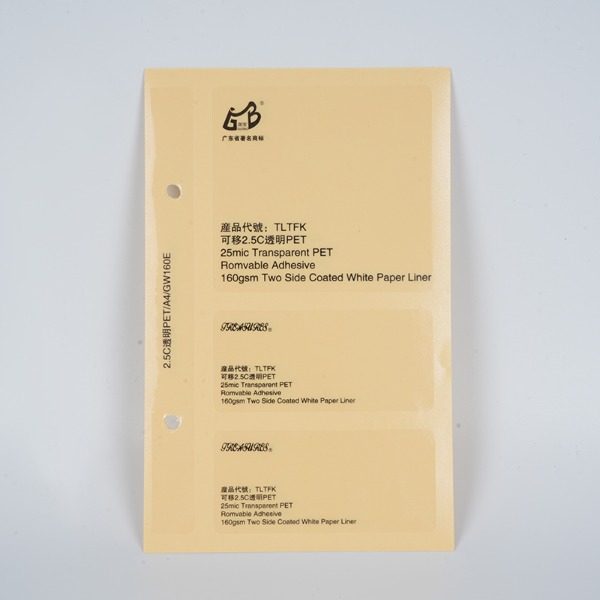
In competitive manufacturing environments, cost considerations influence material selection decisions. However, the most cost-effective choice extends beyond the lowest unit price to encompass total value delivery. PET self-adhesive materials demonstrate compelling economic advantages that justify their position as the preferred choice for value-conscious manufacturers.
The economic advantages manifest through multiple pathways:
Beyond direct cost savings, PET selection delivers broader economic benefits that significantly impact profitability. Equipment compatibility represents a substantial consideration. Many manufacturing facilities already operate equipment optimized for PET processing. Specifying PET materials eliminates expensive equipment modifications, specialized tooling, or operational procedure changes that would accompany alternative material selection.
Supply chain considerations amplify the economic advantage. PET availability exceeds that of many specialty materials, ensuring consistent sourcing and minimizing supply disruption risks. Competitive supplier markets create pricing pressure that benefits purchasing organizations. Established relationships with PET suppliers streamline procurement processes and unlock volume discounts unavailable for niche materials.
Quality consistency reduces inspection requirements and quality assurance costs. When material batches reliably meet specifications with minimal deviation, organizations can reduce sampling rates and inspection intensity. This streamlined quality management reduces labor requirements while maintaining confidence in product performance.
The true economic advantage emerges when considering performance-based total cost calculations. Materials delivering superior durability, reliability, and consistency reduce downstream costs more significantly than incremental savings achieved through material price reduction. Products equipped with PET labels that remain attached throughout shelf life, protective films that maintain integrity during transit, and adhesive applications that function reliably generate customer satisfaction and reduce warranty expenses that would far exceed any per-unit material cost savings.
While PET self-adhesive materials offer substantial advantages, optimal results require thoughtful implementation. Manufacturers should evaluate several critical factors when specifying materials for their applications.
Establishing quality verification protocols ensures consistent material performance. Standard testing procedures should include adhesion strength verification, temperature cycling evaluation, chemical resistance confirmation, and optical property validation. These tests confirm that materials meet specifications and perform as expected in actual manufacturing applications.
Suppliers of quality materials typically provide technical data sheets documenting performance characteristics, application recommendations, and testing methodologies. Leveraging this information during evaluation processes accelerates decision-making and reduces implementation risks.
The self-adhesive materials market continues evolving in response to manufacturing demands and technological advancement. Several emerging trends shape the future landscape of PET adhesive applications.
Sustainability considerations increasingly influence material selection decisions. Manufacturers and consumers alike demonstrate growing preference for materials sourced responsibly and designed for end-of-life recyclability. PET, already established as a recyclable material in many markets, benefits from established recycling infrastructure and consumer familiarity. Future developments will likely emphasize bio-based adhesive formulations and enhanced recyclability features while maintaining performance characteristics.
Advanced adhesive formulations continue expanding performance boundaries. Specialty versions offering enhanced UV resistance, improved temperature tolerance, or specialized substrate compatibility address niche applications previously requiring materials compromises. These innovations extend PET applicability into markets previously served by alternative materials.
Digital printing integration represents another significant trend. As printing technology advances, manufacturers increasingly apply variable data, individualized markings, or complex graphics directly to adhesive films. PET's compatibility with modern printing methods positions it advantageously for these emerging applications.
Supply chain optimization efforts focus on reducing material waste and improving manufacturing efficiency. Advanced coating technologies, precision layer control, and waste reduction initiatives lower production costs while maintaining quality standards. These efficiency gains improve material availability and reduce pricing pressure on end users.
PET self-adhesive materials combine exceptional optical clarity with superior temperature and chemical resistance. Unlike many alternative materials, PET maintains transparency, withstands thermal cycling, resists environmental degradation, and delivers consistent long-term performance. The material's balanced property profile makes it suitable across diverse applications where single-property materials would prove inadequate.
Yes, properly formulated PET self-adhesive films can meet food contact requirements when specified with appropriate adhesive systems and materials. However, manufacturers must verify compliance with relevant food safety regulations in their target markets. Consulting with suppliers regarding food-contact certifications and compliance documentation ensures applications meet regulatory requirements.
Quality PET self-adhesive materials typically maintain secure adhesion for three to five years in outdoor conditions. Performance depends on specific environmental factors including temperature extremes, UV exposure intensity, humidity levels, and substrate characteristics. Specialized UV-resistant formulations can extend outdoor durability. Consulting technical data sheets and conducting field testing on intended applications provides accurate performance predictions.
While PET films perform optimally on smooth surfaces, specially formulated adhesive systems can accommodate moderately textured substrates. Materials with enhanced wetting properties and flexible adhesive layers adapt to surface irregularities better than standard formulations. Testing adhesive performance on actual substrate materials before full production implementation prevents application issues.
PET materials maintain optimal performance when stored in temperature-controlled environments, typically between 15 and 25 degrees Celsius, with relative humidity maintained between 30 and 70 percent. Protection from direct sunlight prevents UV-induced changes to adhesive properties. When storage conditions are controlled properly, PET materials maintain performance characteristics for extended periods, sometimes exceeding two years.
Adhesive strength selection depends on substrate material, expected environmental conditions, and application permanence requirements. Temporary applications require lower adhesive strength to enable removal without damage, while permanent applications require higher adhesive strength to resist environmental stresses. Testing adhesive options on actual substrates and in expected service conditions provides reliable guidance for material selection.
Yes, PET films are widely compatible with conventional manufacturing equipment used for cutting, laminating, printing, and application. The material's processing characteristics match equipment designed for standard film materials. However, verifying compatibility with specific equipment and processes prevents operational issues. Equipment manufacturers and material suppliers can provide compatibility guidance.
Temperature fluctuations and humidity represent the primary environmental factors affecting PET adhesive performance. Extreme temperature cycling can stress adhesive bonds, particularly at the substrate interface. High humidity environments present challenges for some adhesive formulations, though quality PET systems demonstrate excellent humidity resistance. UV exposure affects both PET film and adhesive properties over extended outdoor exposure periods.
The five advantages examined throughout this discussion establish PET self-adhesive materials as the preferred choice for manufacturers prioritizing performance, reliability, and value. Superior optical clarity enables attractive product presentation while maintaining essential functionality. Exceptional temperature and chemical resistance ensure reliable performance across demanding manufacturing environments. Proven durability extends product lifecycle and minimizes warranty failures that damage profitability and brand reputation.
Versatility across diverse applications enables manufacturing standardization, reducing inventory complexity and procurement costs. Economic efficiency through direct cost savings and performance-based total cost advantages justifies the selection of PET materials despite potentially higher per-unit pricing compared to inferior alternatives.
As manufacturing demands continue evolving and competitive pressures intensify, material selection decisions gain strategic importance. PET self-adhesive materials position manufacturers to meet current performance requirements while maintaining flexibility for future application demands. The established supply base, proven manufacturing compatibility, and emerging sustainability features ensure continued relevance as industry trends develop.
Manufacturers seeking to optimize product performance, enhance operational efficiency, and deliver superior customer value should prioritize PET self-adhesive materials when evaluating solutions for labeling, protective film, and adhesive applications. The comprehensive advantages delivered by quality PET systems translate directly into improved profitability, reduced risk, and sustainable competitive positioning in demanding manufacturing markets.
+86-18018686956
+86-021-69171221
No.1218, Huiping Road, Nanxiang Town, Jiading District, Shanghai, China
Copyright © Shanghai Baozhongbao Adhesive Products Co., Ltd. All Rights Reserved. Wholesale Self Adhesive Label Sticker Factory