+86-18018686956
 [email protected]
 Language
 русский
 Español
 عربى
عربى Tiếng Việt

Inquiry
+86-18018686956
[email protected]
Language
Choosing custom self adhesive regular paper comes down to three things: the paper face, the adhesive chemistry, and the surface it needs to stick to. Get any one wrong and labels curl, smear, or fall off the box before it ever reaches a shelf.
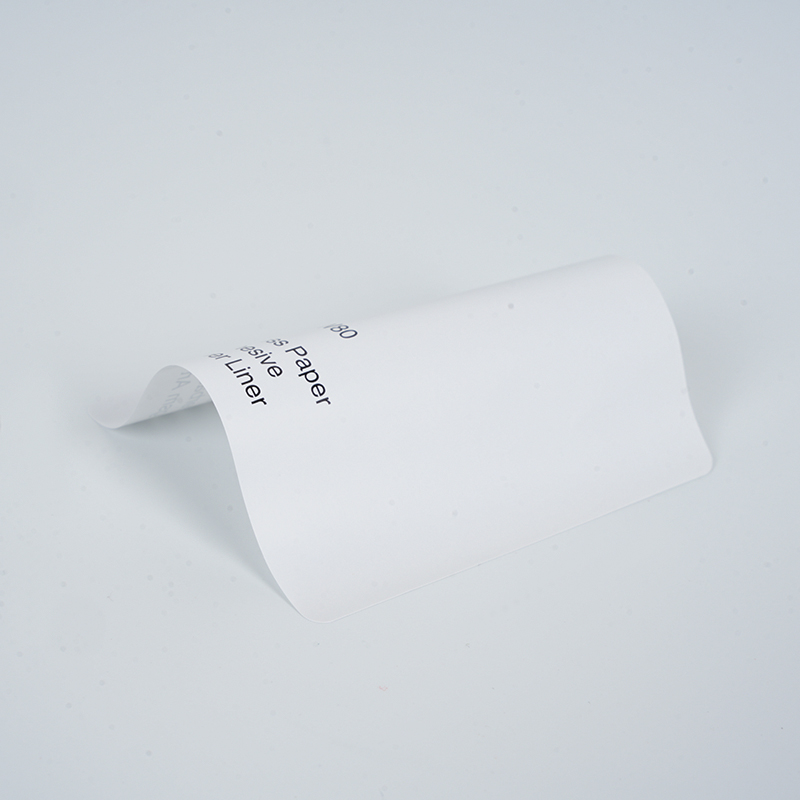
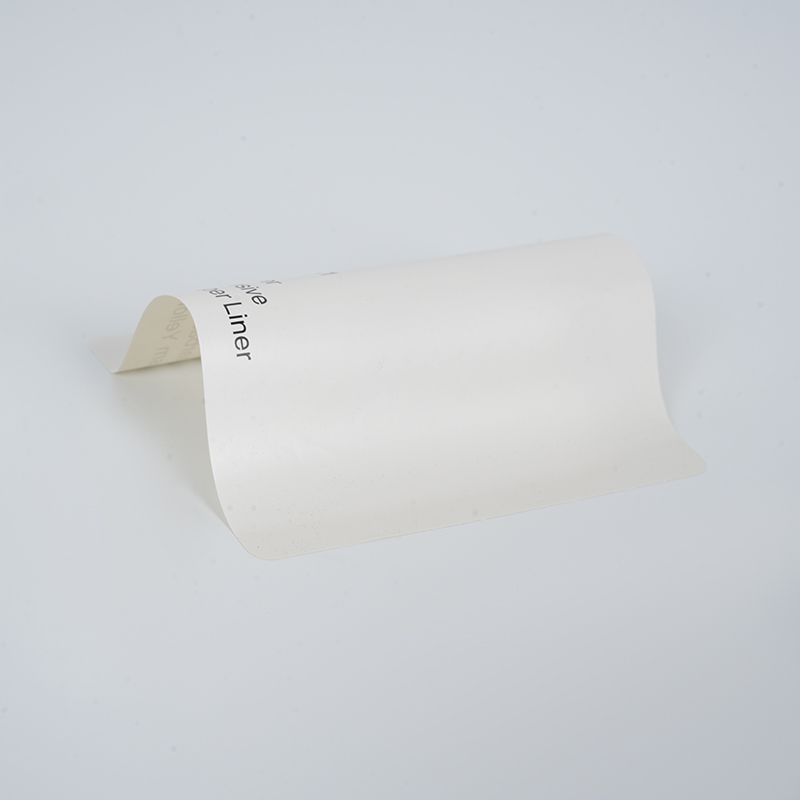
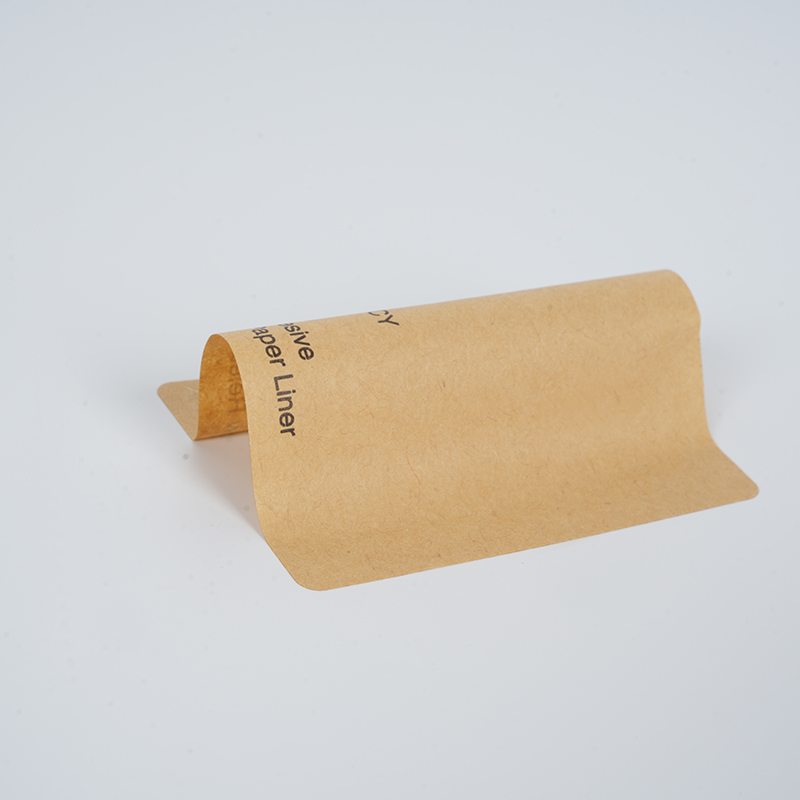
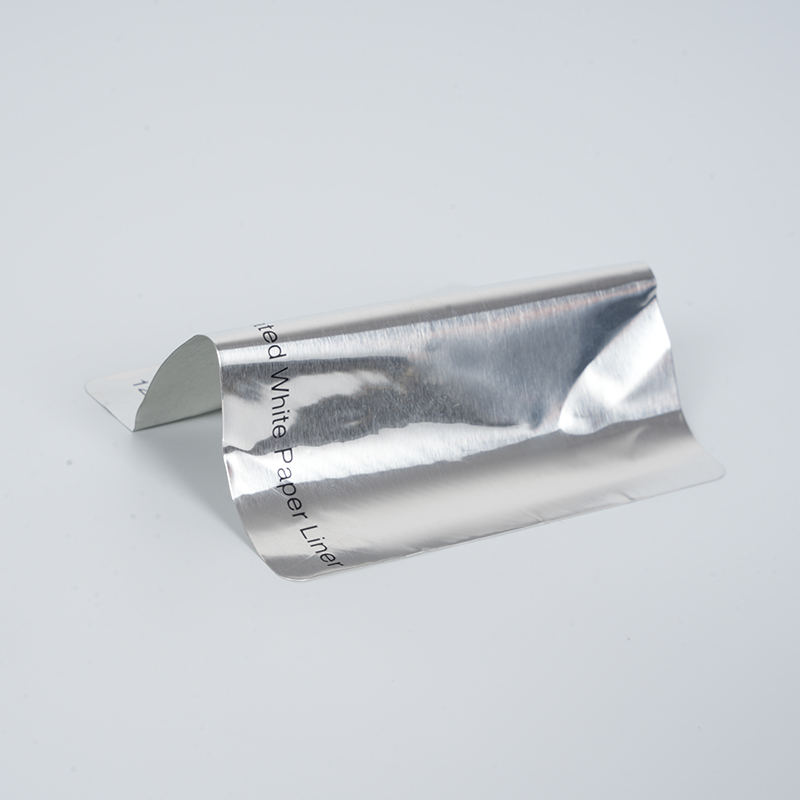
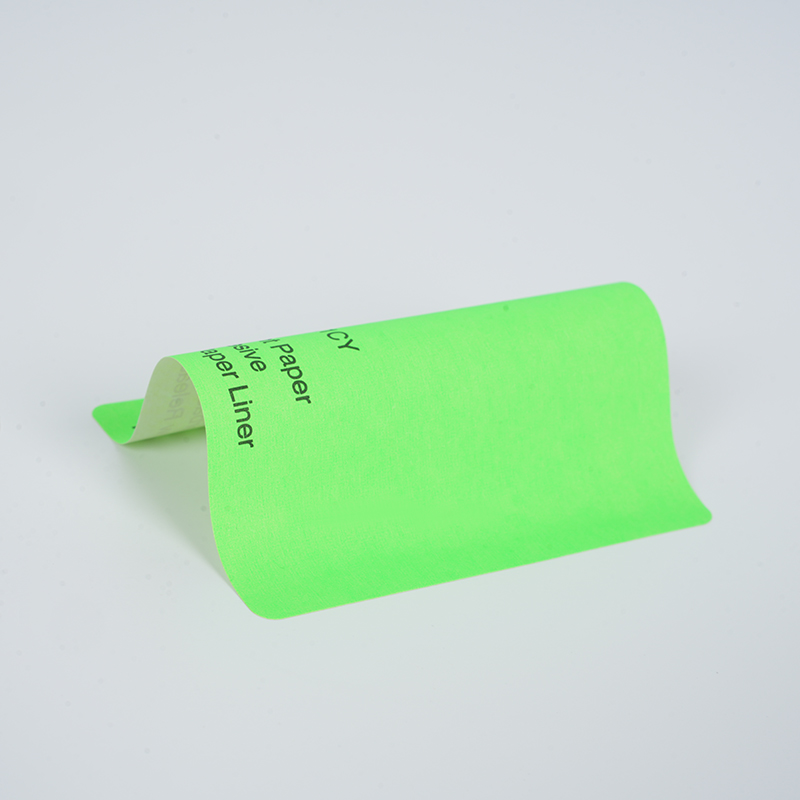
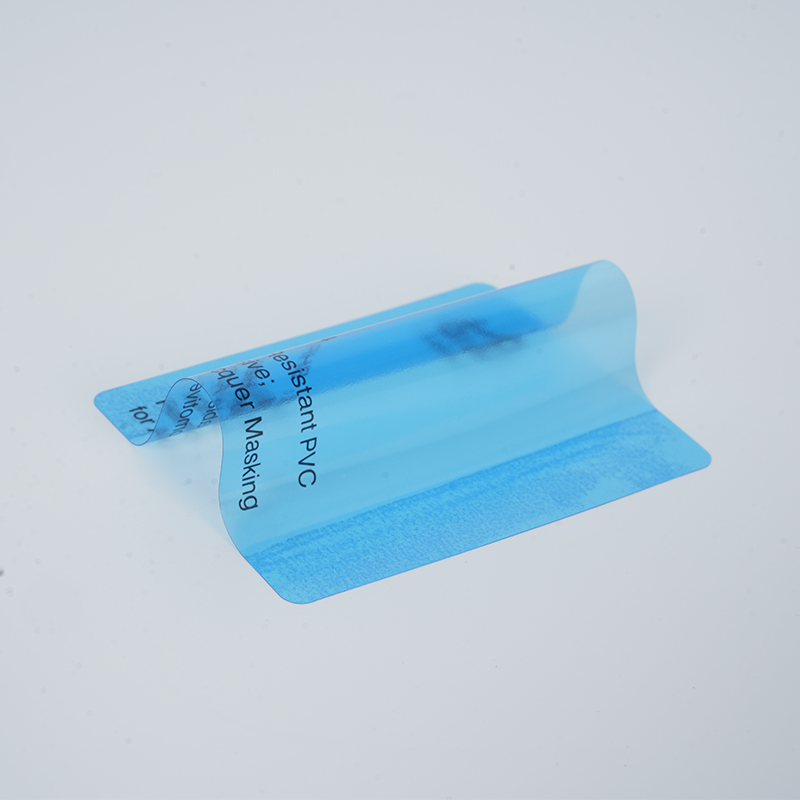
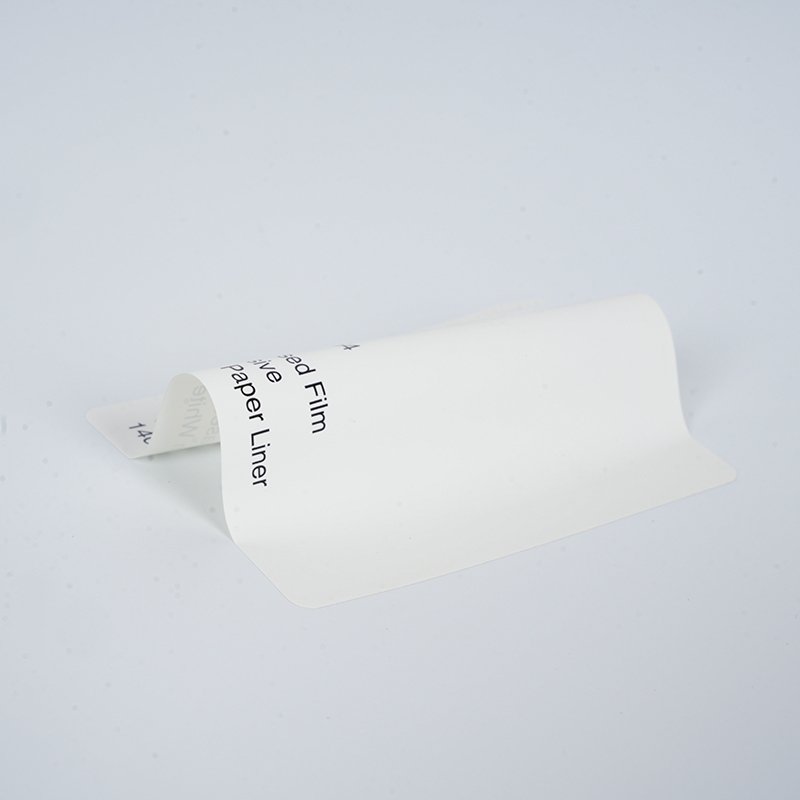
Regular self adhesive paper is a three-layer construction: a printable face stock on top, a pressure-sensitive adhesive coating in the middle, and a silicone release liner underneath that peels away right before application. Peel it, press it, and the adhesive bonds on contact without heat, glue guns, or extra tools.
A self adhesive paper label is defined by its peel-and-stick simplicity - no separate adhesive step, no curing time, just immediate bond on contact.
Most labeling failures trace back to skipping one of these checks during sourcing.
Lighter stock (60-70 GSM) suits high-speed printing and small labels; heavier stock (80-90 GSM) resists tearing on larger shipping labels.
Permanent adhesive for long-term product labels, removable adhesive for temporary promotions, and cold-temperature adhesive for refrigerated packaging.
Cardboard, plastic film, glass, and painted metal each pull different adhesion strength - match tack level to the actual substrate, not a generic default.
The printable face needs to match how the label will actually be produced on your line.
| Factor | Self Adhesive Paper | Traditional Label Stock |
| Installation | Peel and press, no tools | Often needs separate glue or heat |
| Cost per unit | Lower at high volume | Varies by substrate |
| Print compatibility | Wide - thermal, offset, digital | Depends on material |
| Best fit | Packaging, logistics, retail | Specialty or niche substrates |
Once specified correctly, custom self adhesive regular paper covers a wide range of industrial labeling needs.
Suppliers who control coating uniformity and adhesive thickness at the production stage are the ones whose labels still hold after weeks in transit, not just on the first day.
A capable manufacturer should answer these without hesitation.
It is built from a printable paper face, a pressure-sensitive adhesive layer, and a silicone-coated release liner that protects the adhesive until application.
Match the adhesive to the product lifecycle: permanent adhesive for items that stay labeled forever, removable adhesive for short-term promotions, and cold-temperature adhesive for refrigerated or frozen goods.
Yes, most stock is designed for in-house printing using thermal transfer, direct thermal, offset, or inkjet equipment, depending on the face coating selected.
Standard paper stock is best suited for indoor or moderate conditions; for humidity or outdoor exposure, request a moisture-resistant coating or a synthetic film alternative instead.
+86-18018686956
+86-021-69171221
No.1218, Huiping Road, Nanxiang Town, Jiading District, Shanghai, China
Copyright © Shanghai Baozhongbao Adhesive Products Co., Ltd. All Rights Reserved. Wholesale Self Adhesive Label Sticker Factory