+86-18018686956
 [email protected]
 Language
 русский
 Español
 عربى
عربى Tiếng Việt

Inquiry
+86-18018686956
[email protected]
Language
Choosing the right self-adhesive film materials is one of the most consequential decisions in industrial sourcing, directly affecting bonding reliability, surface protection, and long-term production cost. This guide breaks down the technical factors, performance benchmarks, and selection criteria that separate a durable film solution from one that fails under real operating conditions.
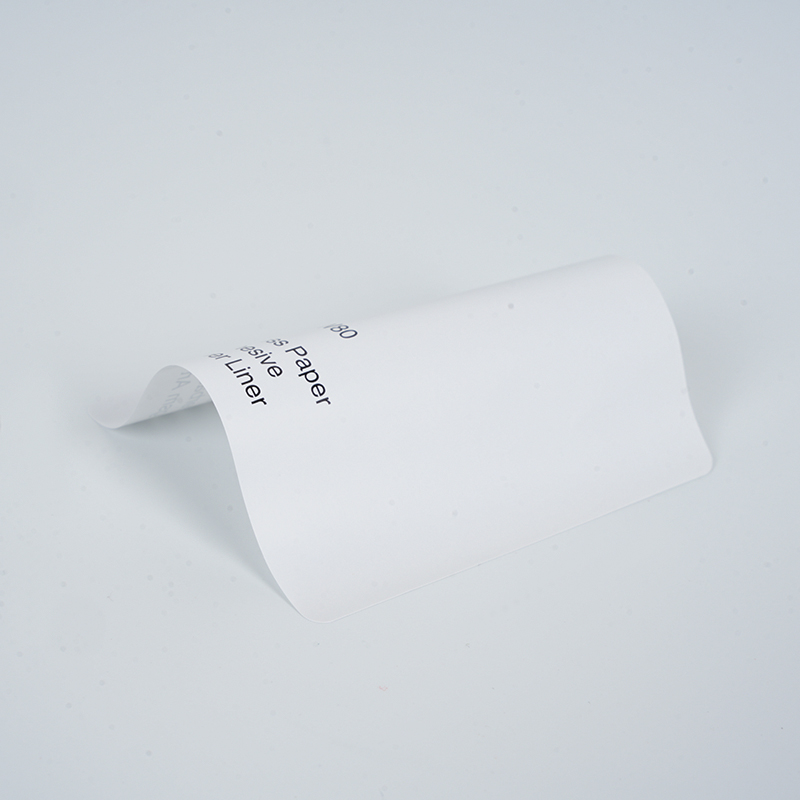
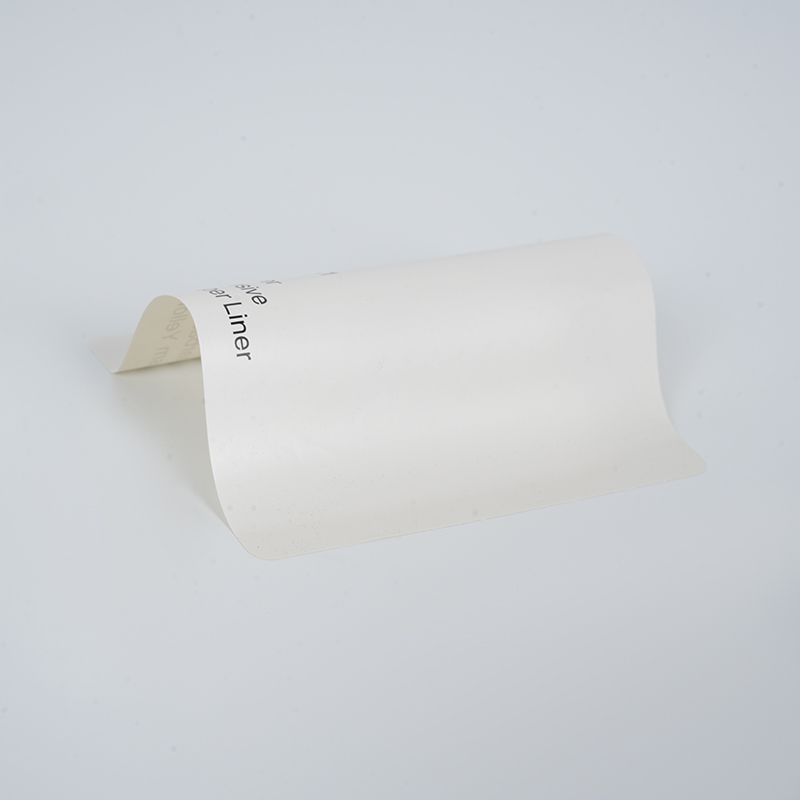
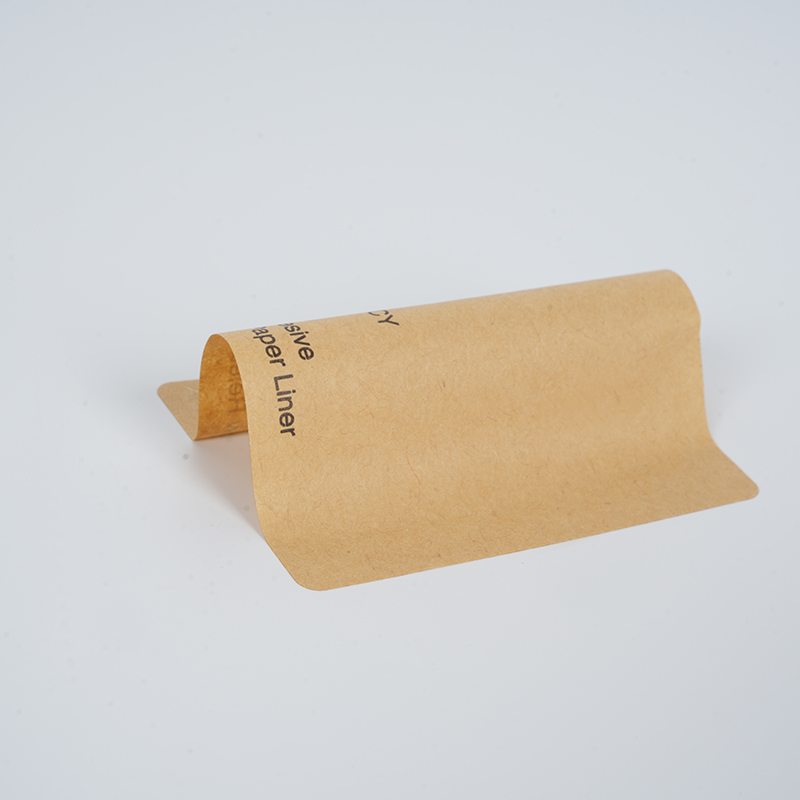
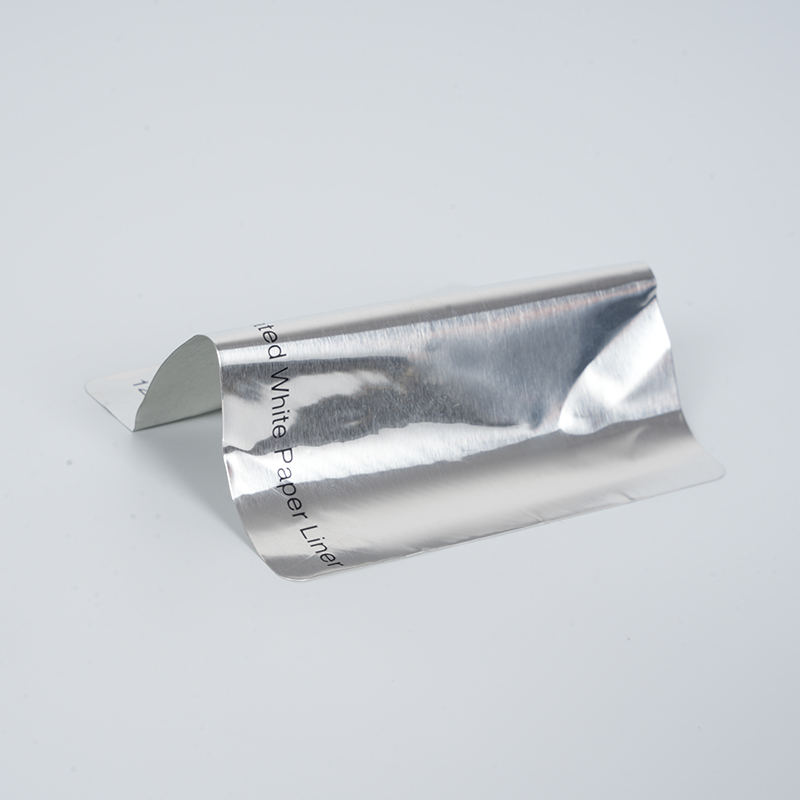
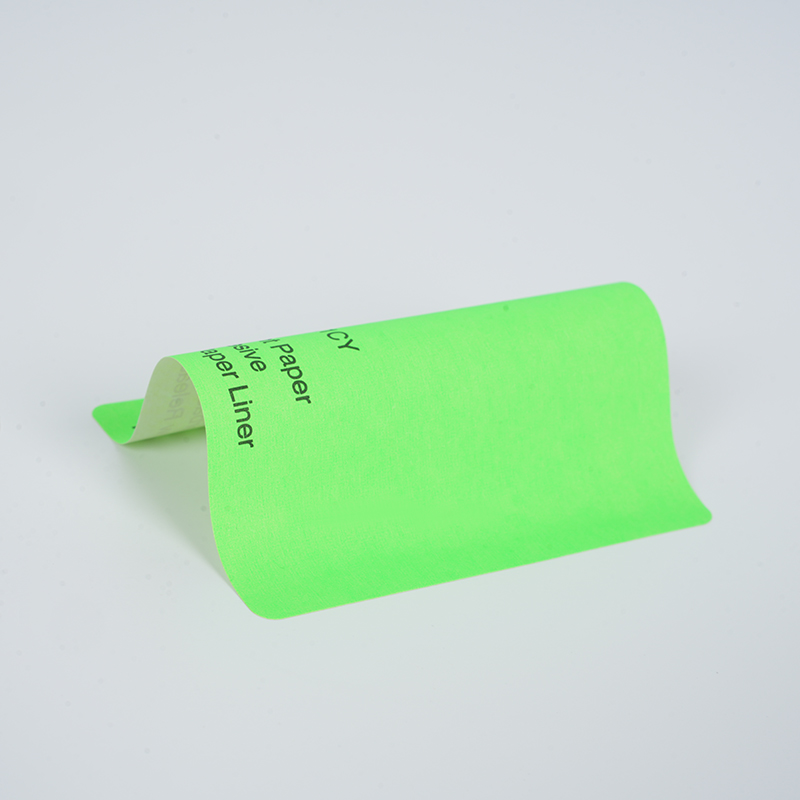
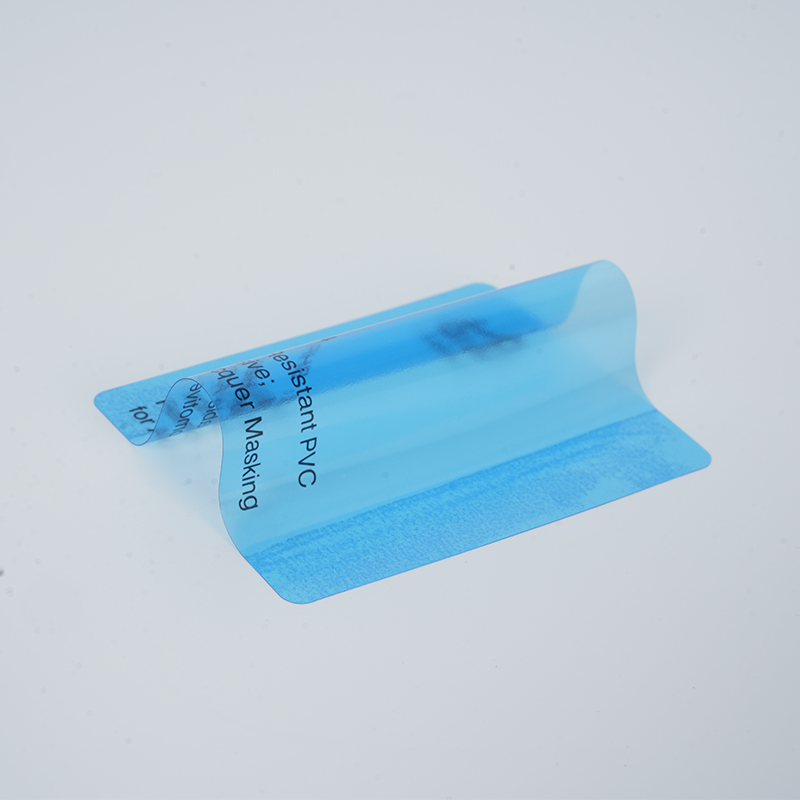
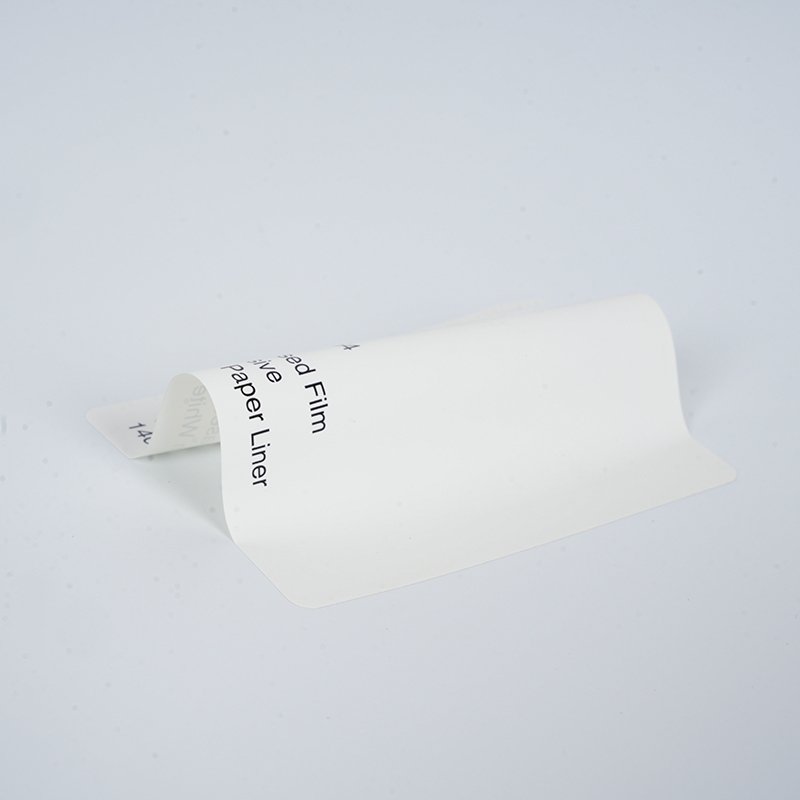
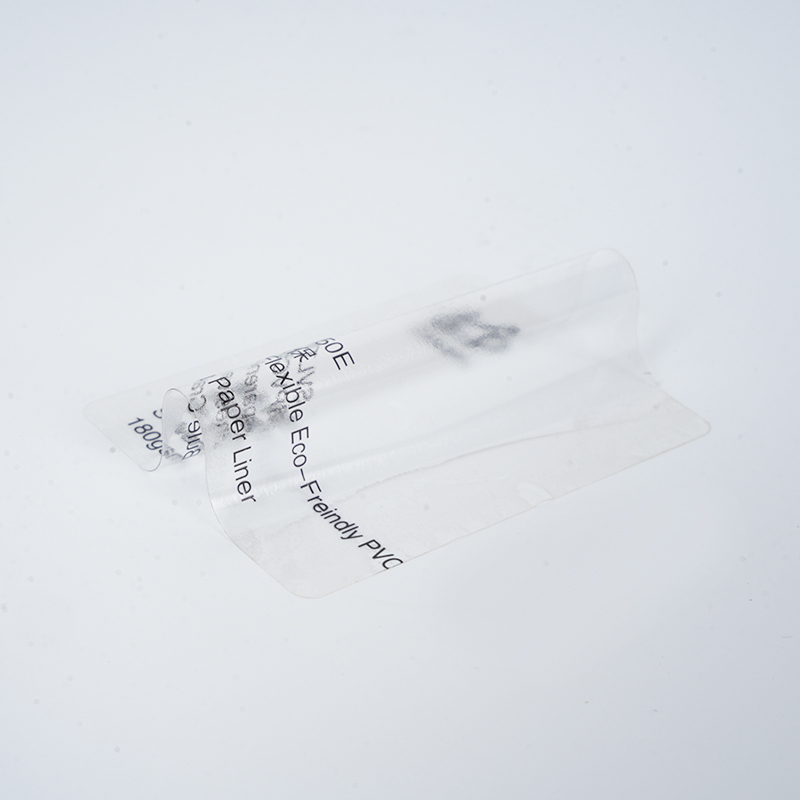
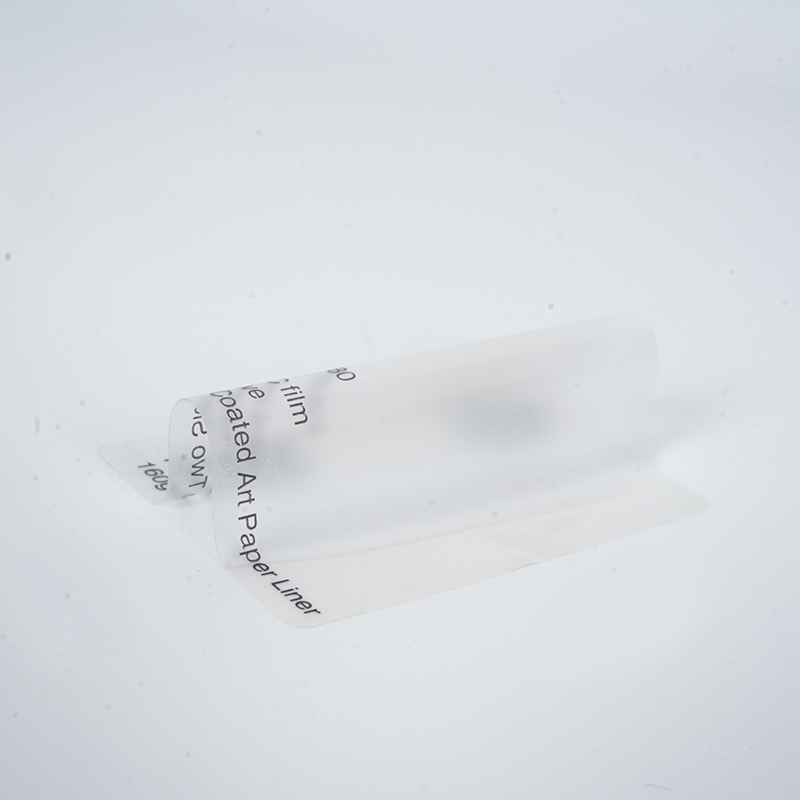
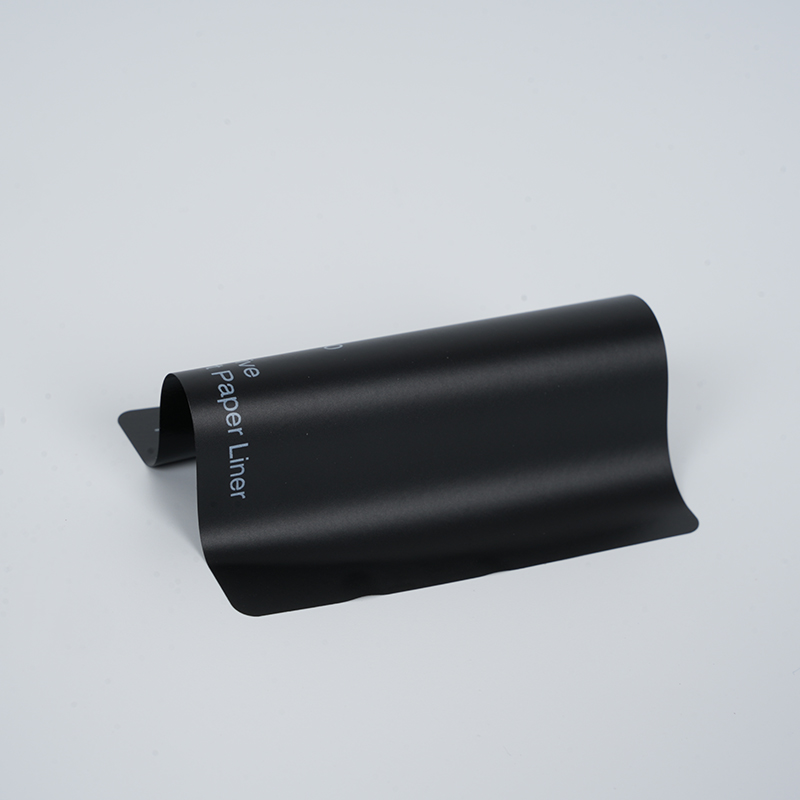
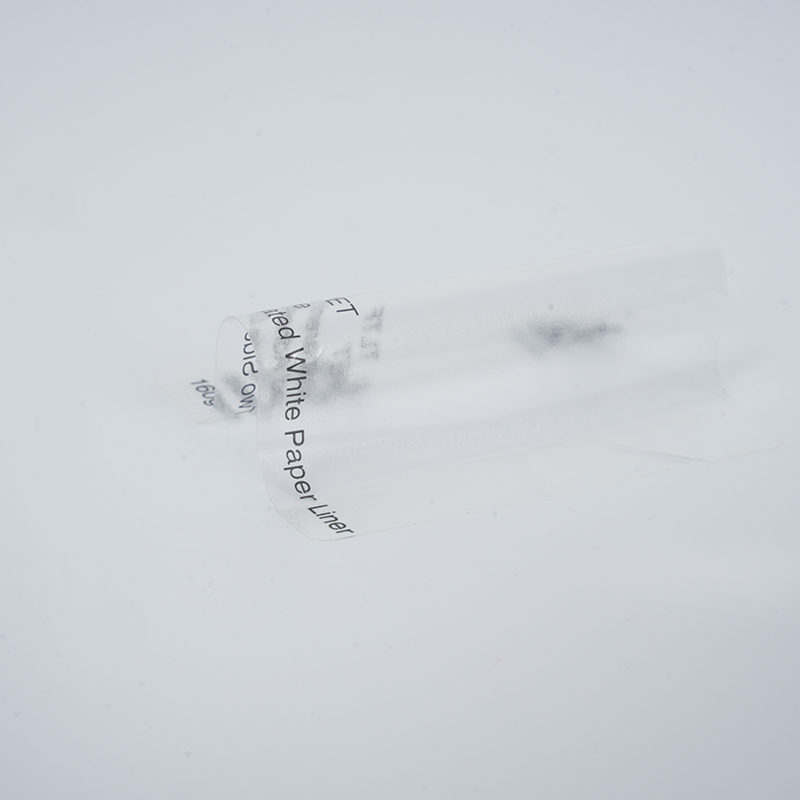
Self-adhesive film materials are polymer-based products built from a surface film layer, a pressure-sensitive adhesive coating, and a release liner, engineered to bond directly to a target surface without liquid adhesives or curing equipment. Common base films include PVC, PET, PE, PP, and BOPP, each selected for a specific balance of flexibility, clarity, and chemical resistance.
Definition: A self-adhesive film is an integrated film-and-adhesive system that delivers bonding, surface protection, and decoration in a single application step, replacing separate adhesive coating and lamination processes.
The base film provides structural support, the pressure-sensitive adhesive layer generates tack on contact, and the release liner keeps the adhesive clean until the moment of application. Once the liner is removed, light pressure activates permanent bonding, which is why self-adhesive film materials are prized for fast-line manufacturing environments.
Not every film performs the same across applications, so buyers should weigh the following advantages against their specific production requirements.
Comparing self-adhesive film materials against traditional liquid adhesives clarifies why manufacturers are shifting toward integrated film systems.
Integrated film-and-adhesive structure with stable, repeatable bonding performance and built-in surface protection.
Requires separate adhesive application, additional preparation steps, and performance that varies with technician skill.
Selecting the correct film requires a structured evaluation process rather than a single spec sheet comparison.
Identify the target surface, environmental exposure, required adhesion level, and expected usage duration.
Compare peel strength, tensile strength, temperature resistance, and UV durability against operating conditions.
Review film material, thickness, adhesive type, release liner quality, and operating temperature range.
Confirm coating technology, quality inspection systems, and customization capacity before committing to volume orders.
| Parameter | Why It Matters |
| Film thickness | Affects flexibility, durability, and application to curved surfaces |
| Adhesive strength | Determines bonding reliability under stress or vibration |
| Temperature resistance | Critical for outdoor or industrial thermal environments |
| UV resistance | Prevents discoloration and adhesive degradation over time |
| Release liner quality | Impacts contamination risk before application |
An experienced self-adhesive film manufacturer will provide test data on peel strength, holding power, and aging resistance rather than relying solely on marketing claims — always request this documentation before large-scale procurement.
Self-adhesive film materials serve electronics manufacturing as insulation and display protection, automotive production as interior decoration and assembly masking, packaging as labels and sealing solutions, construction as decorative and window films, and industrial equipment as protective and identification layers.
Lifespan depends on the film material and adhesive type, but industrial-grade films are engineered to resist UV exposure, moisture, and temperature fluctuation for extended outdoor or production-line use.
Yes, flexible film structures such as PVC and PE are specifically designed to conform to curved or irregular surfaces without cracking or lifting.
Adhesive strength depends on the pressure-sensitive formulation, surface energy of the substrate, and application pressure, which is why suppliers test peel strength across multiple material types.
Yes, thickness, adhesive strength, color, printing, and surface texture can all be customized to match specific OEM production requirements.
+86-18018686956
+86-021-69171221
No.1218, Huiping Road, Nanxiang Town, Jiading District, Shanghai, China
Copyright © Shanghai Baozhongbao Adhesive Products Co., Ltd. All Rights Reserved. Wholesale Self Adhesive Label Sticker Factory