+86-18018686956
 [email protected]
 Language
 русский
 Español
 عربى
عربى Tiếng Việt

Inquiry
+86-18018686956
[email protected]
Language
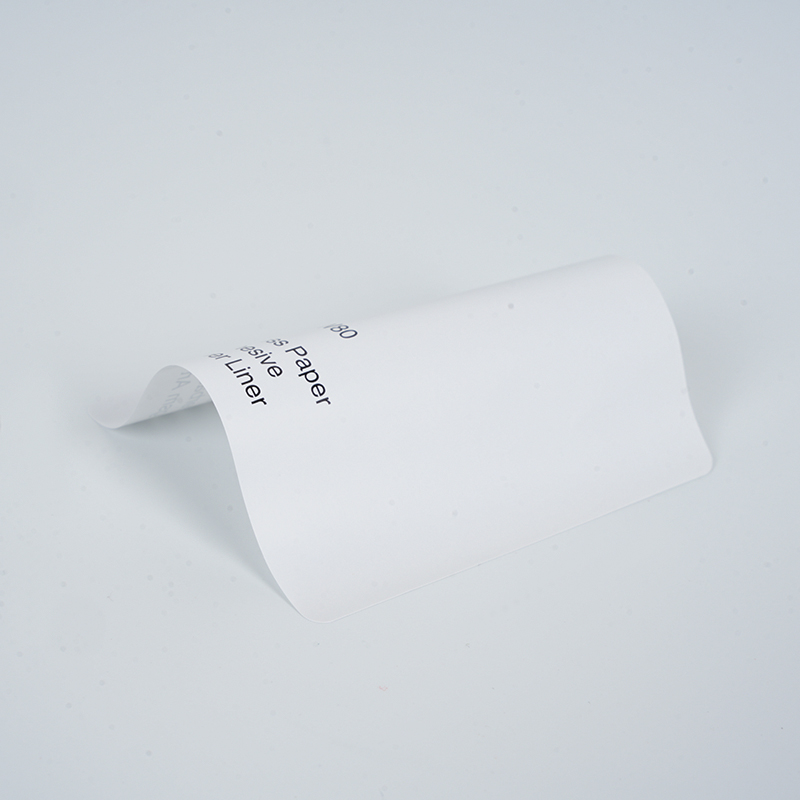
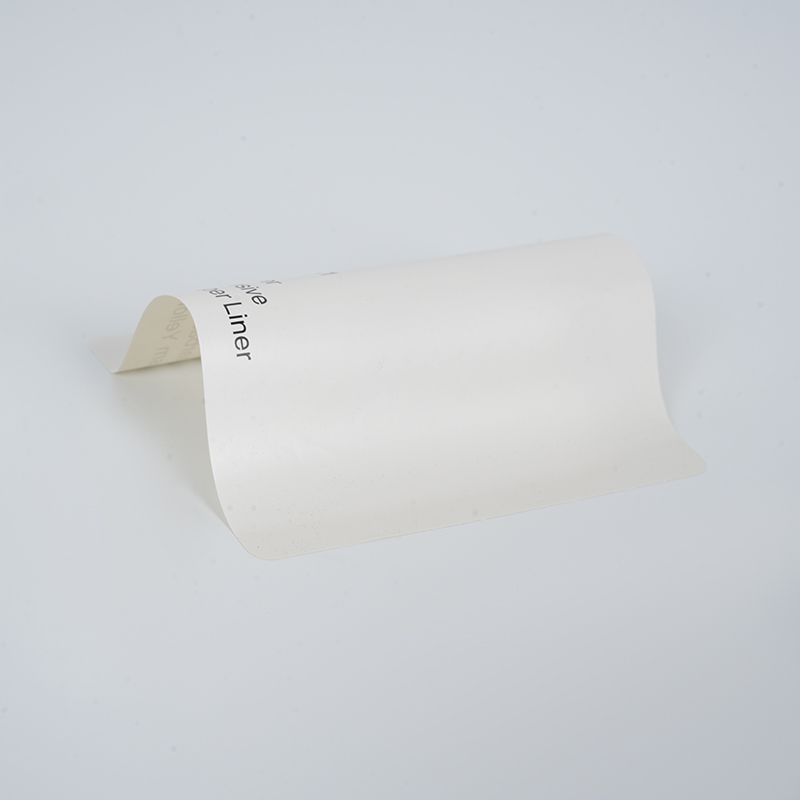
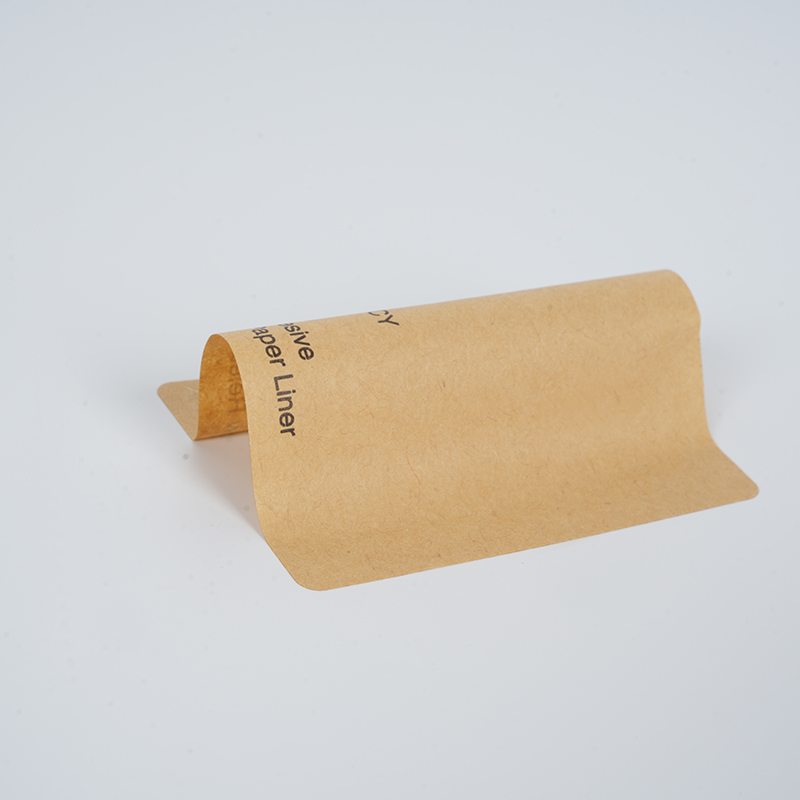
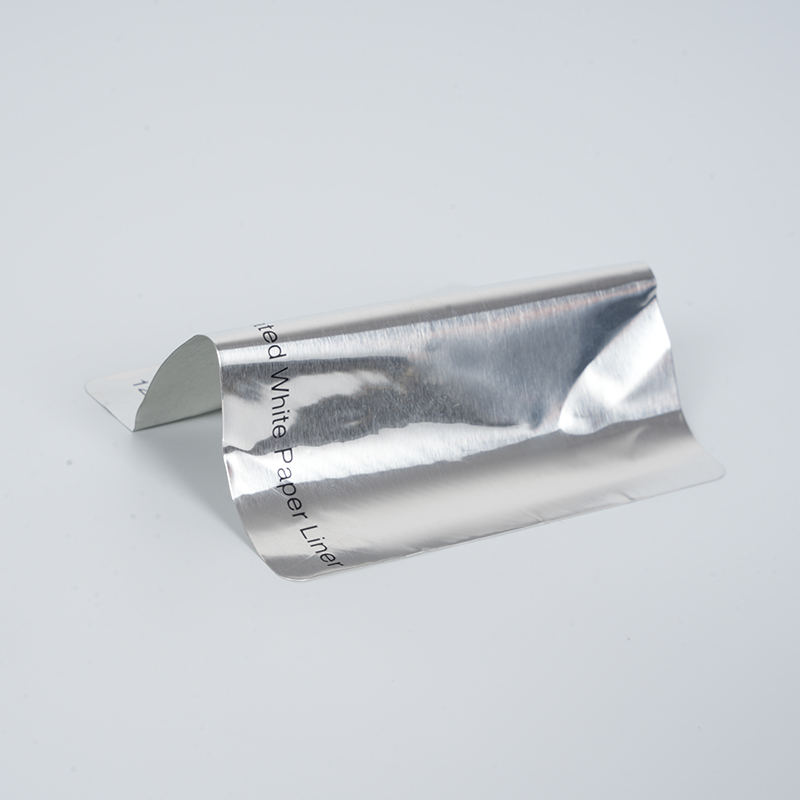
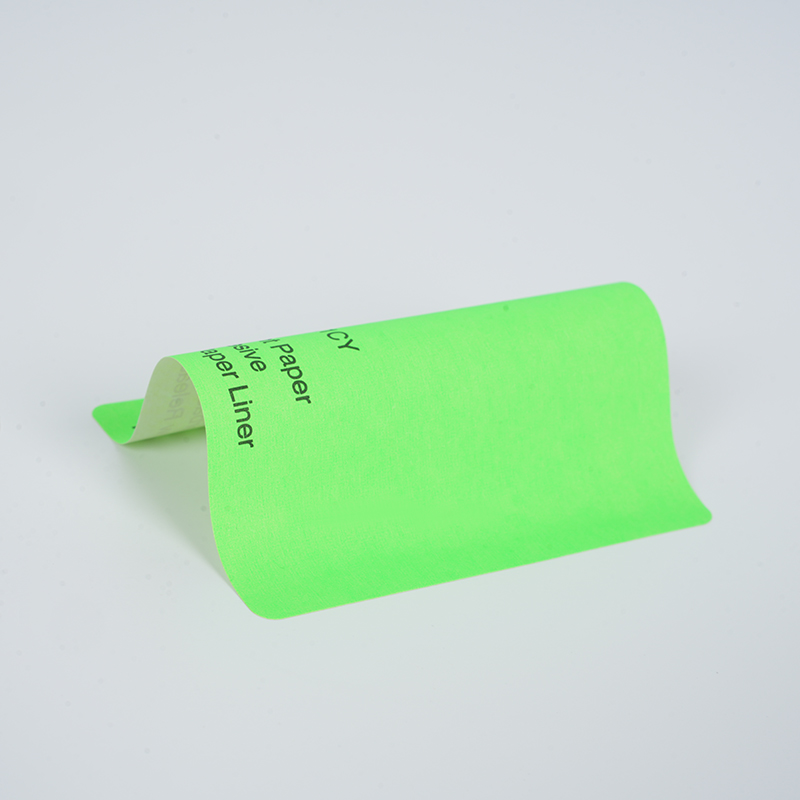
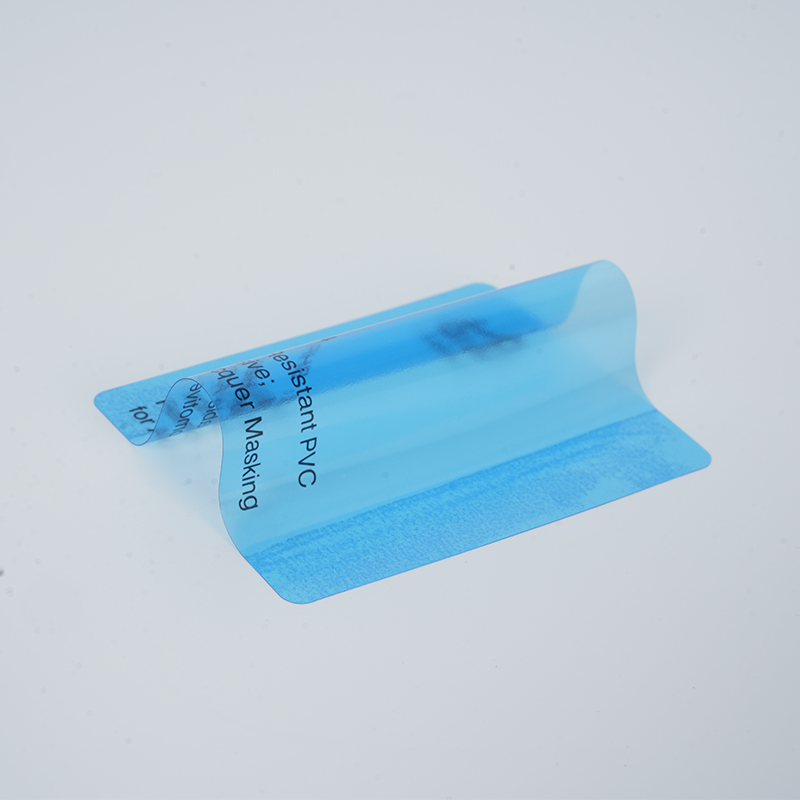
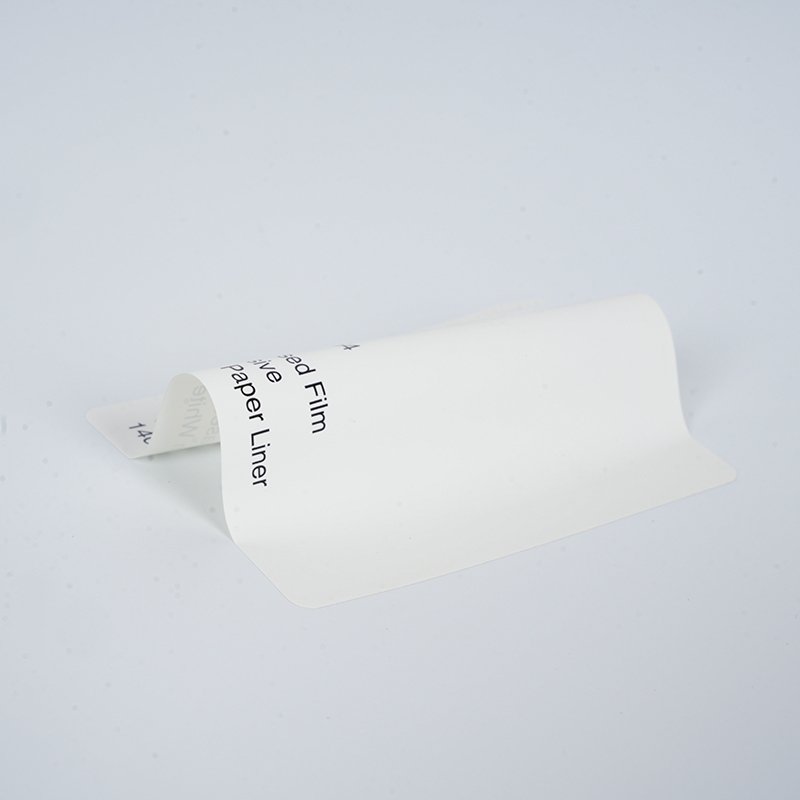
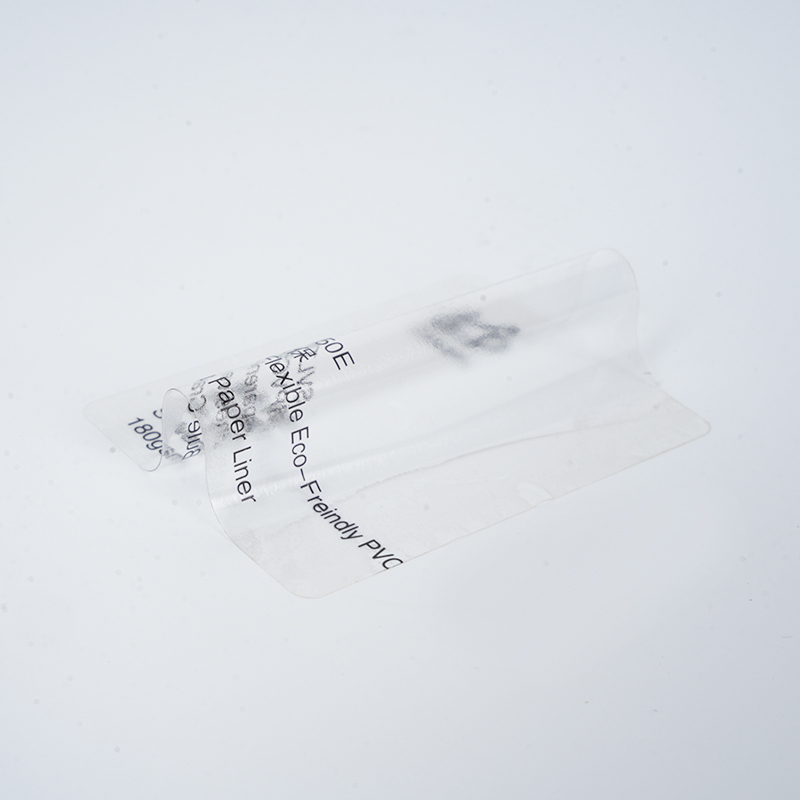
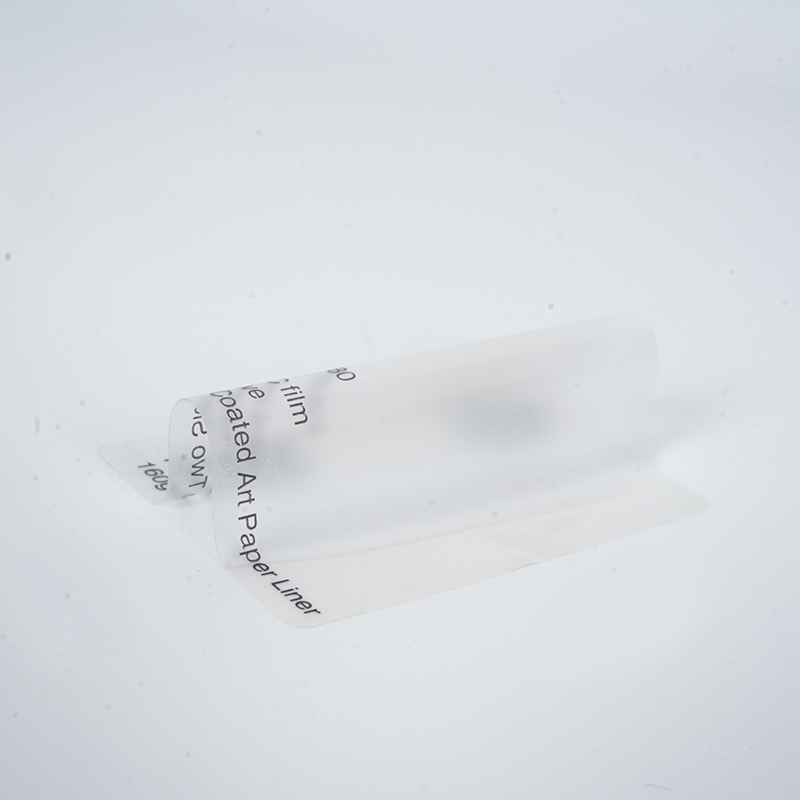
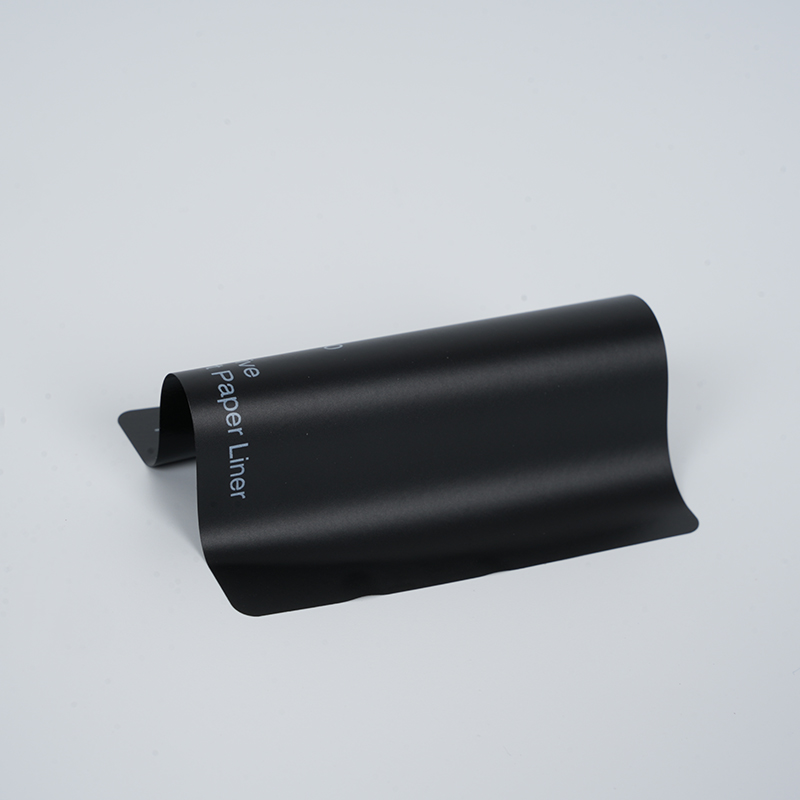
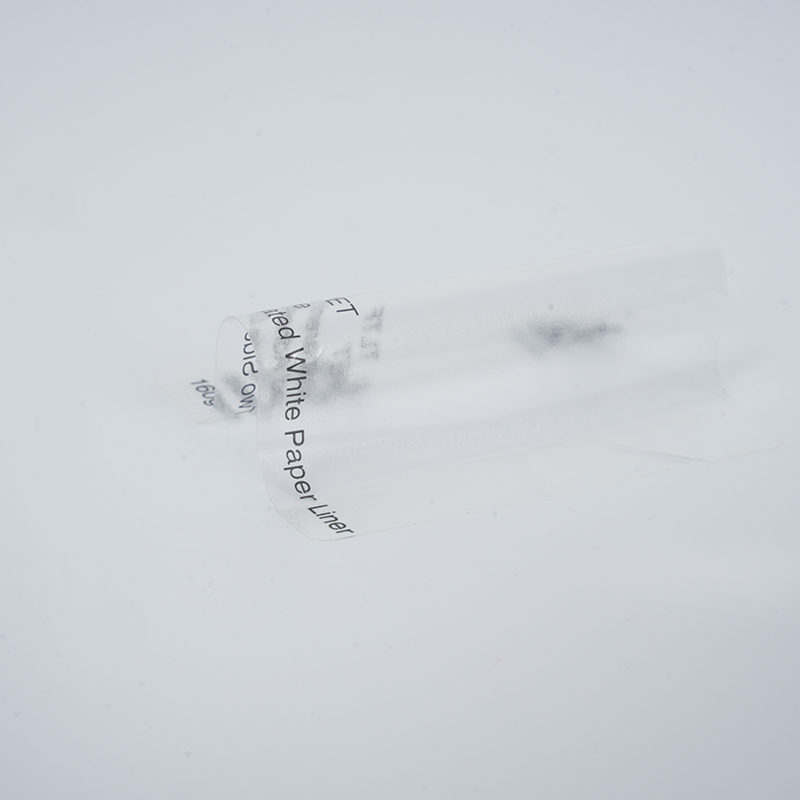
Self-adhesive paper materials are multilayer label materials that combine a printable surface, adhesive layer, and release liner. They are widely used for packaging labels, logistics labels, product identification, promotional stickers, and industrial marking applications.
Unlike conventional paper that requires glue during application, self-adhesive paper materials are designed for direct use. Their convenience, printability, and compatibility with different surfaces make them one of the commonly used labeling solutions across many industries.
A professional self-adhesive paper materials manufacturer typically offers various combinations of facestock, adhesive systems, and liners to meet specific performance requirements.
Most self-adhesive paper materials consist of three functional layers.
| Layer | Function |
|---|---|
| Facestock | Printable surface carrying graphics and information. |
| Adhesive Layer | Provides bonding strength to different substrates. |
| Release Liner | Protects the adhesive before application. |
The performance of the entire material depends on the interaction of these three layers. Selecting the proper combination helps ensure good printing quality and reliable adhesion.
Different facestock materials offer varying appearances and performance characteristics.
Coated paper provides a smooth surface and print quality. It is suitable for retail labels, packaging labels, and barcode applications.
Thermal paper reacts to heat without requiring ink or ribbons. It is commonly used for shipping labels, receipts, and logistics tracking.
Cast-coated paper features a glossy finish and high image clarity, making it suitable for decorative labels and premium packaging.
Textured papers provide unique visual and tactile effects, enhancing the appearance of specialty labels and gift packaging.
The adhesive layer determines how firmly a label bonds to a surface and whether it can be removed after use.
| Adhesive Type | Characteristics | Typical Uses |
|---|---|---|
| Permanent Adhesive | Strong and durable bonding | Product labels and industrial labels |
| Removable Adhesive | Easy removal with minimal residue | Promotional stickers and temporary labels |
| Freezer Adhesive | Performs under low temperatures | Cold-chain packaging |
| High-Tack Adhesive | Enhanced bonding strength | Rough or difficult surfaces |
Self-adhesive paper materials are used wherever information, identification, or branding needs to be attached quickly and reliably.
Selecting the proper material involves evaluating both environmental conditions and printing requirements.
Smooth, curved, rough, or low-energy surfaces may require different adhesive formulations.
Humidity, temperature, sunlight, and chemical exposure can affect label performance over time.
Inkjet, thermal transfer, offset printing, and flexographic printing may require different surface treatments.
Some applications require permanent adhesion, while others benefit from repositionable or removable labels.
When comparing products from a self-adhesive paper materials manufacturer, pay attention to the following properties:
A specialized manufacturer can provide customized material combinations for different applications and operating conditions.
Choosing the right material combination is often more important than selecting a single paper type. Understanding the relationship between facestock, adhesive, and liner helps users achieve better label performance and long-term reliability.
Many paper-based facestocks are recyclable, although recyclability also depends on the adhesive and release liner materials used.
Certain grades offer improved moisture resistance and are suitable for refrigerated or humid environments.
Common options include flexographic printing, offset printing, thermal transfer printing, and digital printing.
Service life depends on environmental exposure, adhesive type, and material construction. Properly selected materials can provide long-term performance.
The adhesive determines bonding strength, removability, and performance under different temperatures and surface conditions.
+86-18018686956
+86-021-69171221
No.1218, Huiping Road, Nanxiang Town, Jiading District, Shanghai, China
Copyright © Shanghai Baozhongbao Adhesive Products Co., Ltd. All Rights Reserved. Wholesale Self Adhesive Label Sticker Factory