+86-18018686956
 [email protected]
 Language
 русский
 Español
 عربى
عربى Tiếng Việt

Inquiry
+86-18018686956
[email protected]
Language
Selecting the correct self adhesive labeling material is not a matter of preference—it is a matter of performance. Paper facestocks account for approximately 70% of global label volume due to their cost‑effectiveness and printability, while film‑based materials are the fastest‑growing segment, driven by their superior resistance to moisture, chemicals, and extreme temperatures. The material choice directly determines adhesion longevity, environmental resilience, and application success—getting it wrong can cost up to 5× the label price in rework and waste.
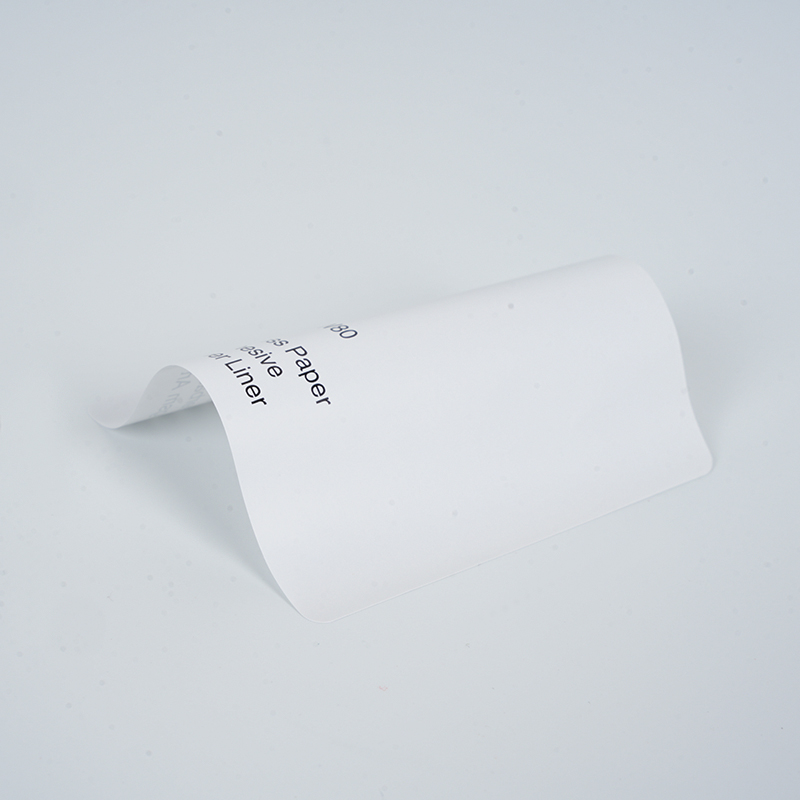
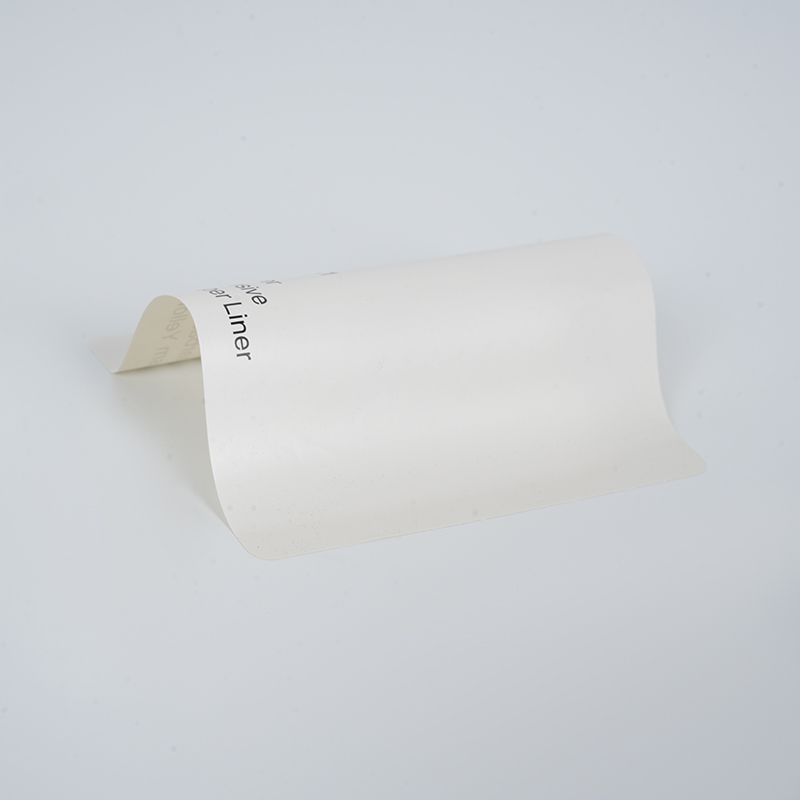
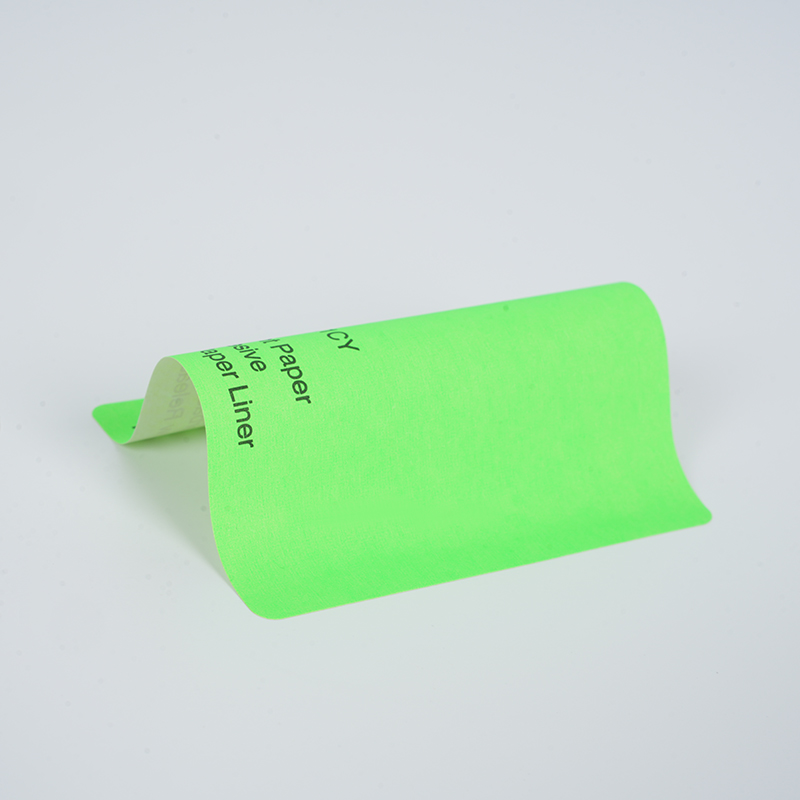
Paper remains the most widely used facestock globally, valued for its low cost, excellent printability, and natural aesthetic. However, not all papers are equal; each subtype serves distinct purposes.
A clay or polymer coating produces a smooth, highly receptive printing surface. Gloss coated paper delivers high color vibrancy, making it ideal for food packaging, cosmetics, and retail shelf labels. Matte coated paper offers a softer, premium appearance often used for wine labels and artisan goods. Coated papers typically achieve a surface smoothness of 50–100 Sheffield units, compared to 150–200 for uncoated grades, resulting in sharper text and finer halftones.
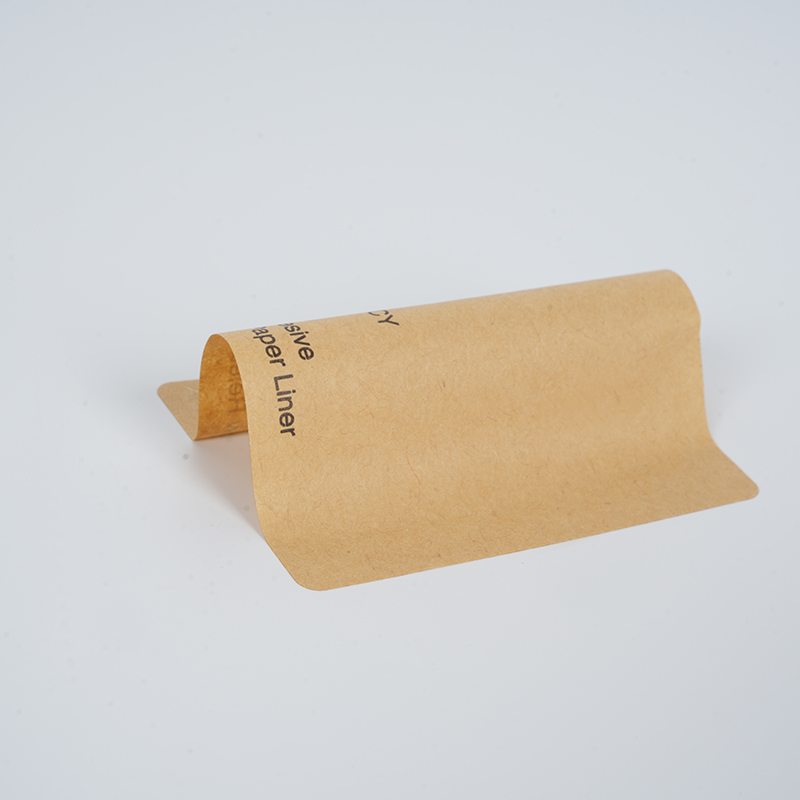
Natural, textured surface used for handwritten labels, kraft‑aesthetic products, and applications requiring an organic or artisanal feel. Ink absorption is higher, which reduces sharpness but enhances the hand‑applied look. These papers are often chosen for eco‑friendly branding.
Coated with a leuco dye that develops colour when heated by the print head. Common in shipping labels, receipts, and barcode tickets. Standard thermal paper fades if exposed to sunlight, temperatures above 65°C, or certain solvents; its image retention is typically less than 2 years under normal storage.
High strength and tear resistance, resistant to wear and moderate moisture. Often used for industrial product labels, corrugated box labels, and logistics tags that require robustness.
Chemically treated with wet‑strength resins to maintain structural integrity when soaked. Commonly used in beer and beverage labeling where condensation or ice‑water immersion is inevitable. Wet‑strength papers retain at least 15% of their dry tensile strength after 24 hours of water immersion.
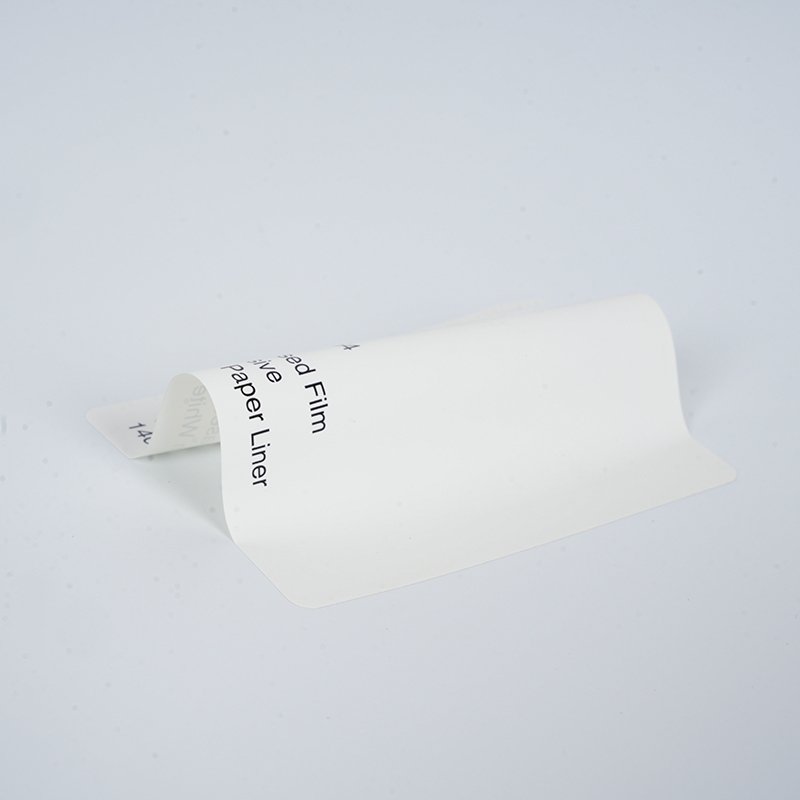
Film facestocks replace paper with polymer substrates, offering superior durability, moisture resistance, and flexibility. They are preferred for labels exposed to outdoor environments, refrigeration, chemicals, and abrasion. Film labels typically have a service life of 5–10 years outdoors, compared to 1–2 years for paper.
Non‑oriented structure gives PE exceptional flexibility and conformability—the ability to adapt to squeezable containers such as tubes, bottles, and curved surfaces. PE is the primary choice for personal care and household chemical labels where container deformation is common. It offers good chemical resistance to acids and alkalis.
Uniaxially (OPP) or biaxially (BOPP) oriented films provide high rigidity, excellent clarity, and good flatness. BOPP is widely used for “no‑label‑look” (clear‑on‑clear) applications due to its optical clarity (haze < 5%). It also has outstanding moisture barrier properties, making it ideal for beverages, sauces, and frozen foods.
Very rigid, highly durable, with excellent clarity and heat resistance (up to 150°C). PET films can be as thin as 12 microns while maintaining strength. Certain PET grades are flame‑retardant and are used for electrical cable labeling, appliance rating plates, and automotive under‑hood components. They also resist scratching, chemicals, and UV degradation.
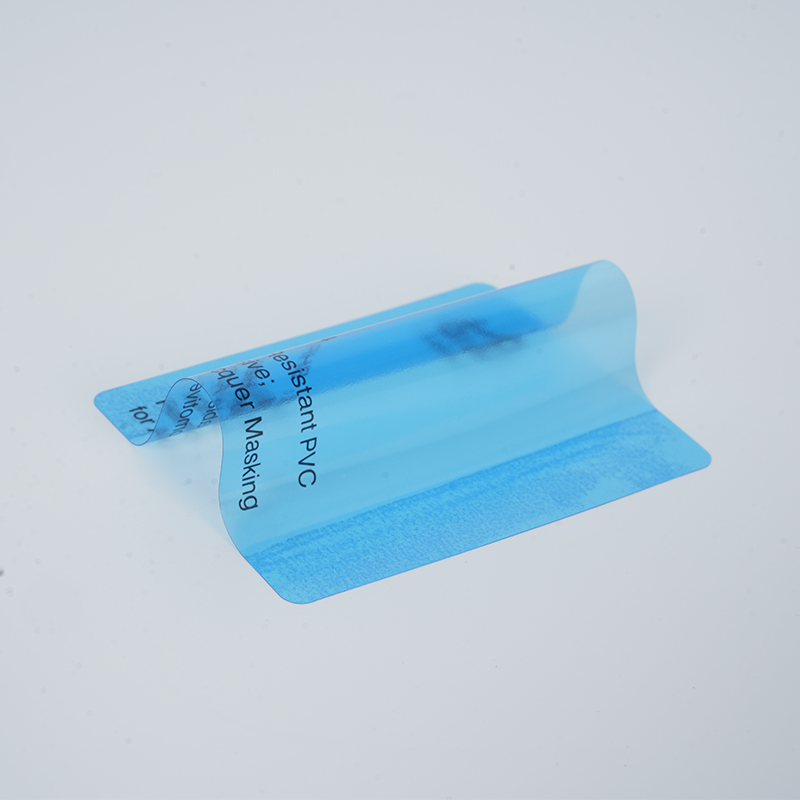
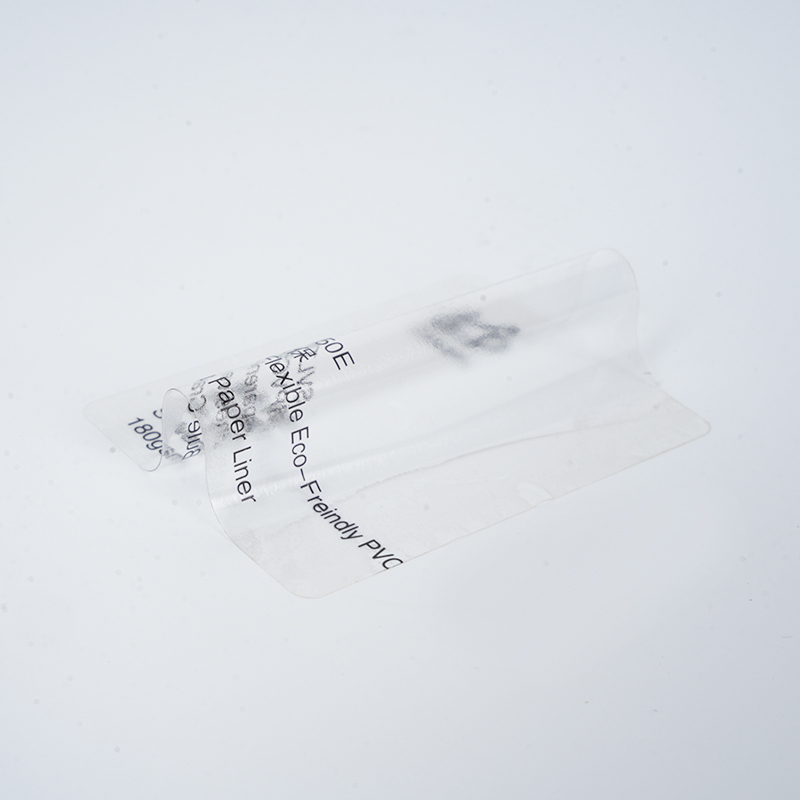
Highly conformable and flexible, PVC is the go‑to material for vehicle wraps, drum labeling, and outdoor graphics. It offers very good outdoor resistance (5–7 years) and UV stability. However, environmental concerns have reduced its popularity in some regions.
Multilayer films combining PE and PP properties, providing semi‑conformability and tailored barrier performance. These are used for semi‑squeezable containers like shampoo or sauce bottles, balancing flexibility with stiffness for automated dispensing.
The adhesive determines not only how well a label sticks, but also how it behaves over time, under stress, and on different surfaces. Adhesives are classified by their bonding strength, removability, and environmental tolerance.
Designed to form a strong, long‑lasting bond that is not intended to be removed. Typical peel adhesion values range from 8 to 15 N/25mm on steel, with shear holding times exceeding 24 hours at room temperature. These are the most common for product identification, shipping, and warranty labels.
Labels with removable adhesives peel off cleanly, leaving no residue, even after months of application. Peel adhesion is usually lower (3–6 N/25mm) and shear is limited. Ideal for price tags, temporary promotions, and reusable asset tracking.
Allow multiple placements before final pressure is applied. They offer very low initial tack (often < 2 N/25mm) but build adhesion over time. Used for applications requiring precise alignment, such as nameplates and registration labels.
Specially formulated to maintain adhesion down to ‑20°C or even ‑40°C. These adhesives have a glass transition temperature (Tg) below ‑30°C, ensuring they remain tacky and flexible in cold storage. Common for frozen food packaging and cold‑chain logistics.
Designed to withstand continuous exposure above 120°C, up to 200°C for short periods. Used for engine components, powder‑coating masks, and electronics manufacturing. They often use silicone or acrylic‑based polymers with high cross‑linking density.
Formulated to resist oils, solvents, fuels, and cleaning agents. These are essential for industrial drums, automotive under‑hood, and laboratory containers. Such adhesives maintain > 80% of initial bond strength after 24‑hour immersion in common solvents like ethanol or gasoline.
Beyond standard paper and film, certain facestocks address niche requirements such as security, opacity, or metallic effects.
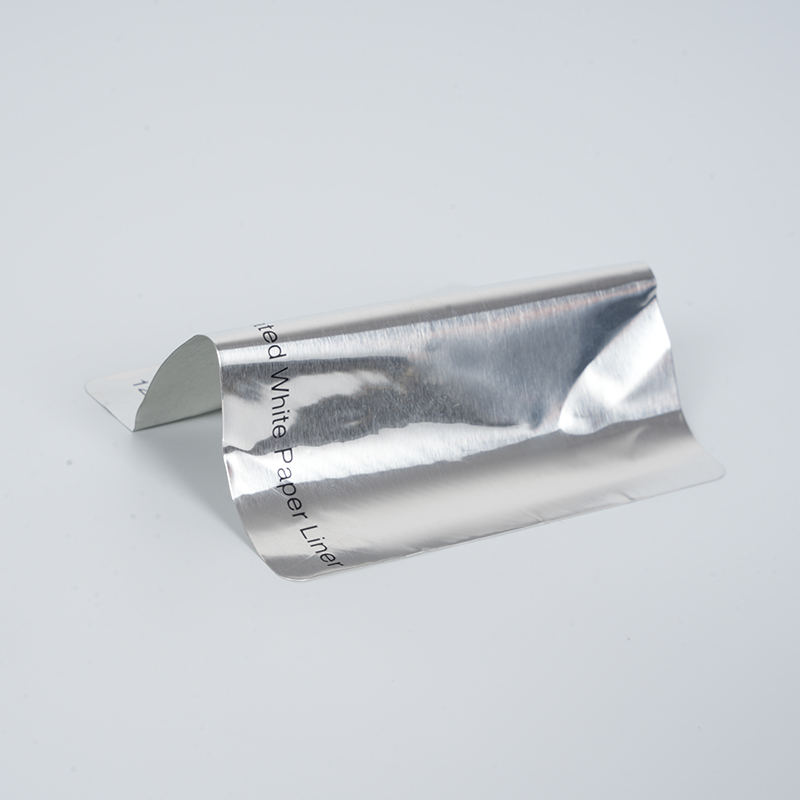
Aluminium‑coated or vacuum‑deposited films provide a shiny metallic appearance without the cost of solid foil. These offer excellent barrier properties (oxygen and moisture) and are frequently used for premium beverages, cosmetics, and gourmet foods. The metallic layer also enhances tamper‑evidence when torn.
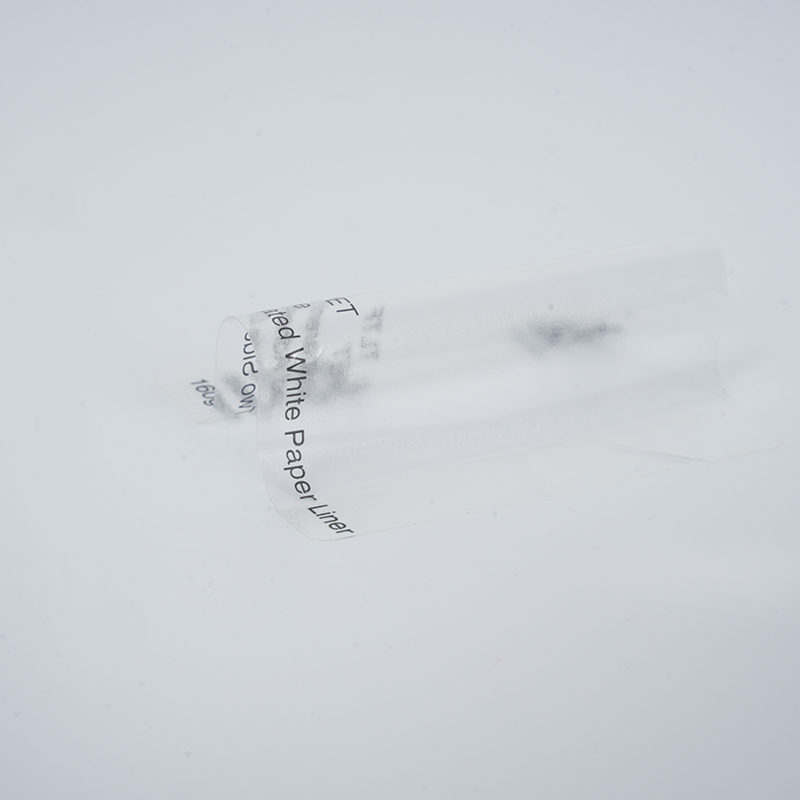
Typically BOPP or PET with low haze, these create a “no‑label” effect on clear bottles. Haze values below 3% are achievable with PET, giving an almost invisible look when applied. They are popular for premium water, spirits, and beauty products.
Fragile materials that break or leave a VOID pattern upon removal. These are used for authentication, warranty seals, and pharmaceutical packaging to prevent counterfeiting.
Emerging materials include recycled paper, PE from sugarcane, and PLA films. These meet sustainability goals but often have trade‑offs in temperature resistance or clarity. Some recycled paper facestocks contain up to 30% post‑consumer waste without compromising print quality.
The liner protects the adhesive until application and influences dispensing speed, waste management, and cost. Liner choice directly affects productivity in automatic labeling lines.
Calendered paper with high density and smoothness. It is the most common liner, accounting for over 60% of the market. Typical thickness ranges from 45 to 80 g/m², with good tensile strength and consistent release. It is recyclable but not compostable.
Stronger and more dimensionally stable than paper, PET liners are used for thin facestocks or high‑speed application where minimal stretch is critical. They are also transparent, which aids optical sensors. However, they are more expensive and non‑recyclable in most waste streams.
Softer and more flexible, used for large‑format or irregularly shaped labels. They are less common but growing in liner‑less label systems.
The liner choice impacts waste disposal costs—paper liners are generally accepted in paper recycling, while film liners often go to landfill or incineration.
Selecting the right combination of facestock, adhesive, and liner depends on five critical factors: surface energy, temperature range, moisture exposure, chemical contact, and expected lifespan.
For low‑surface‑energy substrates like untreated PE or PP, a specific adhesion‑promoting adhesive or corona‑treated facestock is required. For outdoor use, UV‑stable films (PET or acrylic‑coated PP) and high‑tack adhesives are mandatory. In wet or condensing environments, film facestocks with freezer adhesives or water‑resistant papers are essential.
Always test the complete label construction on the actual container under simulated shipping, storage, and usage conditions before full production. Many failures occur due to unexpected combinations of temperature cycling and humidity.
Pressure‑sensitive labels are under increasing scrutiny for recyclability. The industry is moving toward liner‑less labels (reducing liner waste by up to 50%), wash‑off adhesives that separate facestock from bottle during recycling, and bio‑based polymers.
Currently, only about 20% of label waste is recovered due to liner contamination. However, new technologies enable PE facestocks with adhesive that floats during washing, improving recycling yields. By 2030, many regions will mandate that labels be designed for recyclability, making material choice a regulatory as well as performance decision.
+86-18018686956
+86-021-69171221
No.1218, Huiping Road, Nanxiang Town, Jiading District, Shanghai, China
Copyright © Shanghai Baozhongbao Adhesive Products Co., Ltd. All Rights Reserved. Wholesale Self Adhesive Label Sticker Factory