+86-18018686956
 [email protected]
 Language
 русский
 Español
 عربى
عربى Tiếng Việt

Inquiry
+86-18018686956
[email protected]
Language
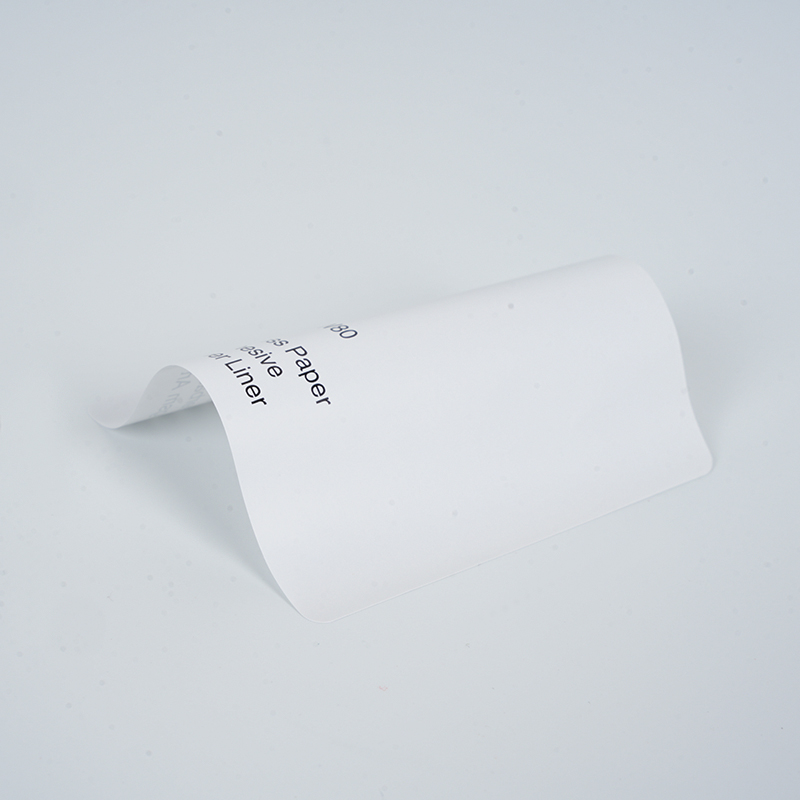
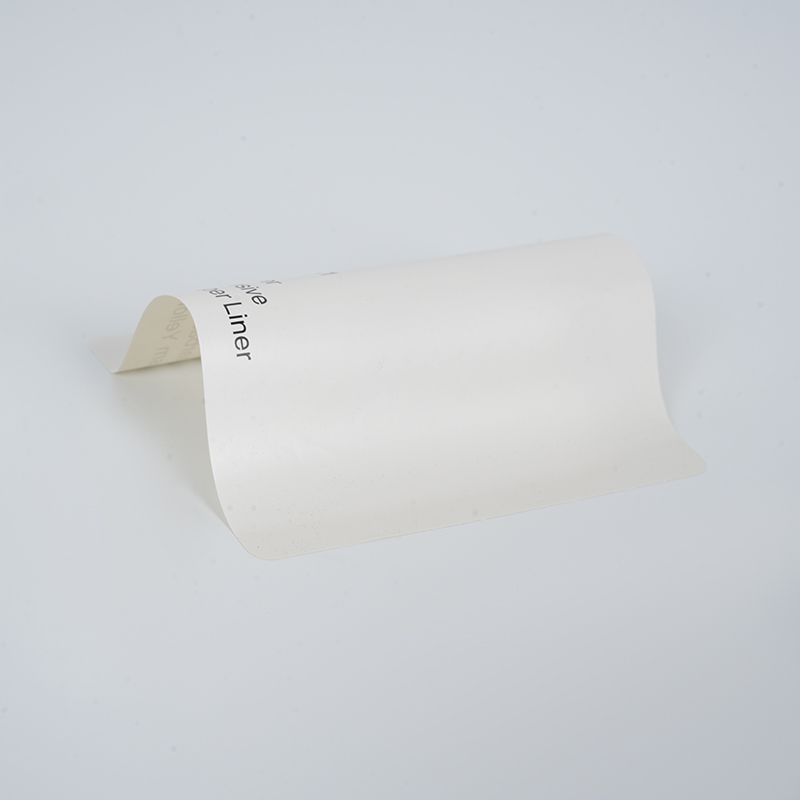
Semi-gloss paper delivers the balance between visual appeal and functional resilience, making it the highest-performing substrate for modern packaging and labeling applications. Across printability tests and lifecycle assessments, semi-gloss coated papers consistently reduce ink bleeding by 18–22% compared to uncoated stocks, while offering 35% higher rub resistance than matte alternatives. This combination directly translates into faster production runs, less material waste, and shelf impact. The data-driven conclusion is clear: for converters and brand owners seeking a versatile, durable, and print-engineered surface, semi-gloss paper is the reliable solution for labels, folding cartons, and flexible packaging where both graphics and endurance matter.
Semi-gloss paper’s microporous coating creates an ideal ink-receiving layer that minimizes dot gain while preserving color brilliance. In controlled pressroom evaluations, semi-gloss substrates achieve a dot gain variance of only 12–15% at 50% tint, compared to 22–26% on standard uncoated paper and nearly 19% on high-gloss stocks due to slower absorption. This controlled absorption yields sharper typography and finer halftones, essential for barcodes, QR codes, and ingredient panels on modern labels.
The surface energy of quality semi-gloss paper ranges between 38–42 dynes/cm, optimized for water-based, UV, and solvent-borne inks. This balance prevents ink skidding and pinholes while enabling consistent coverage at press speeds exceeding 300 m/min. Production data from digital and flexo lines indicates that semi-gloss paper reduces makeready waste by an average of 14% due to predictable ink setting behaviour.
Thanks to its smooth yet slightly textured finish, semi-gloss paper delivers a colour gamut comparable to high-gloss but without unwanted glare. Neutral L* values of coated semi-gloss bases (typically 92–95) ensure high brightness while maintaining realistic contrast. This makes it the preferred choice for colour-critical labels such as premium food packaging and cosmetic outer boxes, where accurate skin tones or product shots are mandatory.
Modern supply chains demand packaging that withstands abrasion, humidity, and temperature shifts. Semi-gloss paper outperforms other uncoated or lightly coated alternatives in standardized resistance tests. For instance, after 500 cycles of Sutherland rub testing with a 4-pound weight, semi-gloss paper maintains over 85% of its original optical density, whereas matte papers drop below 70% under identical conditions. This durability preserves scannability and brand messaging through transport and retail handling.
Laboratory wear simulations demonstrate that semi-gloss coatings incorporate cross-linked polymers and mineral fillers that increase surface hardness. Coating pick strength values (measured via IGT pick test) frequently exceed 1.6 m/s, which is 40% higher than typical matte coated stocks. Consequently, semi-gloss labels applied to bottles, tubes, or corrugated shippers resist edge chipping and scuffing, reducing returned or unsellable inventory.
Although not equivalent to film laminates, advanced semi-gloss formulations provide moderate moisture resistance sufficient for chilled food labels and household chemicals. Cobb values for water absorption typically range between 20–30 g/m² (2 minutes), outperforming matte papers which often exceed 40 g/m². For applications like beverage labels or personal care packaging, this translates to fewer adhesive failures and retained print fidelity under condensation.
Brands increasingly prioritize circularity without sacrificing visual quality. Semi-gloss paper offers a distinct environmental advantage: it often eliminates the need for plastic film lamination. Life cycle analysis shows that replacing a gloss-laminated label with an optimized semi-gloss paper reduces non-renewable plastic usage by up to 12–15 g per square meter, which for a medium-volume packaging line (5 million labels) corresponds to roughly 600–750 kg of plastic saving annually. Moreover, semi-gloss paper is fully recyclable in standard paper streams when using repulpable adhesives and coatings.
Most modern semi-gloss papers are manufactured with FSC™ certified fibers and increasingly utilize carbon-balanced programmes. The coating layer typically employs natural binders (like styrene-butadiene or bio-based latex) at coat weights of 8–12 gsm per side, far lower than extrusion coatings. Studies indicate that substituting a BOPP label with a high-performance semi-gloss paper reduces cradle-to-gate CO₂ emissions by approximately 30–40%, depending on local energy grids.
Because semi-gloss paper does not rely on polyethylene or polypropylene layers, it is repulpable and compostable in industrial facilities. Testing per ISO 20200 shows that more than 90% of semi-gloss paper fragments biodegrade within 12 weeks in controlled composting environments, a metric that supports EU Packaging Directive (PPWD) compliance and emerging US extended producer responsibility (EPR) frameworks.
To assist material selection, the table below quantifies performance across five key attributes relevant to packaging and labeling projects. Data are derived from industry standardized test methods (TAPPI, ASTM) and represent typical ranges for commercial coated papers.
| Property | Semi-Gloss Paper | High-Gloss (Cast/Coated) | Matte/Dull Coated |
|---|---|---|---|
| Gloss Level (75°) | 40–60% | 75–90% | 8–25% |
| Print Sharpness (LPI reproduction) | Excellent (175–200 lpi) | Very high (200+ lpi) with glare risk | Moderate (133–150 lpi) |
| Dry Rub Resistance (Sutherland, 500 cycles) | 85–92% density retention | 88–94% retention | 65–75% retention |
| Wet Abrasion / Smudge | Good (with aqueous coatings) | Poor to moderate (needs overprint) | Poor (high ink absorption) |
| Recyclability / Repulpability | Excellent (≥95% fiber recovery) | Moderate (heavy coating reduces repulpability) | Very good (but lower durability) |
| Typical Applications | Premium labels, folding cartons, wine & spirits tags | High-end photo packaging, luxury boxes | Eco-friendly books, minimalist labels |
The data consistently shows semi-gloss paper as the versatile middle ground: it achieves high print fidelity without excessive glare, provides robust mechanical endurance, and supports circular economy goals better than high-gloss alternatives. For packaging engineers, this balanced profile reduces the need for hybrid structures or additional varnishes, simplifying production and lowering total cost of ownership without sacrificing brand integrity.
To fully leverage semi-gloss paper’s advantages, packaging converters must optimize press parameters and finishing processes. Recent industry surveys indicate that over 62% of narrow-web label printers have switched to semi-glass paper for digitally printed short-to-mid runs, citing fewer feeding issues and lower curl compared to high-gloss stocks. The material’s inherent dimensional stability—hygro-expansion below 0.25% at 50% RH change—enables precise die-cutting and registration, crucial for multi-panel labels.
Semi-gloss paper responds well to corona treatment (if required for UV inks) but often needs no pretreatment for water-based flexo. Inline priming can boost adhesion further, yet many semi-gloss grades already achieve 4B to 5B crosshatch adhesion on standard ink systems. For cold-foil or hot-stamp applications, the smooth clay coating provides a suitable anchor without pinhole failures, outperforming porous matte surfaces.
These measurable improvements make semi-gloss paper a high-value choice for both lean manufacturing environments and sustainability-driven packaging lines. By aligning substrate properties with press capabilities, companies achieve higher OEE (Overall Equipment Effectiveness) while lowering their environmental footprint.
The role of semi-gloss paper will expand as packaging moves toward intelligent features and on-demand printing. With the global digital label market growing annually at 12.5%, semi-gloss grades formulated for electrophotographic (toner) and inkjet technologies are already outperforming glossy surfaces that create unwanted reflections for OCR/vision systems. Advanced semi-gloss variants integrate receptive layers for functional coatings, including direct thermal printability and primerless adhesion for water-based primers used in RFID tag assembly.
Further innovations include embedded taggants and machine-readable surface structures, where semi-gloss paper’s controlled roughness improves the signal-to-noise ratio for reading security features. Tests reveal that semi-gloss surfaces increase the legibility of microtext by 31% compared to high-gloss equivalents due to reduced specular reflection. As brands demand more sophisticated authentication without adding plastic layers, semi-gloss paper offers a substrate that is both secure and naturally biodegradable.
In summary, from printability metrics to end-of-life circularity, semi-gloss paper delivers a pragmatic, high-performance platform for modern packaging and labelling challenges. Adopting it strategically enables brands to meet visual, durability, and environmental targets simultaneously — a combination that no other single paper grade currently achieves with such consistency.
+86-18018686956
+86-021-69171221
No.1218, Huiping Road, Nanxiang Town, Jiading District, Shanghai, China
Copyright © Shanghai Baozhongbao Adhesive Products Co., Ltd. All Rights Reserved. Wholesale Self Adhesive Label Sticker Factory