+86-18018686956
 [email protected]
 Language
 русский
 Español
 عربى
عربى Tiếng Việt

Inquiry
+86-18018686956
[email protected]
Language
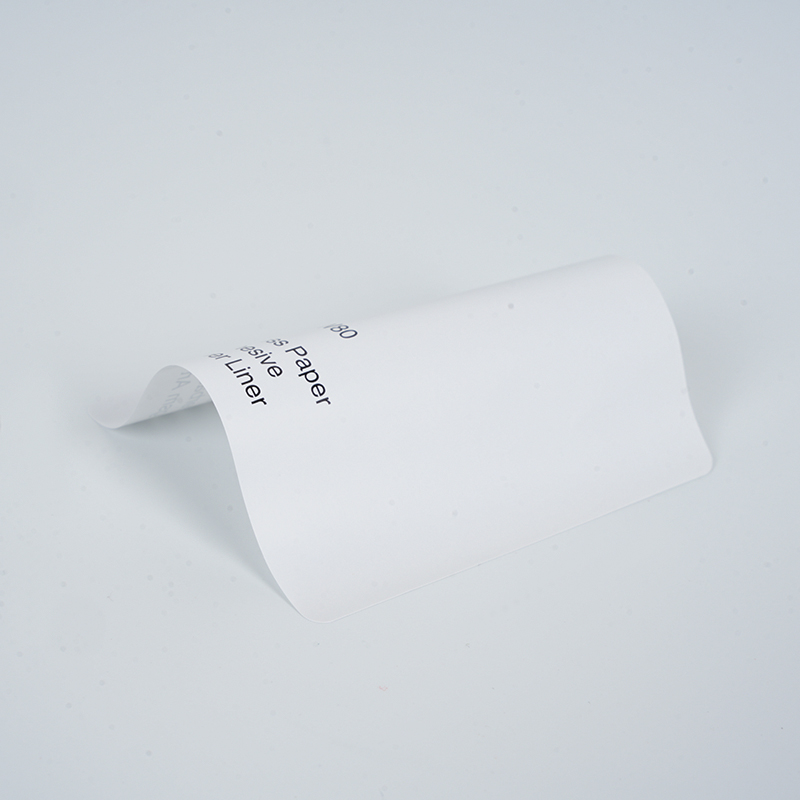
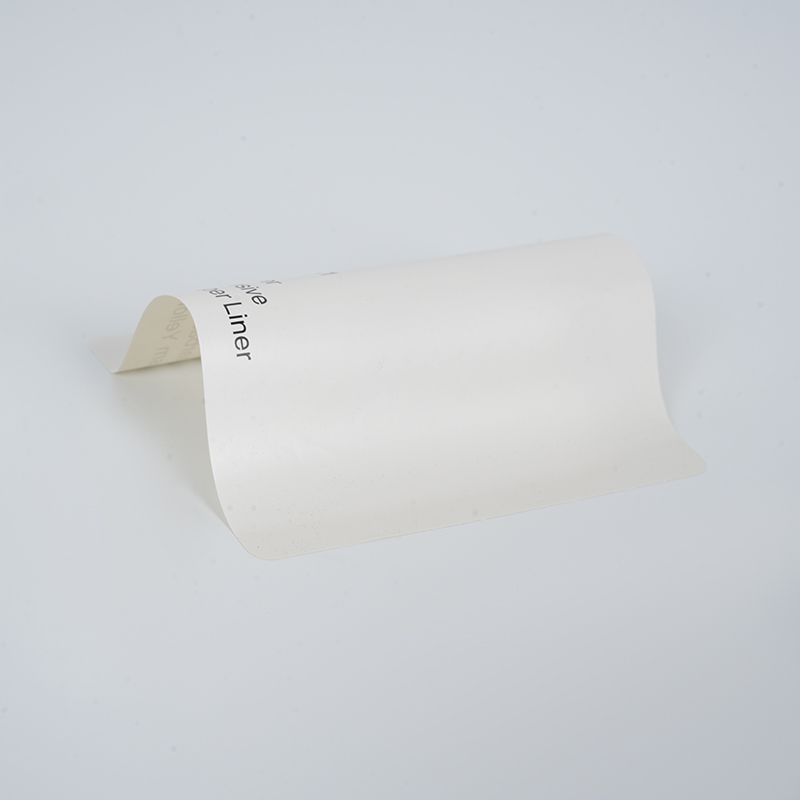
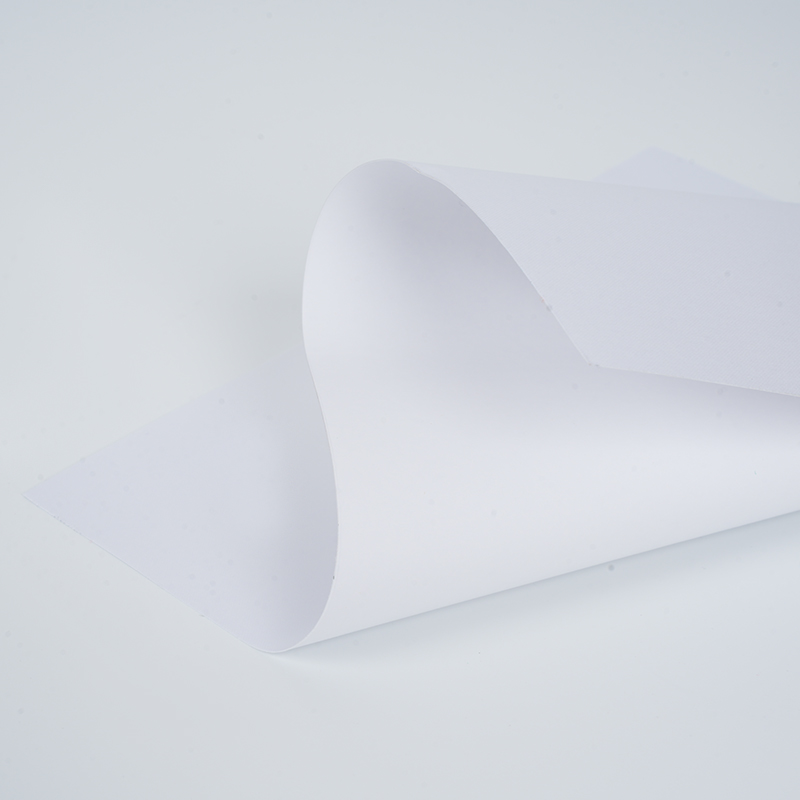
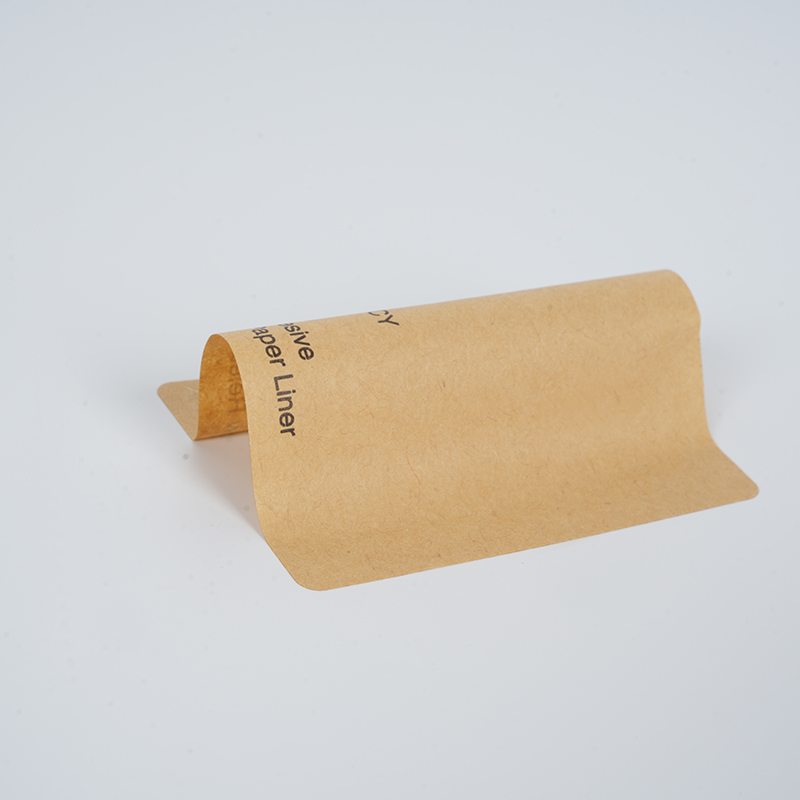
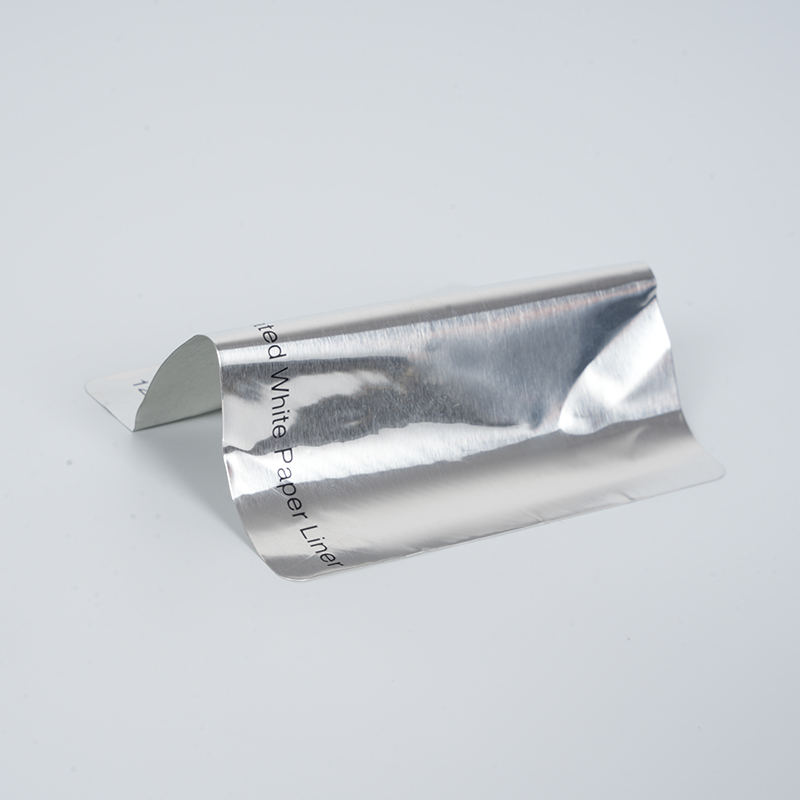
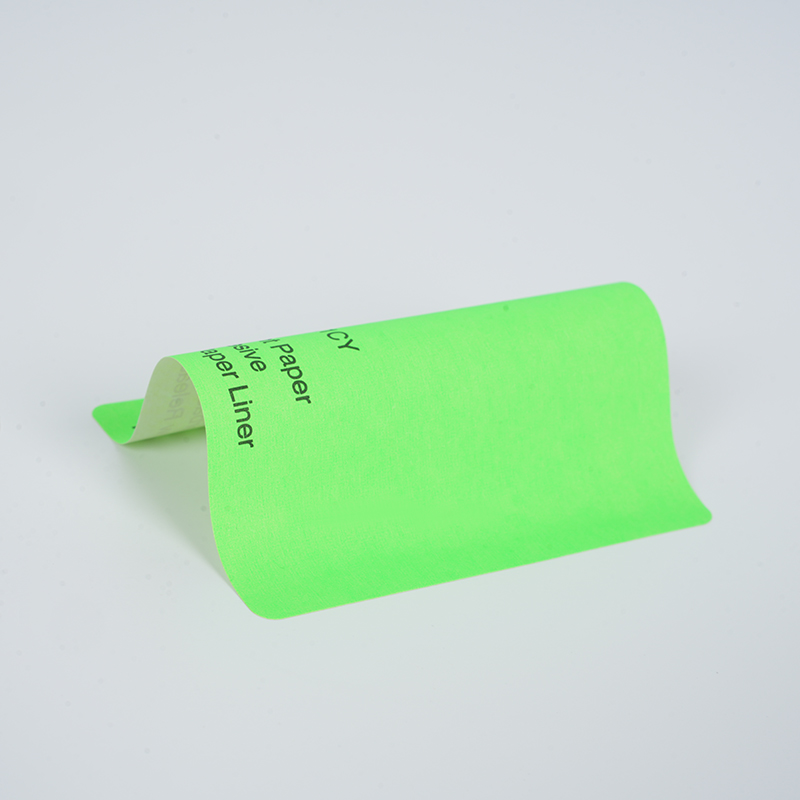
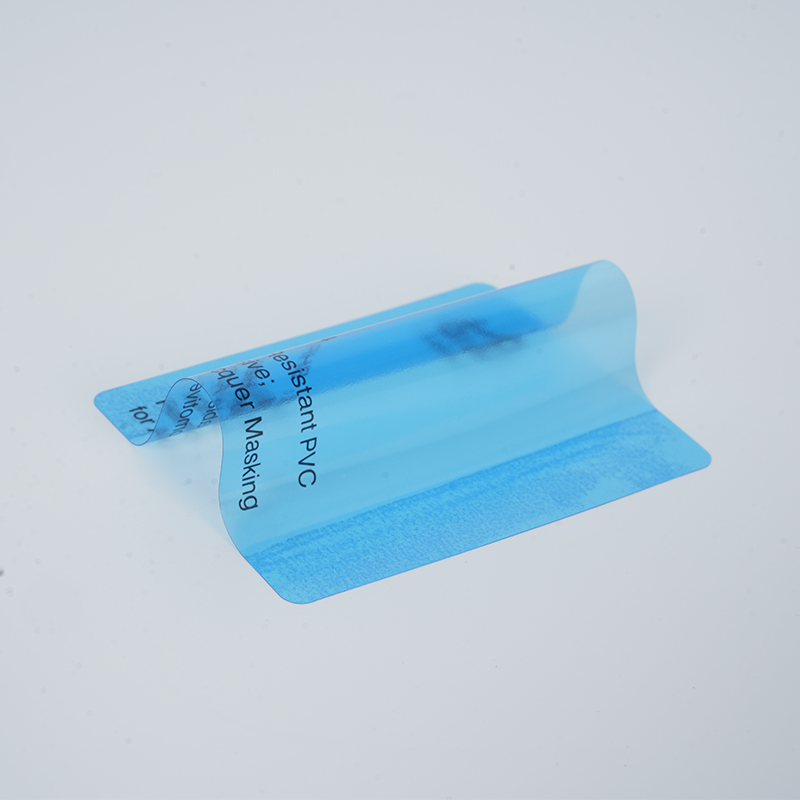
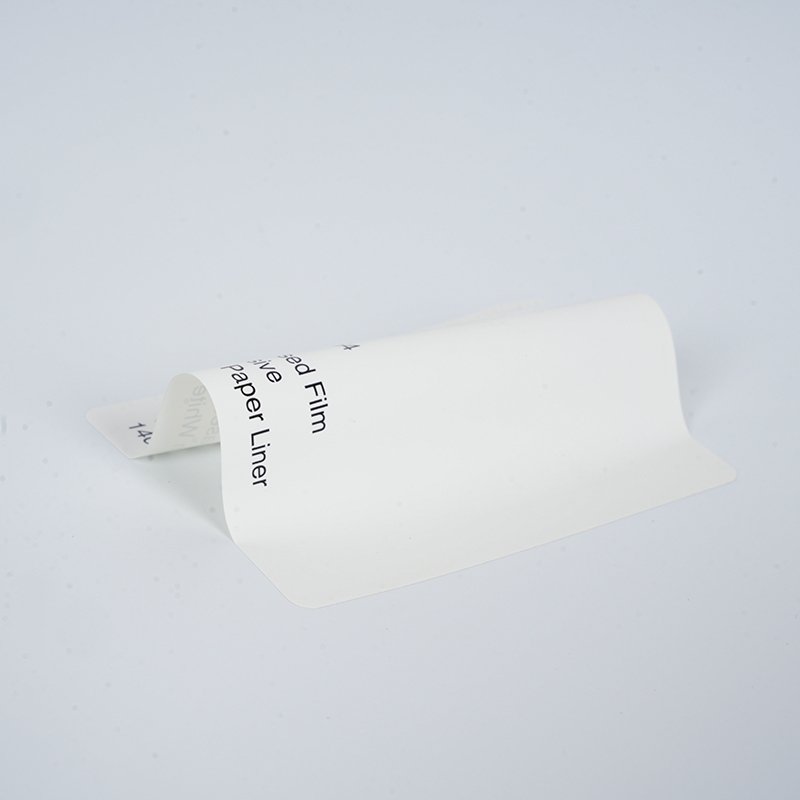
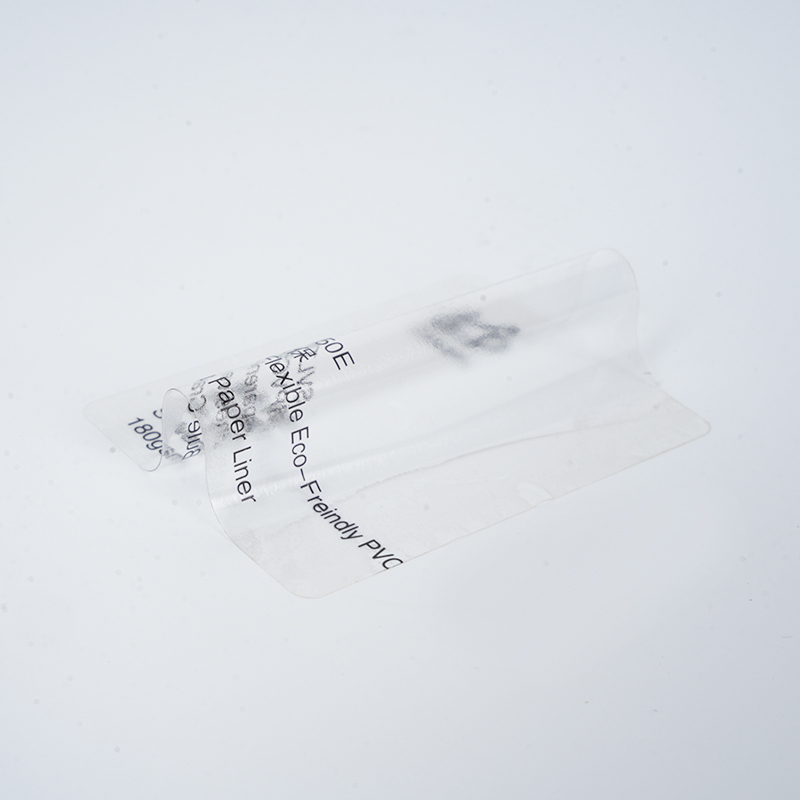
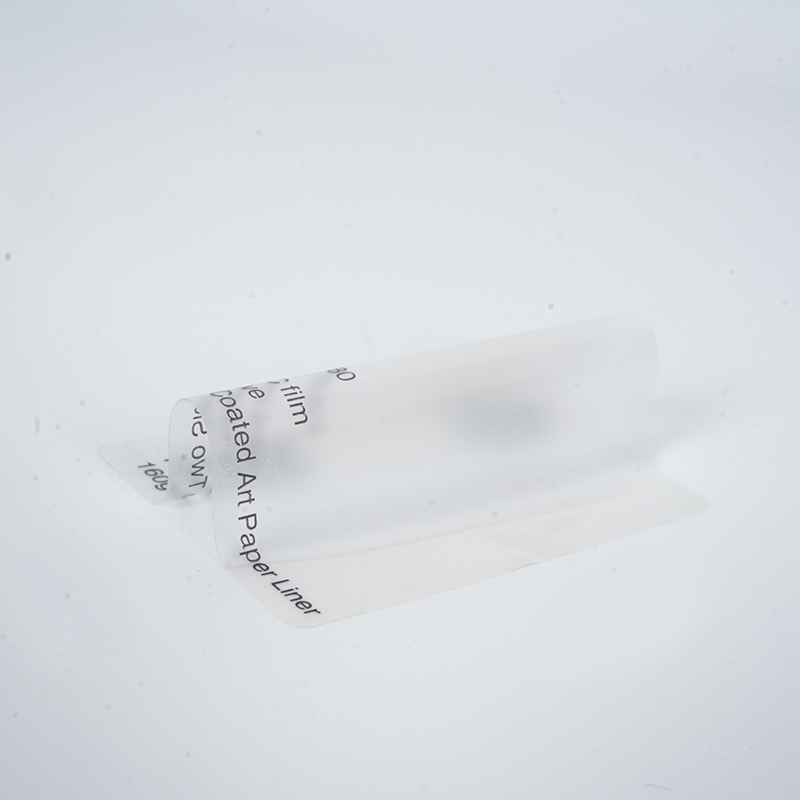
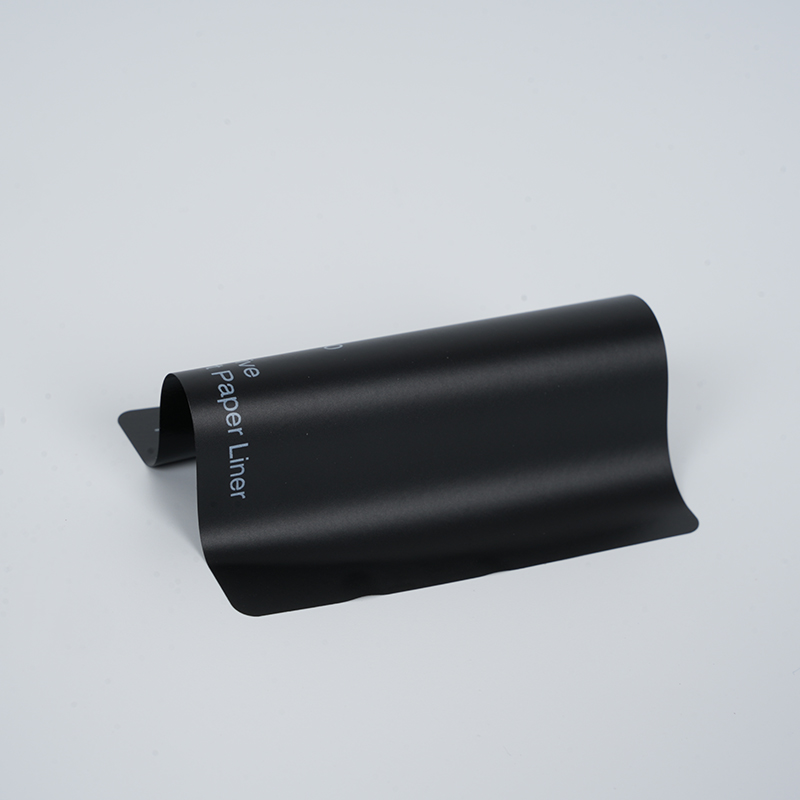
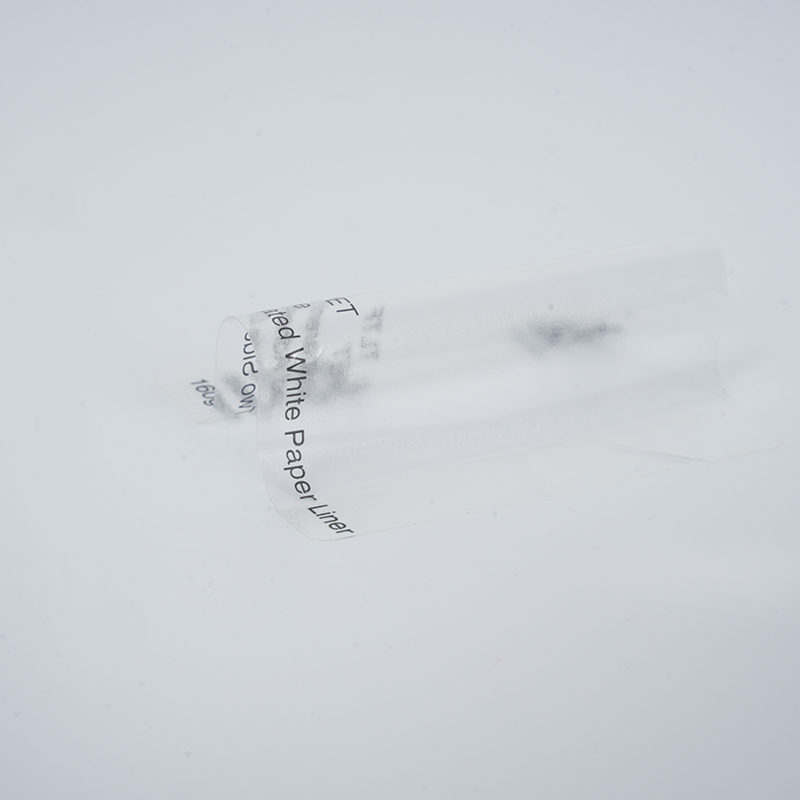
Every packaged product carries a label, and the substrate behind it does more work than most buyers realize. Paper label material is built from three bonded layers — face paper, adhesive, and release liner — and getting each one right determines whether a label prints cleanly, sticks reliably, and survives its shelf life. Here's how to evaluate it for packaging, retail, and logistics use.
Paper label material is a laminate, not a single sheet. Each layer serves a distinct function, and weaknesses in any one layer show up as print defects, adhesion failure, or liner jams during application.
Two factors control most of the variation between label material grades: how the face paper accepts ink, and how the adhesive performs on the target surface.
Paper label material only performs as well as its weakest layer — a premium coated face paper on a mismatched adhesive still fails in the field.
Paper remains the default choice for most packaging applications, while synthetic substrates take over where moisture or chemical exposure is severe.
| Attribute | Paper Label Material | Synthetic Label Material |
| Cost | Lower | Higher |
| Print quality | Excellent | Excellent |
| Waterproof performance | Moderate | Excellent |
| Recyclability | Higher | Depends on polymer |
GSM, thickness, surface finish, and adhesive type should match your printer, application surface, and storage conditions.
Manufacturing consistency, customization capability, quality certifications, and delivery reliability determine long-term supply stability.
Treat paper label material as a three-layer system rather than a single product spec. Matching face paper finish to your printing method, adhesive type to your application surface, and liner quality to your labeling equipment is what prevents costly reprints and field failures down the line.
+86-18018686956
+86-021-69171221
No.1218, Huiping Road, Nanxiang Town, Jiading District, Shanghai, China
Copyright © Shanghai Baozhongbao Adhesive Products Co., Ltd. All Rights Reserved. Wholesale Self Adhesive Label Sticker Factory