+86-18018686956
 [email protected]
 Language
 русский
 Español
 عربى
عربى Tiếng Việt

Inquiry
+86-18018686956
[email protected]
Language
No heat, no water, no separate glue — pressure sensitive label material bonds the moment pressure is applied, which is exactly why it has become the default substrate for automated packaging lines. Getting the face stock, adhesive, and liner combination right determines whether labels run cleanly through equipment and stay attached for the life of the product.
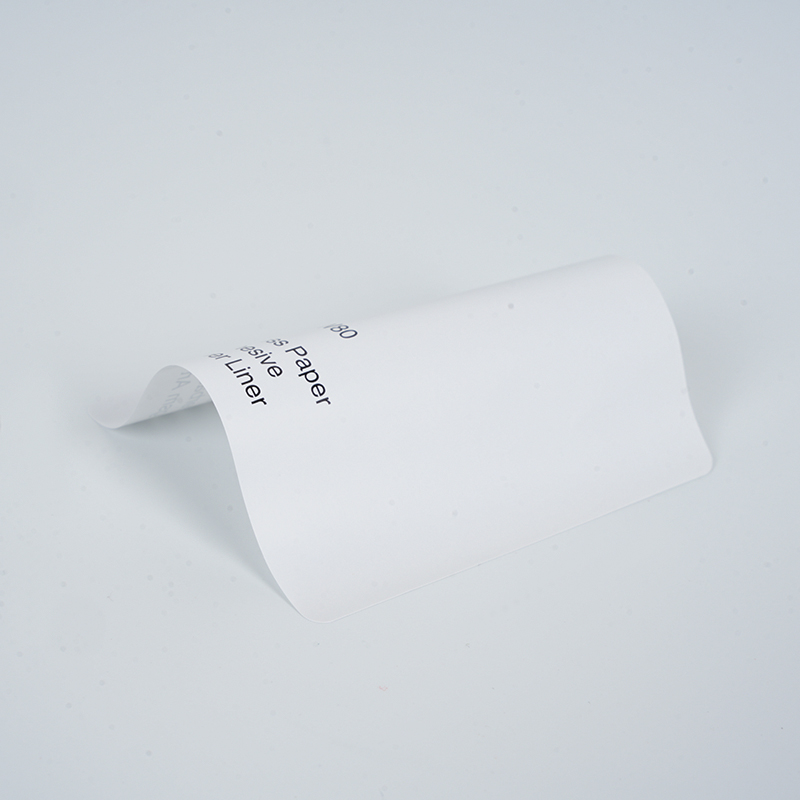
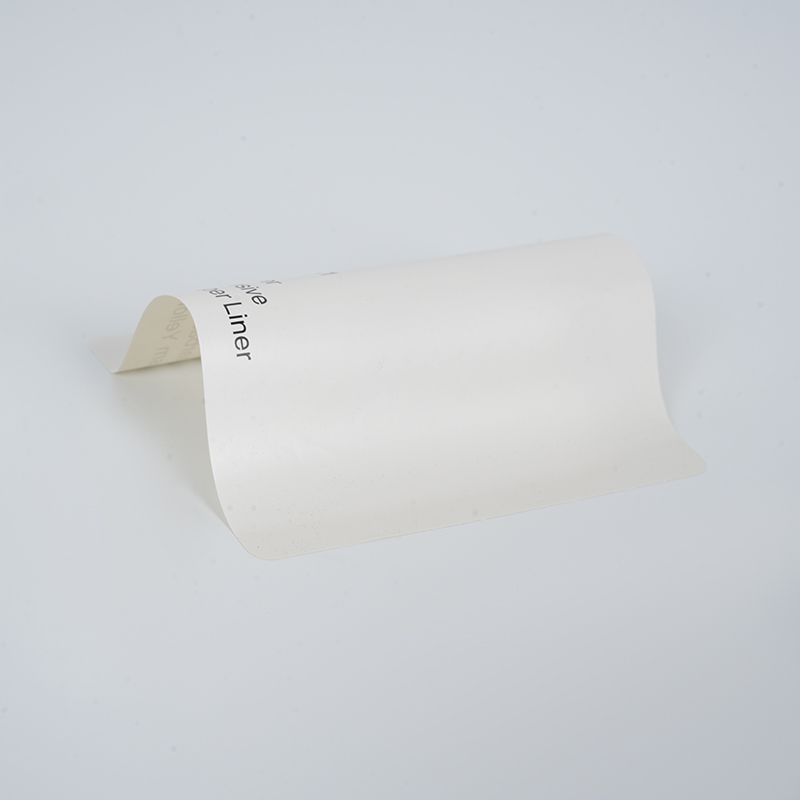
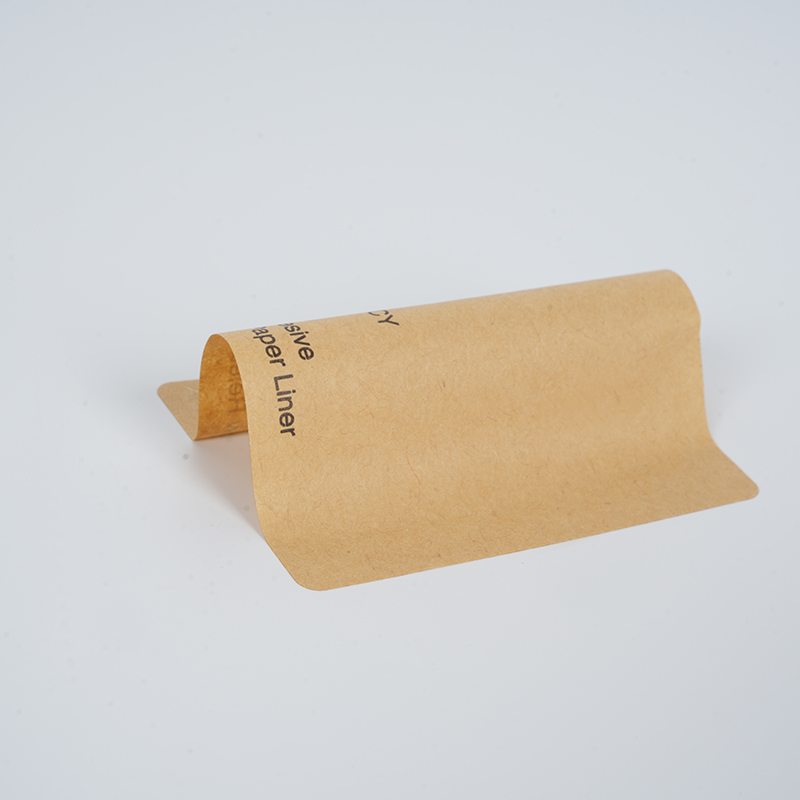
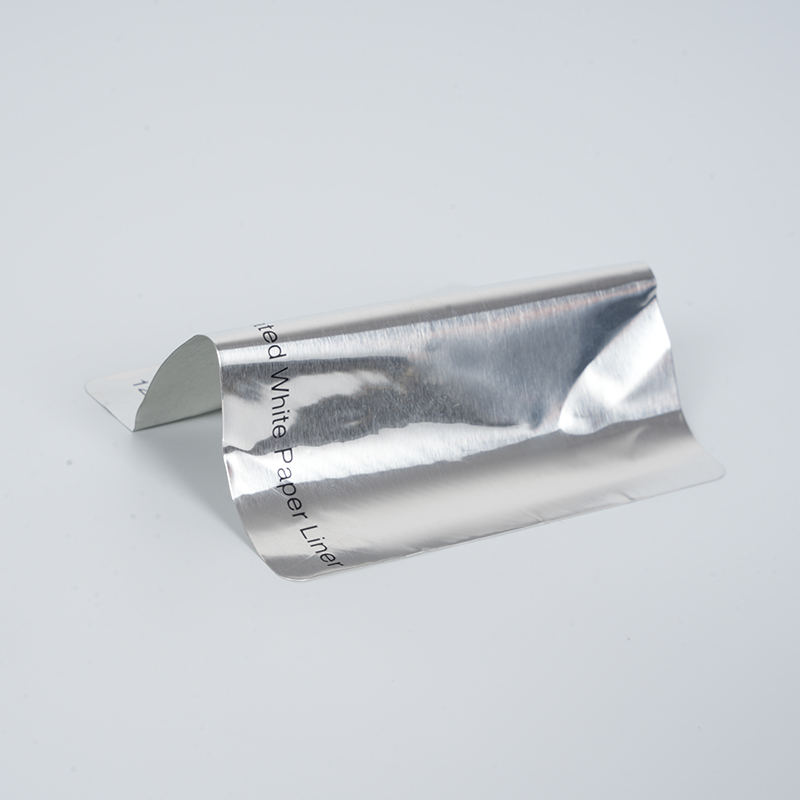
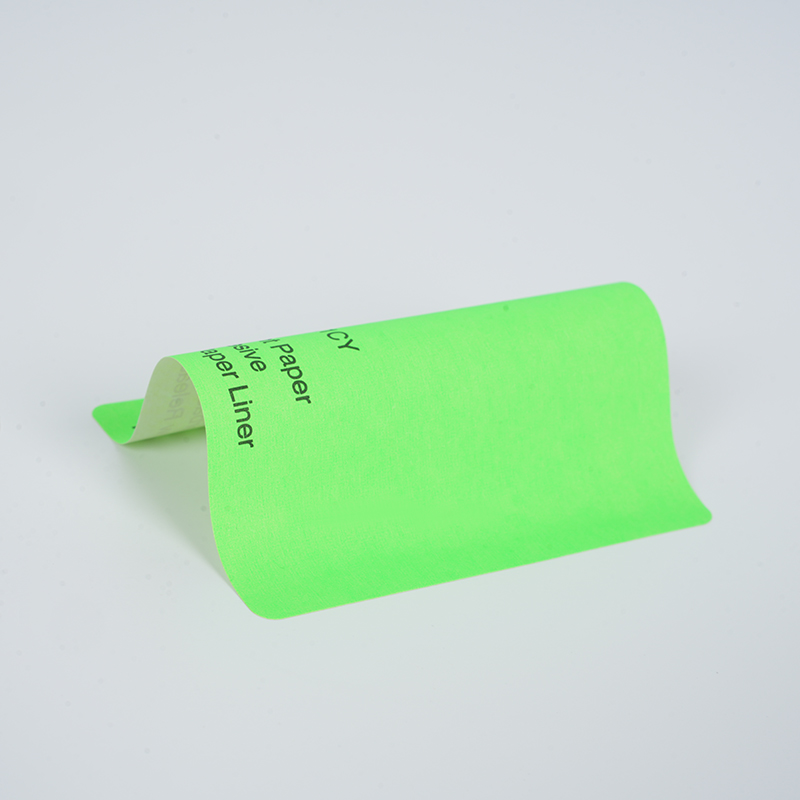
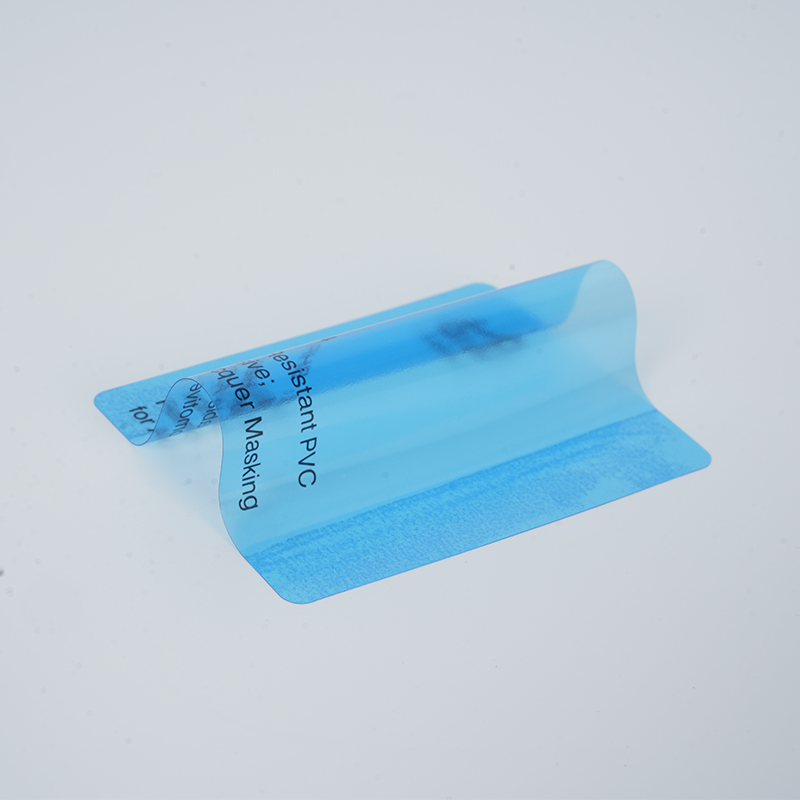
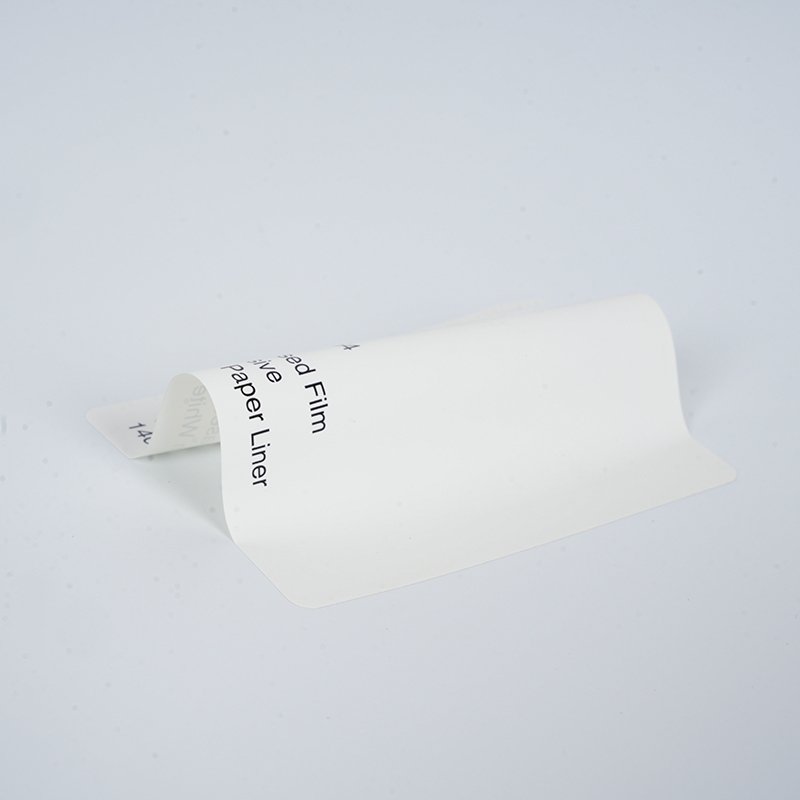
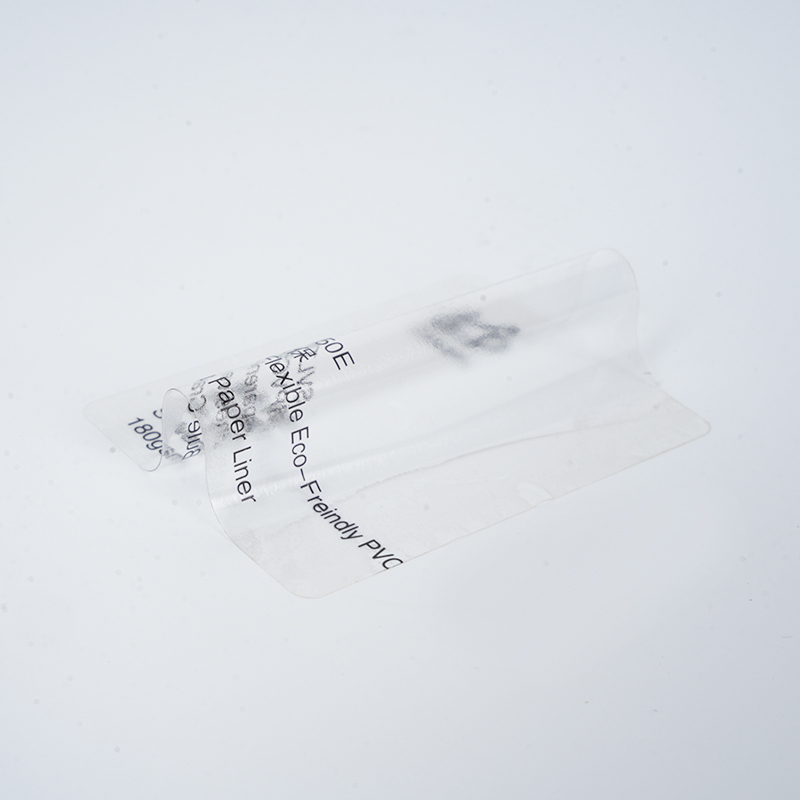
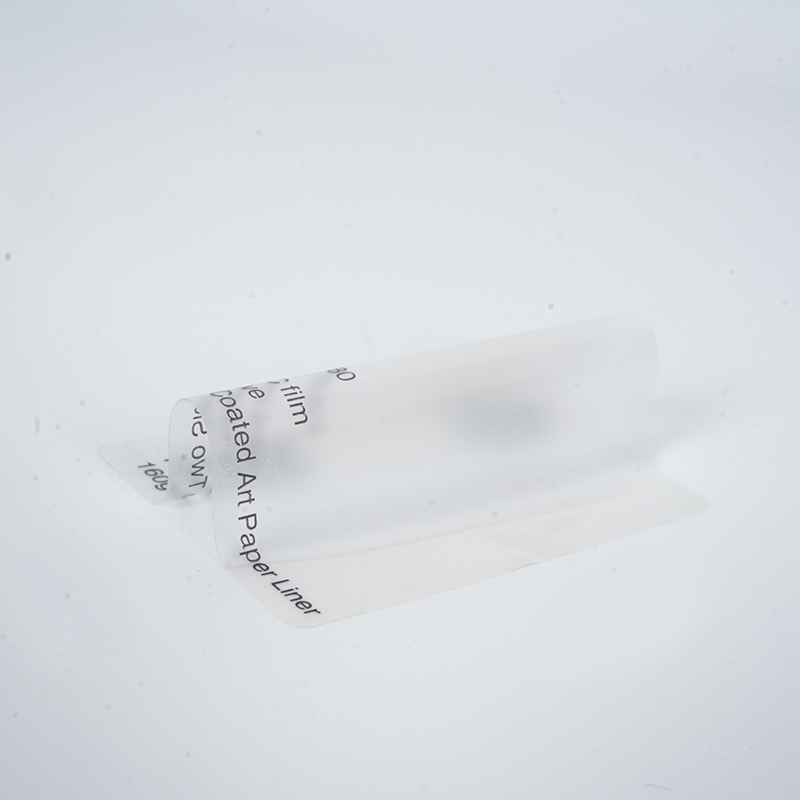
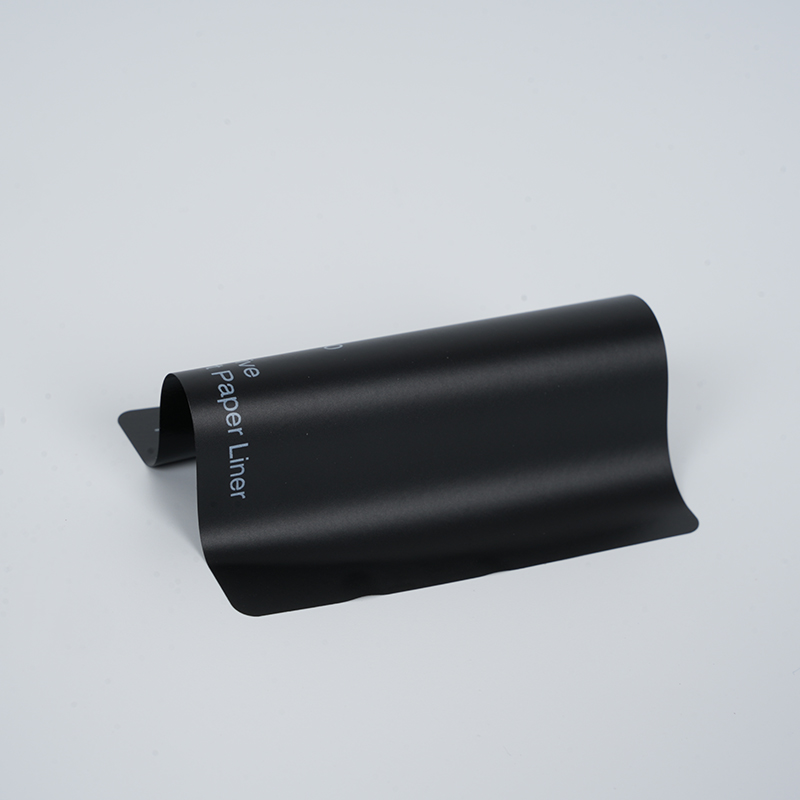
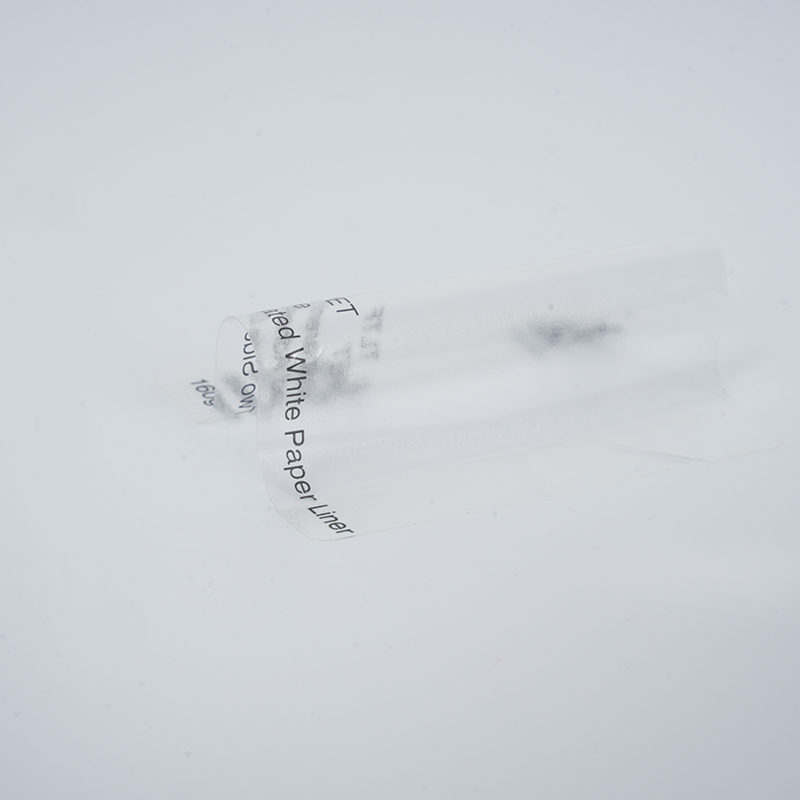
A pressure sensitive label is a three-layer laminate: a face material for printing, a pressure-sensitive adhesive for bonding, and a release liner that protects the adhesive until application. Unlike glue-applied or heat-activated labels, all three layers arrive ready to use straight off the roll.
Adhesive selection is the single most consequential decision in specifying pressure sensitive label material — it determines whether a label stays put or fails under real-world conditions.
Long-term product and equipment labels that should not be removed.
Promotional labels and price tags that need clean removal.
Temporary placement labels that can be adjusted before final set.
Cold storage and frozen packaging where standard adhesives fail.
Face stock choice depends on where the label will live: paper suits cost-sensitive indoor packaging, while film substrates handle moisture and chemical exposure.
Film face stocks such as PET and PP resist water and chemicals, making them the standard choice for outdoor and industrial equipment labels — paper remains more economical for indoor retail and packaging use.
| Attribute | Pressure Sensitive | Traditional Label |
| Adhesive requirement | Built in | Applied separately |
| Application speed | Fast | Slower |
| Automation compatibility | Excellent | Limited |
| Customization | High | Medium |
Confirm face stock, adhesive strength, peel performance, and liner type match your application surface and equipment.
Verify adhesive technology, testing capability, customization options, and consistent roll-to-roll quality.
Choosing the right pressure sensitive label material starts with matching adhesive type to the application surface and conditions, then confirming the face stock supports your printing method. Getting this combination right up front avoids the label failures — peeling, jamming, or fading — that cost far more to fix after products are already packaged.
+86-18018686956
+86-021-69171221
No.1218, Huiping Road, Nanxiang Town, Jiading District, Shanghai, China
Copyright © Shanghai Baozhongbao Adhesive Products Co., Ltd. All Rights Reserved. Wholesale Self Adhesive Label Sticker Factory