+86-18018686956
 [email protected]
 Language
 русский
 Español
 عربى
عربى Tiếng Việt

Inquiry
+86-18018686956
[email protected]
Language
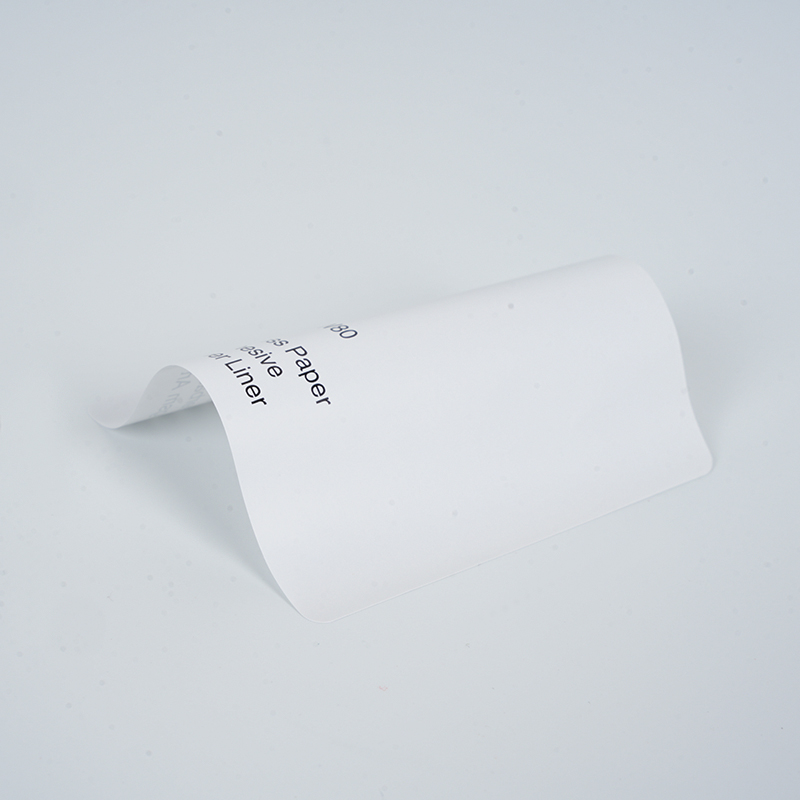
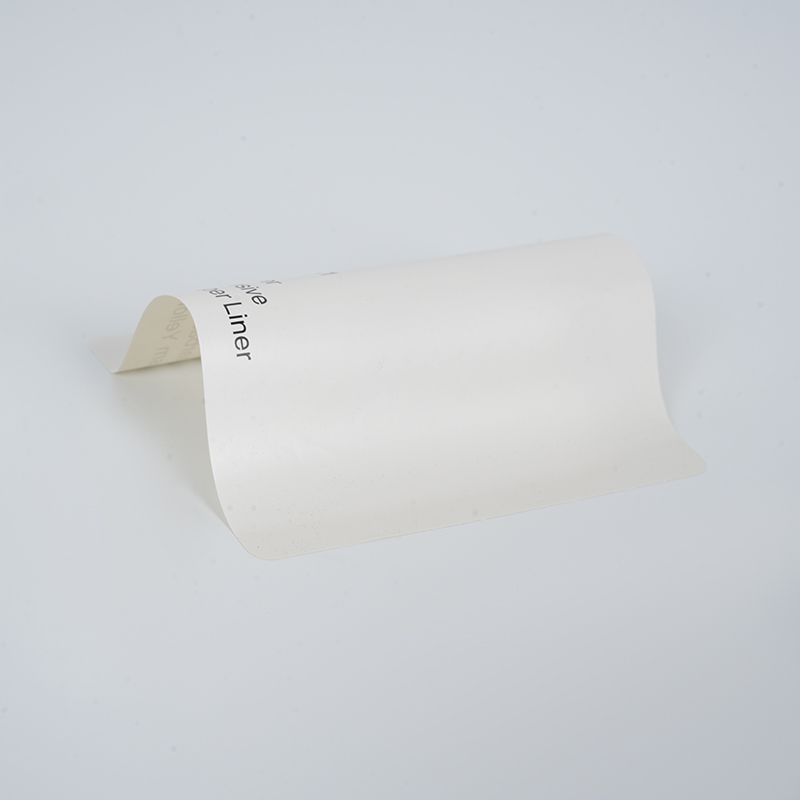
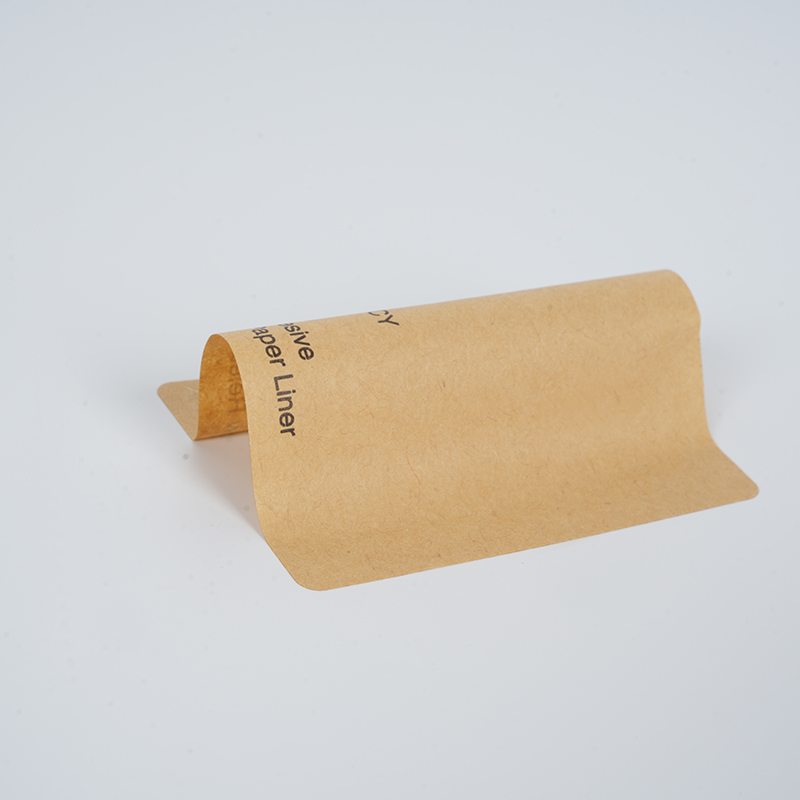
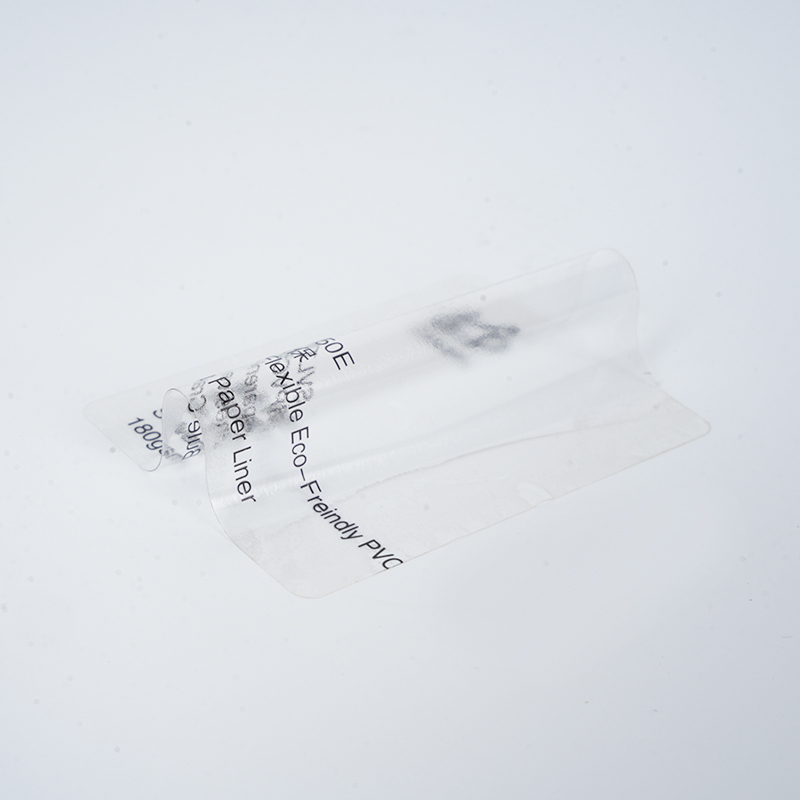
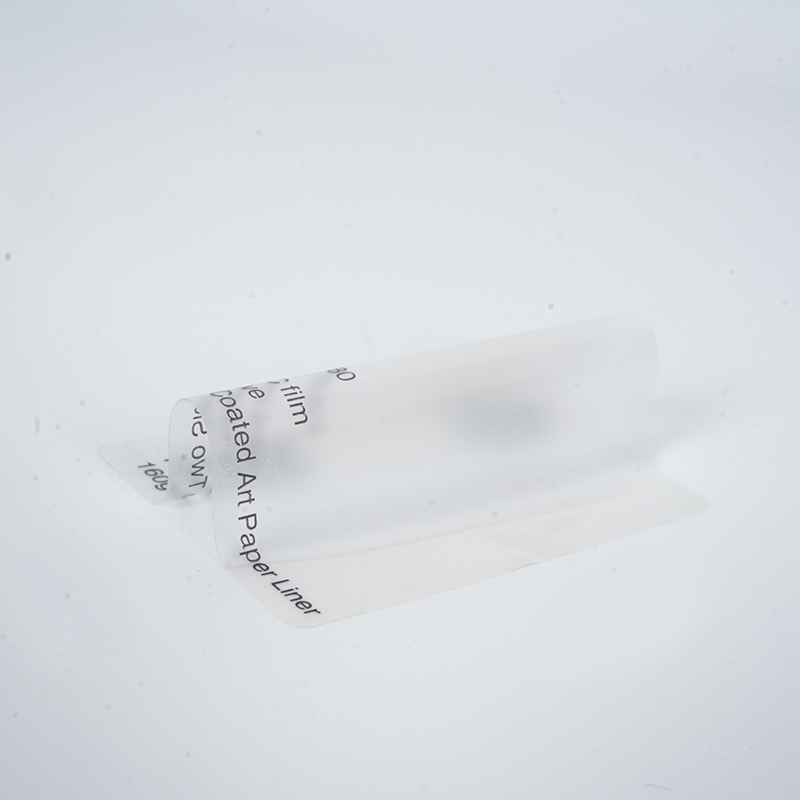
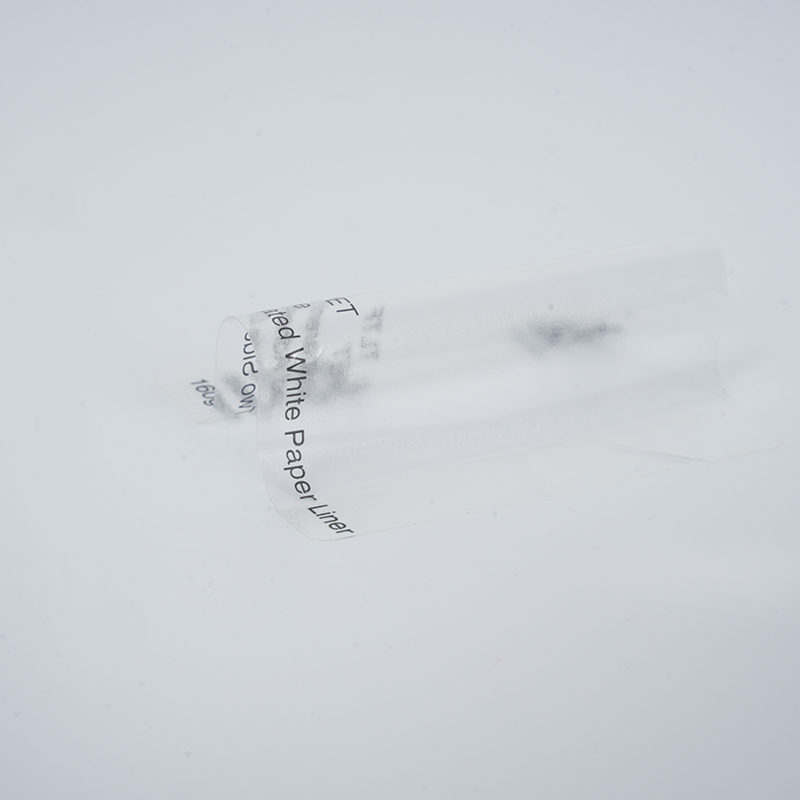
The performance of PVC label self-adhesive materials comes from the careful engineering of each layer. The PVC film layer — typically 0.05–0.15 mm thick — provides the structural foundation, offering flexibility, tear resistance, and dimensional stability. The film is formulated with plasticizers and stabilizers to maintain flexibility across a wide temperature range while resisting UV degradation. The surface coating enhances ink adhesion for digital, UV, screen, and flexographic printing — ensuring sharp graphics and durable colours. The adhesive layer, applied at 15–30 g/m² coating weight, determines bonding strength and is selected based on application requirements. The release liner, usually glassine or PET film, protects the adhesive until application and provides dimensional stability during die-cutting. A PVC label self-adhesive material with consistent layer thickness ensures reliable converting and application performance.
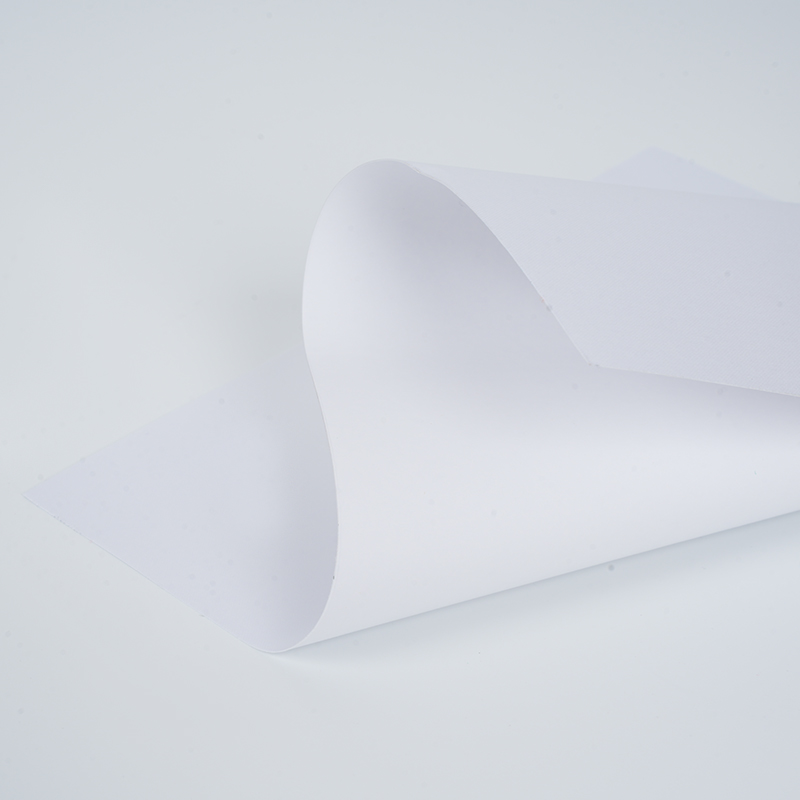
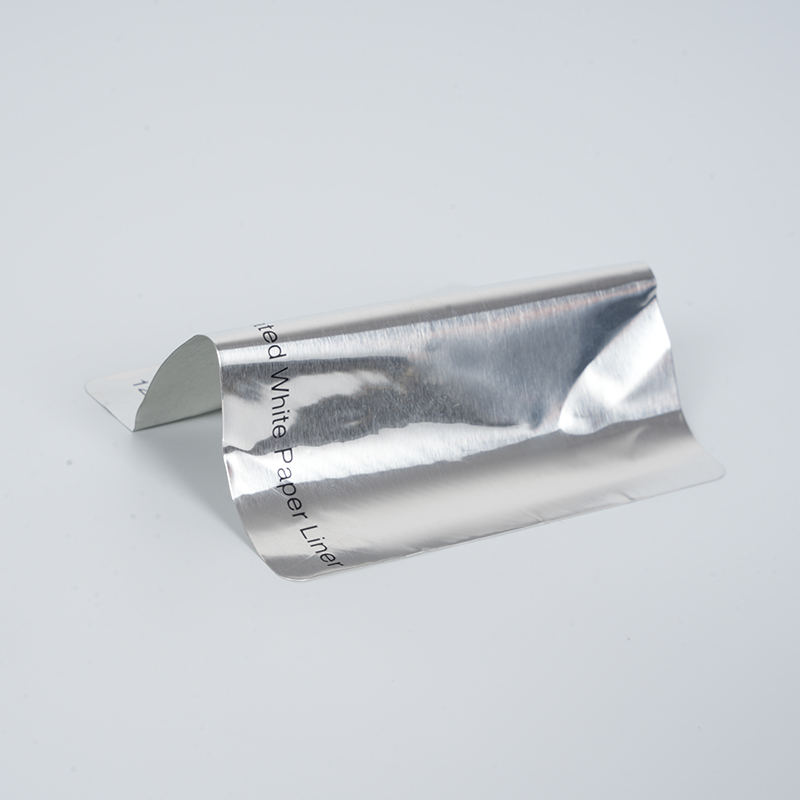
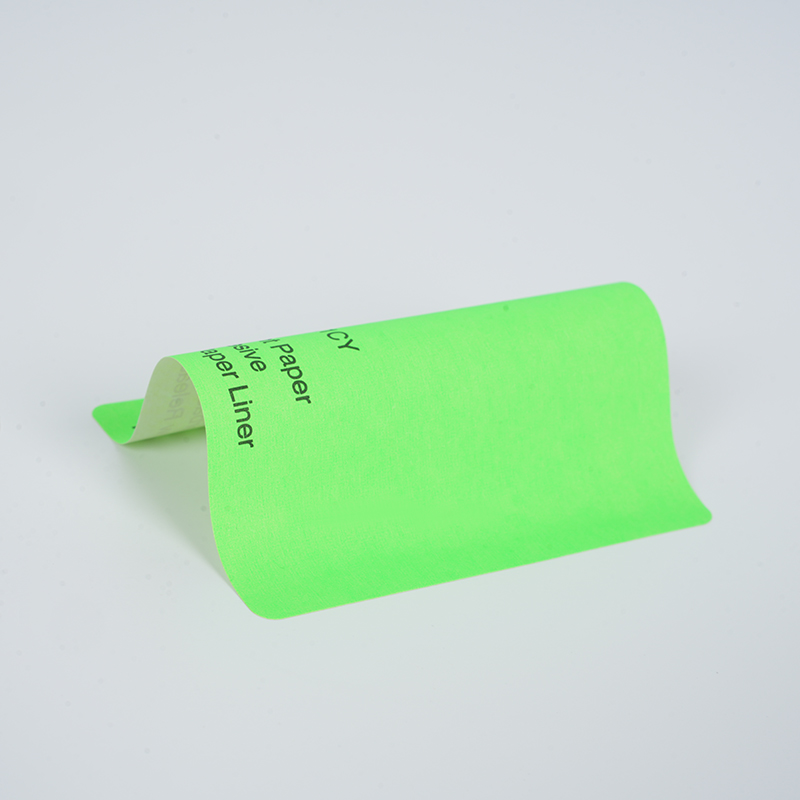
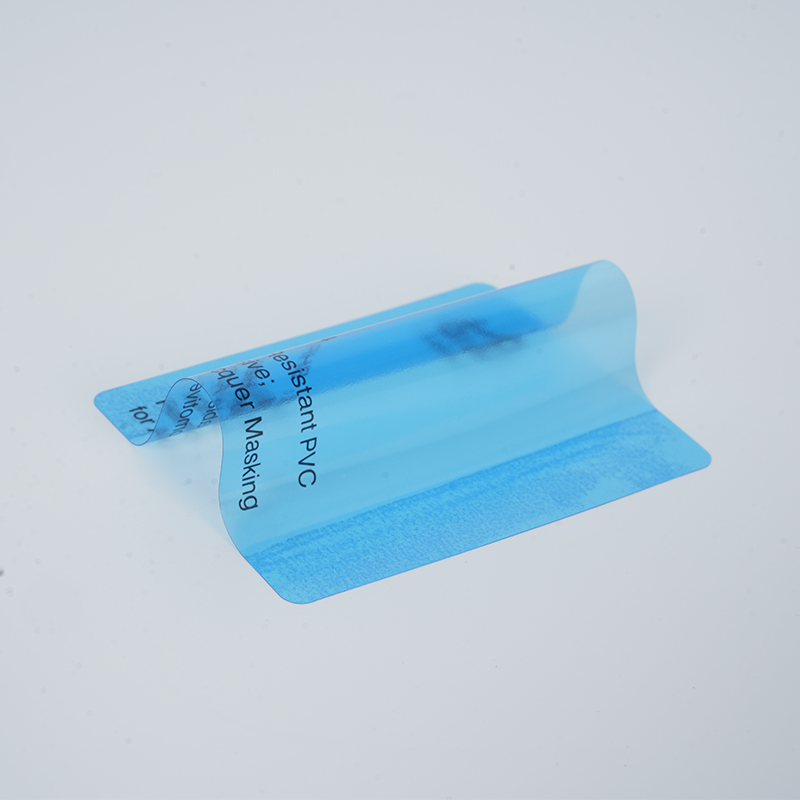
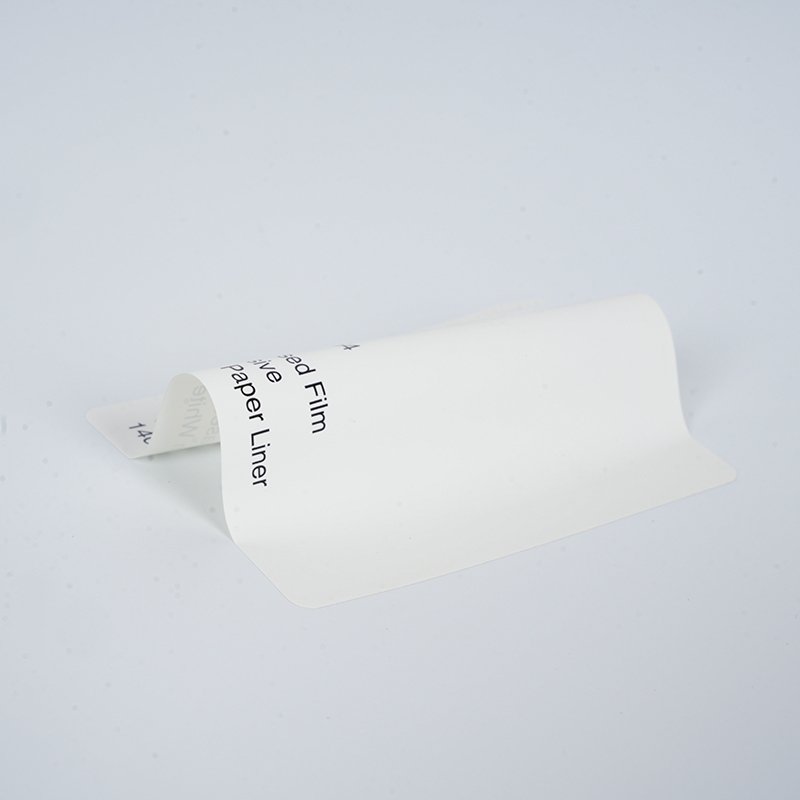
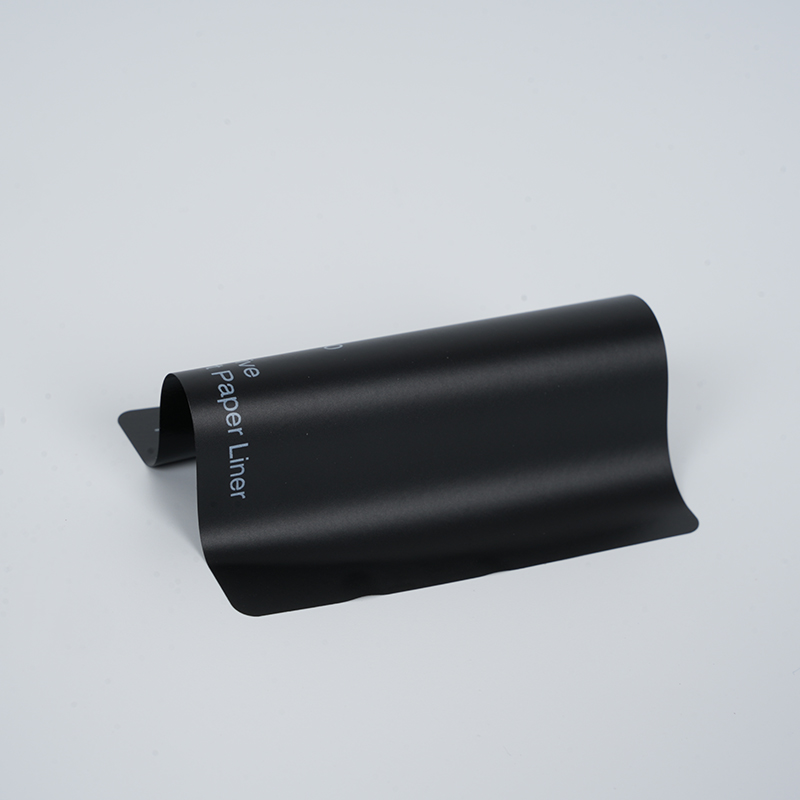
PVC label self-adhesive materials are available in multiple surface finishes and configurations to suit different applications. White PVC is the most common, providing excellent contrast for printed graphics and barcodes. Transparent PVC enables "no-label" appearance on clear containers, ideal for cosmetic and premium packaging. Matte PVC reduces glare and fingerprints, preferred for electronics and product information labels. Glossy PVC delivers high-impact colour saturation for retail and promotional labels. Coloured PVC offers pre-coloured options for brand-specific applications without full-coverage printing. Each finish type has specific surface energy requirements for optimal ink adhesion — matte surfaces typically require higher surface energy (38–42 dynes/cm) than glossy surfaces (36–40 dynes/cm).
The adhesive is the most critical component for label performance. Permanent acrylic adhesives provide the highest bond strength and are used for most industrial and outdoor applications — they develop maximum adhesion within 24–72 hours. Removable adhesives allow clean removal without residue, suitable for temporary labels and repositionable applications. High-temperature adhesives maintain bond strength at temperatures up to 150°C, essential for engine compartments and electronic components. Low-temperature adhesives remain tacky at -20°C for cold storage and outdoor winter applications. Adhesive tack — the initial grab — varies from high-tack for rough surfaces to medium-tack for smooth surfaces. Adhesive selection must consider the substrate surface energy, application temperature, and expected service life. The release liner — glassine for economy, PET for dimensional stability — also affects die-cutting and dispensing performance.
PVC label self-adhesive materials are compatible with multiple printing technologies. Digital printing (toner and inkjet) offers fast turnaround and variable data capability. UV printing provides immediate curing, high durability, and compatibility with uncoated films. Screen printing delivers thick, opaque ink layers for specialty applications. Flexographic printing is the most cost-effective for high-volume production. The surface coating must match the printing technology — digital-compatible coatings have specific surface energy and porosity to accept toner or ink. Corona treatment, applied during manufacturing, increases surface energy to 38–44 dynes/cm for optimal ink adhesion. Ink adhesion testing using cross-hatch tape tests (ASTM D3359) confirms print durability. For outdoor applications, UV-resistant inks and laminates extend label life and prevent colour fading.
Proper storage of PVC label self-adhesive materials preserves adhesive performance and ensures trouble-free converting. Materials should be stored in a temperature-controlled environment (15–25°C) with humidity levels between 40–60 percent. Rolls should be stored horizontally on pallets, never stacked more than three high to prevent deformation. Shelf life is typically 12–24 months from manufacture date under proper conditions. Exposure to extreme temperatures or humidity can cause adhesive bleed, blocking, or reduced tack. Before converting, materials should be acclimatised to the production environment for 24 hours. For best results, use within 12 months and follow first-in-first-out inventory rotation.
+86-18018686956
+86-021-69171221
No.1218, Huiping Road, Nanxiang Town, Jiading District, Shanghai, China
Copyright © Shanghai Baozhongbao Adhesive Products Co., Ltd. All Rights Reserved. Wholesale Self Adhesive Label Sticker Factory