+86-18018686956
 [email protected]
 Language
 русский
 Español
 عربى
عربى Tiếng Việt

Inquiry
+86-18018686956
[email protected]
Language
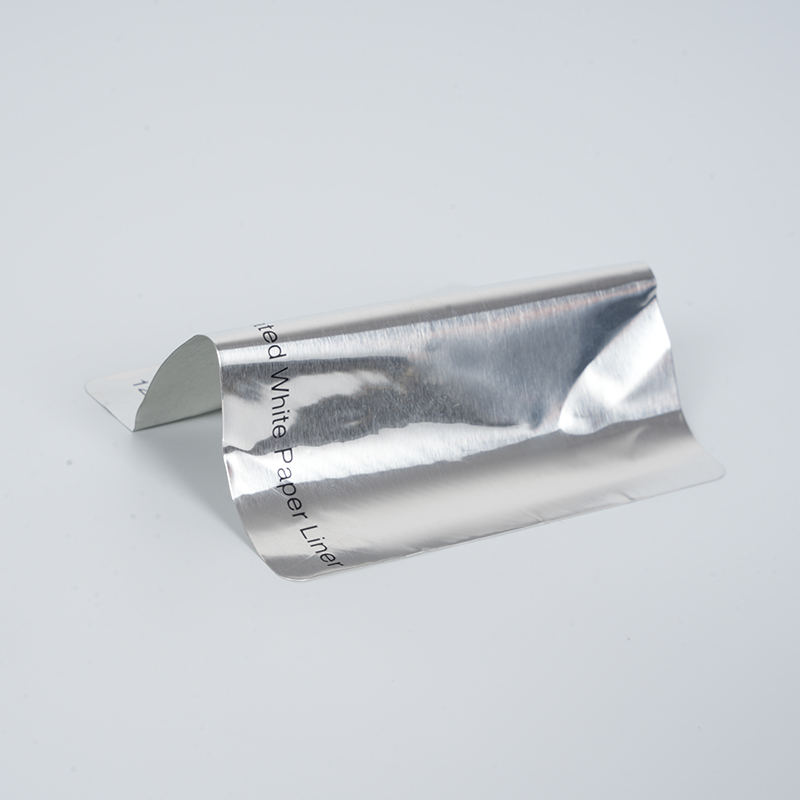
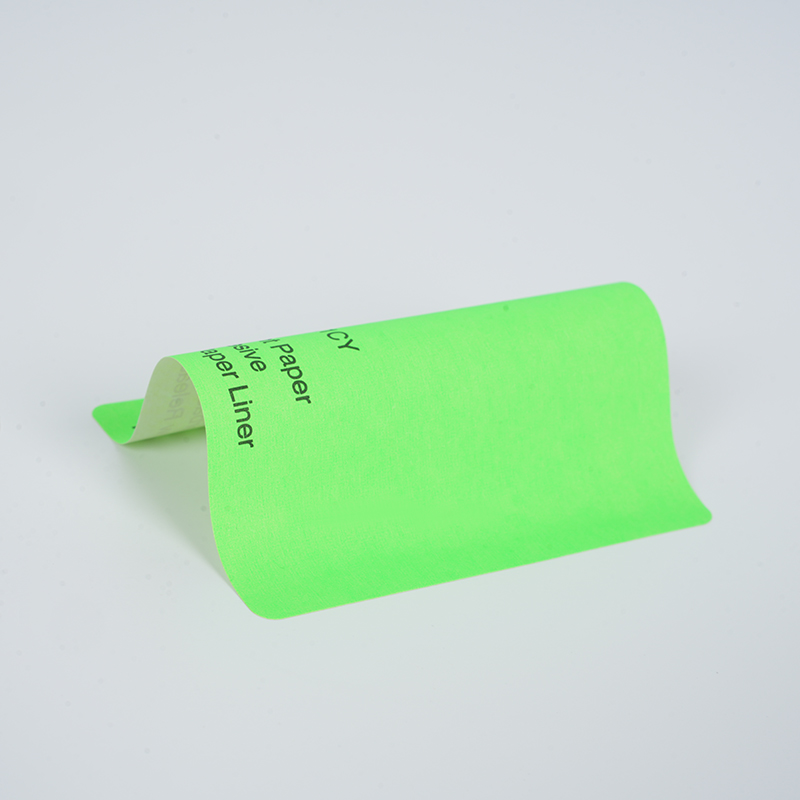
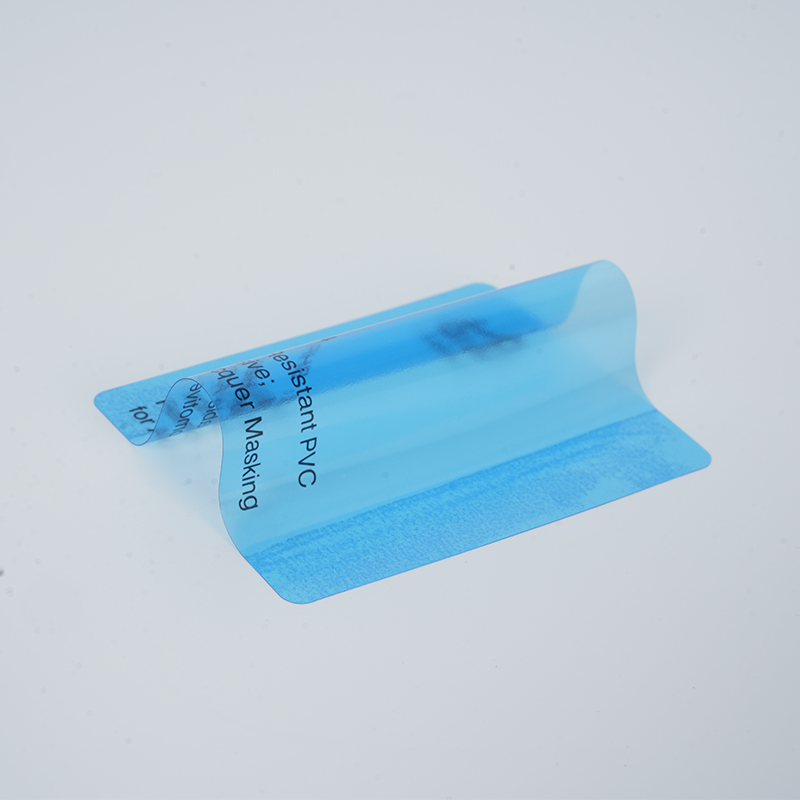
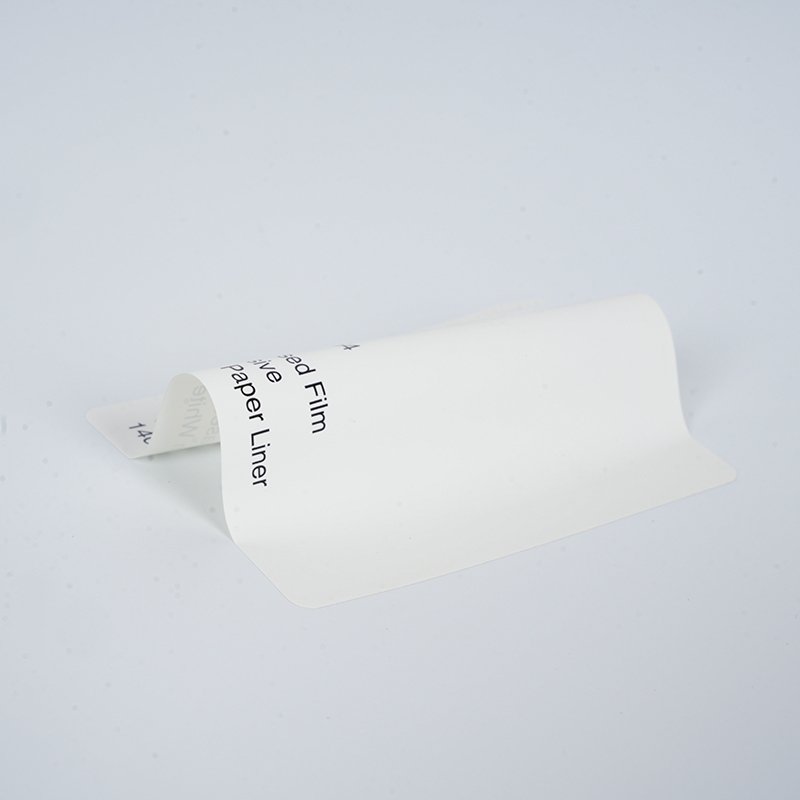
Self-adhesive paper materials are widely used in various industries, from packaging to labeling and office applications. The appeal of these materials lies in their ability to bond easily to surfaces without requiring additional adhesives or tapes. However, for these materials to deliver performance, it is crucial to focus on enhancing their durability and adhesion properties.
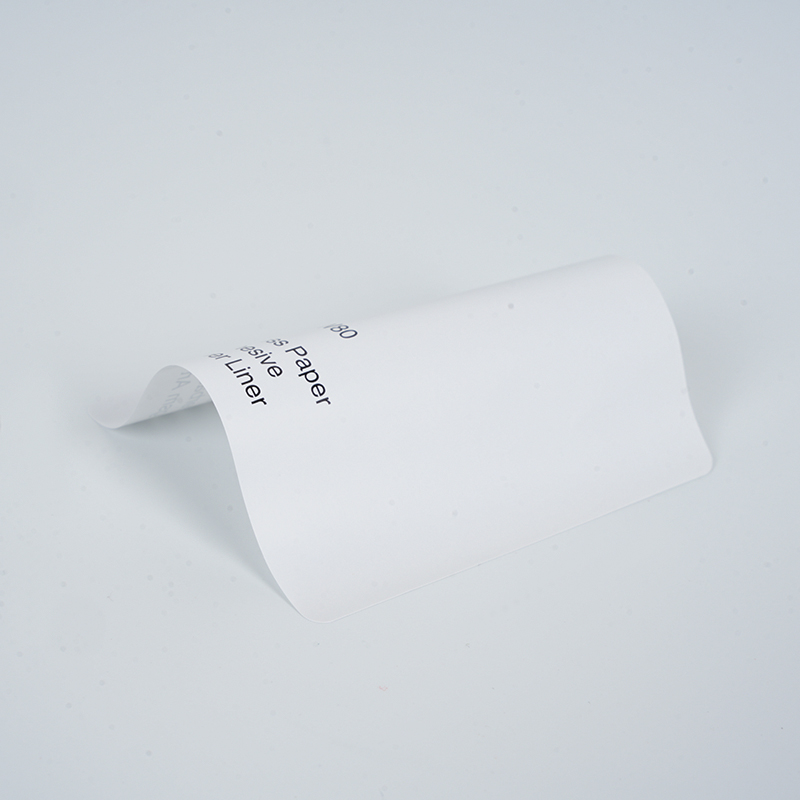
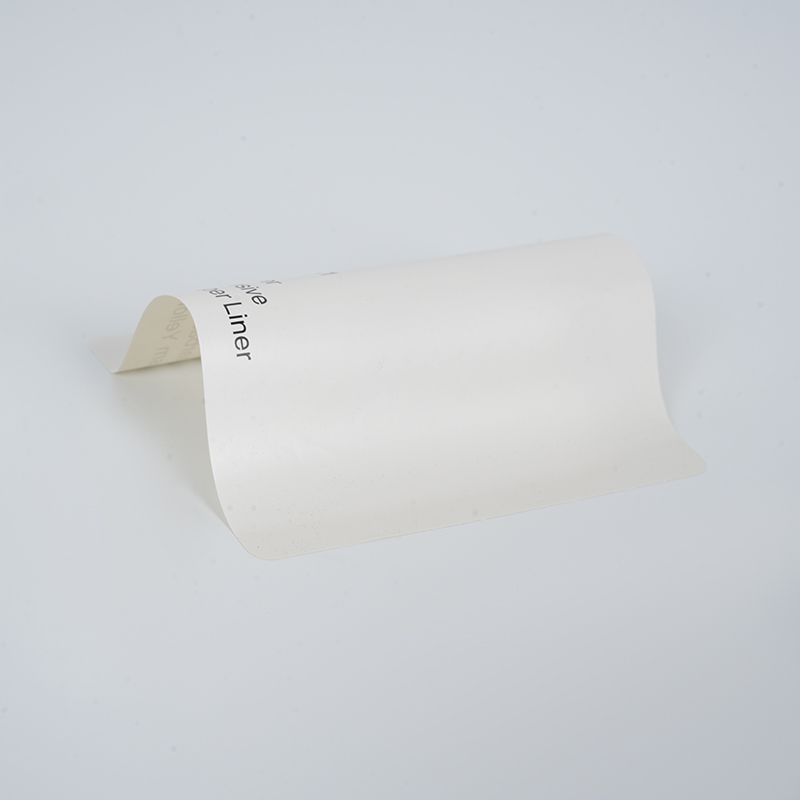
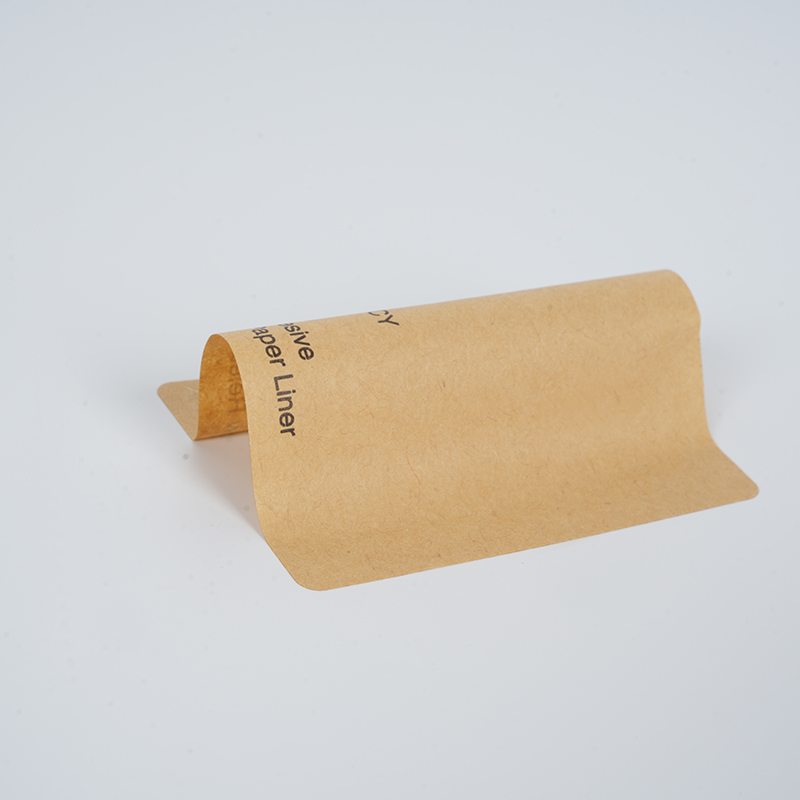
Self-adhesive paper materials consist of a base paper layer, an adhesive coating, and a protective backing layer. The adhesive can be either permanent or removable, depending on the application. The paper layer provides the material’s structure, while the adhesive determines how well it will stick to surfaces and how long it will stay adhered. The backing layer, usually a silicone-coated film, protects the adhesive before it is applied to the intended surface.
In applications where high adhesion and durability are critical, such as in packaging, shipping labels, and industrial uses, it is essential to optimize these key components for performance.
Several factors contribute to the durability and adhesion of self-adhesive paper materials. These include:
Adhesive Composition: The type of adhesive used in self-adhesive paper materials significantly affects their bonding strength and resistance to environmental factors. Pressure-sensitive adhesives (PSAs) are the commonly used, offering a balance between adhesion and ease of removal.
Paper Quality: The base paper’s texture, weight, and surface smoothness influence the adhesive’s ability to bond effectively. High-quality paper with a smooth, consistent surface tends to offer better adhesion properties.
Environmental Conditions: Temperature, humidity, and exposure to sunlight can all impact the longevity and adhesion of self-adhesive materials. Materials exposed to harsh conditions may degrade faster, resulting in loss of adhesion or paper deterioration.
Curing Process: The curing of adhesives is another important aspect. Proper curing ensures that the adhesive bonds efficiently to the paper, creating a strong and long-lasting hold.
Durability refers to the material’s ability to resist wear and tear, weathering, and other forms of degradation over time. Enhancing durability involves improving both the paper layer and the adhesive properties.
Applying protective coatings to the paper can help enhance its durability. Coatings such as UV-resistant films or laminates protect the surface from damage caused by exposure to sunlight or moisture. Additionally, coatings can provide resistance to abrasions, extending the lifespan of the self-adhesive paper materials in harsh environments.
The weight and thickness of the base paper play a critical role in the material’s durability. Thicker papers tend to be more durable and less prone to tearing. Manufacturers often opt for papers with higher grammage (weight) when durability is a key requirement. Additionally, multi-layered paper can offer increased strength and longevity compared to single-layer options.
The adhesive itself must also be formulated for durability. For example, modifying the chemical composition of the adhesive to increase its resistance to temperature fluctuations and moisture can significantly improve the material’s overall performance. Some manufacturers incorporate additional stabilizing agents or additives to enhance the adhesion properties, making them suitable for more demanding applications.
Adhesion is the key factor that ensures self-adhesive paper materials stick firmly to various surfaces. Improving adhesion can be achieved through several approaches.
The surface to which the self-adhesive material is applied plays a crucial role in adhesion. To improve bonding, surfaces must be clean, dry, and free from dust, grease, or any other contaminants. In industrial applications, surface primers or treatments may be used to increase the adhesive’s effectiveness.
The adhesive itself can be modified to enhance its bonding strength. By altering the molecular structure of the adhesive, manufacturers can create a stronger bond with the paper surface. This can include adjusting the viscosity or molecular weight of the adhesive to improve its tackiness and long-term bonding ability.
Adhesives can be tailored to perform optimally at different temperatures. For example, some adhesives are designed to remain effective in cold or heat, making them suitable for outdoor applications or refrigeration environments. Temperature-sensitive adhesives are especially useful for applications in the automotive and electronics industries.
New developments in adhesive technologies, such as micro-encapsulation or pressure-sensitive adhesive technology, offer significant improvements in adhesion. These advanced adhesives can provide a stronger bond without the need for excessive pressure, allowing for easier application and a longer-lasting hold.
Manufacturers of self-adhesive paper materials must conduct rigorous testing to ensure that both the paper and adhesive meet high-quality standards. Common tests include:
By conducting these tests, self-adhesive paper materials manufacturers can ensure that their products meet the performance standards required by their customers.
The durability and adhesion of self-adhesive paper materials are essential to their effectiveness in various applications. By improving the composition of the adhesive, optimizing paper quality, and utilizing advanced coatings and technologies, manufacturers can significantly enhance the performance of these materials. Testing and quality control are critical to ensuring that these materials meet the necessary standards for durability and adhesion, providing long-lasting solutions for a variety of industries.
Q1: What is the primary factor influencing adhesion in self-adhesive paper materials?
A1: The primary factor is the adhesive composition, which determines how well the material sticks to surfaces. Surface preparation and the quality of the paper also play key roles.
Q2: How can self-adhesive paper materials be made more durable?
A2: Durability can be improved by using thicker paper, applying protective coatings, and enhancing the adhesive’s resistance to environmental factors such as temperature and moisture.
Q3: Are there specific adhesives for weather conditions?
A3: Yes, adhesives can be formulated to withstand temperatures, humidity, and UV exposure, making them suitable for outdoor or harsh environmental applications.
Q4: How do manufacturers test the quality of self-adhesive paper materials?
A4: Manufacturers conduct peel adhesion tests, shear adhesion tests, and environmental testing to ensure that self-adhesive materials meet the required durability and performance standards.
Q5: Can the adhesion of self-adhesive paper materials be improved after production?
A5: While some enhancements can be made post-production, the primary focus should be on the selection of materials, adhesive formulations, and surface preparation during the manufacturing process for the results.
+86-18018686956
+86-021-69171221
No.1218, Huiping Road, Nanxiang Town, Jiading District, Shanghai, China
Copyright © Shanghai Baozhongbao Adhesive Products Co., Ltd. All Rights Reserved. Wholesale Self Adhesive Label Sticker Factory