+86-18018686956
 [email protected]
 Language
 русский
 Español
 عربى
عربى Tiếng Việt

Inquiry
+86-18018686956
[email protected]
Language
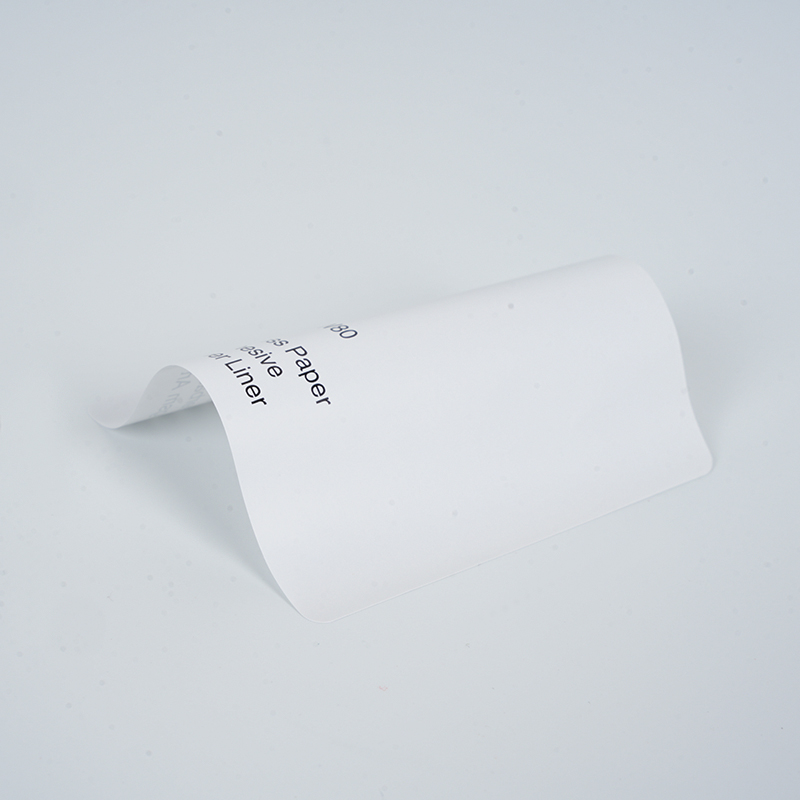
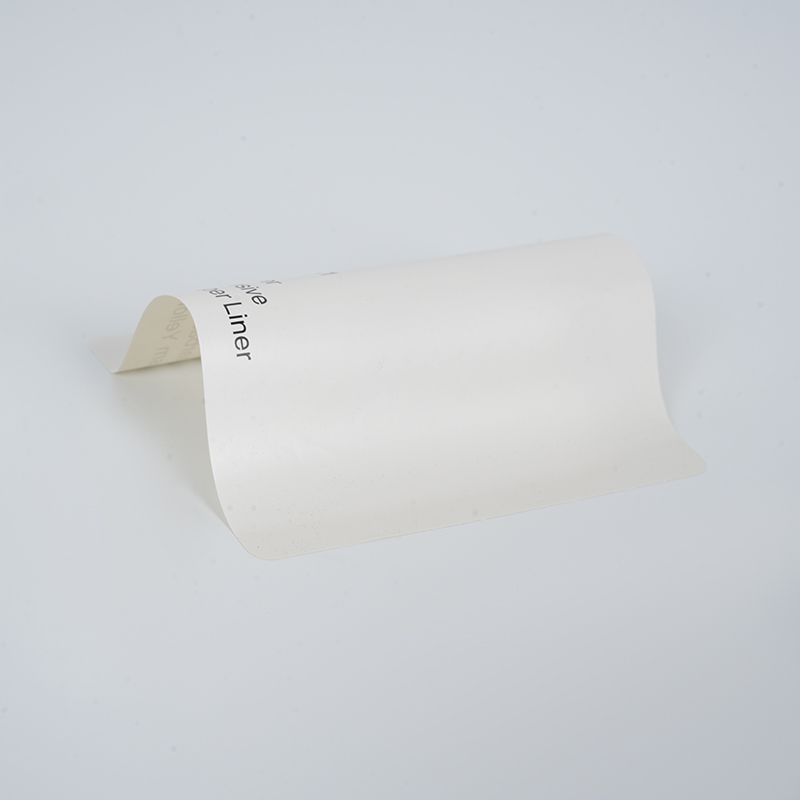
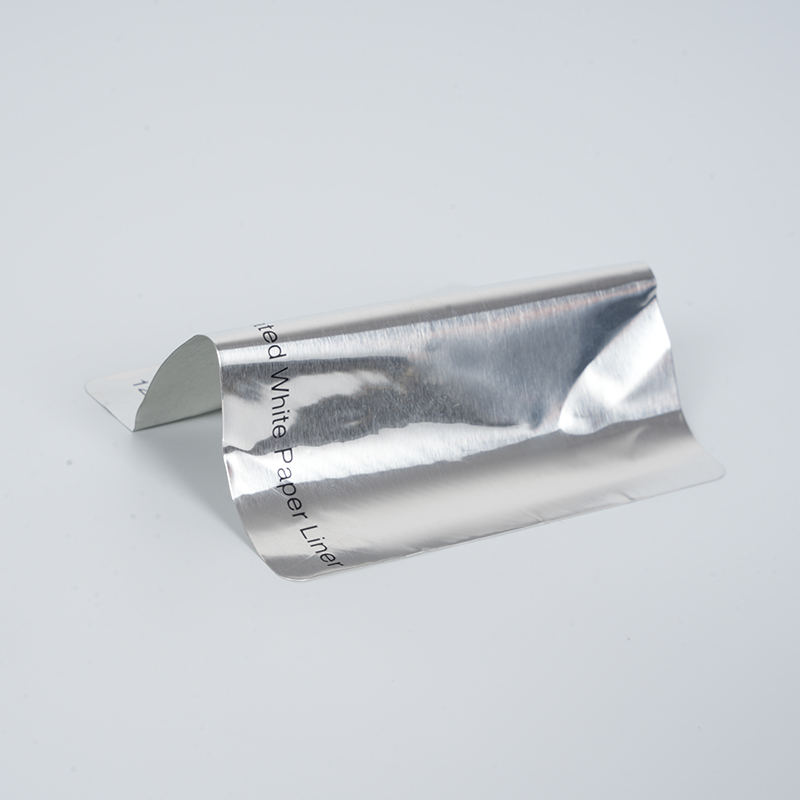
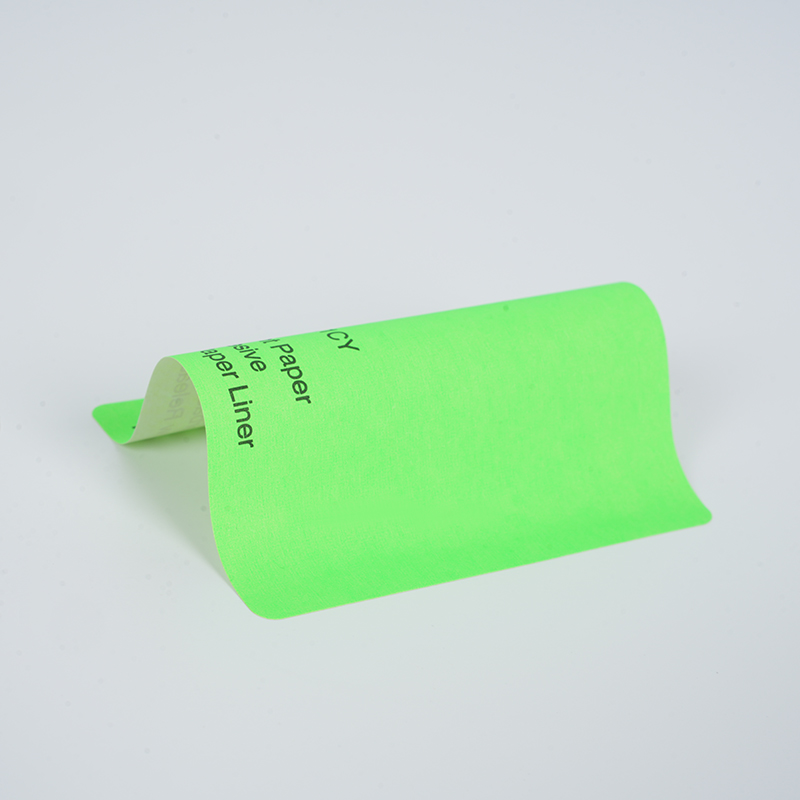
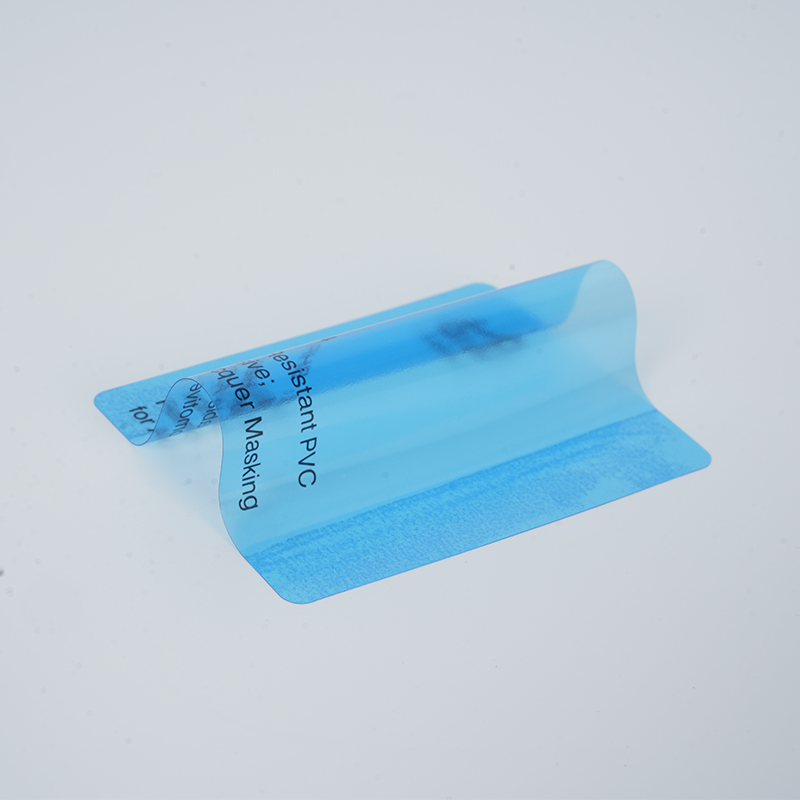
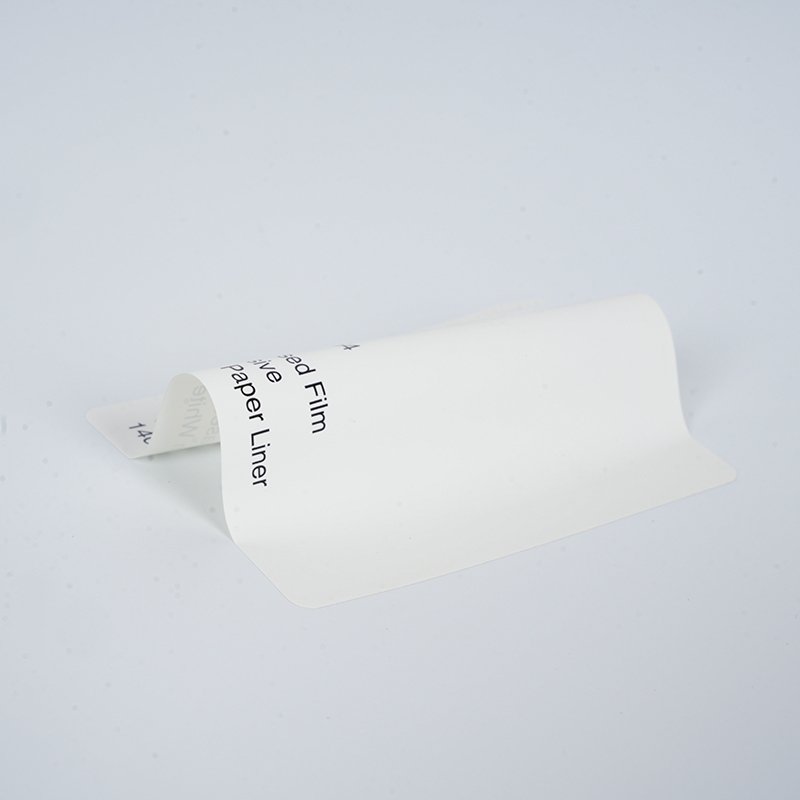
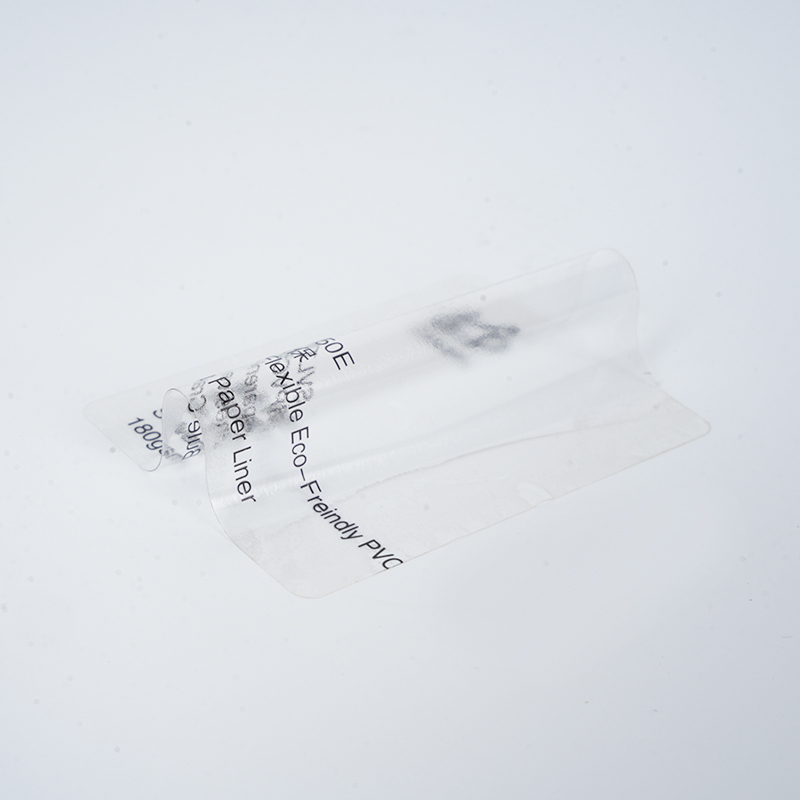
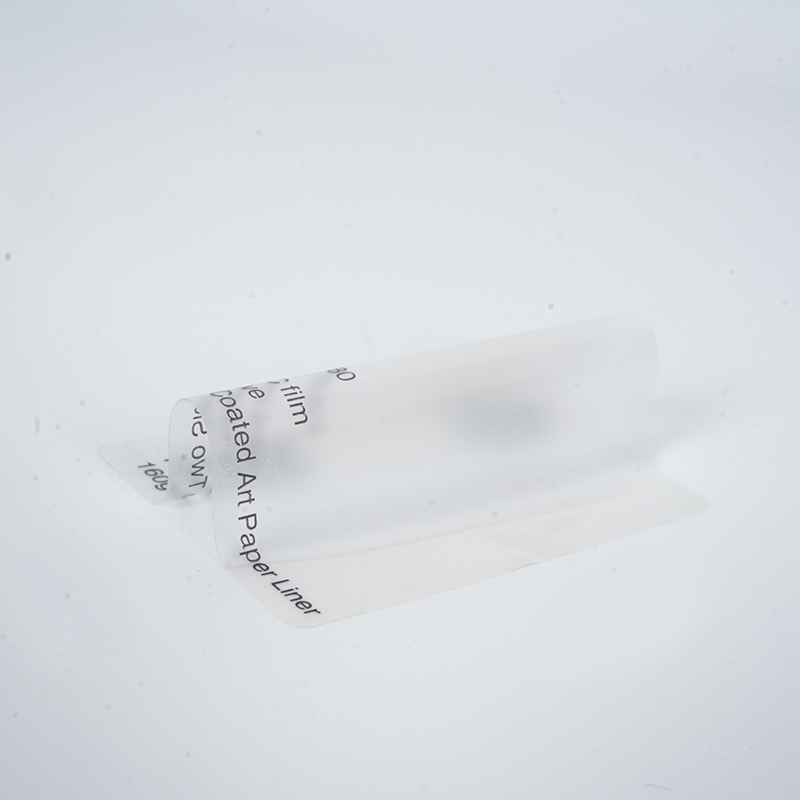
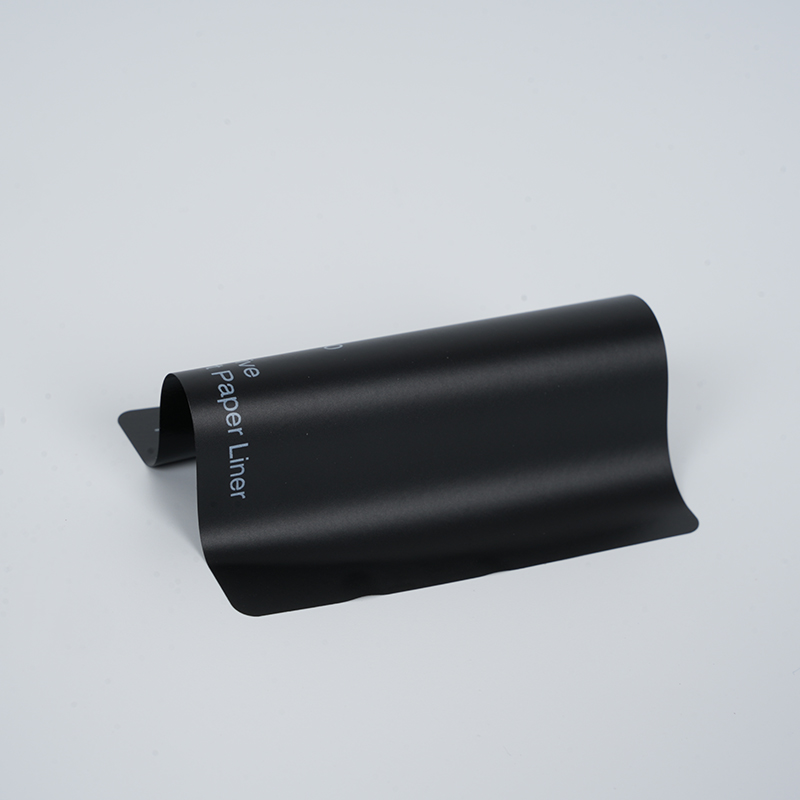
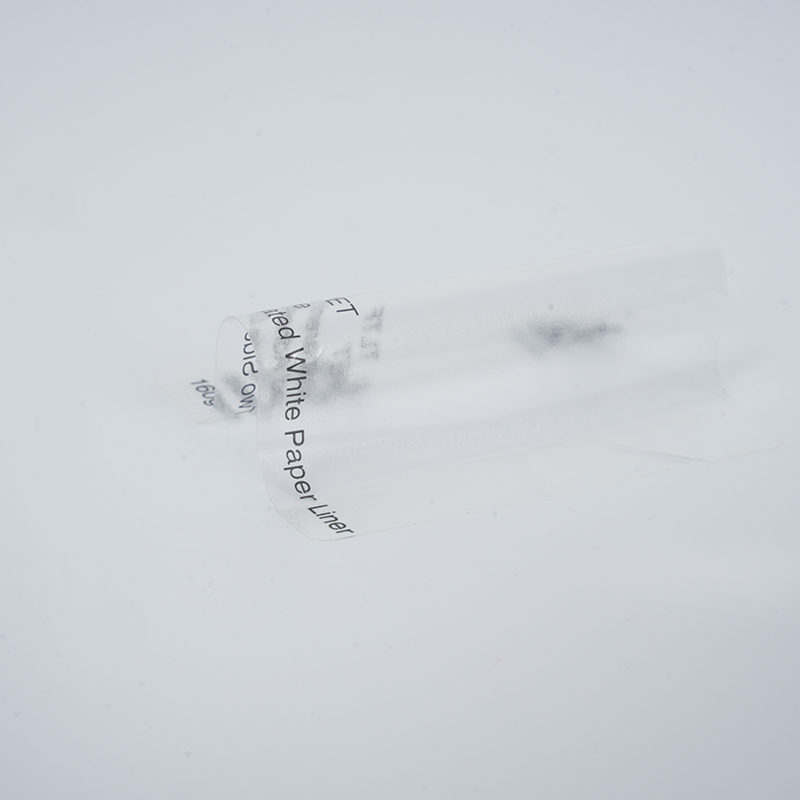
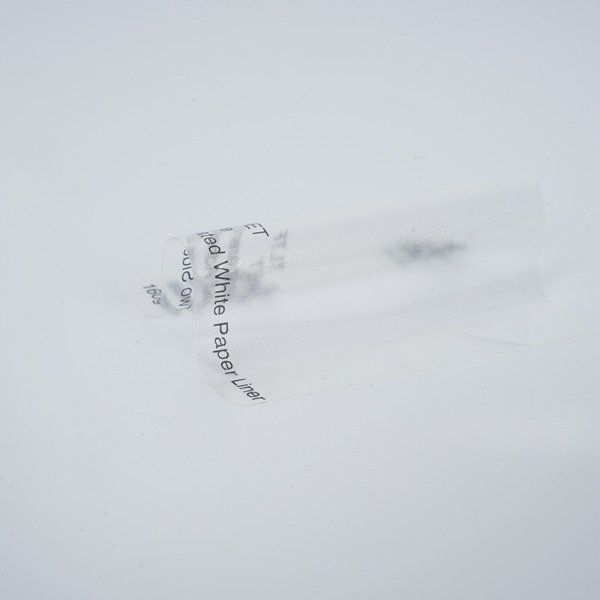
In the world of adhesives, PET self-adhesive materials have emerged as a promising alternative to traditional adhesives. PET (Polyethylene Terephthalate) is a versatile polymer used in various industries, including automotive, packaging, and electronics, due to its durability, flexibility, and ease of application.
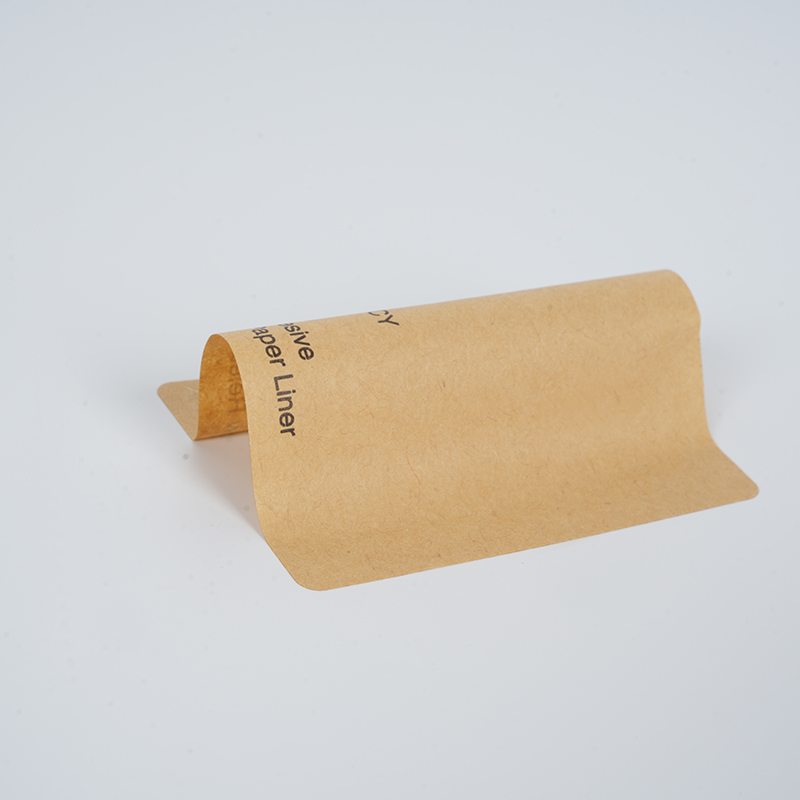
PET self-adhesive materials are engineered to bond to surfaces without the need for additional adhesives or heat. These materials are pre-coated with a layer of adhesive, making them easy to apply to various substrates. PET self-adhesive materials offer a wide range of applications, from labeling and packaging to protective films in electronics.
Traditional adhesives include various bonding agents, such as glue, tapes, and liquid adhesives, which typically require additional processing, such as heating, curing, or applying external pressure, to form a strong bond. Traditional adhesives are generally applied manually or with the help of automated systems, depending on the production scale.
| Property | PET Self-Adhesive Materials | Traditional Adhesives |
|---|---|---|
| Ease of Application | High - No additional processing required | Moderate - Requires heat, pressure, or curing |
| Durability | Excellent - Resistant to wear, moisture, and UV | Varies - Depends on the adhesive type |
| Adhesive Strength | Strong, suitable for surfaces | Varies - Some adhesives offer higher strength for specific applications |
| Cost | Higher - Due to specialized manufacturing | Lower - Generally more affordable for bulk applications |
| Environmental Impact | Lower - PET materials are recyclable | Varies - Some traditional adhesives may be harmful to the environment |
| Versatility | High - Can adhere to various substrates | Moderate - Some adhesives are limited to specific materials |
| Application Range | Wide - Packaging, electronics, automotive | Wide - Construction, automotive, general bonding |
PET self-adhesive materials offer several advantages over traditional adhesives, particularly in industries requiring high-performance, durable solutions. Some key benefits include:
Despite their numerous advantages, PET self-adhesive materials are not without challenges. The primary drawbacks include:
A PET materials manufacturer plays a crucial role in the development and production of high-quality PET self-adhesive materials. By working with advanced manufacturing technologies, these manufacturers ensure that PET self-adhesive materials meet the required specifications for various industrial applications. They are also involved in ongoing research and development efforts to improve the performance and sustainability of PET materials.
The versatility of PET self-adhesive materials makes them ideal for a wide range of applications, including:
One of the key benefits of PET self-adhesive materials is their recyclability. PET is one of the widely recycled plastics, making it a more environmentally friendly option compared to many traditional adhesives, which may contain harmful chemicals or require more complex disposal methods.
Q1: What are the main differences between PET self-adhesive materials and traditional adhesives?
A1: PET self-adhesive materials are pre-coated with adhesive, offering ease of application, durability, and versatility, while traditional adhesives typically require external processing like heat or pressure.
Q2: Are PET self-adhesive materials more expensive than traditional adhesives?
A2: Yes, the initial cost of PET self-adhesive materials is generally higher due to the specialized manufacturing process. However, they can be more cost-effective in the long term due to their durability and ease of use.
Q3: What industries benefit from PET self-adhesive materials?
A3: Industries such as packaging, electronics, automotive, and construction benefit greatly from PET self-adhesive materials due to their versatility and durability.
Q4: Are PET self-adhesive materials environmentally friendly?
A4: Yes, PET is a recyclable material, making PET self-adhesive materials a more environmentally friendly option compared to some traditional adhesives.
Q5: Can PET self-adhesive materials be used for all types of bonding applications?
A5: While PET self-adhesive materials are versatile, they may not be suitable for all bonding applications, particularly those requiring adhesive strength or customization.
+86-18018686956
+86-021-69171221
No.1218, Huiping Road, Nanxiang Town, Jiading District, Shanghai, China
Copyright © Shanghai Baozhongbao Adhesive Products Co., Ltd. All Rights Reserved. Wholesale Self Adhesive Label Sticker Factory