+86-18018686956
 [email protected]
 Language
 русский
 Español
 عربى
عربى Tiếng Việt

Inquiry
+86-18018686956
[email protected]
Language
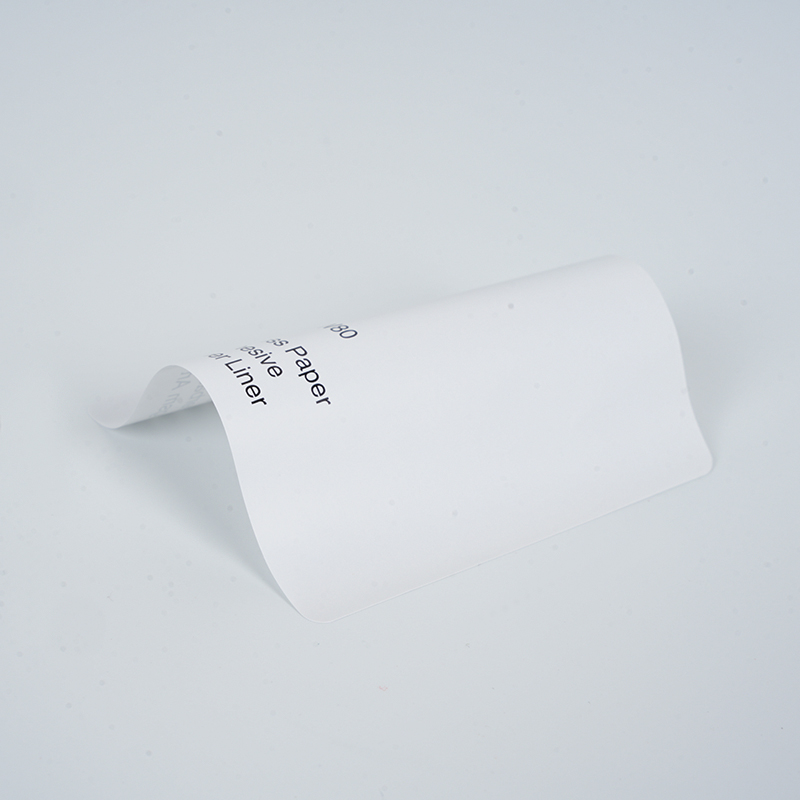
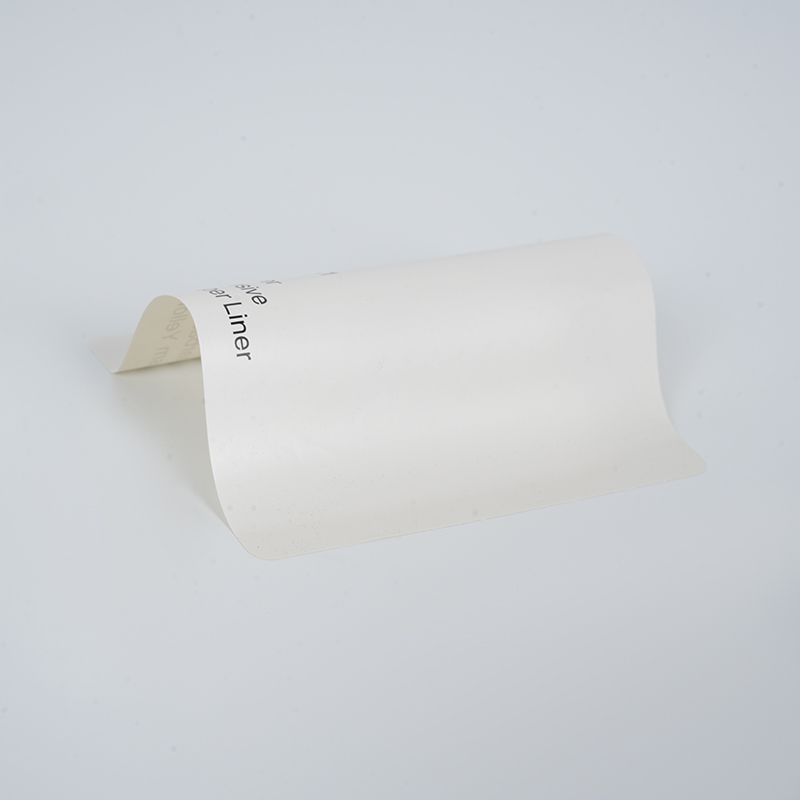
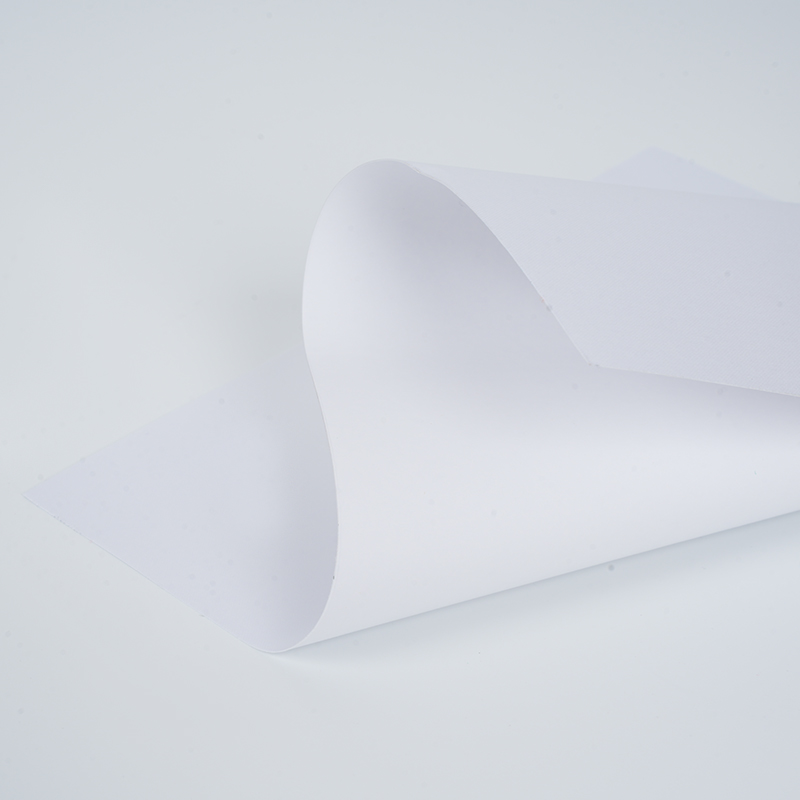
In the world of specialty printing papers, surface finish often determines the perceived value of the final product. Among various coated papers, cast coated paper holds a distinct position due to its mirror-like gloss, exceptional smoothness, and high ink holdout.
Cast coated paper is a type of coated paper produced through a unique finishing process that creates an extremely glossy, reflective surface. Unlike conventional machine-coated papers that are dried under normal tension and then calendered (pressed between rollers) to achieve smoothness, cast coated paper is dried while in contact with a highly polished, heated chrome cylinder. This process effectively casts the surface of the coating to mirror the cylinder’s finish, resulting in unparalleled gloss and flatness.
The base paper is typically made from chemical pulp, and the coating formulation includes pigments (often fine clay or calcium carbonate), adhesives, and optical brightening agents. The critical step is pressing the wet coating against the heated drum without any intervening nip or subsequent calendering. This yields a surface that is not only glossy but also highly resistant to ink absorption, allowing printed colors to sit on top of the paper rather than soaking in.
| Feature | Cast Coated Paper | Conventional Coated Paper (e.g., C1S, C2S) |
|---|---|---|
| Gloss level | Very high (80–90+ GU) | Moderate (40–70 GU) |
| Surface smoothness | Mirror-like, no micro-roughness | Smooth but with minor texture |
| Ink holdout | Excellent | Good to moderate |
| Calendering required | No (cast drum drying) | Yes (supercalendering) |
| Typical thickness range | 80–300 gsm | 70–400 gsm |
Understanding the manufacturing process clarifies why this paper performs differently from standard coated stocks. After the base paper is formed and dried, a coating mixture is applied, usually via an air knife or blade coater. The still-wet coated web immediately contacts a large-diameter, chromed, mirror-finished cylinder heated to around 80–110°C.
As the paper travels along the drum, the coating film sets and dries while pressed firmly against the hot mirrored surface. The pressure is not from a second roller but from the web tension and the natural adhesion of the wet coating to the drum. Upon leaving the drum, the coating surface has faithfully replicated the drum’s mirror gloss. The resulting paper can be produced with one cast-coated side (cast coated one side, or C1S) or, less commonly, two sides (C2S) using a tandem process.
Key variables in production include:
Because the process is slower than conventional coating, cast coated paper commands a higher price, but the visual impact justifies the cost for premium applications.
For printers and converters, several performance characteristics of cast coated paper matter most. These include:
1. High ink gloss and contrast
Due to the non-porous, extremely smooth surface, ink remains on the surface rather than wicking into the base fiber. This yields sharper halftone dots, higher color density, and metallic or fluorescent ink performance.
2. Poor ink adhesion without pretreatment
The same impervious surface that creates gloss can cause problems for subsequent ink adhesion, especially with water-based inks. Many cast coated papers require corona treatment or a special primer before flexographic or offset printing.
3. Susceptibility to scratching
The glossy coating is harder than standard coated paper but can scratch or scuff if handled roughly. This is an important consideration for packaging that undergoes high-speed filling or transport.
4. Limited foldability
Cast coated paper tends to crack along fold lines more readily than conventional coated paper. Designers often avoid heavy creasing or use scoring before folding.
Cast coated paper’s distinctive shine and smoothness make it unsuitable for everyday printing but ideal for products that demand a premium, luxurious feel. Below are the primary use cases.
The common application is folding cartons for cosmetics, perfumes, chocolates, and jewelry. A cast coated surface allows vibrant, photorealistic printing with high gloss—mimicking laminated paper but without the plastic film. For small runs of luxury boxes, cast coated paper provides a sustainable alternative to UV coating or lamination, as the entire package remains recyclable.
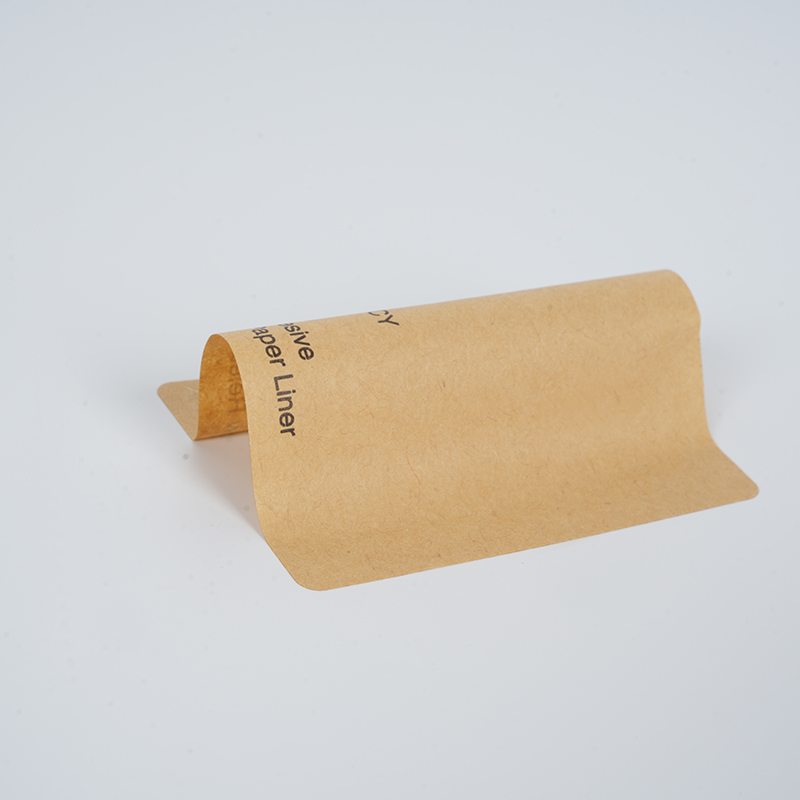
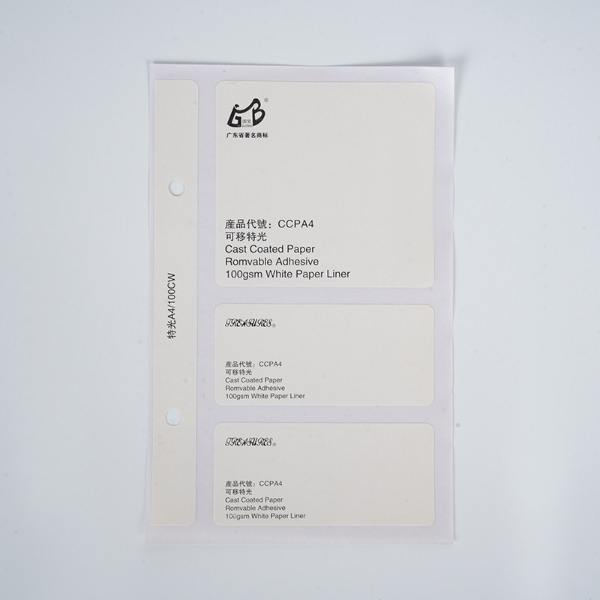
Pressure-sensitive labels for wine bottles, premium spirits, gourmet foods, and personal care products often employ cast coated paper. The gloss enhances color saturation and makes metallic foils printed on top appear brighter. In addition, the smooth surface allows fine details such as microtext or QR codes to remain legible.
High-gloss greeting cards, postcards, and wedding invitations sometimes use cast coated paper for the outer image side while keeping the reverse side uncoated for writing. The result is a striking contrast between a mirror-finish photo or illustration and a natural paper feel on the back.
Although inkjet photo papers dominate consumer photography, cast coated paper is still used in commercial photo albums, calendars, and art catalogs, especially for offset or screen printing. It provides a continuous-tone appearance similar to silver halide prints when combined with high-quality offset inks.
In-store displays, shelf wobblers, and promotional cards benefit from the eye-catching gloss of cast coated paper. The material holds up well under display lighting without fading or yellowing, provided UV-stable inks are used.
Not all printing methods yield good results on cast coated paper. Choosing the correct process is essential.
For a print buyer or designer, switching to cast coated paper involves trade-offs. The table below summarizes critical decision points.
| Consideration | Cast Coated Paper | Alternative (e.g., BOPP lamination, varnish) |
|---|---|---|
| Gloss level | Extremely high (mirror) | High (film lamination); Medium (UV varnish) |
| Print scuff resistance | Low to medium | High (lamination); Medium (UV coating) |
| Recyclability | Fully recyclable (no plastic) | Laminate hinders recycling |
| Cost per 1,000 sheets | High (premium paper) | Medium to high (depending on post-print process) |
| Compatibility with post-press | Scoring required, glue difficult | Easier gluing and folding |
High-traffic keywords that naturally accompany cast coated paper searches include: high-gloss printing paper, mirror finish paper, coated one side paper, premium packaging paper, C1S paper, glossy label stock, and cast coating process.
Cast coated paper is sensitive to humidity and mechanical stress. Print shops should observe the following:
One advantage cast coated paper holds over plastic-laminated board is end-of-life recyclability. Since no plastic film is applied, the entire substrate can be repulped in standard paper recycling streams. However, the coating itself—clay and latex binder—does separate during repulping and is removed as sludge. Compared to extrusion-coated or film-laminated papers, cast coated paper has a lower carbon footprint per ton, although its production is more energy-intensive than uncoated or standard coated paper.
Some manufacturers offer cast coated paper from FSC-certified sources and use water-based coating mixes without volatile organic compounds (VOCs), making it suitable for food-contact packaging such as chocolate boxes or pastry cartons, provided appropriate inks are used.
Cast coated paper offers an unmatched combination of mirror gloss, smoothness, and ink vibrancy, making it a material of choice for high-end packaging, luxury labels, and specialty print products. While it demands careful handling, specific printing techniques, and additional finishing measures, the visual result justifies the investment for premium segments. Print professionals evaluating a move toward sustainable yet striking surfaces should consider cast coated paper not as a commodity but as a strategic substrate that elevates brand perception and shelf appeal.
+86-18018686956
+86-021-69171221
No.1218, Huiping Road, Nanxiang Town, Jiading District, Shanghai, China
Copyright © Shanghai Baozhongbao Adhesive Products Co., Ltd. All Rights Reserved. Wholesale Self Adhesive Label Sticker Factory