+86-18018686956
 [email protected]
 Language
 русский
 Español
 عربى
عربى Tiếng Việt

Inquiry
+86-18018686956
[email protected]
Language
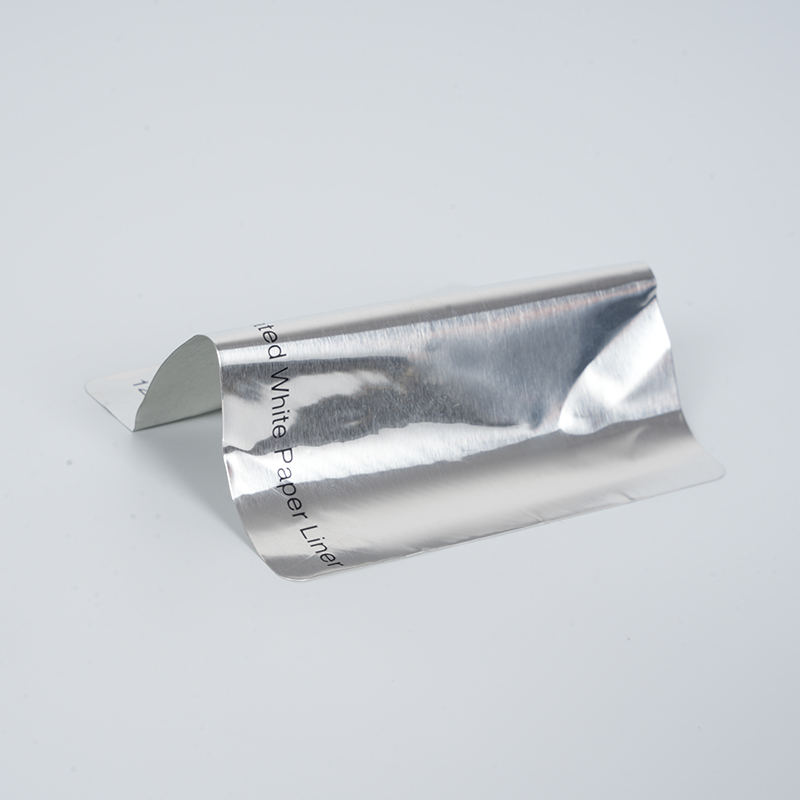
When a label needs to hold up in a warehouse freezer, survive a dishwasher cycle, or simply carry a barcode on a cardboard box, the choice of face material determines success or failure long before ink ever touches the surface. Businesses sourcing self-adhesive paper materials and synthetic film stocks are really choosing between two different physical behaviors: fiber-based sheets that absorb moisture and flex with handling, versus polymer films that resist water, chemicals, and tearing but behave differently under heat and adhesive bonding.
This comparison breaks down the practical differences so buyers, converters, and packaging teams can match material to application rather than defaulting to whichever stock is cheapest per roll.
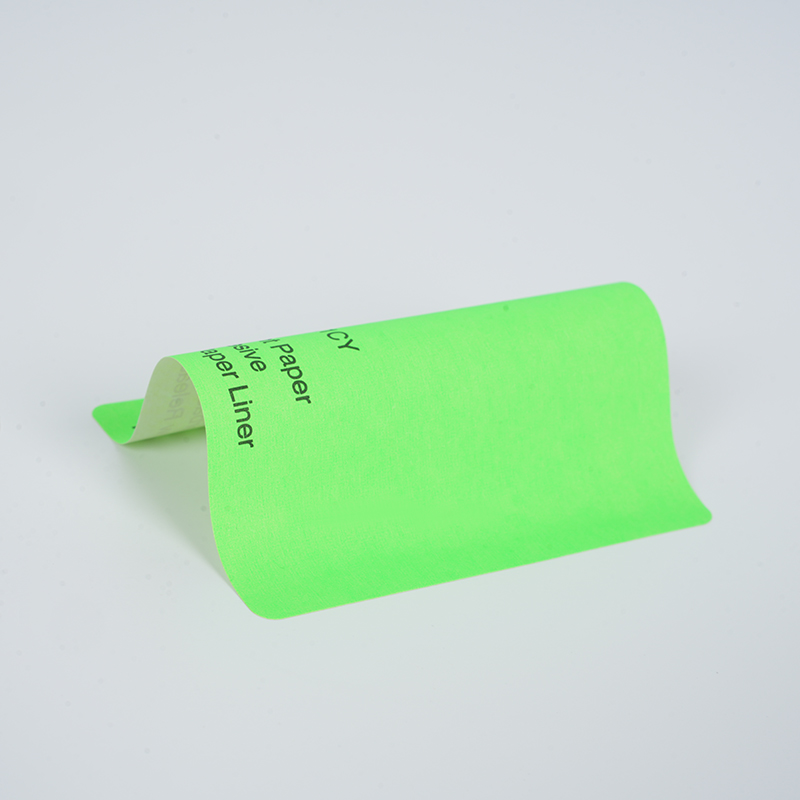
Paper label stock is manufactured from wood pulp fibers, calendered and sometimes coated to control ink absorption. The fiber structure gives it a matte or semi-gloss finish that many printers and toners bond to easily. Because the base is cellulose, it remains porous unless a top coating is applied, which affects how it reacts to moisture and oils.
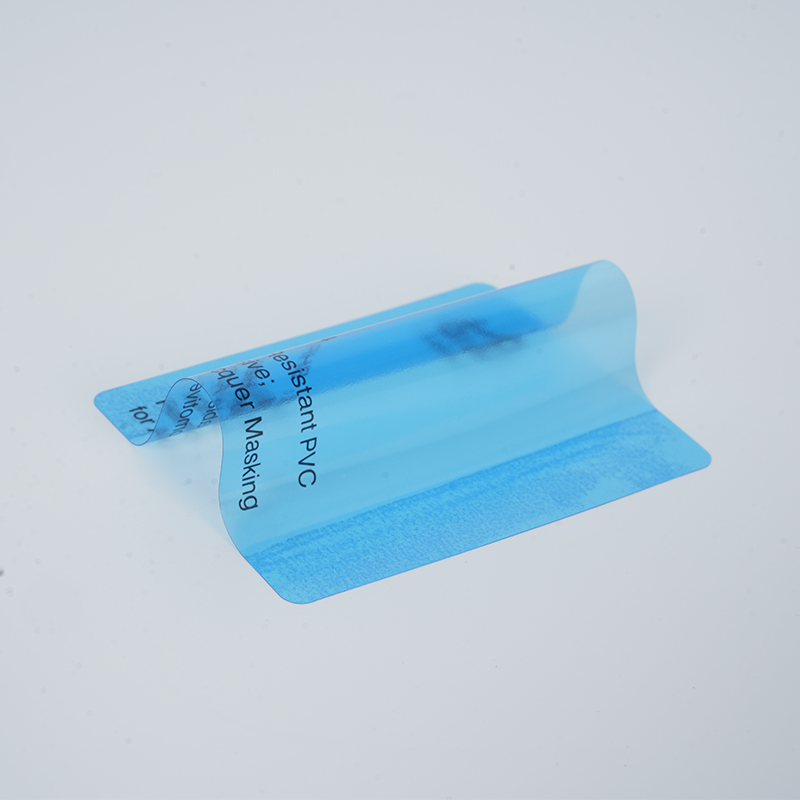
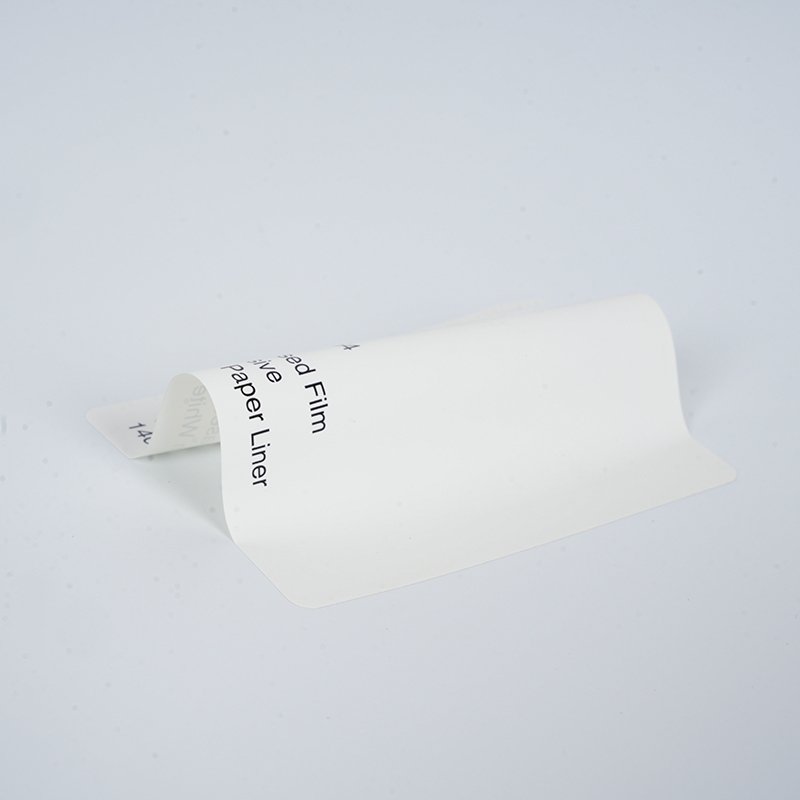
Synthetic materials are typically polypropylene, polyester, or polyethylene films. These are non-porous, so they do not absorb liquids the way paper does. Instead, ink sits on the surface, which is why synthetic stocks often require specialized inks or coatings to achieve strong adhesion and prevent smudging or scratching.
| Property | Paper Facestock | Synthetic Facestock |
|---|---|---|
| Base Material | Wood pulp fiber | Polypropylene / Polyester film |
| Porosity | Porous unless coated | Non-porous |
| Typical Thickness | 60 to 100 microns | 75 to 150 microns |
| Tear Resistance | Low to moderate | High |
| Cost per Unit Area | Lower | Higher |
A self adhesive label material is built as a laminate of several layers working together. Understanding each layer explains why performance varies so much between products claiming to be the same general category.
The adhesive layer is activated by pressure rather than heat or solvents, which is why this category is called pressure sensitive paper and pressure sensitive film. Once pressure is applied, the adhesive wets out across the target surface and forms a bond that strengthens over the following minutes to hours.
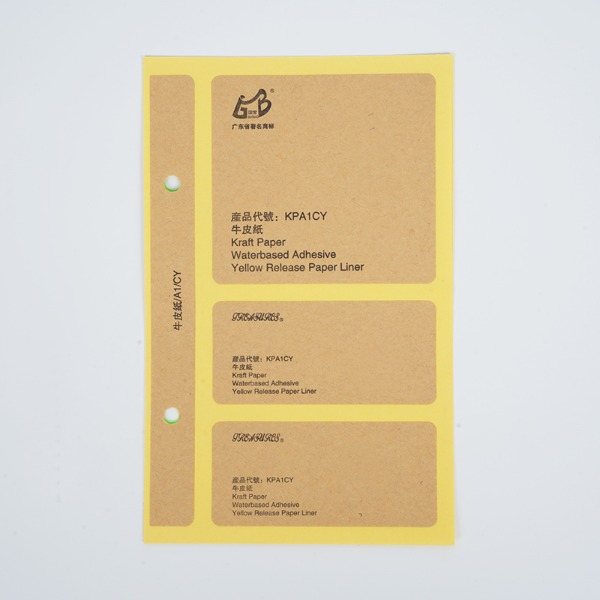
Uncoated paper labels absorb water readily, which can cause ink smearing, curling, or delamination in humid or wet environments. Coated paper labels resist light moisture but are still vulnerable to prolonged submersion or chemical splashing. Synthetic films shed water and resist most common solvents, oils, and cleaning agents, making them the default choice for outdoor, refrigerated, or industrial settings.
Paper stocks generally perform well across a moderate temperature range but can become brittle in freezing conditions and may scorch near direct heat sources. Synthetic films tolerate a wider range, including freezer storage and some higher-heat processes, though extreme heat can cause certain films to distort.
A warehouse pallet label that gets scraped against shelving needs tear and scuff resistance that paper alone rarely provides. Synthetic facestock resists tearing, stretching slightly instead of ripping, while paper tends to tear cleanly once a nick starts.
In distribution and logistics settings, label failure is rarely about the adhesive bond itself. It is almost always the facestock tearing, fading, or smearing before the adhesive gives way.
Print quality depends heavily on how the facestock accepts ink or toner.
Buyers sourcing printable self adhesive paper for in-house printers should confirm compatibility with their specific printer type, since not every facestock and printer combination produces a smear-resistant result.
Selecting between paper and synthetic label stock, or between different grades within each category, comes down to matching the material to its operating environment and budget constraints.
| Use Case | Recommended Category | Why |
|---|---|---|
| Retail price tags | Coated paper labels | Cost effective, good print clarity |
| Shipping and logistics | Thermal label paper | Fast printing, no ink cartridge needed |
| Outdoor equipment | Synthetic film | Weather and UV resistance |
| Chemical drum labeling | Synthetic film | Solvent and abrasion resistance |
| Craft and packaging stickers | Sticker paper material | Wide finish options, lower cost |
Standard uncoated paper is not waterproof and will degrade with sustained moisture exposure. However, some adhesive paper material products are engineered with laminate coatings, wax treatments, or synthetic fiber blends that significantly improve water resistance while retaining a paper-like feel and printability. These hybrid stocks sit between traditional paper and full synthetic film in both performance and price, and they are worth considering when a project needs moderate moisture resistance without the higher cost of true synthetic film.
Proper storage extends the usable life of any label stock and prevents costly waste before the material even reaches a printer.
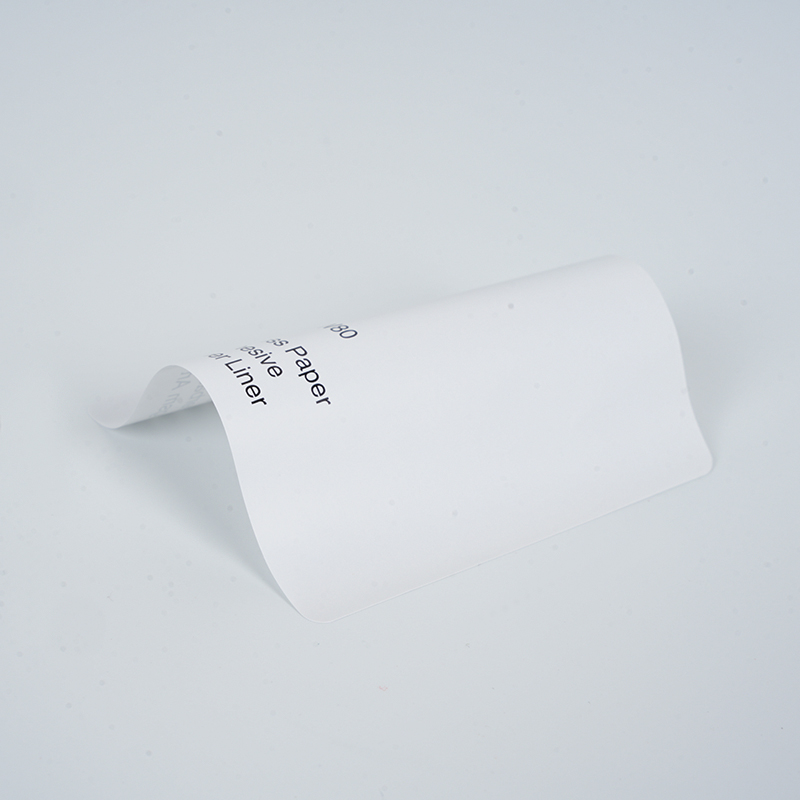
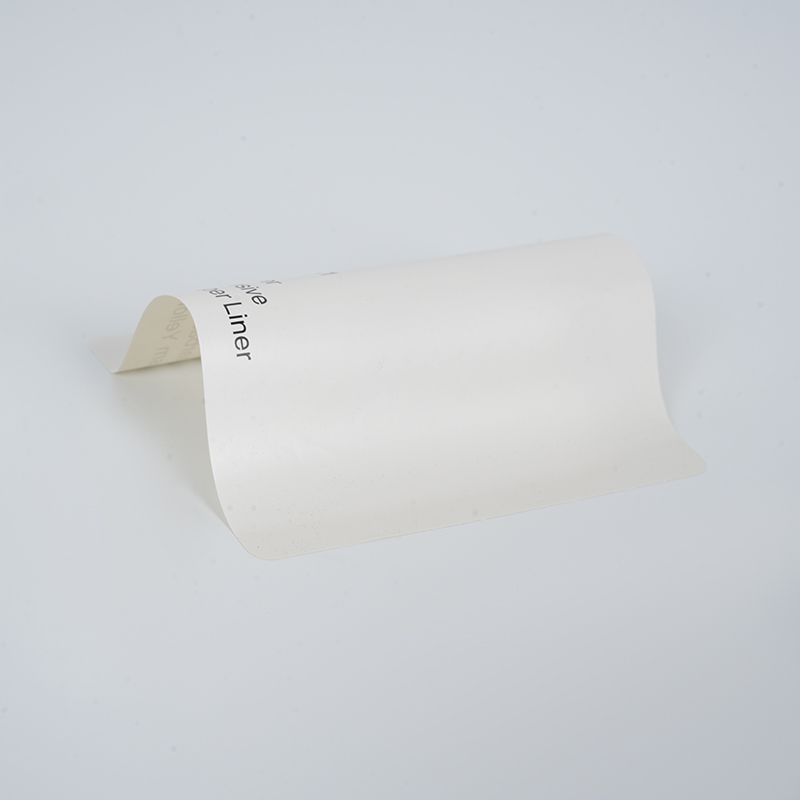
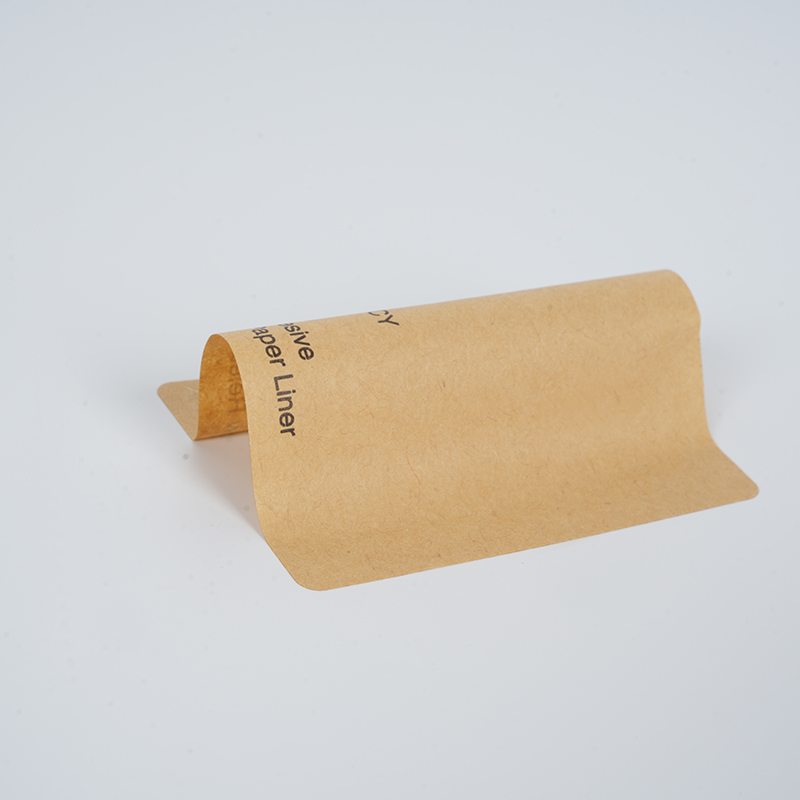
Self-adhesive paper materials are multi-layer constructions consisting of a paper facestock, a pressure sensitive adhesive layer, and a release liner. They are designed to be applied by hand or machine pressure without requiring heat, water, or solvent activation.
The adhesive layer bonds to a surface through applied pressure alone. Once the release liner is peeled away, the exposed adhesive contacts the target surface and forms a bond that continues to strengthen over the following hours.
Selection depends on the intended environment, handling stress, printing method, and target surface. Indoor retail applications often suit standard coated paper, while outdoor or chemically exposed uses call for synthetic or laminate-coated stocks.
Standard paper is not inherently waterproof, but coated, waxed, or hybrid synthetic-blend variants can offer meaningful water resistance while retaining paper-like printability.
There is no single best option across all uses. The right choice depends on matching facestock properties, such as coating, thickness, and adhesive type, to the specific application, printer, and environmental conditions involved.
Store rolls and sheets flat or upright, away from direct sunlight and heat sources, in a space with stable humidity, and use the material within its recommended shelf life to preserve adhesive performance.
+86-18018686956
+86-021-69171221
No.1218, Huiping Road, Nanxiang Town, Jiading District, Shanghai, China
Copyright © Shanghai Baozhongbao Adhesive Products Co., Ltd. All Rights Reserved. Wholesale Self Adhesive Label Sticker Factory