+86-18018686956
 [email protected]
 Language
 русский
 Español
 عربى
 Tiếng Việt


Inquiry
+86-18018686956
[email protected]
Language
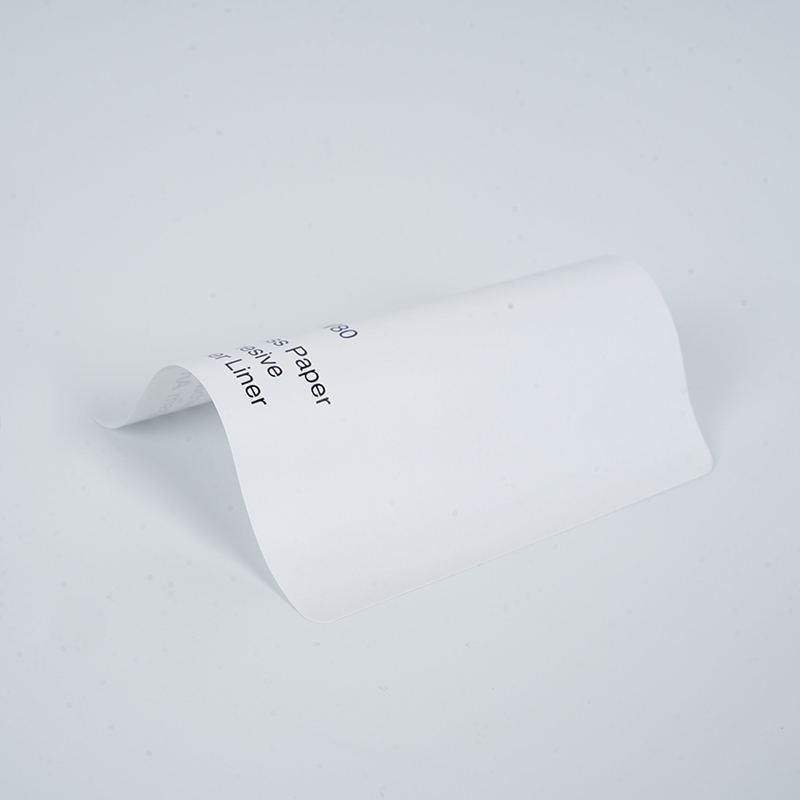
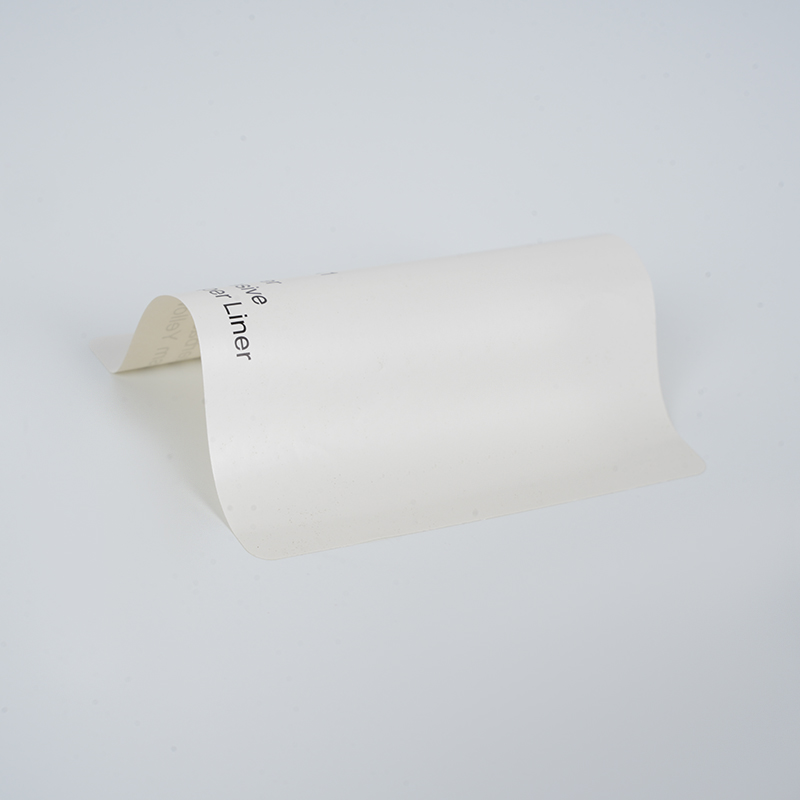
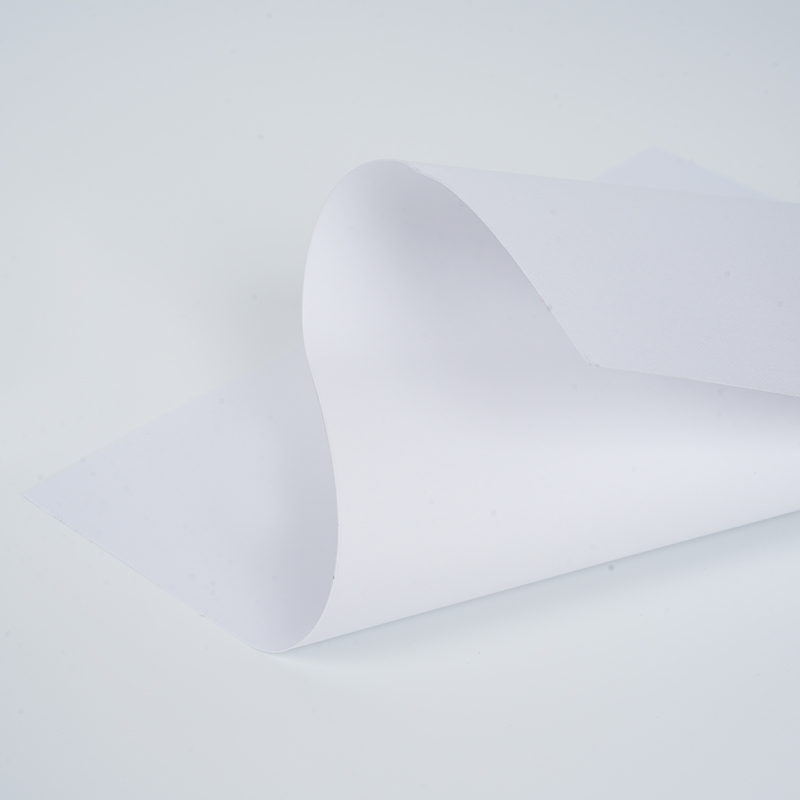
Self adhesive paper is one of the most widely used substrates in label printing, and within that family, self adhesive regular paper materials remain the default choice for dry indoor environments. Compared with synthetic films, paper-based constructions offer strong printability, a natural writing surface, lower material cost and a clean, tactile appearance that many brands prefer. This guide explains how these materials are structured, where they perform best, and what technical factors buyers should check before placing an order.
Demand has shifted over the past several years. E-commerce fulfillment, cold-chain tracking, and product-level traceability have all increased the number of labels printed per shipment. Converters now need a substrate that runs cleanly on thermal transfer, offset, flexo and inkjet equipment without curling or adhesive ooze. Paper-based self adhesive stock, when the face sheet, adhesive and release liner are matched correctly, meets those requirements for most indoor applications.
A conventional label laminate consists of three layers, each with a distinct job. Understanding the role of each layer makes it easier to specify a product correctly.
The printable top sheet. It determines ink holding, surface smoothness and the visual finish of the label.
The bonding layer that transfers to the substrate on application. Its chemistry sets tack, shear resistance and temperature tolerance.
The carrier sheet coated with silicone. It protects the adhesive until use and must release cleanly during die-cutting and dispensing.
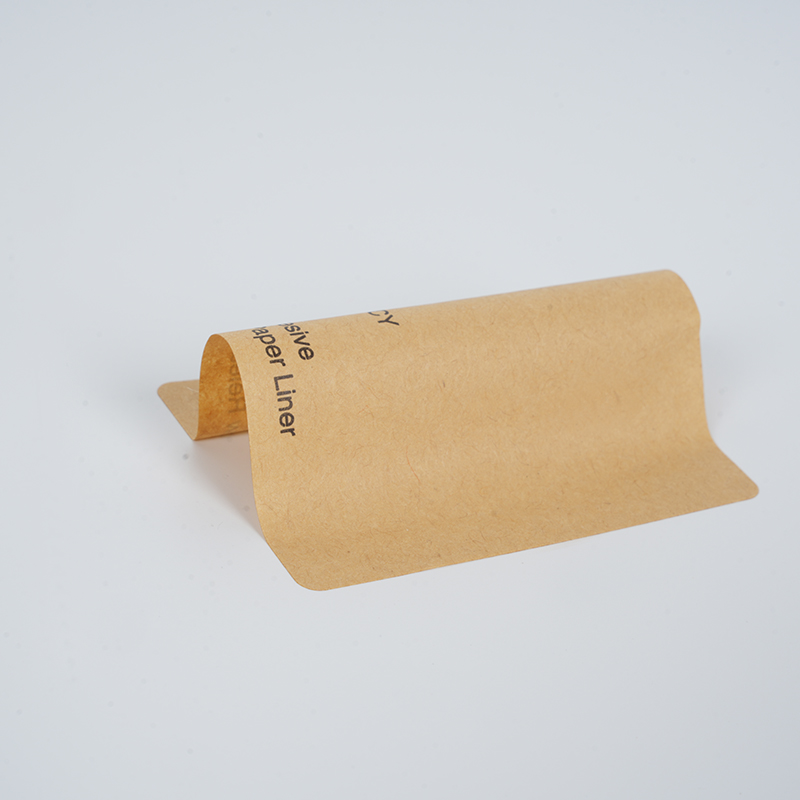
Face stock selection drives print quality more than any other single variable. The four most common options each suit a different set of end uses.
Basis weight is the second variable buyers should define early. Most regular paper constructions fall within a 60 to 90 gsm range, and the right number depends on how the label will be handled, printed and applied.
The table below summarises the typical parameter windows for regular self adhesive paper constructions. Actual values should always be confirmed against the supplier's data sheet for your specific run.
| Parameter | Typical Options | Selection Consideration |
|---|---|---|
| Face stock | Semi-gloss, cast-coated, wood-free, kraft | Match finish to print method and brand look |
| Basis weight (gsm) | 60 to 90 | Higher weight improves stiffness and tear resistance |
| Adhesive type | Water-based acrylic, hot melt | Acrylic for general use, hot melt for higher initial tack |
| Adhesion level | Permanent, removable | Permanent for logistics, removable for reusable tags |
| Typical applications | Logistics, cosmetic, food, medical labels | Confirm contact conditions and regulatory needs |
If you are unsure which basis weight suits your die-cutting line, share your press speed, label size and substrate details with your supplier before ordering.
The adhesive determines how a label behaves after application, including how it resists moisture, temperature swings and surface roughness. Two chemistries cover most regular paper applications.
Acrylic adhesives are applied from water dispersions and dried in an oven. They provide good clarity, stable ageing and resistance to ultraviolet light, which makes them well suited to labels that stay on products for months. They perform reliably between roughly minus 10 and plus 60 degrees Celsius on properly prepared surfaces.
Hot melt adhesives are solid at room temperature and applied in a molten state. They deliver strong initial tack, which helps labels grip rough corrugated board and textured packaging. They are often selected for shipping and warehouse labels where the label must stay attached through handling and transit.
A regular self adhesive paper must accept ink cleanly and dry without distortion. Compatibility varies by process, so the table below lists the typical match between substrate and print method.
Shipping labels must survive friction, scanning and changing humidity. Paper stock with a permanent adhesive and a stable basis weight handles thermal printing well and stays flat on parcels, provided the surface is clean and dry at application.
For food-adjacent labels, low-odour adhesives and paper that meets relevant food contact requirements are critical. Kraft and wood-free faces are common here because they support clear printing of nutritional and batch information.
Semi-gloss and cast-coated faces return accurate colour and a premium finish. Shelf presence depends heavily on how well the print reproduces brand colours, so these faces are often chosen for visible retail items.
Labels in this sector are typically produced in controlled environments and need batch traceability. Consistent coating and documented production records help converters meet audit expectations.
Specifications on paper only matter if they are verified in production. Buyers should ask for the following checks to be documented with every lot.
| Check | What It Confirms |
|---|---|
| Coating weight consistency | Even adhesive laydown across the full web width |
| Liner release force | Clean die-cutting and dispensing without tearing |
| Curl and flatness | Labels lie flat after printing and humidity change |
| Dimensional tolerance | Slit width and roll diameter match the applicator |
Paper constructions are best for dry, indoor conditions where printability and cost matter most. Synthetic films such as polypropylene or polyester resist moisture, tearing and chemicals, so they suit outdoor or wet environments.
Mid-range weights within the 60 to 90 gsm window usually run most reliably. Heavier stock gives better stiffness on high-speed applicators, while lighter stock conforms better to curved containers.
Standard paper labels can work in cold environments if the adhesive is rated for low temperatures and the surface is dry at application. Condensation is the main risk, so test a sample under actual storage conditions first.
Run an adhesion test on the actual substrate, including corrugated board or coated film. Check bond strength after twenty four hours and again after exposure to your expected temperature and humidity range.
Curl usually comes from uneven moisture absorption during or after printing, or from a mismatch between face stock and adhesive shrinkage. Controlled drying and proper storage humidity reduce the problem significantly.
+86-18018686956
+86-021-69171221
No.1218, Huiping Road, Nanxiang Town, Jiading District, Shanghai, China
Copyright © Shanghai Baozhongbao Adhesive Products Co., Ltd. All Rights Reserved. Wholesale Self Adhesive Label Sticker Factory