+86-18018686956
 [email protected]
 Language
 русский
 Español
 عربى
 Tiếng Việt


Inquiry
+86-18018686956
[email protected]
Language
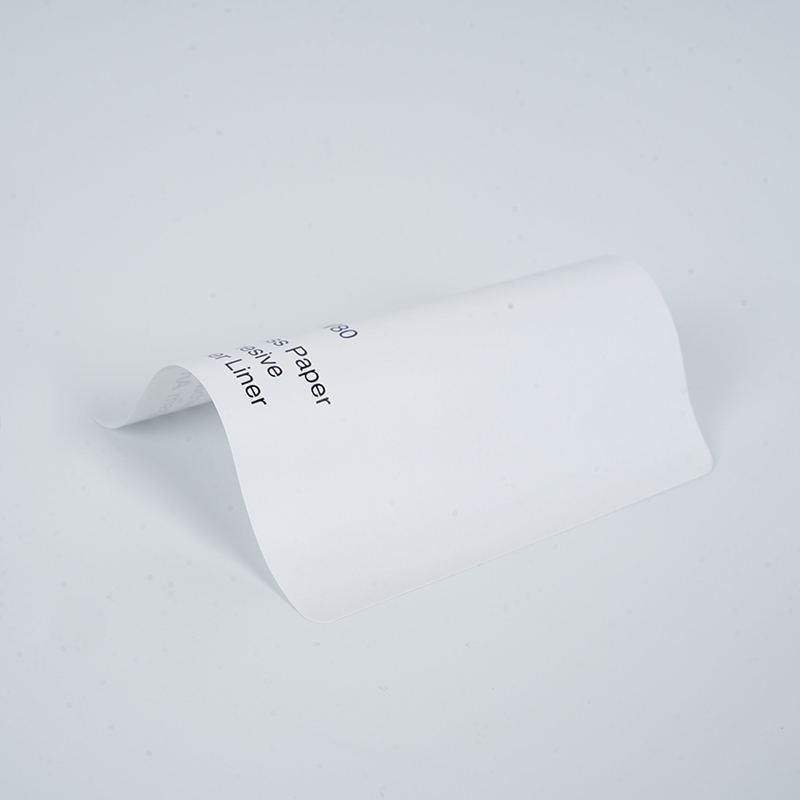
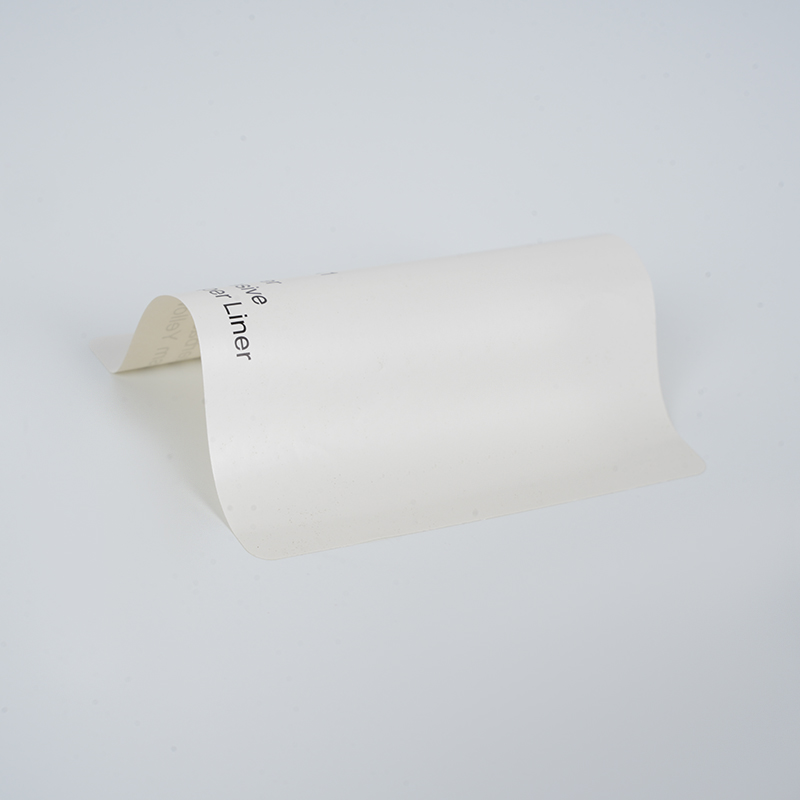
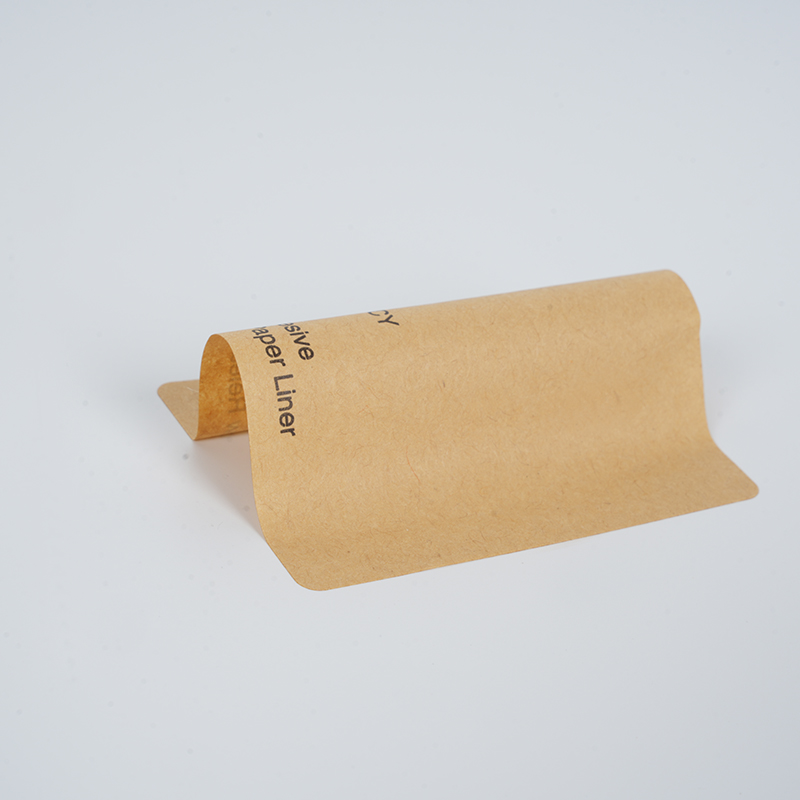
Many buyers spend hours comparing adhesives, print methods, and label sizes, yet give material choice only a few minutes. That is a costly shortcut. The substrate determines how a label handles moisture, abrasion, temperature swings, sunlight, and chemical exposure. A label that looks perfect on the proof sheet can curl, fade, tear, or peel within weeks once it reaches the real environment. This guide compares the three most common label material comparison options, polyester, vinyl, and paper, so you can match the substrate to the job rather than to the lowest unit price.
Each material has a distinct performance profile. Paper remains the most economical and the easiest to print, but it has limited tolerance for harsh conditions. Vinyl offers flexibility and a conformable surface that suits curved containers. Polyester, a film-based option, delivers the strongest combination of dimensional stability, chemical resistance, and long-term durability. The right answer depends on how long the label must last, what it will touch, and how it will be applied.
The table below summarizes typical performance ranges for standard label constructions. Actual results vary with adhesive, topcoat, and print process, so treat these figures as directional rather than absolute.
| Property | Paper | Vinyl | Polyester |
|---|---|---|---|
| Typical outdoor life | Weeks to a few months | One to three years | Three to five years or more |
| Moisture resistance | Low | High | High |
| Chemical and oil resistance | Low | Moderate | High |
| Tear strength | Low | Moderate | High |
| Relative material cost | Lowest | Moderate | Highest |
| Best fit | Indoor, short-term use | Flexible or curved surfaces | Harsh or long-life environments |
Paper is the default choice for many internal and short-cycle applications. Its surface accepts ink readily, which produces sharp text and fine graphics at a low cost per unit. For inventory tags, shelf price cards, and indoor product information, paper often delivers everything the application needs.
Paper absorbs moisture, which can cause edges to lift, curl, or wrinkle. In a refrigerated or humid setting, condensation can soften the face stock and dissolve the adhesive bond. Abrasion also wears away the print quickly. A common field observation is that paper labels on reusable totes begin to show visible wear after only a few handling cycles, while a film label in the same position remains legible through dozens of cycles.
Vinyl is a flexible polymer film that conforms well to curved containers, textured plastics, and slightly irregular surfaces. Its soft structure allows it to wrap around a bottle or cylinder without bridging, which reduces the risk of edge lift. Vinyl also tolerates a wider temperature range than paper and resists everyday moisture effectively.
Standard vinyl can shrink or stiffen after prolonged exposure to ultraviolet light and high heat, particularly if the topcoat is thin. Certain plasticizers can migrate over time, which may affect adhesion on some substrates. For applications that combine heavy solvent exposure with long outdoor service, vinyl may not offer the margin of safety that a more stable film provides.
Polyester is a dimensionally stable film that resists stretching, tearing, and chemical attack. Because it holds its shape across a wide temperature band, it is widely used where labels must remain readable and fully adhered for years. Polyester is also the material of choice for many safety and regulatory labels, where failure carries real consequences.
Polyester costs more per square meter than paper or vinyl, and its stiffness can make application on tight curves more demanding. It usually requires a carefully matched adhesive and sometimes a corona or primer treatment on low-surface-energy plastics. These steps add process time, but they are often justified by the reduction in replacement and relabeling costs.
Choosing the least expensive label is only an economy when it survives the full service life of the product.
A structured decision process prevents most substrate mistakes. Work through the following questions in order, and stop as soon as one answer points clearly to a material.
Purchasing decisions often focus on the price per roll, but the true cost includes application labor, replacement frequency, rework, and downtime. In one common scenario, a manufacturer switched a reusable tote program from paper to film after labels required replacement roughly every six weeks. Although the film substrate cost several times more per label, the annual number of label changes dropped sharply, and the saved labor and reduced mislabeling more than offset the higher material price.
| Cost Factor | Paper Approach | Film Approach |
|---|---|---|
| Material price per label | Low | Higher |
| Replacement frequency | Frequent | Infrequent |
| Application labor over one year | High | Low |
| Risk of scanning failure | Higher | Lower |
Condensation is the main threat in cold storage. Vinyl or polyester with a low-temperature adhesive typically outperforms paper, which can delaminate when moisture forms on the surface.
Equipment labels exposed to oils, coolants, or degreasers generally require polyester with a chemically resistant topcoat. Specifying the adhesive is equally important, because a strong face stock can still fail if the adhesive is incompatible with the surface energy.
Paper remains a sensible choice for price cards and temporary signage that will be discarded after the campaign. Matching the substrate to the intended life avoids paying for durability that the application will never use.
Outdoor labels face ultraviolet exposure, temperature cycling, and weather. Polyester with a UV laminate is the most dependable option when the label must remain legible for several years.
Specifying a material on paper is not the same as proving it in the field. A short validation program can prevent expensive failures. Apply sample labels to actual products, expose them to the real cleaning routine, temperature range, and handling pattern, and inspect them at defined intervals. Record adhesion, print legibility, edge lift, and scan rates. A two- to four-week pilot usually reveals the weakest link.
Not always. Polyester offers superior chemical resistance, tear strength, and dimensional stability, but vinyl is often more conformable and less costly. For curved surfaces with moderate exposure, vinyl may be the better fit.
Paper is generally not recommended for refrigerated or frozen goods because condensation can cause the face stock to wrinkle and the adhesive to fail. A film substrate with a cold-rated adhesive performs far better.
Yes. Adhesive selection determines whether the label bonds to the surface, withstands temperature changes, and can be removed cleanly when required. Always match the adhesive to the surface energy and service conditions.
Service life depends on construction, topcoat, and climate. Polyester with a UV-resistant laminate commonly remains legible for several years, while unprotected materials degrade much sooner.
Absolutely. A short pilot under real conditions reveals adhesion, legibility, and scan issues that specifications alone cannot predict, and it is far cheaper than a full reprint.
+86-18018686956
+86-021-69171221
No.1218, Huiping Road, Nanxiang Town, Jiading District, Shanghai, China
Copyright © Shanghai Baozhongbao Adhesive Products Co., Ltd. All Rights Reserved. Wholesale Self Adhesive Label Sticker Factory