+86-18018686956
 [email protected]
 Language
 русский
 Español
 عربى
 Tiếng Việt


Inquiry
+86-18018686956
[email protected]
Language
A label that curls at the corner, bubbles on a damp bottle, or drops off inside a cold storage room rarely looks like a serious problem at first. It seems like a small defect on a small piece of paper. Yet on a production line it can trigger a stoppage, a rework cycle, a batch of rejected cartons, and eventually a complaint from an end customer who wonders whether the product was handled carelessly. The financial cost is only part of the story. Brand trust erodes quietly when a package looks unfinished.
When buyers encounter adhesion problems, the first explanation is usually that the glue is not strong enough. Ask a room of purchasing managers and most will suggest a stronger adhesive or a different supplier. In practice, the root cause is more often a mismatch between the self-adhesive paper materials and the conditions they face, such as the surface they are applied to, the temperature at application, the moisture in the environment, or the pressure the applicator delivers. A stronger glue applied under the wrong conditions will still fail.
This article takes a practical route. It starts with how a self-adhesive label is constructed, because each layer plays a different role in performance. It then walks through five common failure patterns and how to diagnose them, explains how to specify materials against substrate, temperature and service life, and describes how to test before committing to volume. It closes with the questions worth answering before you request a quote. If you are comparing options for a specific application, the checklist in the middle of the article will help you prepare a sharper inquiry.
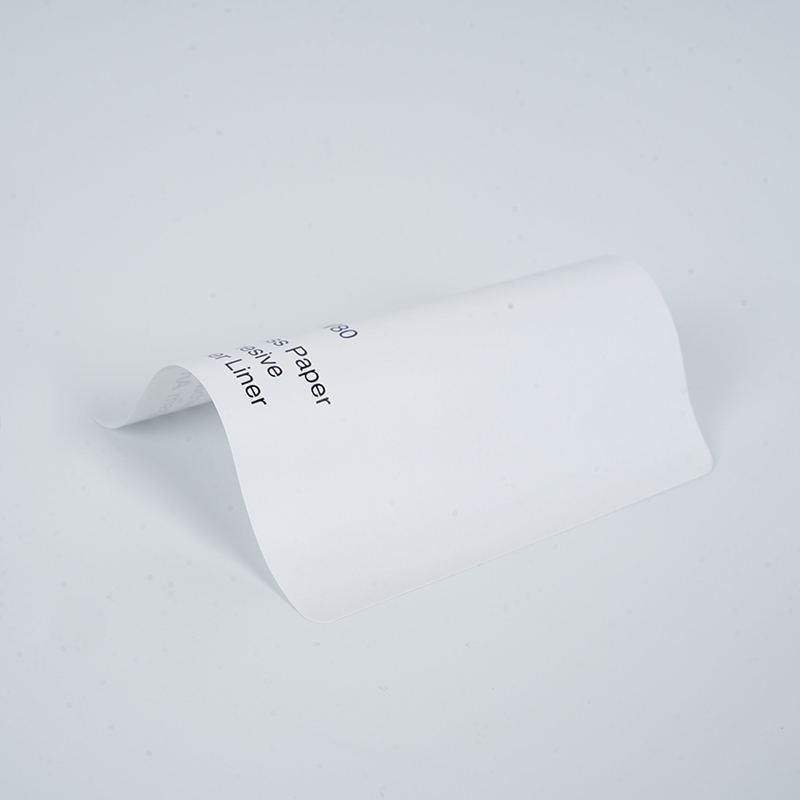
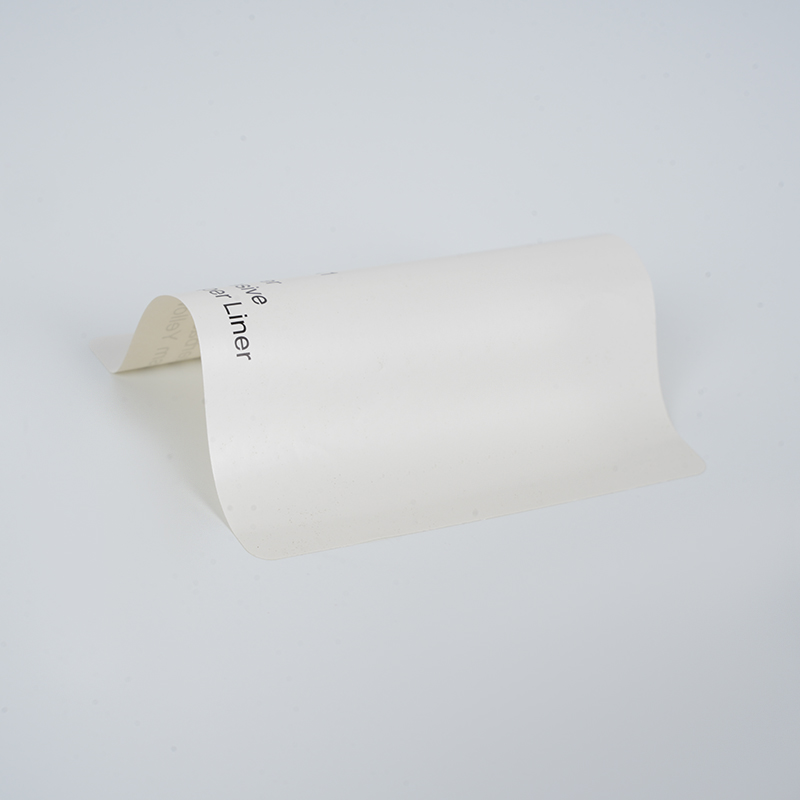
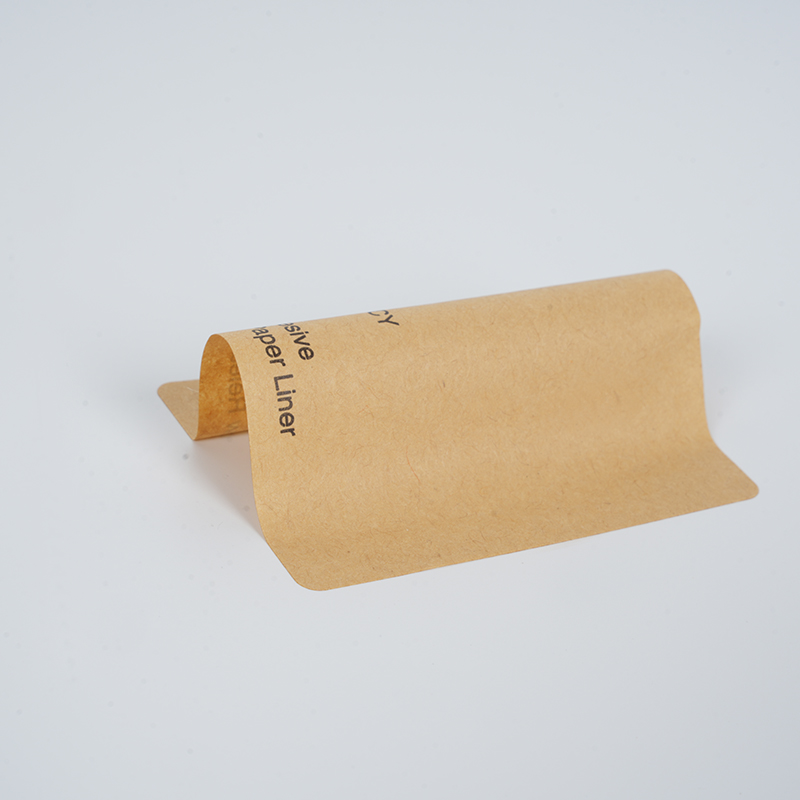
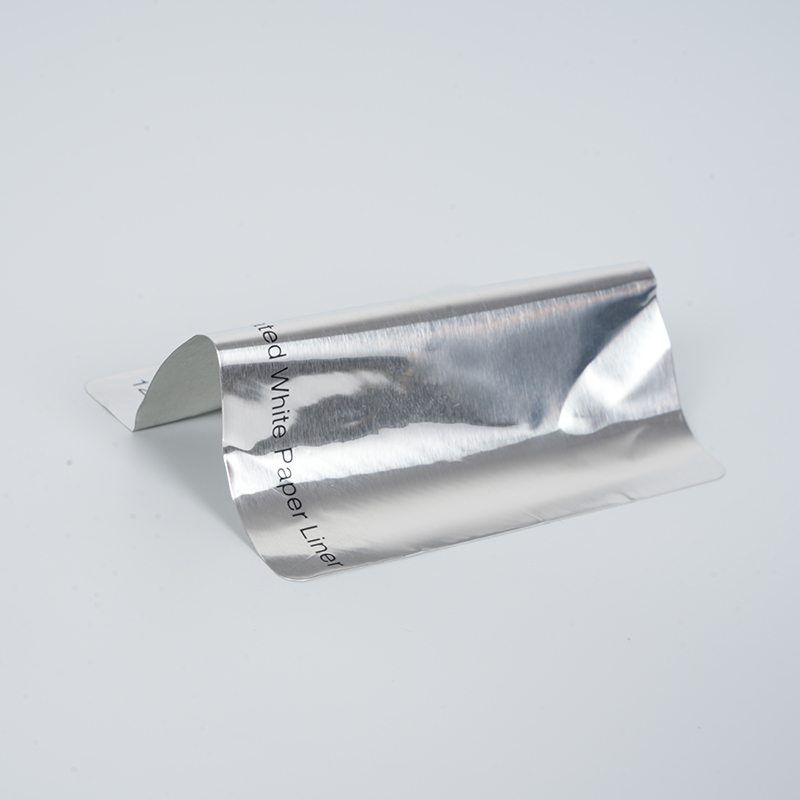
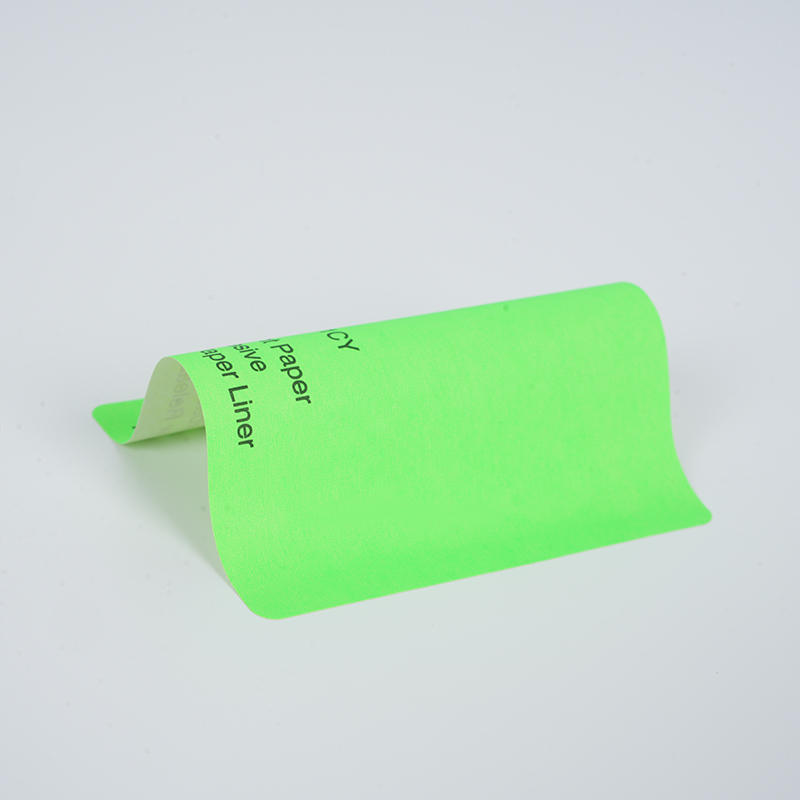
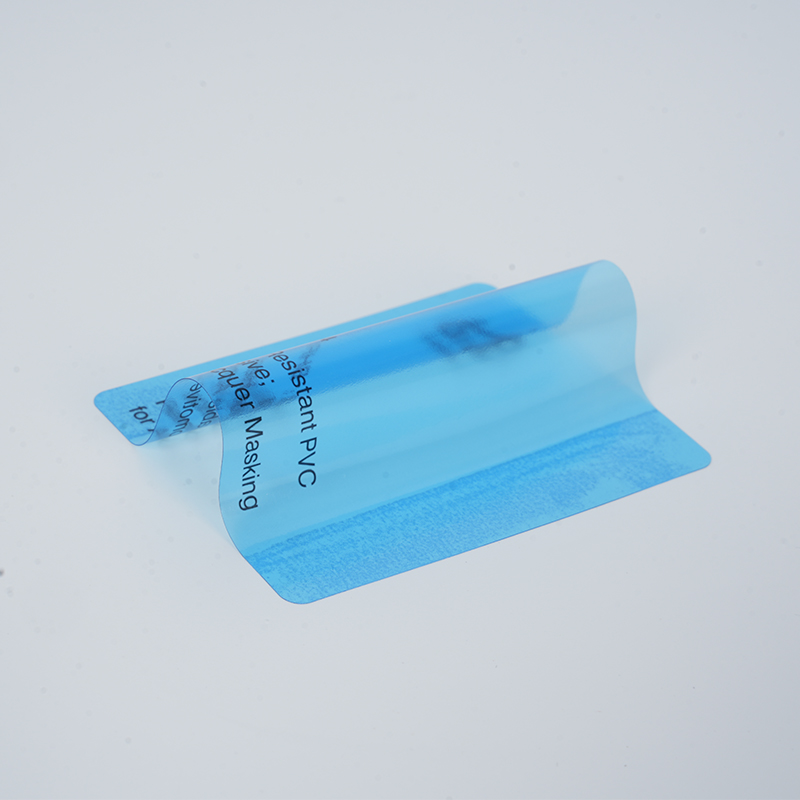
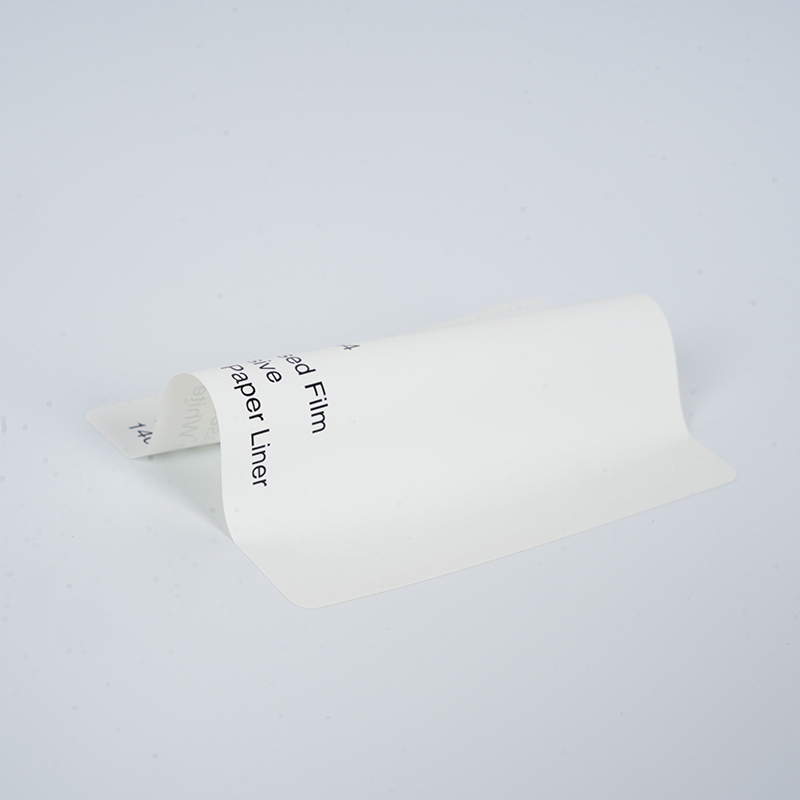
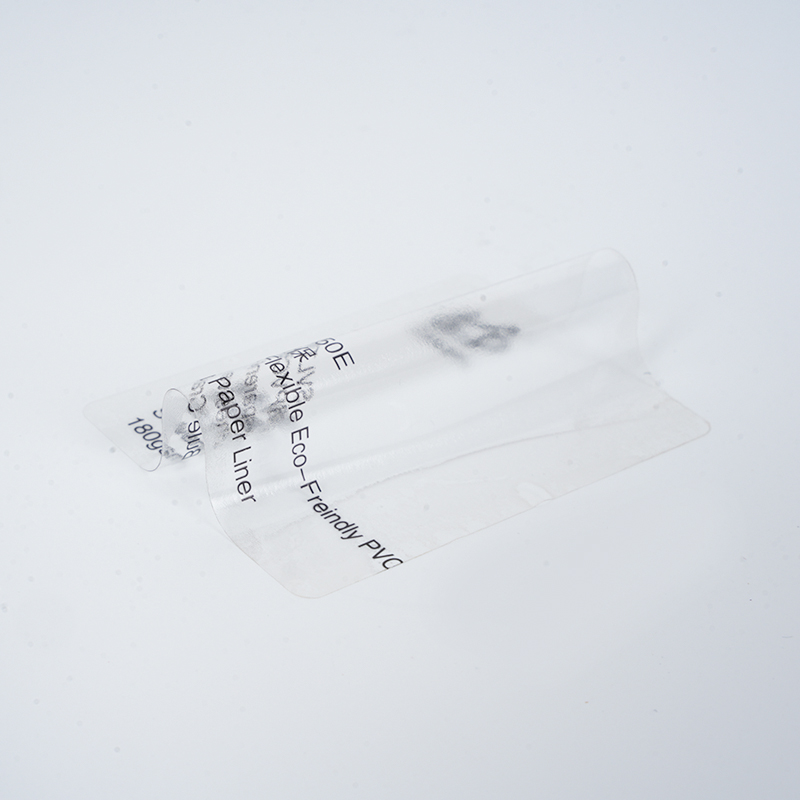
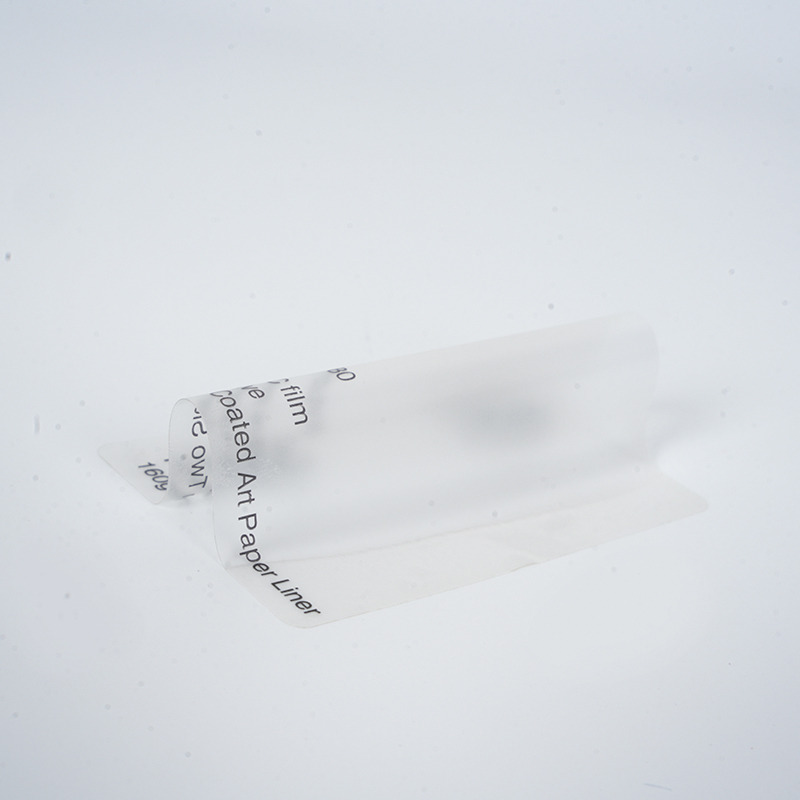
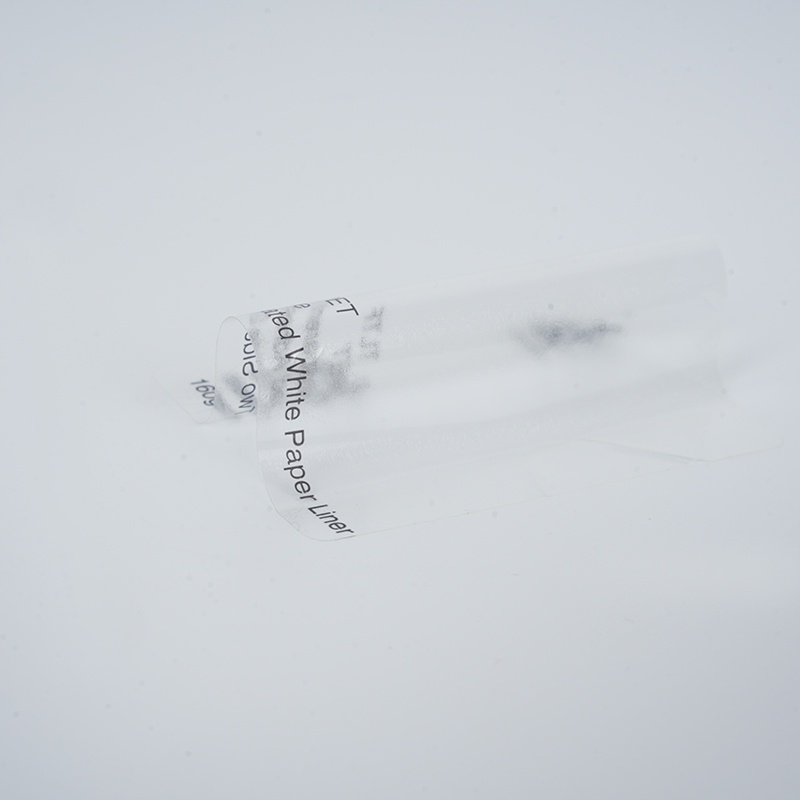
Before diagnosing a failure, it helps to understand what a self-adhesive label actually is. Most labels are built from three layers laminated together. The top layer, called the face stock, carries the printed image and provides the physical surface the customer sees and touches. Beneath it sits the adhesive, the layer that creates contact with the product. The bottom layer is the release liner, a silicone-coated backing that holds the label in a roll until it is peeled off and applied. Each layer performs a distinct job, so a problem visible on the package may originate in any one of them.
Paper face stocks, including coated and thermal grades, are made from cellulose fibers. Those fibers absorb water from the air, swell, and then shrink as they dry. In a warehouse with fluctuating humidity, or on a bottle that has been chilled and then moved into a warm room, the label can expand and contract across its surface. Because the adhesive is bonded to a rigid container, the edges are the first place this movement becomes visible. The result is the familiar bubbling and edge lift that many buyers mistake for an adhesive defect.
Film face stocks, such as polypropylene and polyester, behave differently. They absorb very little moisture and hold their dimensions across a wide range of conditions. That stability makes film a strong choice for containers that face condensation, outdoor exposure or repeated temperature cycles. The trade-offs are cost, print surface requirements and sometimes a different feel and appearance. If your label fails because of moisture, the first question should be whether the face stock type suits the environment, not whether the adhesive is strong enough.
Adhesion is not a single property. Initial tack describes how quickly the adhesive grabs a surface on light contact. Ultimate adhesion describes the strength the bond reaches after the adhesive has had time to flow into the surface and settle. A label can have excellent tack and still fail later if its final adhesion is weak. Conversely, a label may feel slow to grab yet become very secure after a day.
The two main adhesive families illustrate the difference. Rubber-based adhesives generally offer high initial tack and perform well on rough or irregular surfaces, and they remain usable at lower application temperatures. Their common weakness is long-term resistance to heat, ultraviolet light and aging. Acrylic adhesives usually build strength more gradually, but they resist temperature and light far better and tend to hold steady over long service lives. Comparing acrylic vs rubber adhesive options for self-adhesive paper is therefore a question of which performance profile matches your application, not which one is universally better.
| Property | Rubber-based adhesive | Acrylic adhesive |
|---|---|---|
| Initial tack | High | Moderate, builds over time |
| Ultimate adhesion | Good | Very good to excellent |
| Low temperature application | Suitable down to very low temperatures | Typically needs roughly 10 degrees Celsius or above |
| Heat and UV resistance | Limited | Strong |
| Typical use | Cold chain, rough surfaces | Outdoor, long-life and general use |
A practical note: some acrylic adhesives reach their full bond only after several hours or days at ambient temperature. Testing a label within minutes of application may show a weaker result than the product will ultimately deliver. Allow a realistic settling period before judging performance.
The release liner may seem like a passive carrier, but it shapes both production speed and final adhesion. Its silicone coating must release the adhesive cleanly during converting, die cutting and high-speed application. If the release force is too high, labels can distort, tear or lift unevenly from the liner. If it is too low, labels may pre-release or misfeed through the applicator. The liner also affects die cutting efficiency, because the waste matrix around each label must strip cleanly. Poor liner quality can create visible production problems long before any end user notices a failure.
Most label failures fall into a small number of patterns. The five below are the ones most often seen on packaging lines, along with the symptoms that help identify each one. Work through them in order before changing suppliers or switching adhesive types, because a correct material can still fail in the wrong process.
Surface energy describes how readily a material accepts a liquid or adhesive coating. High surface energy materials, such as glass, metal and many coated papers, are easy to wet. Low surface energy materials, notably polyethylene and polypropylene, repel most adhesives. On these surfaces the adhesive cannot spread into intimate contact, so the bond sits on top of the surface rather than anchoring into it. A label that peels off a clean polyolefin bottle is not necessarily a poor label. It may be behaving exactly as expected for that surface.
Solutions include choosing a high-tack adhesive formulated for low surface energy plastics, pretreating the surface with flame or corona treatment where feasible, or using a film face stock with a specialized primer. Ask your supplier for the dyne level of the substrate if it is known, and specify materials against that number rather than against the general category of container.
Adhesives behave differently at low temperatures. As the temperature falls, the adhesive stiffens and flows less readily into the surface. Standard acrylic adhesives commonly have a minimum application temperature around 10 degrees Celsius, below which initial tack drops sharply. Rubber-based formulations can often be applied at much lower temperatures. Labels applied in a cold store, a refrigerated room or an unheated winter warehouse frequently fail for this reason alone.
Cold flow is a related issue. Under sustained pressure, or over time, some adhesives slowly deform and creep, especially when stored or used outside their design range. If a label shows gradual edge movement over weeks instead of immediate failure, check whether the product is being stored at the temperature it was designed for.
For beverage, beer and wine containers, condensation is often the real adversary. A cold bottle moved into a warmer room collects a thin film of water on its surface, and that film acts as a barrier between the adhesive and the glass or plastic. Even a light film can prevent the adhesive from wetting the surface properly. Labels applied to wet or chilled containers often look acceptable at first, then slide, bubble or detach as the bottle warms and dries unevenly.
Practical responses include allowing containers to reach a stable temperature before labeling, adding a drying or air-blow station ahead of the applicator, or selecting an adhesive designed for wet or cold application. Some facilities also adjust label placement away from the lowest part of the container, where water tends to collect.
Adhesion depends on contact. Even a well-matched label will not bond fully if the adhesive is not pressed into the microscopic peaks and valleys of the substrate. Pressure forces the adhesive to flow into those irregularities and form an anchored bond. Insufficient pressure leaves air gaps and low-contact zones that appear as edge lift, corner peel or uneven adhesion across the label area.
Check roller or pad pressure, applicator speed and whether the label is pressed evenly from leading edge to trailing edge. Curved containers need consistent contact, so inspect for areas where the label touches only partly. Operators often adjust pressure to suit a new container shape and forget to reset it afterward.
A low-quality release liner can transfer silicone to the adhesive face, particularly under heat or pressure during storage. This migration reduces the amount of adhesive available to bond with the surface. The effect is subtle: labels may release more easily than expected, or the bond may feel weak from the start. Because the problem originates before application, changing the adhesive or the applicator settings will not solve it.
Ask suppliers about their liner quality control and how they test for silicone transfer. Storing rolls in a clean, temperature-stable area also reduces the risk of migration.
When a failure appears, the following sequence helps narrow the cause before any material change is made.
Specification is where most avoidable failures can be prevented. Rather than selecting by price or by a general product name, define the conditions first and then match the construction to them. Whether you are sourcing from a general catalog or choosing among self-adhesive label materials for a new product line, the logic is the same: substrate first, environment second, total cost third.
| Substrate | Typical adhesive direction | Practical note |
|---|---|---|
| Paper and paperboard | General-purpose acrylic | Cost efficient for standard use |
| HDPE and PP plastics | High-tack acrylic or rubber-based | Confirm surface energy and test |
| Metal and glass | High initial tack rubber or specialty acrylic | Clean and dry surfaces first |
| Wet or chilled containers | Wet-application adhesive | Pair with a drying step |
| Textured or rough surfaces | Rubber-based with good conformability | Check real contact area |
Treat this table as a starting point rather than a final answer. Surface coatings, printing inks and mold release agents can all change how a substrate behaves, so confirm with a sample trial before committing to volume.
Outdoor labels face ultraviolet exposure, rain and temperature swings. Indoor labels on chilled products face condensation and cold. High-temperature applications, such as hot-filled containers or warm storage, challenge adhesives that soften under heat. In each case the environment should guide both the face stock and the adhesive choice. Outdoor and high-heat conditions usually favor acrylic adhesive on film face stock, because it resists light and temperature better. Freezer and cold chain conditions usually favor rubber-based formulations, but only when labels are applied within a suitable temperature range and verified with a cold-condition test.
A lower unit price rarely reflects the full cost of a label. When a label fails, the expense extends well beyond the roll itself. There is line downtime while operators clean and recalibrate, scrap from misapplied labels, manual rework, shipping delays and the reputational cost of a packaging defect reaching customers. Even a modest increase in unit price can be justified if it removes a recurring failure.
Procurement teams benefit from comparing total cost of use rather than the quoted price per roll. A useful exercise is to estimate the cost of one hour of stoppage, multiply it by the historical failure rate, and compare that figure with the premium for a better-matched material. Ask suppliers for a technical data sheet (TDS) rather than relying on the quotation alone. A TDS typically lists initial tack, peel adhesion, temperature ranges, shelf life and liner details, which lets you compare candidates on the parameters that actually affect performance.
Laboratory data describes how a material behaves under controlled conditions, but your line is rarely controlled in the same way. Surfaces vary between production batches, operators adjust applicator settings, and storage conditions change with the seasons. A sample trial bridges that gap. Its purpose is to reproduce your real conditions as closely as possible and observe the label over a meaningful period, rather than judging it in the first minute after application.
A useful trial has a few defining features. It uses containers from the same production batch as your normal run, it applies labels at the same speed and pressure as your line, and it stores the samples under the conditions the finished product will face. Observation should continue well past application day, because adhesion that looks secure on day one may behave differently after a week of temperature cycling.
Keeping these records also makes future troubleshooting faster. When a problem appears months later, you can check whether the conditions have changed since the approved trial, which often reveals the cause quickly.
Clear inquiries lead to accurate quotes. When you contact a supplier, prepare the following information. Even rough answers allow a technical team to recommend a candidate material and propose a sensible sample test.
If you do not know the answers, that is normal. Many packaging teams discover their substrate's true surface behavior or real storage temperature only after a failure. A capable supplier will help you work through these questions and propose a sample program before you commit to production volume.
Next step: Share your substrate, application temperature, service environment, label life and expected annual volume. Our technical team reviews each inquiry and can outline a sample test plan along with a quotation.
Request a Free Sample and QuoteMany adhesives, especially acrylic types, continue to build strength after application. Early tack may look adequate while the final bond is still developing. Temperature changes, moisture and handling during that settling period can also stress the edges before the bond is fully formed. Check the technical data sheet for the expected time to full adhesion and allow for it in your testing.
Usually not. Bubbling is most often caused by face stock that absorbs moisture and changes dimension. A stronger adhesive will not stop the paper from swelling. Review the face stock type first, and consider a film construction if the environment involves condensation, outdoor exposure or repeated temperature cycles.
Surface energy describes how easily a surface accepts a liquid coating such as adhesive. Materials with low surface energy, including many plastics, resist wetting, so the adhesive cannot form a strong anchored bond. Treatments, specialized adhesives and primed face stocks are common ways to address this challenge.
The most reliable source is the technical data sheet for the specific product. It states the recommended application temperature range and the service temperature range. Always confirm the figures with a sample test on your own line, because actual container temperature can differ from ambient room temperature.
No. Film offers superior dimensional stability and moisture resistance, but it costs more and may not suit every print process or visual requirement. Paper remains a sensible choice for dry indoor applications where the cost and appearance goals are met. The right answer depends on the environment and the performance needs.
A useful data sheet lists initial tack, peel adhesion under defined conditions, recommended application and service temperature ranges, shelf life of the roll, liner details and the test methods used to generate the figures. Comparing these parameters across candidates is far more informative than comparing unit prices alone.
Labels that will not stay put are rarely caused by one bad ingredient. More often, the adhesive, face stock, liner, substrate and application process were never aligned with the real conditions. Start by identifying the surface and the environment, select the construction that fits them, and verify the choice with a sample test. This sequence turns adhesion from a guessing game into an engineering decision.
If you are reviewing options among pressure sensitive adhesive paper constructions, focus on data rather than descriptions. Compare tack, adhesion, temperature range and liner performance side by side, and request full documentation before placing a production order. Once you know your requirements, narrowing the choices becomes far more efficient, and any quotation you receive will be far more accurate.
+86-18018686956
+86-021-69171221
No.1218, Huiping Road, Nanxiang Town, Jiading District, Shanghai, China
Copyright © Shanghai Baozhongbao Adhesive Products Co., Ltd. All Rights Reserved. Wholesale Self Adhesive Label Sticker Factory