+86-18018686956
 [email protected]
 Language
 русский
 Español
 عربى
عربى Tiếng Việt

Inquiry
+86-18018686956
[email protected]
Language
The key benefits of using self adhesive labeling materials in packaging revolve around three measurable advantages: up to 40% faster application speeds compared to wet-glue systems, adhesion durability across temperatures (-20°C to +80°C), and near-zero material waste due to precise liner-based placement. For brand owners and packagers, self-adhesive labels eliminate drying time, reduce maintenance downtime, and offer unmatched substrate versatility — from recycled cardboard to frozen food films. Data from industrial packaging lines show that switching to self-adhesive materials can increase overall labeling efficiency by 35% on average while reducing label reject rates below 0.5%.
Unlike traditional glue-applied labels that require heat activation or solvent evaporation, self-adhesive (pressure-sensitive) materials bond instantly under light pressure. This enables just-in-time packaging workflows, higher throughput, and consistent label positioning. The following sections break down the tangible benefits with specific performance metrics and real-world packaging scenarios — all without brand bias.
Self adhesive labeling materials directly impact packaging line speed and reliability. A typical wet-glue labeler requires warm-up time, glue viscosity checks, and frequent cleaning of adhesive rollers — causing an average of 18 minutes of downtime per shift. In contrast, pressure-sensitive labeling systems using self-adhesive material run with less than 2 minutes of scheduled maintenance daily. The absence of drying tunnels also reduces energy consumption by approximately 15–20% per labeling module.
Modern self-adhesive labeling heads apply 300 to 600 labels per minute on cylindrical containers, and up to 1,000 labels/minute on flat surfaces. Packaging audits across beverage and personal care industries show that changeover time between different label designs shrinks by 65% when using self-adhesive material, because there is no glue residue cleanup or adhesive system recalibration. For contract packagers running multiple SKUs, this translates into gaining 2–3 extra production hours per week.
These efficiency gains mean that even small-to-medium packaging facilities can achieve line speeds previously only possible with expensive shrink-sleeve systems, but at a lower operational complexity.
One of the decisive benefits of self-adhesive labeling materials is their engineered performance under thermal, moisture, and mechanical stress. Unlike traditional cold-glue labels that become brittle or lose tack in frozen environments, quality self-adhesive materials maintain adhesion on substrates ranging from -20°C (frozen food pouches) to +80°C (hot-fill bottles). Data from logistics stress tests indicate that self-adhesive labels have a 99.3% retention rate after three freeze-thaw cycles, compared to only 82% for water-based glue labels.
Self-adhesive labeling materials bond effectively to low-surface-energy plastics (polypropylene, polyethylene, PET) that often cause failure for glue-applied paper labels. This is due to specialized adhesive chemistry (acrylic, rubber-based, or silicone) formulated for specific packaging needs. In high-humidity environments (e.g., refrigerated dairy or beverage coolers), self-adhesive labels resist edge lifting and delamination — a common failure point where conventional labels curl within 3–5 days. Accelerated aging tests show that self-adhesive labels on HDPE bottles survive over 500 hours of 90% RH (relative humidity) without loss of bond strength.
Because the adhesive is pre-applied to the label backing, packaging engineers can select exact adhesive types (permanent, removable, repositionable, or freezer-grade) without modifying the packaging line — a flexibility that reduces material qualification time by up to 70% compared to liquid adhesives.
Sustainability and cost efficiency are intertwined benefits of self-adhesive labeling materials. Traditional glue-applied systems often generate excessive scrap due to adhesive ooze, mis-registered labels, and setup waste — averaging 5–8% of total label volume. Self-adhesive materials, delivered on precision-wound rolls with registered die-cuts, reduce application waste to below 0.8% in well-run operations. Furthermore, many self-adhesive labelstocks now feature reduced liner calipers (down to 40µm PET or 60µm glassine), decreasing landfill contribution per label by up to 45% by weight.
While the release liner remains a byproduct, the industry has developed liner recycling programs and thinner liner technologies. For example, switching from standard 80µm glassine to a 50µm liner reduces liner waste mass by 37.5% per roll. Moreover, self-adhesive labels themselves require less material to achieve the same functional durability — no need for heavy paper saturated with wet glue. Lifecycle analysis data shows that self-adhesive labeling generates 30% lower carbon footprint per 10,000 labels compared to hot-melt glue systems when including energy for drying and clean-up.
For companies with zero-waste packaging goals, self-adhesive materials also enable wash-off label technologies that support bottle reuse — a practical application for circular economy models in beverage and personal care sectors.
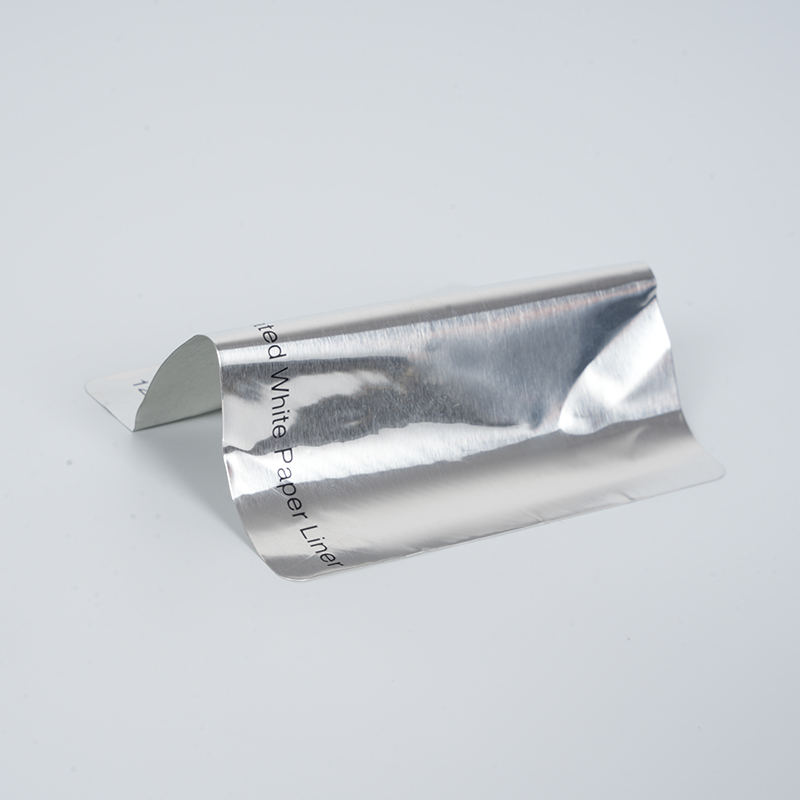
Self-adhesive labeling materials offer design freedom that directly increases consumer attention. Unlike sleeving or glue-applied paper, pressure-sensitive materials can be clear (no-label look), metallic, textured, or ultra-matte — all applied in one pass. Field studies in retail environments indicate that packages with full-coverage self-adhesive labels receive 2.5x longer visual fixation than those with basic glue-applied paper labels. Furthermore, the ability to use thin films (down to 25µm) allows for conformable wrapping around tapered or small-radius containers, achieving a “printed directly on package” appearance at lower cost than screen printing.
Because self-adhesive material is compatible with digital printing (toner, inkjet, and UV), brand owners can economically produce batches as small as 500 labels with full variable data (QR codes, batch numbers, dates). This contrasts with gravure or flexo glue-applied labels that require long print runs (typically 10,000+). Market analysis shows that 63% of new product launches now use self-adhesive labeling to enable rapid packaging iterations. Additionally, self-adhesive labels can incorporate functional layers: thermochromic inks, NFC tags, or tamper-evident features — integrating all into a single labeling step.
This design agility means packaging engineers no longer compromise between label durability and aesthetics — self-adhesive material delivers both simultaneously.
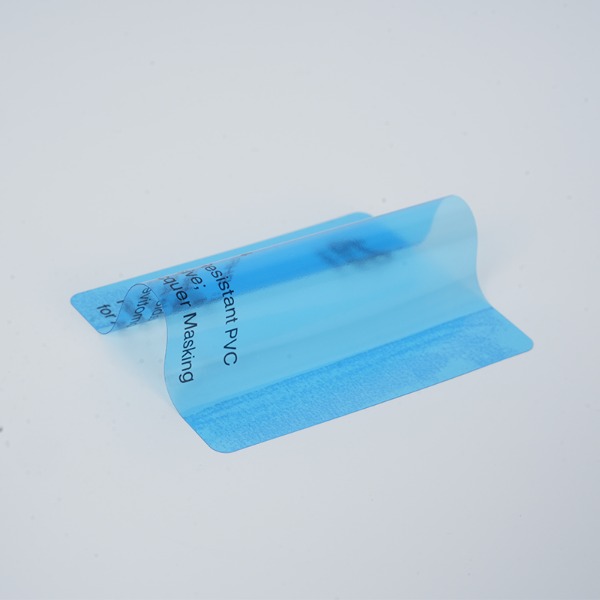
While the unit price of self-adhesive label material can be higher than plain paper + liquid glue, the total cost of ownership often favors self-adhesive by a wide margin. A comparative TCO analysis for a mid-speed packaging line (150 containers/min, 2 shifts/day) over 36 months shows: self-adhesive reduces changeover labor cost by 54%, eliminates glue heating energy (average $2,800/year), and cuts quality rejection-related costs by nearly 70%. The net result is a 21% lower total packaging cost per labeled unit despite higher material upfront cost.
Wet-glue labelers require daily cleaning of glue rollers, glue tanks, and scrapers — demanding skilled technicians and consumables (cleaners, rags). Self-adhesive applicators have no wet adhesive paths, reducing maintenance labor hours by an average of 40 hours per quarter per line. Operator training is also significantly shorter: a new worker can master a self-adhesive labeling machine in under 2 hours versus 1.5 days for complex glue systems. These factors reduce production ramp-up time and overtime costs.
For contract packagers and co-packers, the ability to quote faster turnaround times and smaller runs using self-adhesive labeling gives a competitive edge; 67% of packaging decision-makers surveyed cited TCO as the primary driver for switching from glue-based to pressure-sensitive labeling materials.
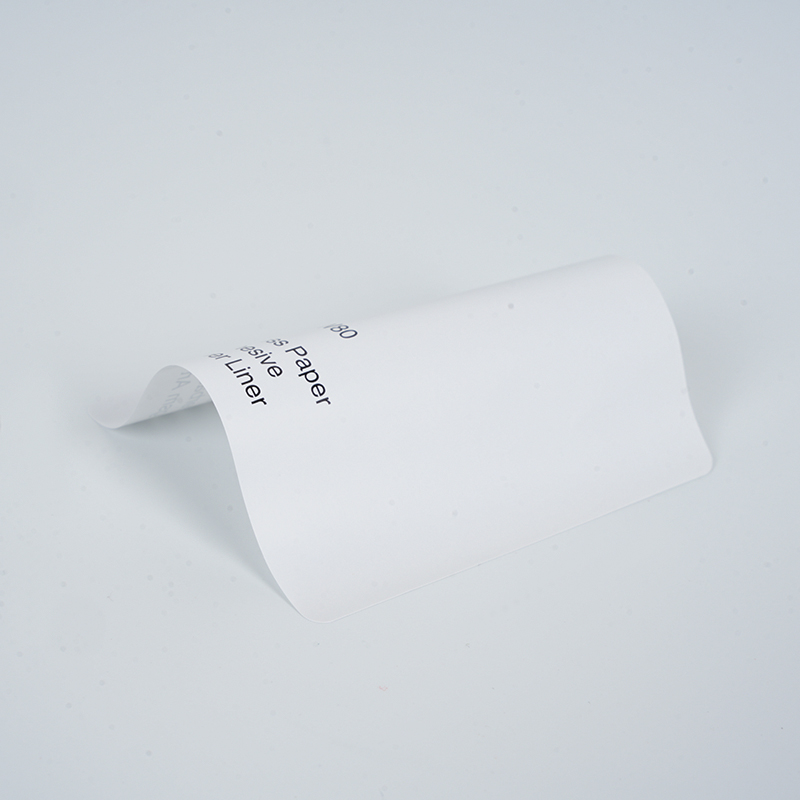
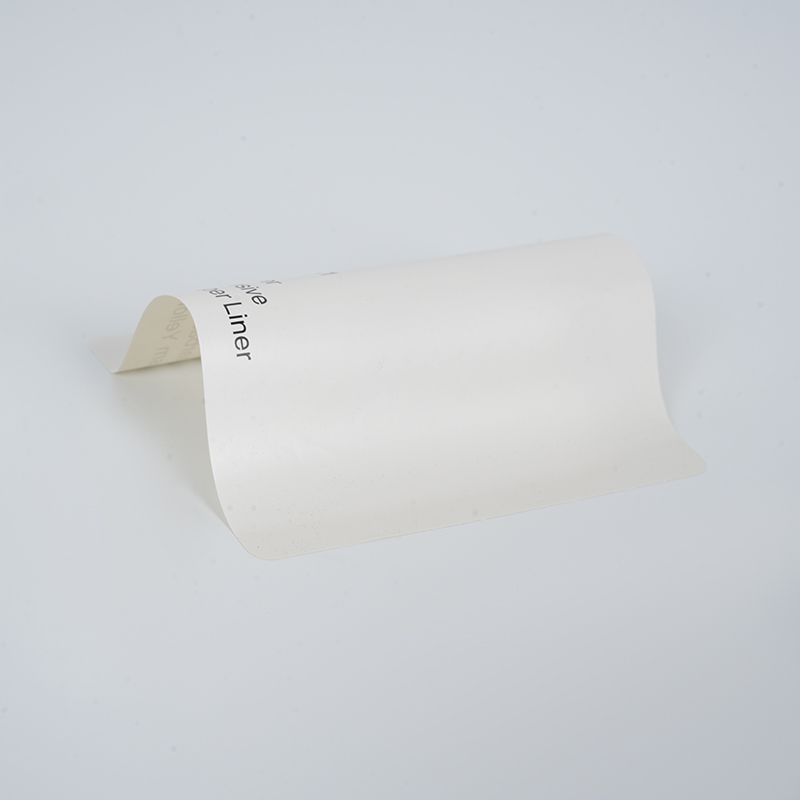
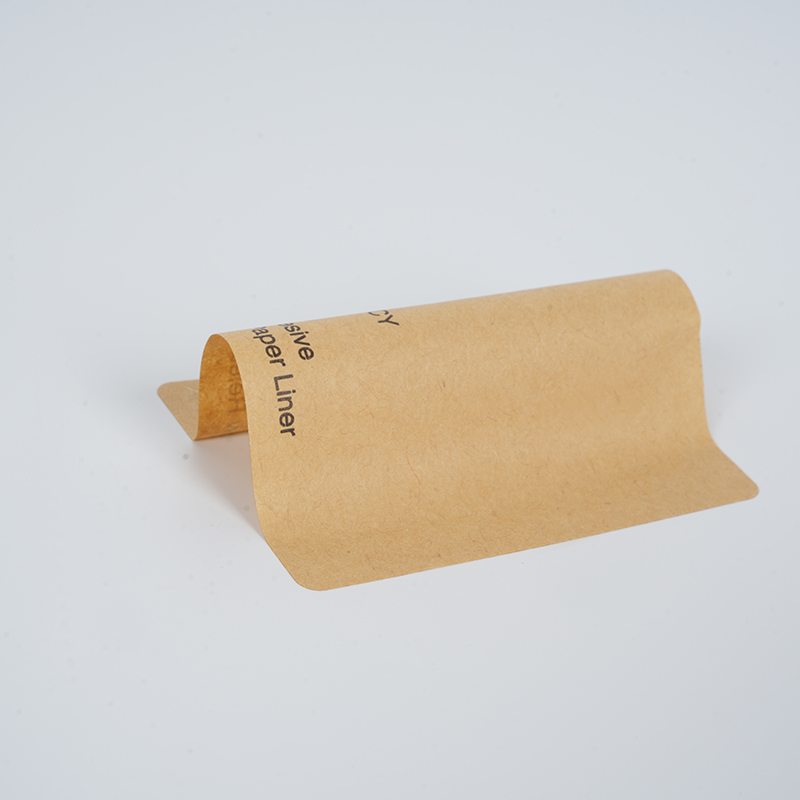
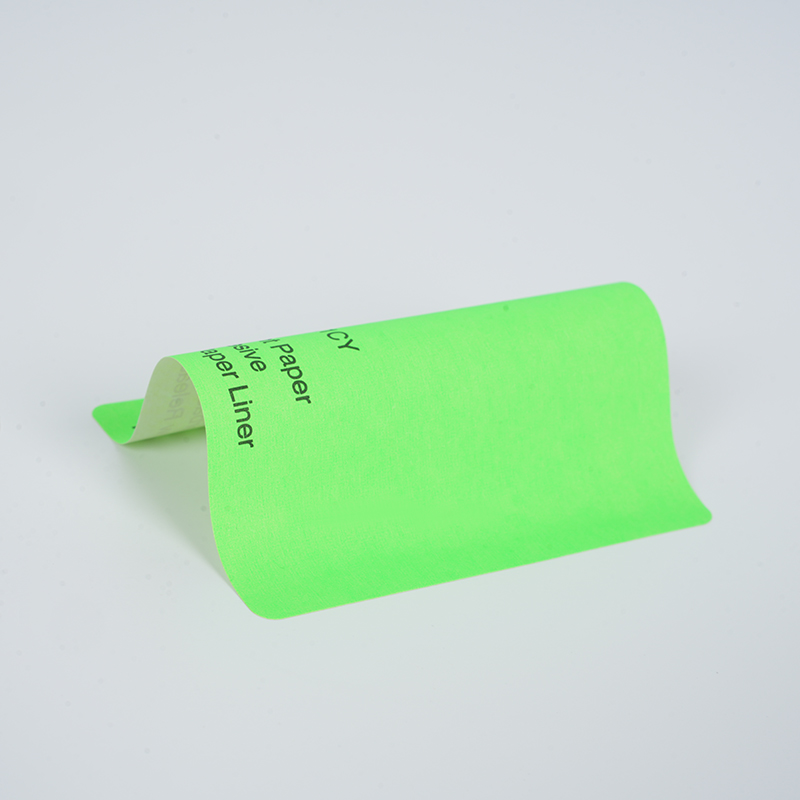
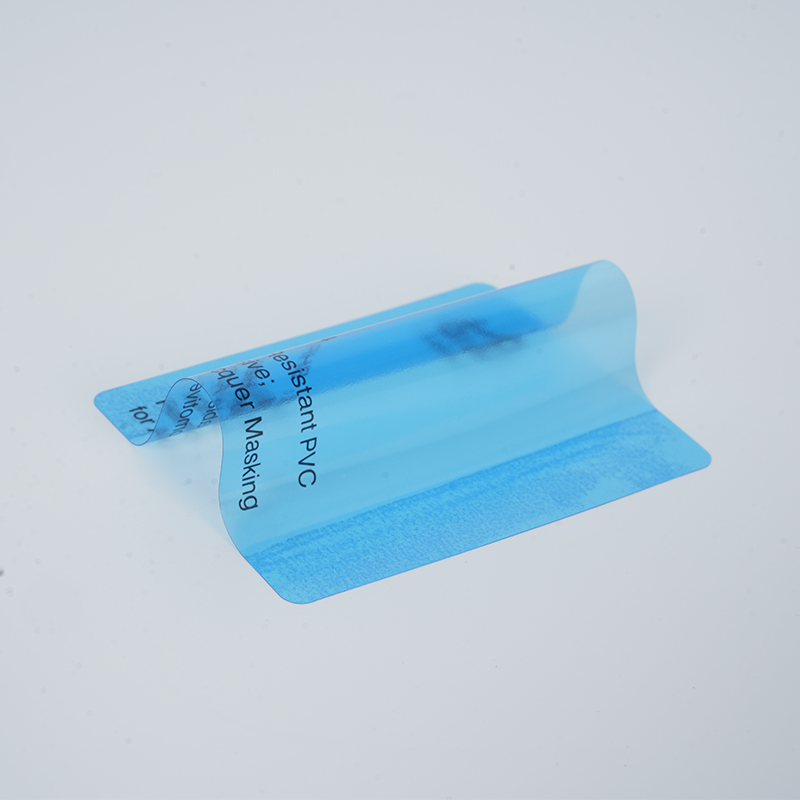
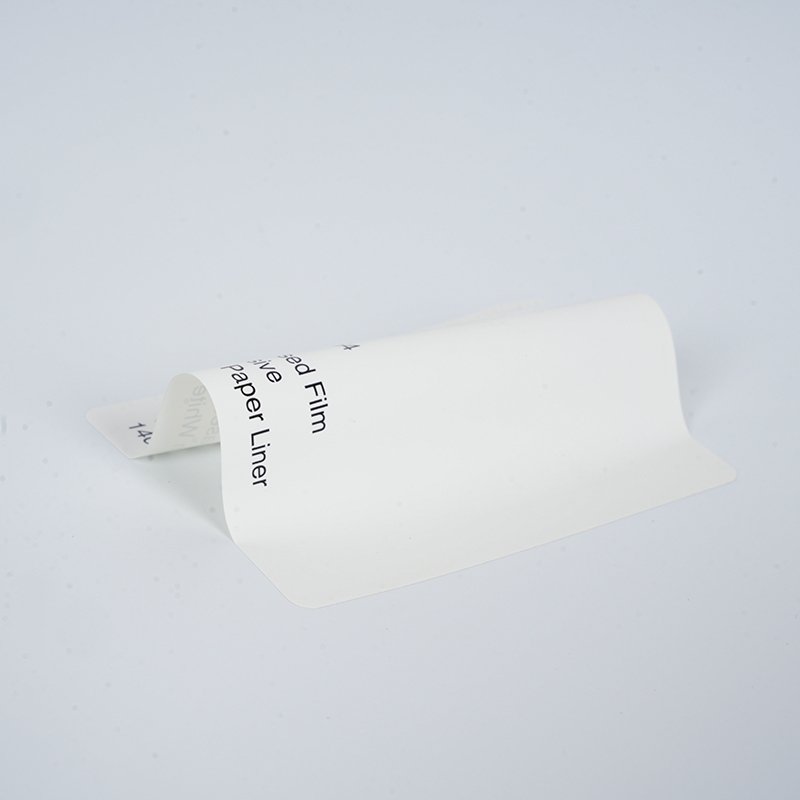
To realize the full benefits, packaging professionals must align the self-adhesive label construction (facestock + adhesive + liner) with their specific application conditions. Below is a decision framework based on material science data — no generic advice, only actionable specifications.
Adhesive type selection: For refrigerated (2–8°C) and frozen applications, select a specially formulated acrylic adhesive with a glass transition temperature below -25°C. For high-speed labeling of small-diameter vials, a high-tack rubber-based adhesive ensures instantaneous bond even at low application pressure. For temporary labels (e.g., warehouse tracking), removable adhesives should retain peel adhesion of less than 2 N/25mm after 6 months to allow clean removal.
Facestock durability metrics: When packaging contains aggressive chemicals (e.g., bleach, essential oils), a biaxially-oriented polypropylene (BOPP) facestock with a chemical-resistant topcoat is required — standard paper labels would disintegrate within 72 hours. Conversely, for compostable packaging, biodegradable paper facestocks with certified self-adhesive adhesives (e.g., OK compost INDUSTRIAL rated) are available.
By leveraging these engineering parameters, packaging teams can improve first-pass labeling yield to >99% and eliminate common failure modes like flagging, tunneling, or adhesive bleed. For new product development, requesting a full adhesive technical data sheet (TDS) including loop tack, peel adhesion on target substrate, and shear resistance is a practice that reduces prototyping iterations by up to 70%.
The cumulative data is compelling: self-adhesive labeling materials reduce line downtime by up to 50%, cut total material waste by over 85% compared to wet-glue systems, and enable design flexibility that increases shelf appeal by a measured 2.5x in consumer studies. For packaging engineers seeking immediate improvements in speed, reliability, and sustainability, shifting to pressure-sensitive self-adhesive materials yields a demonstrable return within the three months of operation — without requiring major capital investment in cases. The industry trajectory confirms: by 2027, over 74% of primary package labels will utilize self-adhesive constructions, driven by the benefits outlined above.
Adopting self-adhesive labeling material isn’t merely a tactical substitution; it is a foundational upgrade for modern, agile packaging ecosystems. Whether your priority is high-speed e-commerce fulfillment, cold-chain integrity, or low-waste manufacturing, self-adhesive technology provides a proven, data-backed solution.
+86-18018686956
+86-021-69171221
No.1218, Huiping Road, Nanxiang Town, Jiading District, Shanghai, China
Copyright © Shanghai Baozhongbao Adhesive Products Co., Ltd. All Rights Reserved. Wholesale Self Adhesive Label Sticker Factory