+86-18018686956
 [email protected]
 Language
 русский
 Español
 عربى
عربى Tiếng Việt

Inquiry
+86-18018686956
[email protected]
Language
In the specialized world of labeling and packaging, the visual and tactile quality of a surface finish can significantly influence consumer perception and functional performance. Choosing between glossy and matte self-adhesive paper materials is a foundational decision for manufacturers, designers, and logistics providers. This choice dictates not only the aesthetic appeal of the final product but also its readability, durability, and suitability for specific environments.
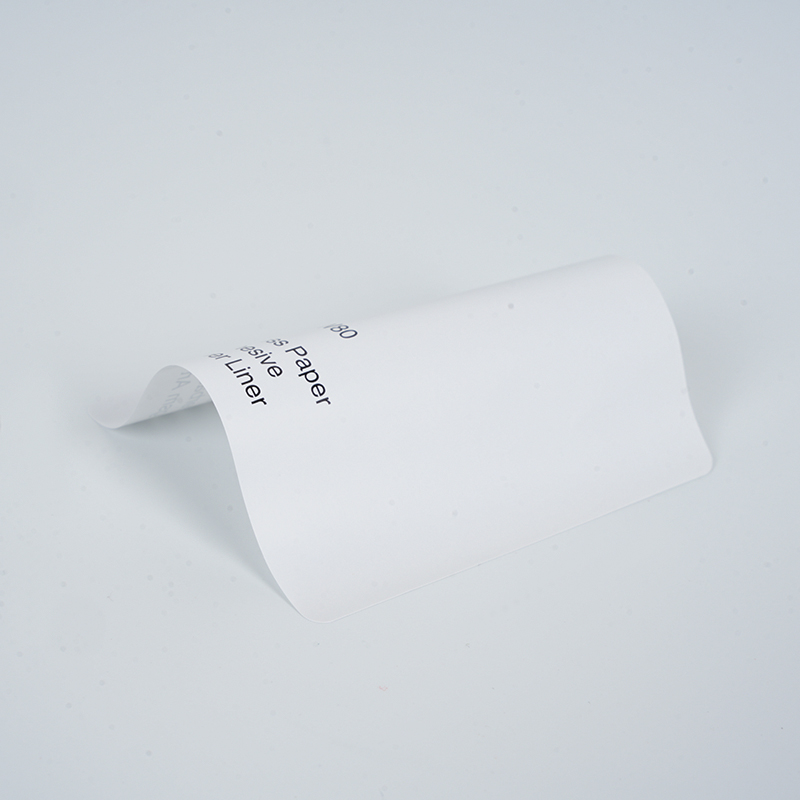
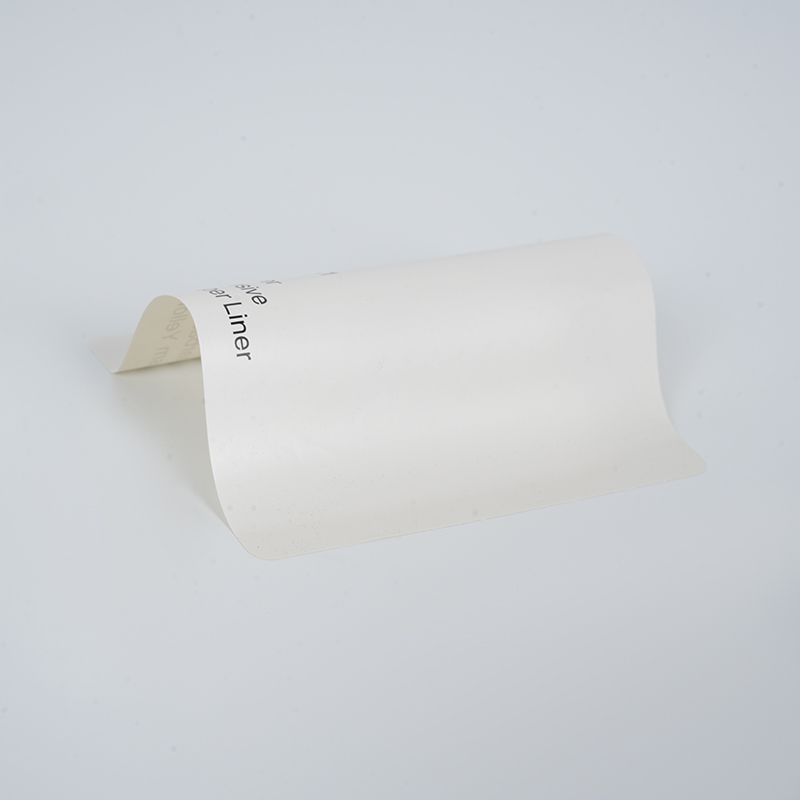
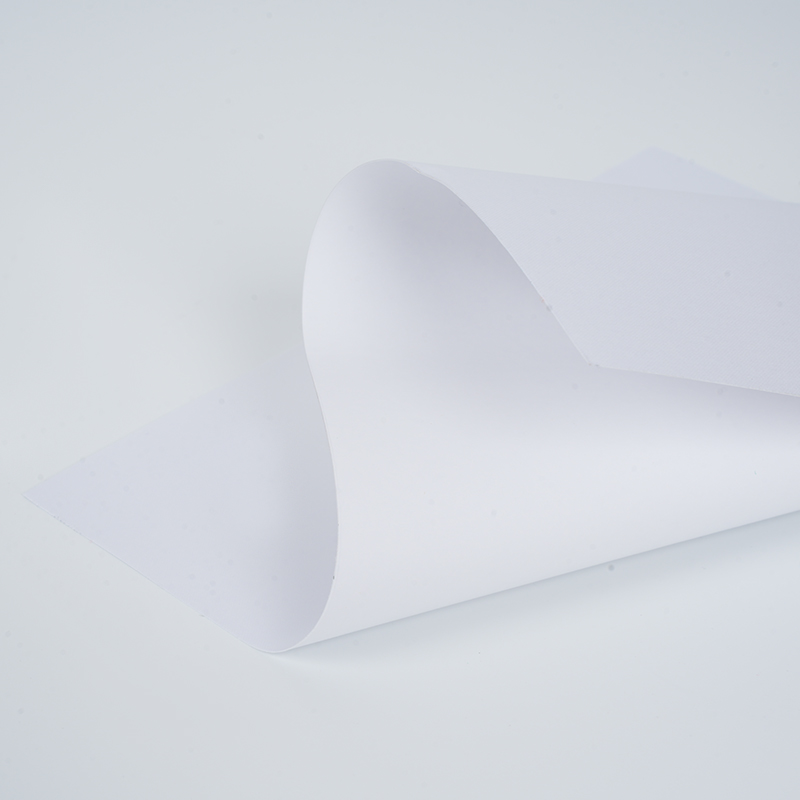
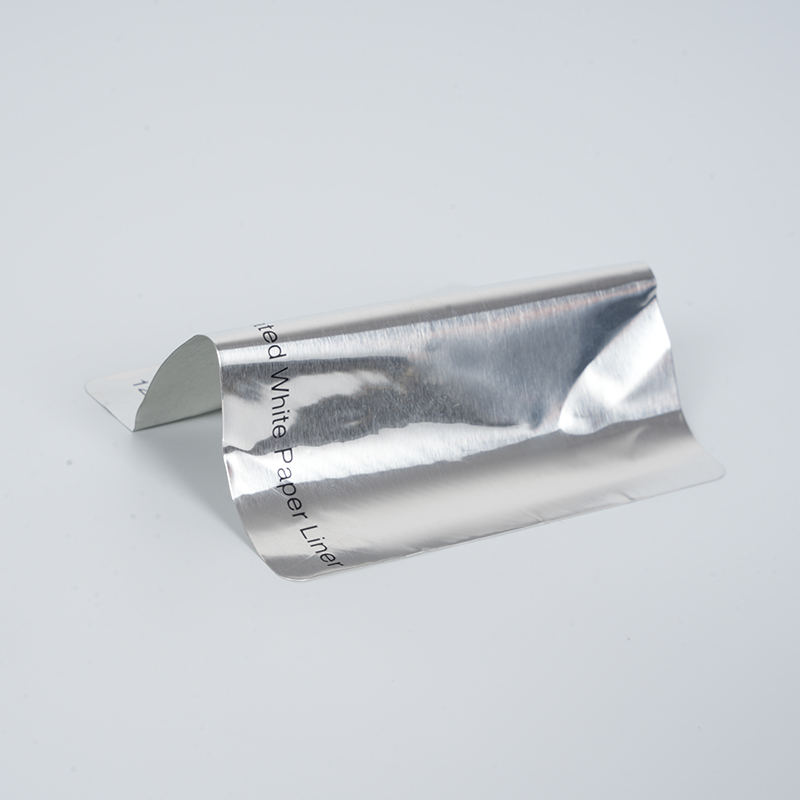
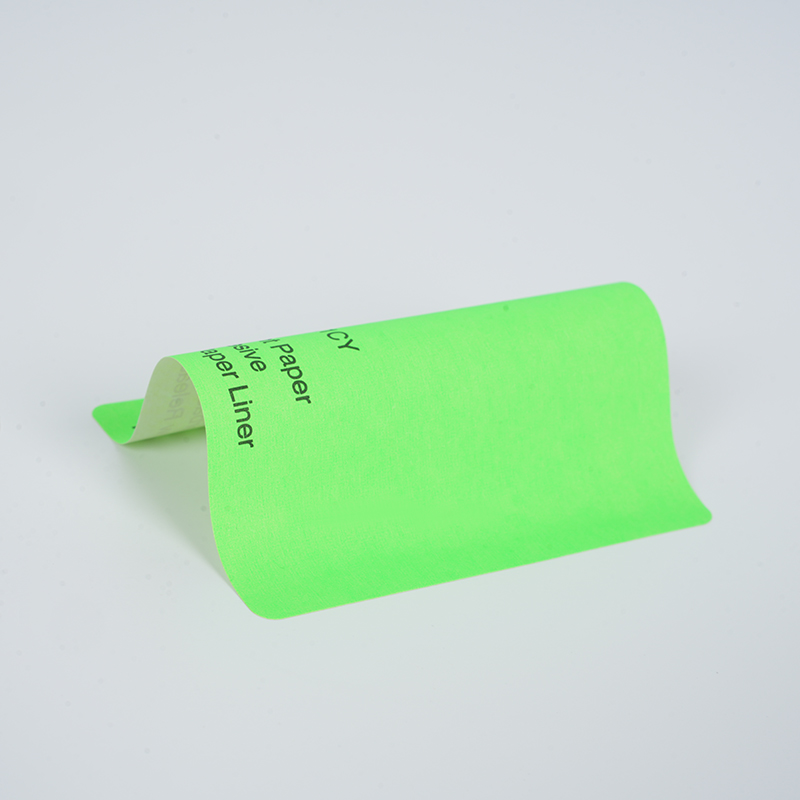
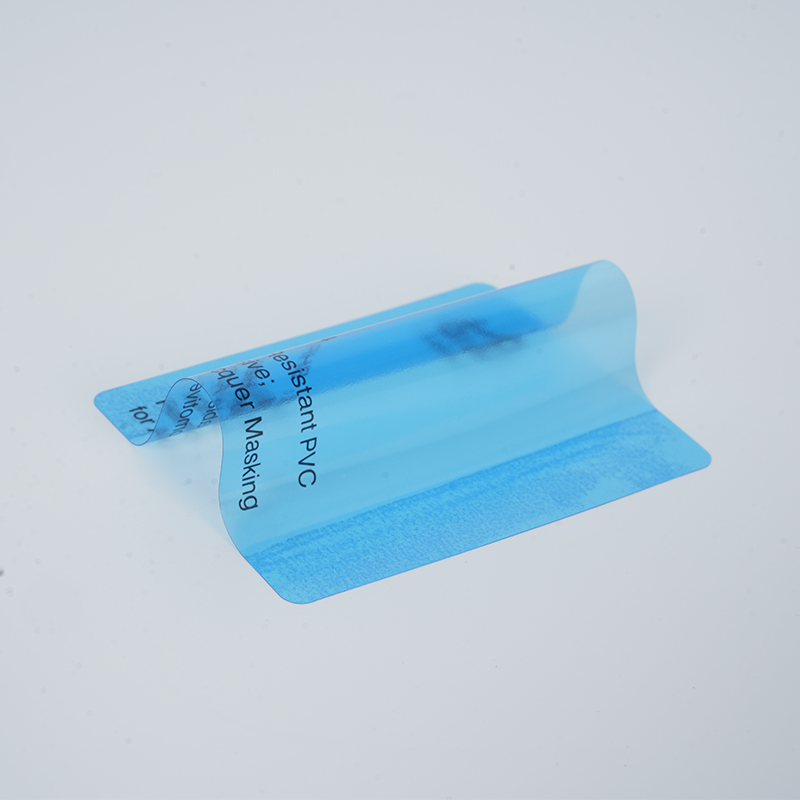
Self-adhesive paper materials, often referred to as pressure-sensitive papers, consist of a face stock, an adhesive layer, and a release liner. The primary distinction between glossy and matte variants lies in the coating applied to the face stock. This coating alters how light interacts with the surface, resulting in either a reflective, high-shine appearance or a soft, diffused finish.
The selection process is rarely about which material is objectively superior; rather, it is about which material aligns with the intended application. A high-end cosmetic product requires a different communicative tone than an industrial shipping label or a rustic artisanal food package.
Glossy self-adhesive paper materials are engineered for strong visual impact. The smooth, polished surface allows for high ink density and a wide color gamut, making images appear more vibrant and sharper.
However, the high reflectivity of glossy materials can be a drawback under direct lighting, where glare may obscure text or barcodes. Additionally, fingerprints and scratches are more visible on a shiny surface.
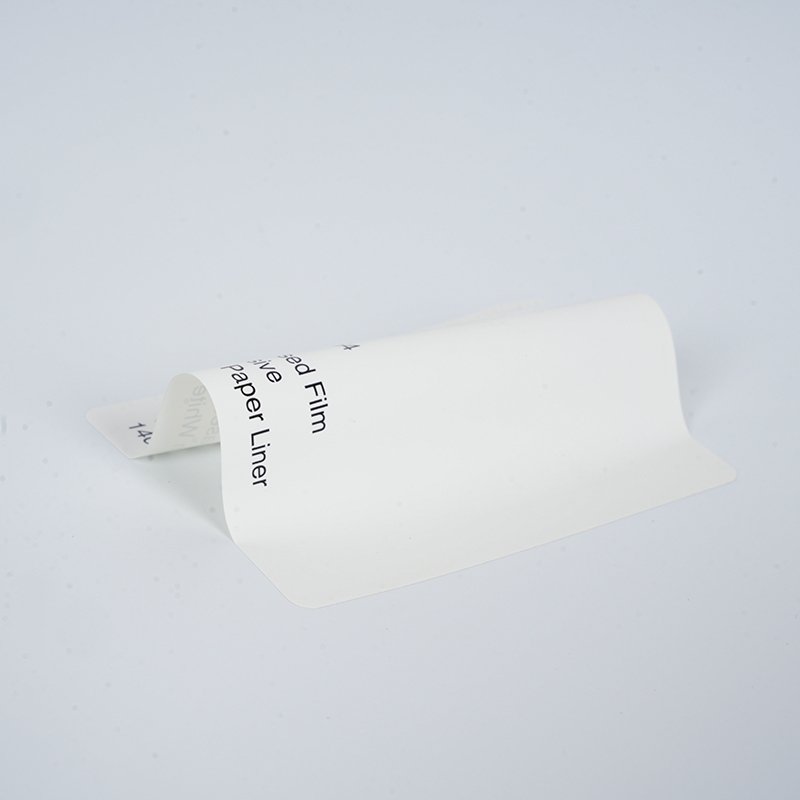
Matte self-adhesive paper materials offer a sophisticated, non-reflective alternative. The surface is intentionally micro-textured to scatter light, providing a soft look that is easy on the eyes.
To better understand the practical applications of these self-adhesive paper materials, the following table outlines their performance across key criteria:
| Performance Metric | Glossy Self-Adhesive Paper | Matte Self-Adhesive Paper |
|---|---|---|
| Light Reflection | High / Mirror-like | Low / Diffused |
| Color Depth | Exceptional brilliance | Subtle and muted |
| Barcode Scannability | Moderate (potential glare) | High (optimal contrast) |
| Fingerprint Resistance | Low (shows marks easily) | High (hides smudges) |
| Tactile Texture | Slick and smooth | Velvety or paper-like |
| Primary Use Case | Marketing & Photography | Information & Minimalist Design |
When evaluating self-adhesive paper materials, consider the environment in which the label will exist. If the product will sit on a brightly lit retail shelf, a glossy finish might attract the eye but could make the fine print difficult to read. Conversely, if the product is meant to convey a sense of heritage or “hand-made” quality, a matte finish is often the more authentic choice.
Durability is another factor. While both materials are robust for indoor use, the glossy coating can sometimes act as a barrier against oils, whereas matte paper might absorb liquids more readily unless specifically treated.
The decision between glossy and matte self-adhesive paper materials ultimately balances form and function. By understanding the light-reflecting properties and the tactile nature of each coating, businesses can ensure their labels not only stick but also speak effectively to their target audience.
1. Can I use both glossy and matte materials for outdoor labeling?
Standard self-adhesive paper materials are generally designed for indoor use. For outdoor applications, synthetic materials (like PP or PET) with glossy or matte finishes are recommended to withstand UV exposure and moisture.
2. Which material is better for QR codes?
Matte is generally for QR codes. The absence of glare ensures that smartphone cameras and industrial scanners can identify the contrast between the pixels without interference from light reflections.
3. Does the adhesive strength differ between glossy and matte papers?
The surface finish (glossy or matte) is a characteristic of the face stock and does not typically affect the adhesive’s performance. Adhesive strength is determined by the chemical composition of the glue layer (acrylic or rubber-based).
4. Is there a price difference between these two materials?
Generally, the price difference is negligible. Cost variations are more commonly driven by the weight of the paper, the type of adhesive used, and the volume of the order rather than the finish itself.
5. Which finish is better for “natural” or “eco-friendly” branding?
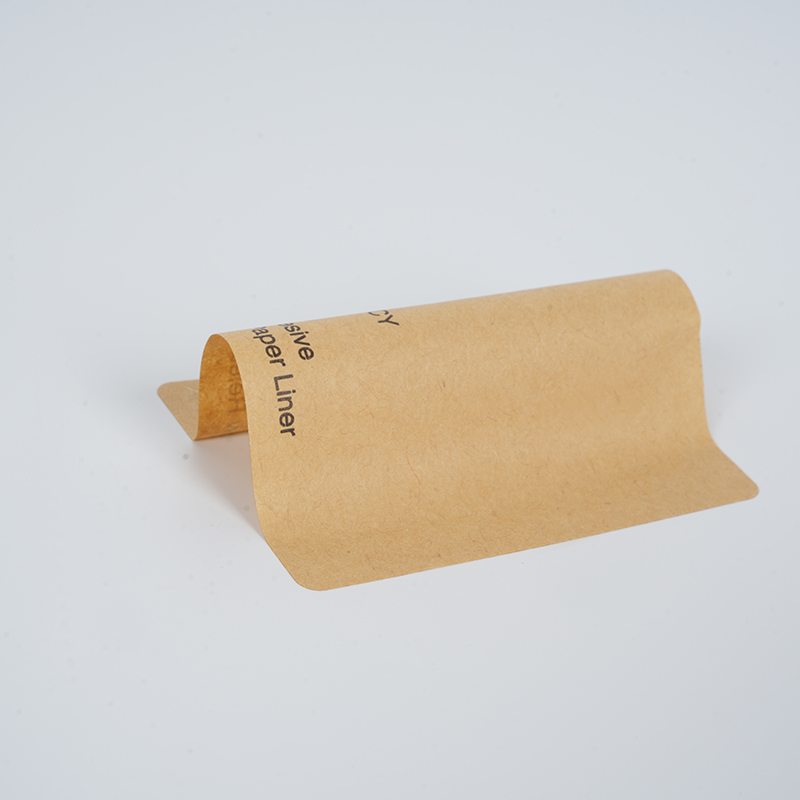
Matte finishes are traditionally preferred for eco-friendly branding as they mimic the raw, uncoated texture of recycled paper, conveying a sense of sustainability and simplicity.
+86-18018686956
+86-021-69171221
No.1218, Huiping Road, Nanxiang Town, Jiading District, Shanghai, China
Copyright © Shanghai Baozhongbao Adhesive Products Co., Ltd. All Rights Reserved. Wholesale Self Adhesive Label Sticker Factory