+86-18018686956
 [email protected]
 Language
 русский
 Español
 عربى
عربى Tiếng Việt

Inquiry
+86-18018686956
[email protected]
Language
Choosing the right self-adhesive paper materials depends primarily on matching face stock, adhesive type, and liner performance to the end-use environment. When these three components are properly aligned, the material delivers stable bonding, clean application, and long-term durability without failure risks such as peeling, curling, or residue issues.
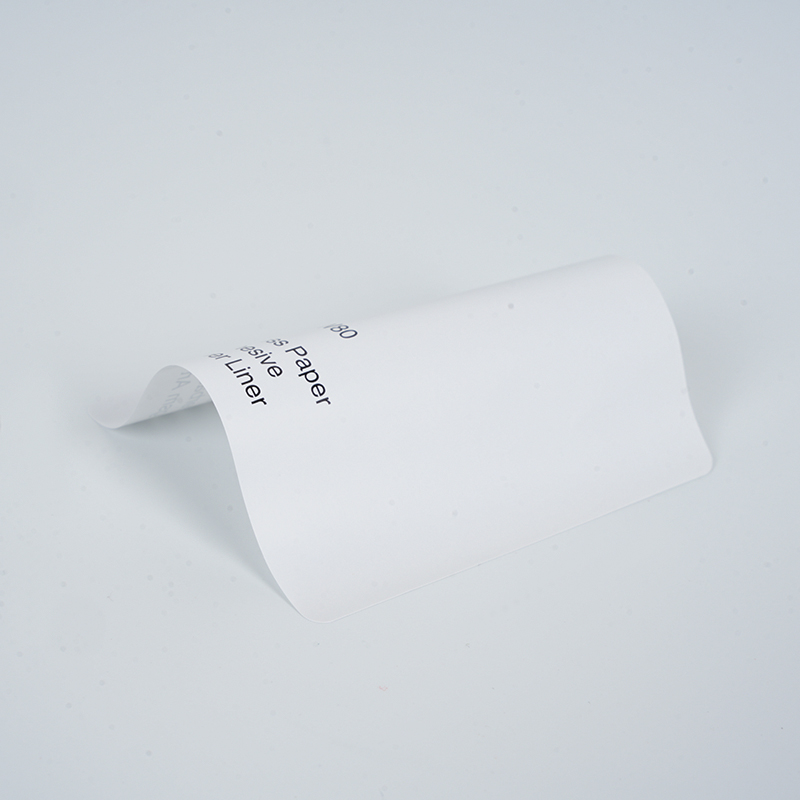
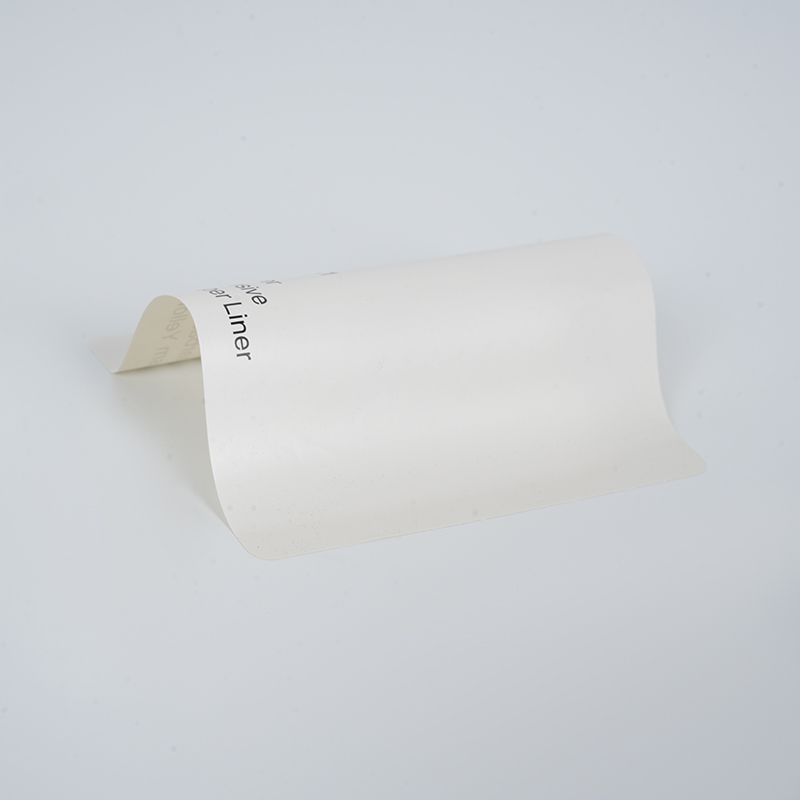
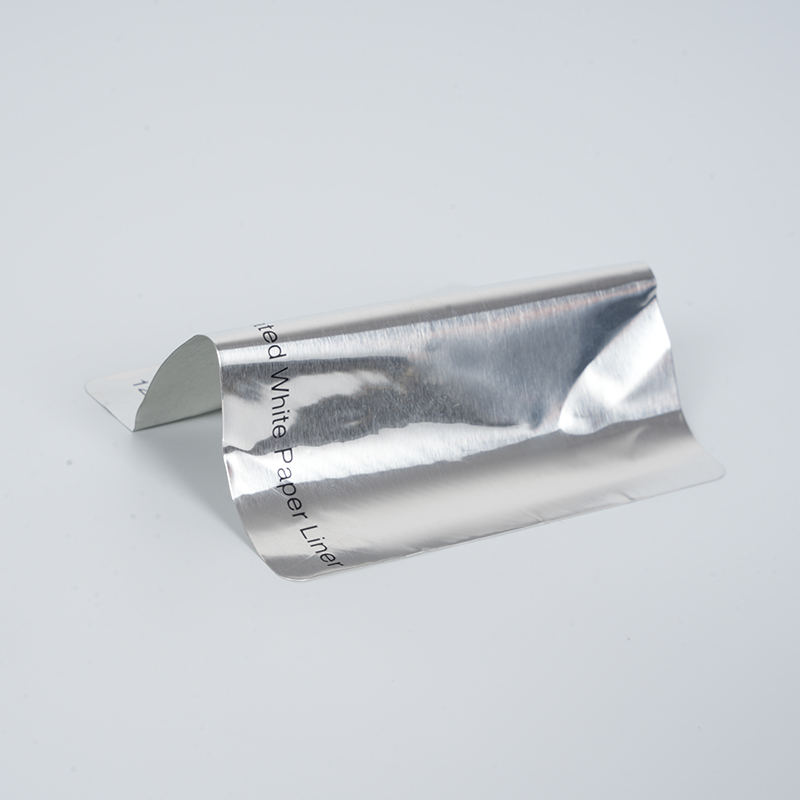
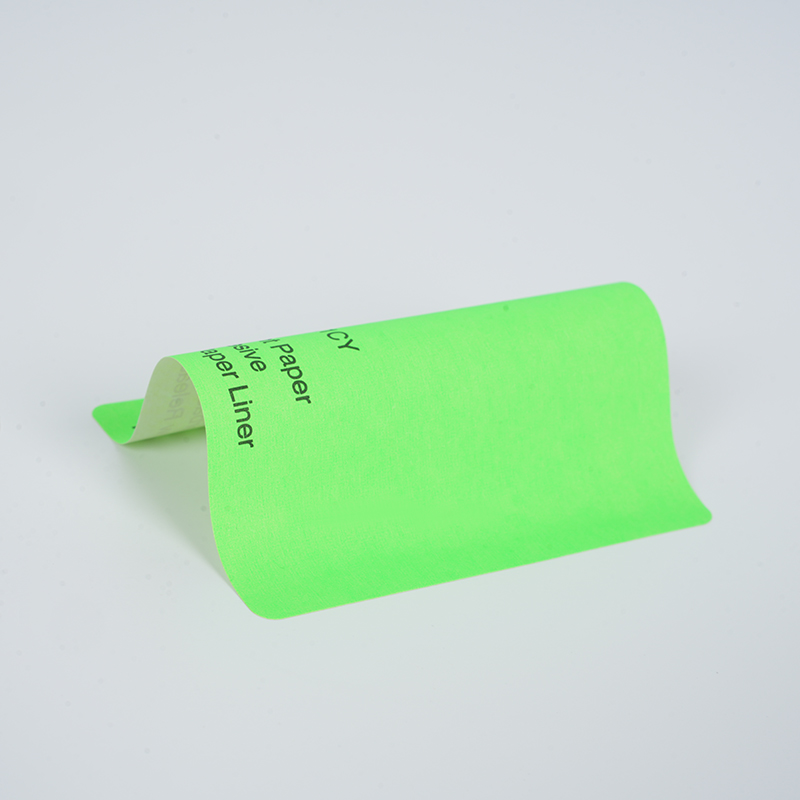
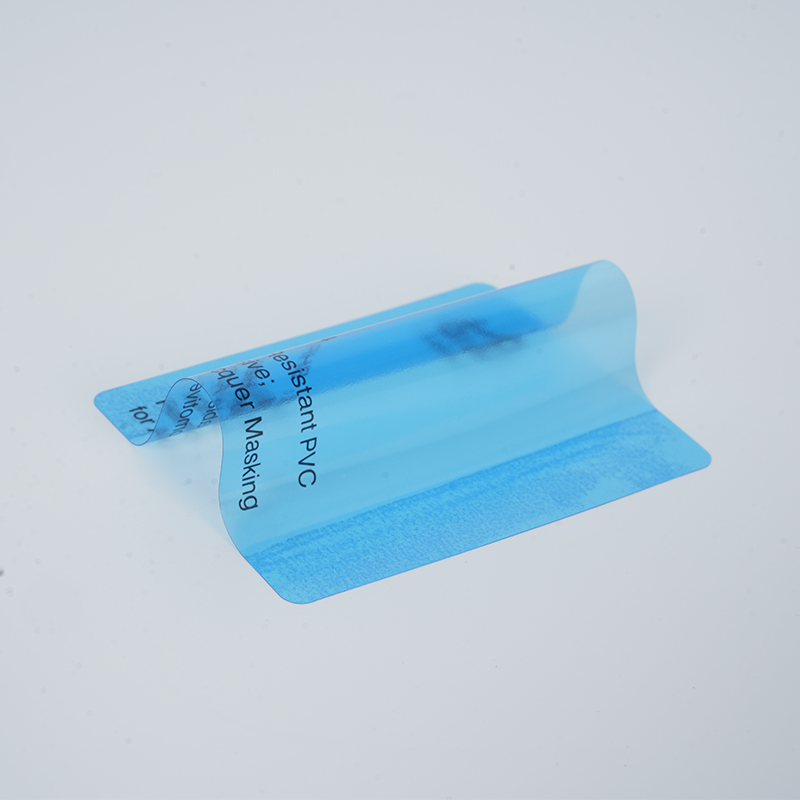
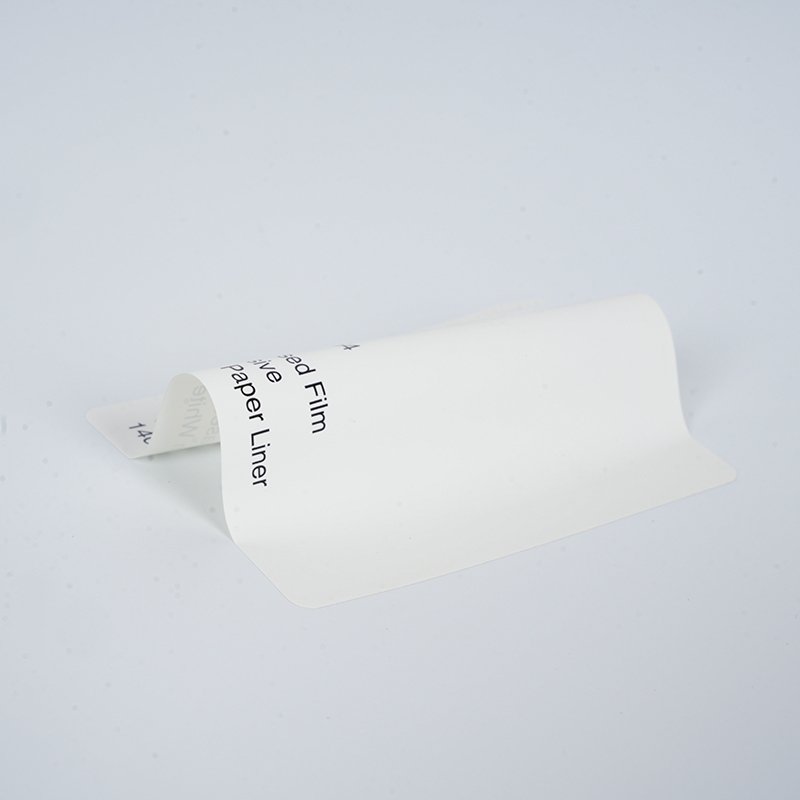
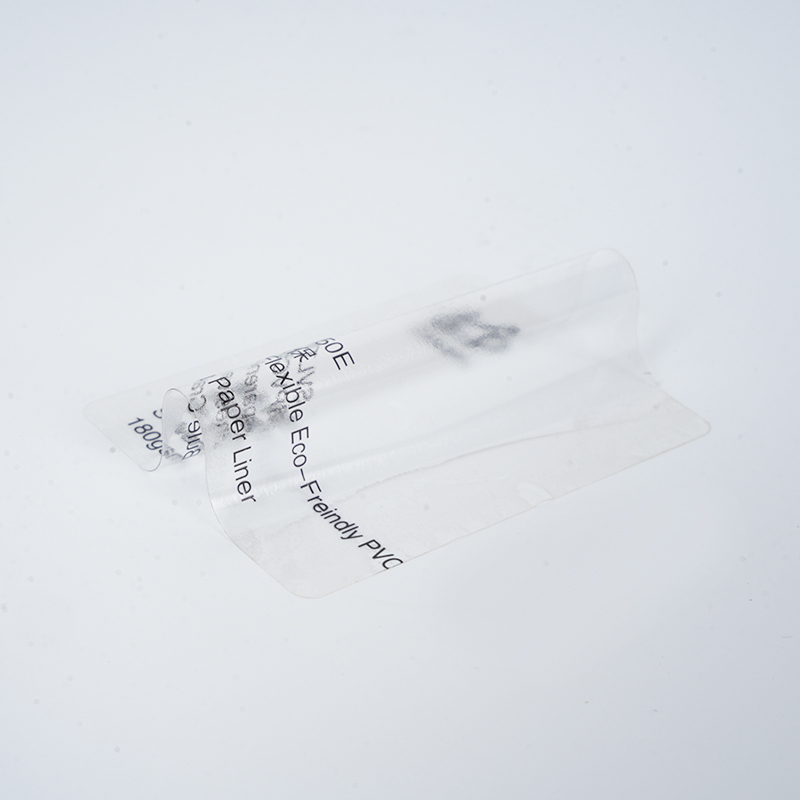
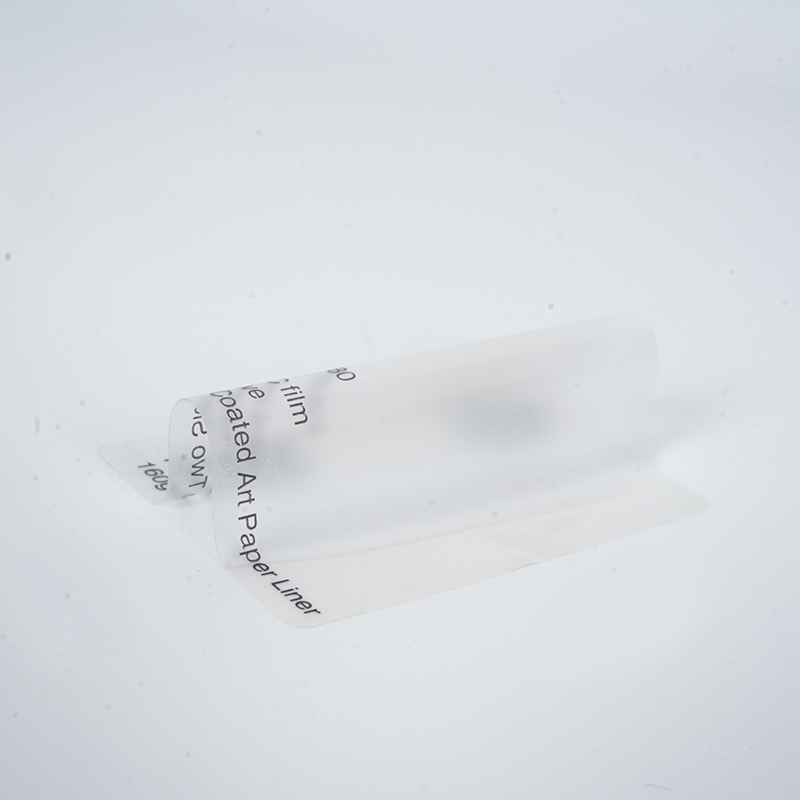
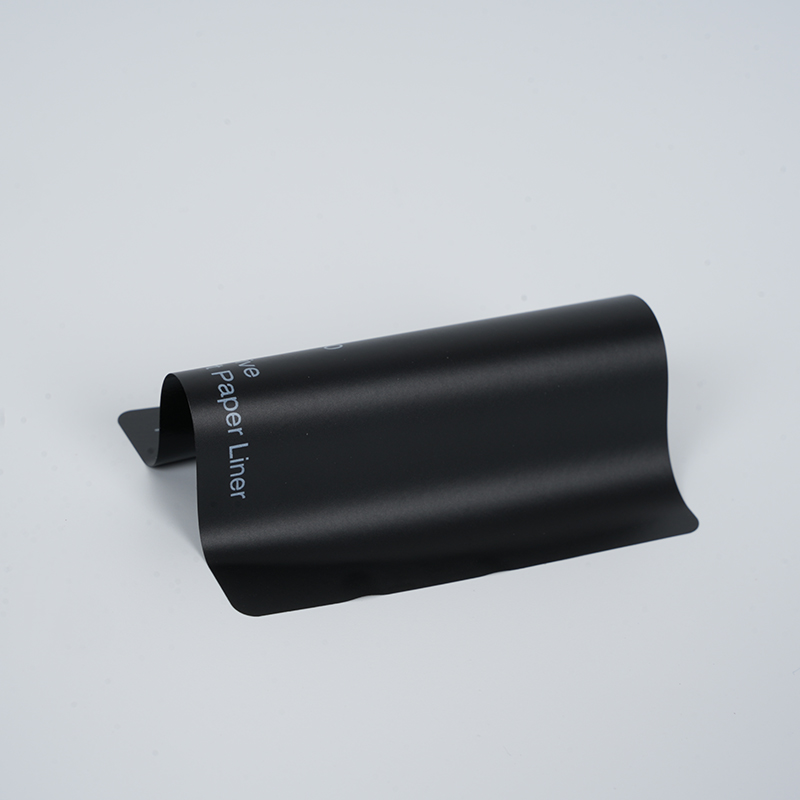
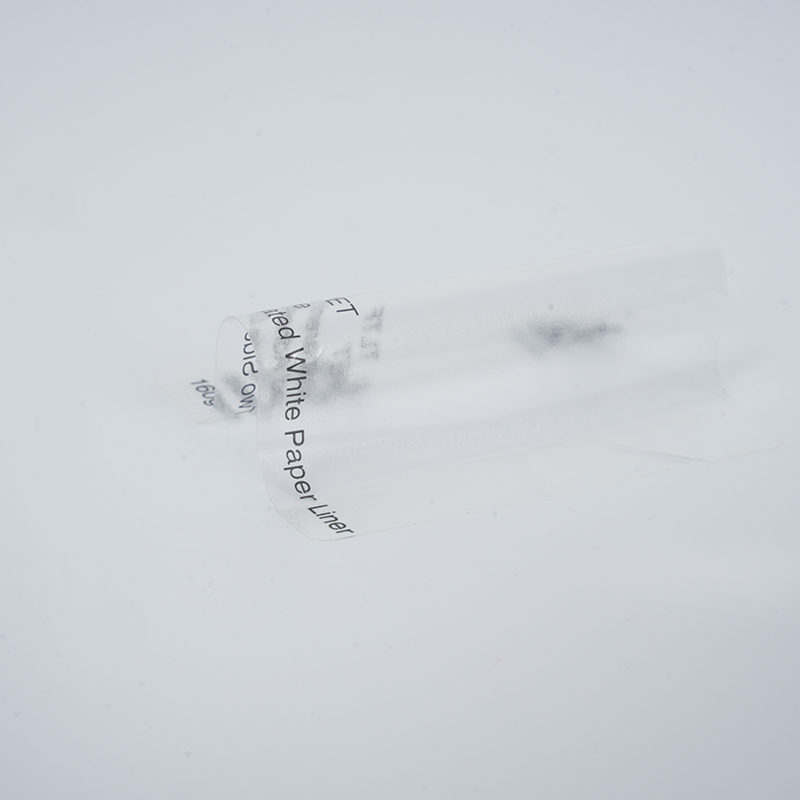
Self-adhesive paper materials are typically composed of three functional layers: face stock, adhesive layer, and release liner. Each layer plays a critical role in determining performance, durability, and application suitability.
The face stock provides the visible surface and printability, the adhesive ensures bonding to substrates, and the liner protects the adhesive before use. A mismatch in any layer can significantly reduce application efficiency and reliability.
Face stock selection directly affects print quality, durability, and resistance to environmental conditions. Common options include coated paper, uncoated paper, and film-based materials.
Coated paper offers smooth printing performance and improved visual clarity, while uncoated paper provides better writability and cost efficiency. Film-based face stocks deliver higher resistance to moisture, tearing, and abrasion.
Adhesives determine how strongly and how permanently the label bonds to a surface. Selection should consider surface type, temperature exposure, and removal requirements.
Key insight: Adhesive selection should prioritize substrate compatibility over bonding strength.
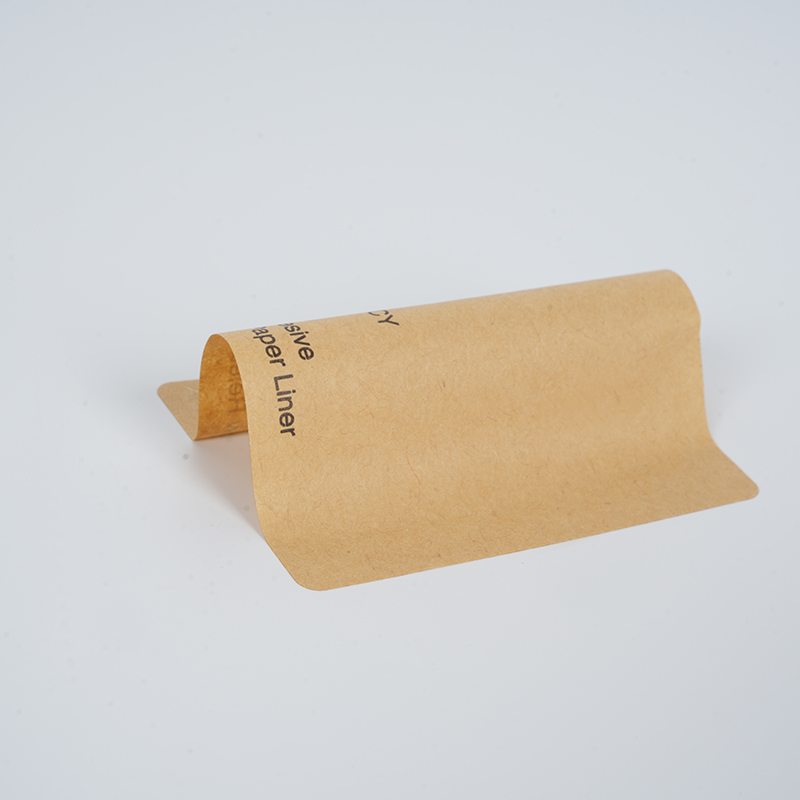
The release liner protects the adhesive layer before application and ensures smooth peeling during use. Common liner materials include glassine paper and coated kraft paper.
A well-designed liner reduces waste, improves automation efficiency, and ensures consistent application speed in industrial processes.
Environmental conditions significantly influence adhesive performance. Temperature, humidity, and surface texture must be considered during material selection.
For example, high-humidity environments require moisture-resistant face stock and stable adhesive formulations to prevent edge lifting or degradation.
The following table provides a simplified matching guide for selecting self-adhesive paper materials based on application needs.
| Application Need | Recommended Face Stock | Adhesive Type |
|---|---|---|
| Short-term labeling | Uncoated paper | Removable adhesive |
| Long-term industrial use | Coated paper or film | Permanent adhesive |
| Outdoor exposure | Film-based material | UV-stable acrylic adhesive |
One of the common mistakes in selecting self-adhesive paper materials is focusing only on adhesive strength while ignoring surface compatibility and environmental exposure.
A balanced selection approach considers all three layers together, ensuring consistent performance throughout the product lifecycle.
Final takeaway: Optimal performance comes from system-level selection rather than focusing on a single material layer.
+86-18018686956
+86-021-69171221
No.1218, Huiping Road, Nanxiang Town, Jiading District, Shanghai, China
Copyright © Shanghai Baozhongbao Adhesive Products Co., Ltd. All Rights Reserved. Wholesale Self Adhesive Label Sticker Factory