+86-18018686956
 [email protected]
 Language
 русский
 Español
 عربى
عربى Tiếng Việt

Inquiry
+86-18018686956
[email protected]
Language
Choosing the right self adhesive labeling material is one of the most consequential decisions in packaging design. The two dominant categories, paper based stock and synthetic film, behave very differently once exposed to moisture, oil, abrasion, or temperature swings. This comparison breaks down where each material excels and where it falls short so the decision can be made on performance data rather than assumption.
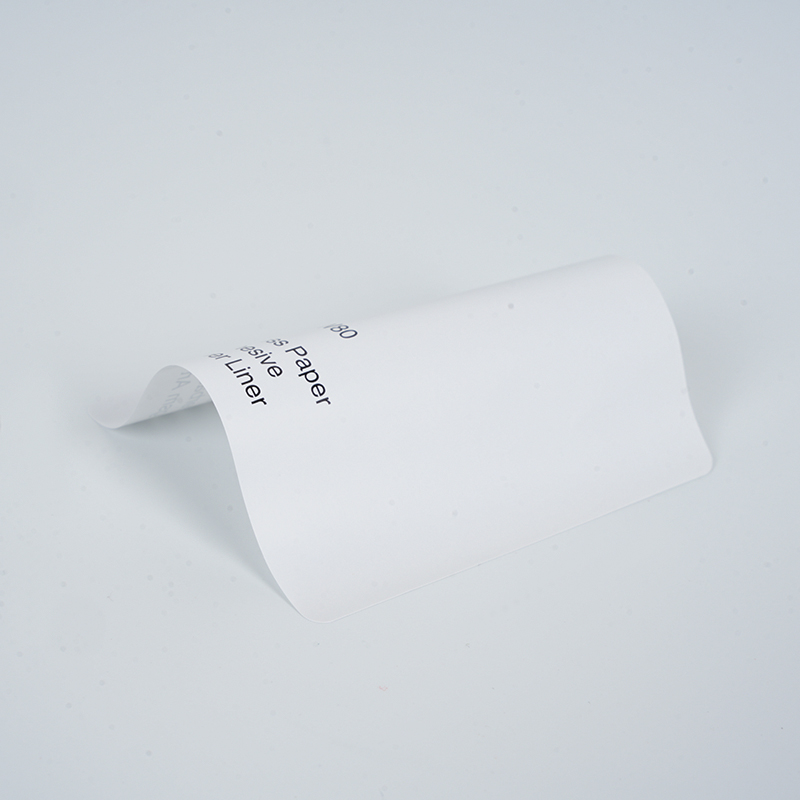
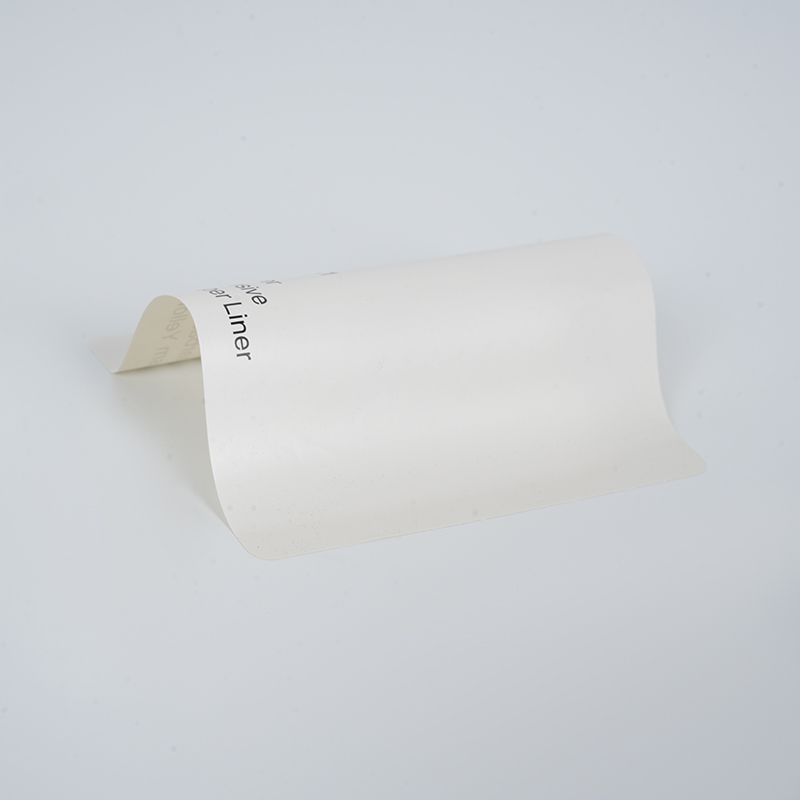
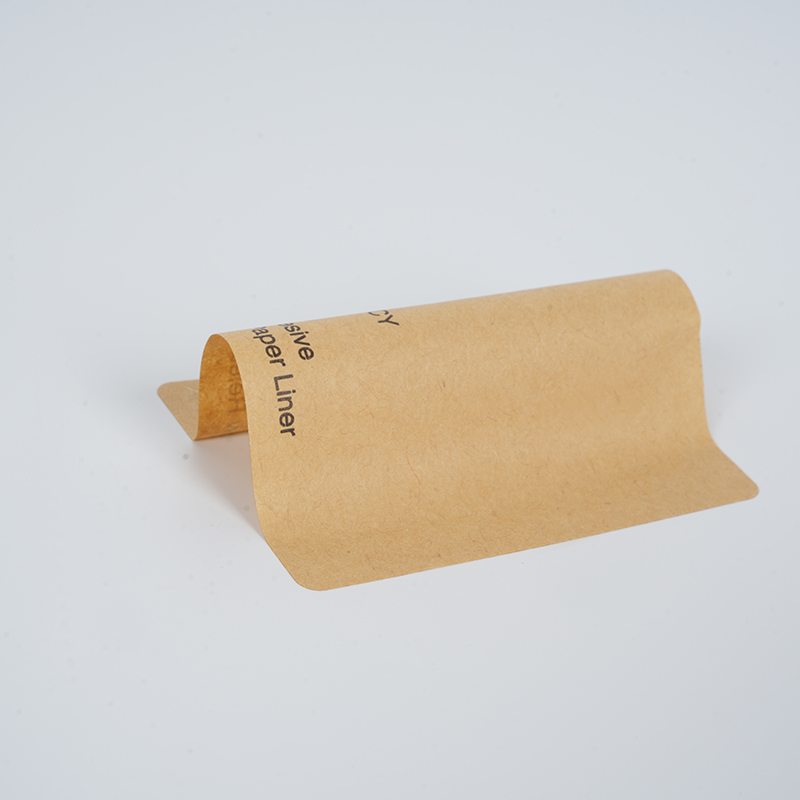
Paper stock is derived from cellulose fibers, coated to accept ink and adhesive. Film stock, typically polypropylene or polyester, is a synthetic polymer sheet engineered for dimensional stability. Both are converted into a self adhesive label material by adding a pressure sensitive adhesive layer and a release liner, but their performance under stress diverges sharply.
Film based pressure sensitive label material resists water, oil, and abrasion far better than uncoated paper. Paper stock, unless specifically laminated or coated, will wrinkle, tear, or lose print clarity when exposed to condensation or refrigeration.
| Attribute | Paper Label Stock | Film Label Stock |
|---|---|---|
| Water resistance | Low to moderate | High |
| Tear resistance | Moderate | High |
| Cost per unit | Lower | Higher |
| Print clarity on curved surfaces | Good | Very good |
| Typical shelf life | 6 to 12 months | 2 to 5 years |
| Best use case | Dry goods, short term promo | Chemicals, cold storage, outdoor |
Every self adhesive label stock, regardless of face material, shares a layered structure. Understanding these layers clarifies why material choice at the top layer changes the entire label behavior.
A label that fails after the product leaves the shelf is not a minor defect. It is a traceability and compliance risk, particularly for regulated goods.
Curved and cylindrical containers place mechanical stress on labels during application, so flexibility matters as much as adhesion. For bottles exposed to condensation, such as beverages stored cold, coated paper with a water resistant topcoat or a thin film face performs consistently. For containers holding oils, cleaning agents, or solvents, film stock with chemical resistant adhesive is the safer choice.
Waterproofing is not a single property but a combination of face stock treatment, adhesive formulation, and print method compatibility. A genuinely waterproof self adhesive coated paper uses a polymer topcoat that seals fibers against moisture penetration, while true film stock is inherently water resistant at the base material level.
| Requirement | Recommended Approach |
|---|---|
| Full submersion resistance | Synthetic film face with permanent adhesive |
| Splash or condensation only | Coated paper with water resistant topcoat |
| Print smudge resistance | Match ink type to face coating chemistry |
| Cold chain storage | Film stock with low temperature adhesive |
Adhesive selection is independent of face material but equally critical to performance. Permanent adhesive forms a strong bond that increases in strength over time and resists intentional removal, making it suitable for compliance labeling and long term identification. Removable adhesive maintains enough tack to stay attached during normal handling but releases cleanly without residue when peeled.
Choosing incorrectly leads to two common failures: permanent adhesive on a surface meant for reuse leaves residue and damages finishes, while removable adhesive on a product meant for long term storage risks the label falling off before its intended lifespan ends.
A complete self adhesive label material is built from four functional layers, each contributing a distinct property to the finished label.
Specialty variants extend this base structure further. Self adhesive thermal paper includes a heat sensitive coating that reacts to a thermal printhead, eliminating the need for ribbon or ink, while direct thermal label material is engineered specifically for barcode and shipping applications where fast, ribbon free printing is required.
Food and beverage packaging introduces additional variables: grease contact, refrigeration, freezer storage, and regulatory labeling requirements. Material selection here should prioritize both durability and compliance with food contact surface safety standards where the label may touch product residue.
| Scenario | Suggested Material |
|---|---|
| Frozen food packaging | Film stock with freezer grade adhesive |
| Bakery and deli, short shelf life | Semi gloss self adhesive paper |
| Bottled beverages, condensation prone | Coated paper with water resistant topcoat or thin film |
| Oil or sauce containers | Film stock, oil resistant adhesive |
Print method also matters. Thermal transfer printing on film offers strong smudge resistance for variable data such as batch numbers and expiry dates, while direct thermal printing on coated paper is common for short shelf life items where long term print permanence is not required.
When sourcing from a self adhesive labeling material manufacturer, technical due diligence prevents costly mismatches between material and application. Key questions include adhesive service temperature range, minimum and maximum application temperatures, expected outdoor UV exposure rating, and compatibility with intended printing equipment, whether laser, inkjet, or thermal transfer.
The best choice depends on exposure conditions. Dry, room temperature bottles do well with coated paper, while bottles exposed to condensation, chemicals, or flexing plastic surfaces perform better with film stock and a matched adhesive system.
Look for synthetic film face stock for full waterproofing, or a coated paper with a water resistant topcoat for lighter moisture exposure such as splashing or condensation, and always pair it with an adhesive rated for the storage temperature.
Permanent adhesive creates a lasting bond that resists removal and is suited to compliance or identification labeling, while removable adhesive releases cleanly without residue, making it appropriate for promotional labels or temporary markings.
It consists of a face stock, either paper or film, combined with an adhesive layer, a release liner, and often a protective topcoat that adds resistance to water, oil, or abrasion depending on the intended use.
Match the material to storage conditions such as refrigeration or freezing, consider grease or moisture contact, and choose a print method, thermal transfer or direct thermal, that provides sufficient print permanence for the product shelf life.
+86-18018686956
+86-021-69171221
No.1218, Huiping Road, Nanxiang Town, Jiading District, Shanghai, China
Copyright © Shanghai Baozhongbao Adhesive Products Co., Ltd. All Rights Reserved. Wholesale Self Adhesive Label Sticker Factory