Home / News / Industry News / Self-Adhesive Film Materials vs. Traditional Adhesive Solutions: Which Is Better?
Industry News

Self-Adhesive Film Materials vs. Traditional Adhesive Solutions: Which Is Better?

Industry News-

Introduction

In recent years, self-adhesive film materials have gained significant attention in industries ranging from packaging to automotive and construction. As alternatives to traditional adhesive solutions, these materials offer unique advantages that are reshaping how manufacturers approach bonding, protection, and surface finishing.

What Are Self-Adhesive Film Materials?

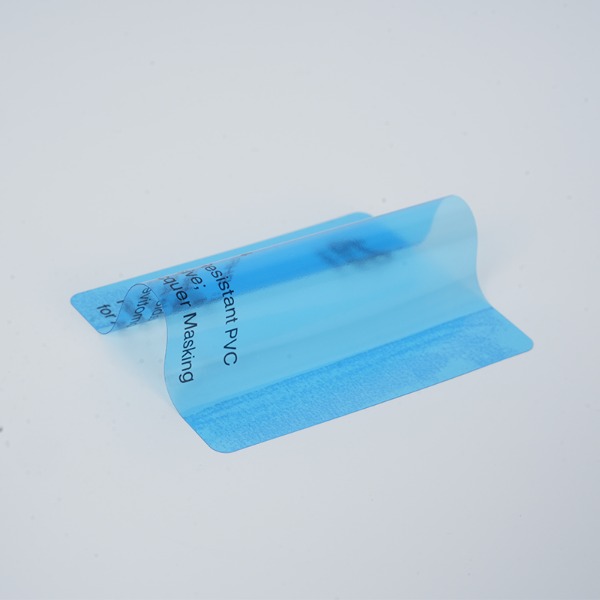
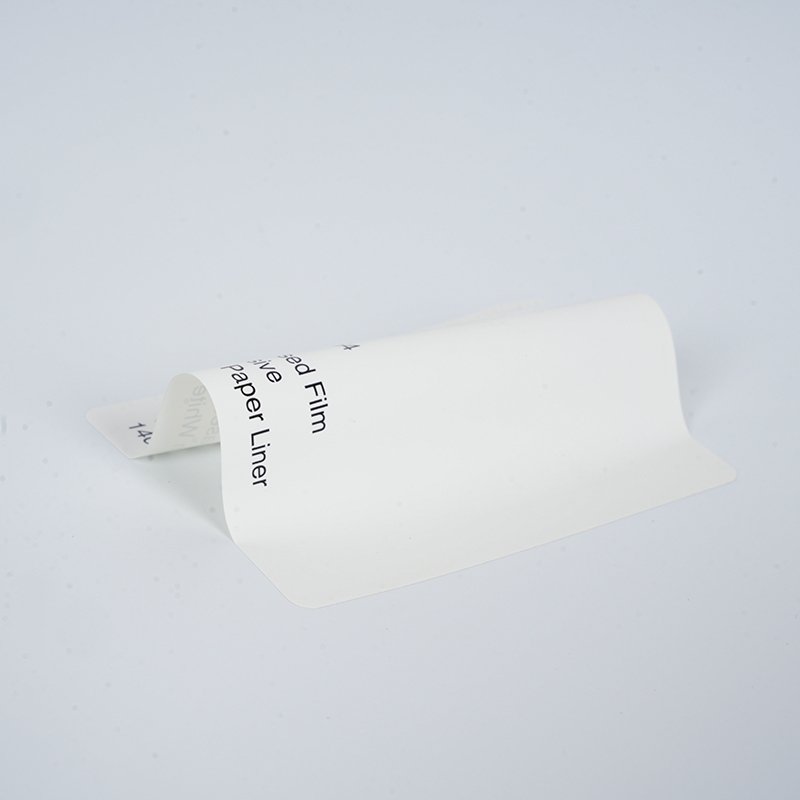
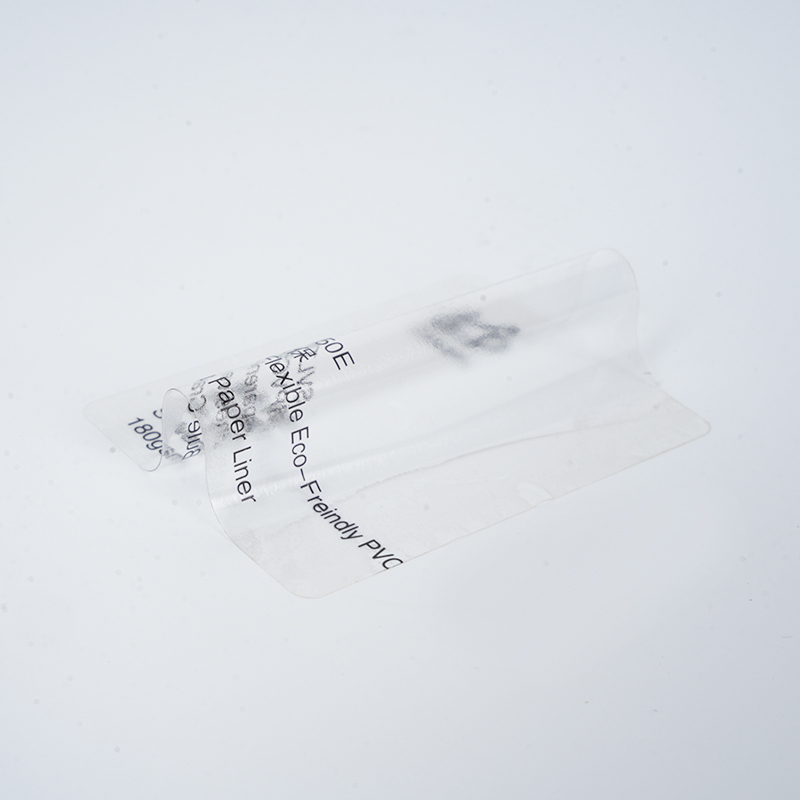
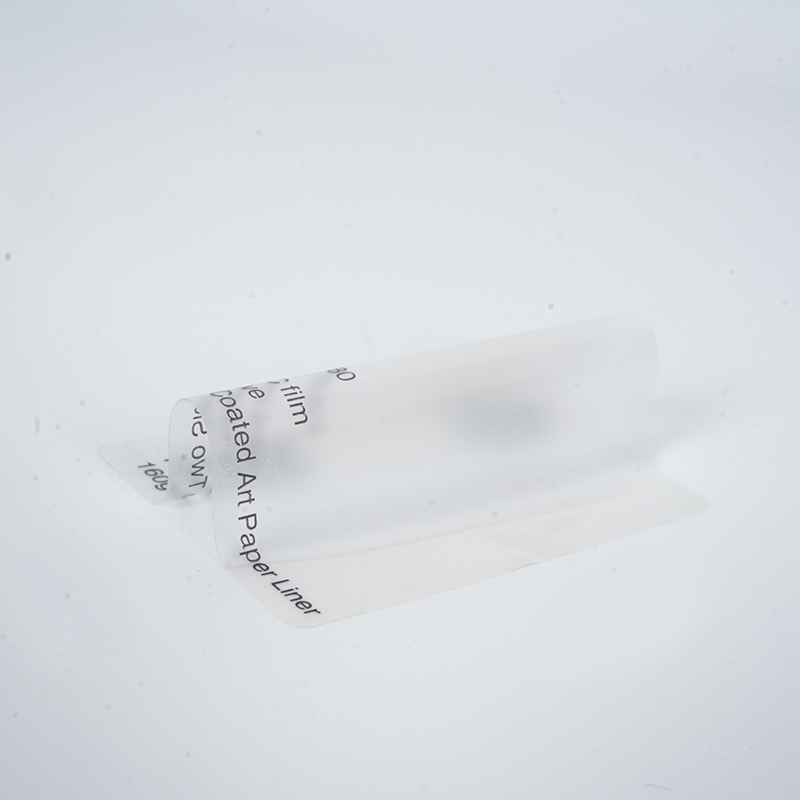
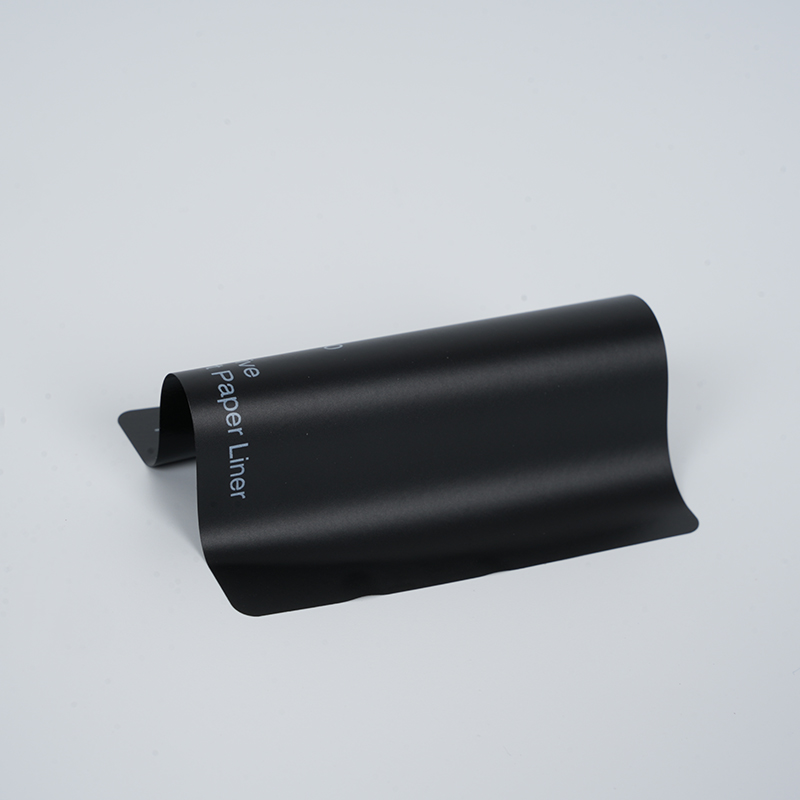
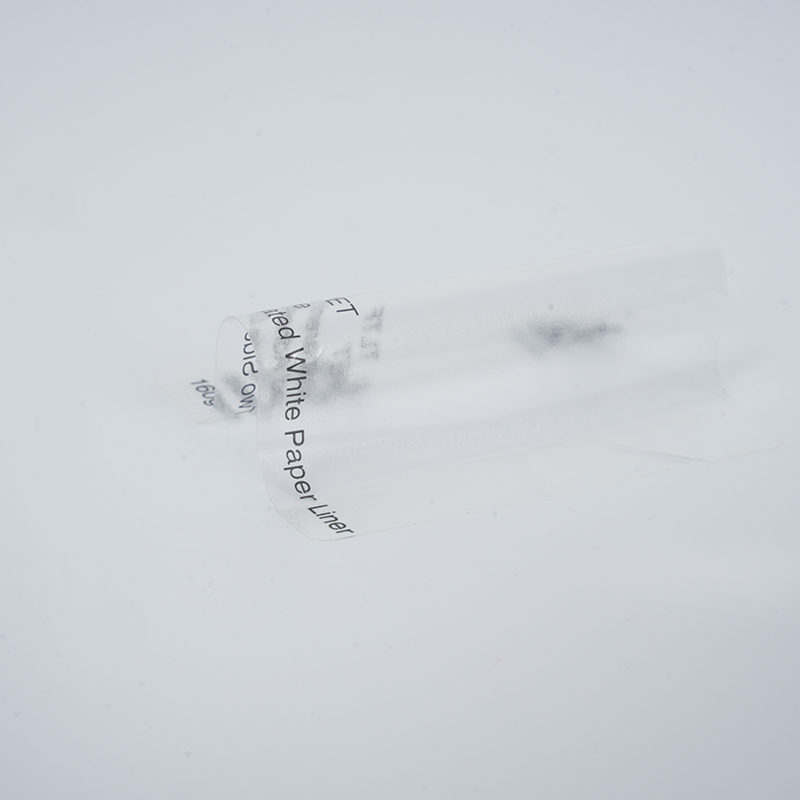
Self-adhesive film materials are specialized films coated with an adhesive layer, which allows them to stick to surfaces without requiring additional glue or fasteners. These films can be used for a variety of purposes, including surface protection, decoration, branding, and sealing. The adhesive layer is designed to bond effectively with different materials while remaining removable or repositionable without leaving residue.

Key Features of Self-Adhesive Films:

  • Peel-and-stick functionality: No need for extra tools or heating for application.
  • Versatility: Can be used on various substrates, such as glass, metal, plastic, and wood.
  • Removability: Can be repositioned or removed cleanly without leaving adhesive residue.
  • Durability: Resistant to moisture, UV rays, and other environmental factors.

Traditional Adhesive Solutions: An Overview

Traditional adhesive solutions include liquid adhesives, glue sticks, tapes, and sprays. These solutions are typically applied using tools like brushes, applicators, or dispensers. Unlike self-adhesive films, traditional adhesives may require curing, heating, or drying time to achieve the final bond.

Key Features of Traditional Adhesives:

  • Curing or drying time: Adhesives like glue often require time to dry or set.
  • Messiness: Applying liquid adhesives or pastes can be messy and challenging to control.
  • Limited repositionability: Once set, traditional adhesives can be difficult to remove or reposition without damaging surfaces.

Self-Adhesive Films vs. Traditional Adhesives: A Detailed Comparison

Ease of Use

  • Self-Adhesive Film Materials: These materials come with a pressure-sensitive adhesive layer that eliminates the need for additional tools or messy application processes. Simply peel off the backing and apply the film to the surface.
  • Traditional Adhesives: Applying traditional adhesives typically requires tools such as brushes, glue dispensers, or heat guns, making the process less user-friendly.

Application Time

  • Self-Adhesive Film Materials: The application of self-adhesive films is immediate. With minimal setup time, they are ready to be applied and adjusted in seconds.
  • Traditional Adhesives: The process of applying traditional adhesives often involves curing, drying, or heating, which can take several minutes to hours, depending on the type.

Repositionability

  • Self-Adhesive Film Materials: One of the major advantages of self-adhesive film materials is their repositionable nature. Users can move the film before it’s fully bonded, which is ideal for precise applications.
  • Traditional Adhesives: Once applied, traditional adhesives are difficult to reposition without causing damage to the surface or the adhesive itself.

Surface Protection

  • Self-Adhesive Film Materials: These films often feature protective coatings that safeguard surfaces from scratches, dirt, and UV damage. They are often used in packaging, automotive industries, and construction for this reason.
  • Traditional Adhesives: Traditional adhesives offer less surface protection and may leave residue when removed, particularly if the adhesive has set or dried.

Environmental Factors

  • Self-Adhesive Film Materials: Self-adhesive films are often designed to withstand environmental stressors like moisture, UV rays, and high temperatures. This makes them suitable for both indoor and outdoor applications.
  • Traditional Adhesives: Depending on the type, traditional adhesives may degrade or lose their adhesive properties when exposed to environmental conditions.

Applications of Self-Adhesive Film Materials

Self-adhesive films are versatile and can be used in various industries. Some common applications include:

  • Packaging: Self-adhesive films are often used for packaging products to ensure secure sealing, tamper-evidence, and aesthetic appeal.
  • Automotive Industry: Used to protect parts during manufacturing and transportation, as well as for branding purposes.
  • Construction: For surface protection and to create easy-to-remove protective films on windows, floors, and walls during construction and renovation projects.
  • Retail & Advertising: Customizable adhesive films are used for branding, creating signs, and decals for storefronts.

Why Choose Self-Adhesive Film Materials?

There are several compelling reasons why manufacturers are increasingly turning to self-adhesive film materials:

  • Cost-Effective: Self-adhesive films can reduce labor costs as they are easy to apply and remove.
  • Increased Productivity: The speed of application translates into quicker turnaround times, making the manufacturing process more efficient.
  • Clean Removal: Self-adhesive films can be removed without damaging the underlying surface or leaving residue, a significant advantage over traditional adhesives.
  • Customization: Self-adhesive films can be customized in terms of color, texture, and size, offering flexibility for branding and surface protection.

Comparison of Self-Adhesive Films vs. Traditional Adhesive Solutions

Feature Self-Adhesive Film Materials Traditional Adhesive Solutions
Application Process Peel-and-stick, no tools needed Requires tools or heating
Time to Apply Instant application Requires curing or drying time
Repositionability Yes, easy to reposition Limited, often permanent
Surface Protection Protects against scratches and UV Limited protection
Environmental Resistance Moisture, UV, high temps Susceptible to environmental factors
Removal Clean, residue-free Can leave residue or damage surface

FAQ

1. What industries benefit from self-adhesive film materials?
Self-adhesive films are widely used in industries such as packaging, automotive, construction, and retail for applications like surface protection, branding, and packaging.

2. Can self-adhesive films be used on all types of surfaces?
Yes, self-adhesive films can adhere to various surfaces, including glass, metal, wood, and plastics. However, surface preparation may be needed for adhesion.

3. Are self-adhesive films eco-friendly?
Many self-adhesive films are designed with eco-friendly materials and adhesives. Always check with manufacturers for sustainable options.

4. How long can self-adhesive films be left on surfaces?
Self-adhesive films can remain on surfaces for extended periods. However, removal time should be based on the type of adhesive and surface material to avoid damage.

5. Are self-adhesive films customizable?
Yes, self-adhesive films can be customized in terms of color, texture, size, and adhesive strength to meet specific needs for applications like signage or surface protection.

Conclusion

When comparing self-adhesive film materials to traditional adhesive solutions, the clear winner in terms of ease of use, versatility, and productivity is self-adhesive films. These materials not only simplify the application process but also provide a cleaner, more efficient solution for manufacturers and end-users alike.