+86-18018686956
 [email protected]
 Language
 русский
 Español
 عربى
عربى Tiếng Việt

Inquiry
+86-18018686956
[email protected]
Language
In modern packaging and identification systems, labeling plays a critical role in product presentation, traceability, and regulatory compliance. Among various labeling substrates, PVC lable self-adhesive materials have emerged as a reliable and versatile solution due to their durability, adaptability, and cost-effectiveness.
Polyvinyl Chloride, commonly known as PVC, is a widely used thermoplastic polymer valued for its balance between performance and affordability. Available in both rigid and flexible forms, PVC can be engineered to meet diverse labeling requirements, from industrial asset tags to decorative branding labels.
Selecting the right PVC self-adhesive material, however, requires a clear understanding of application conditions, material properties, and performance expectations.
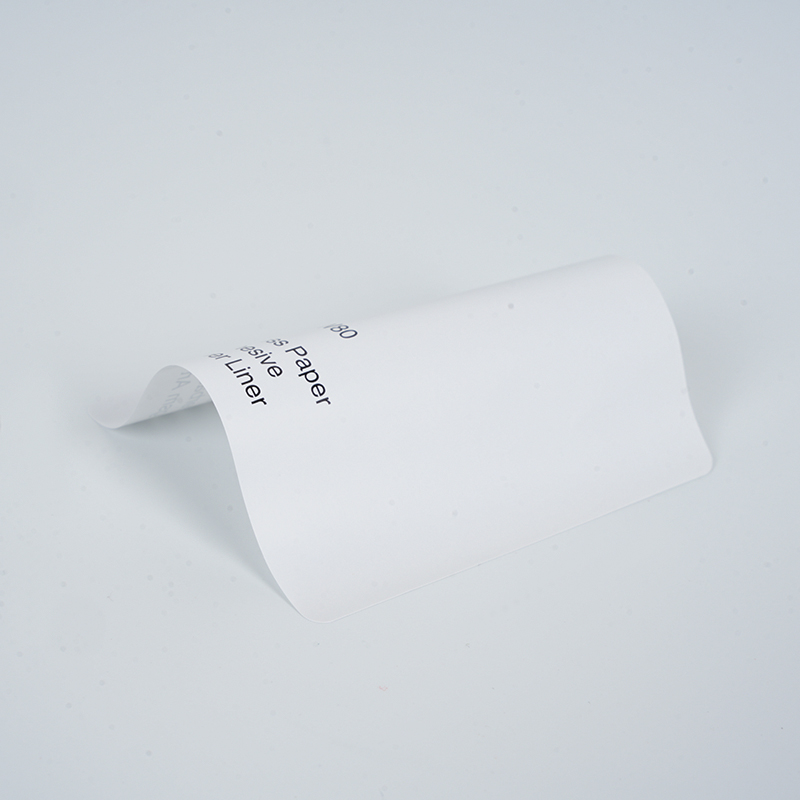
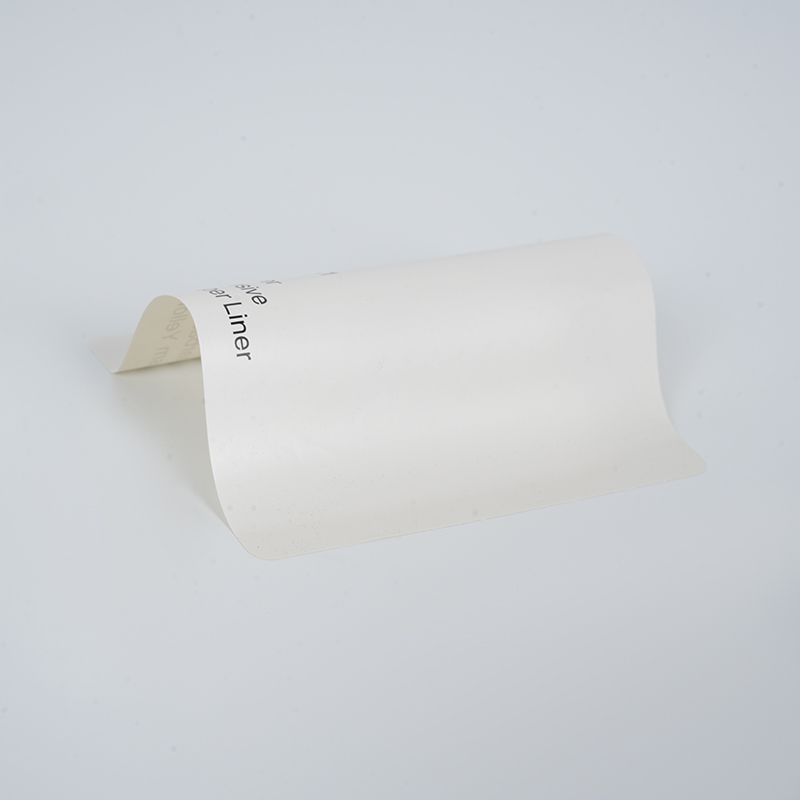
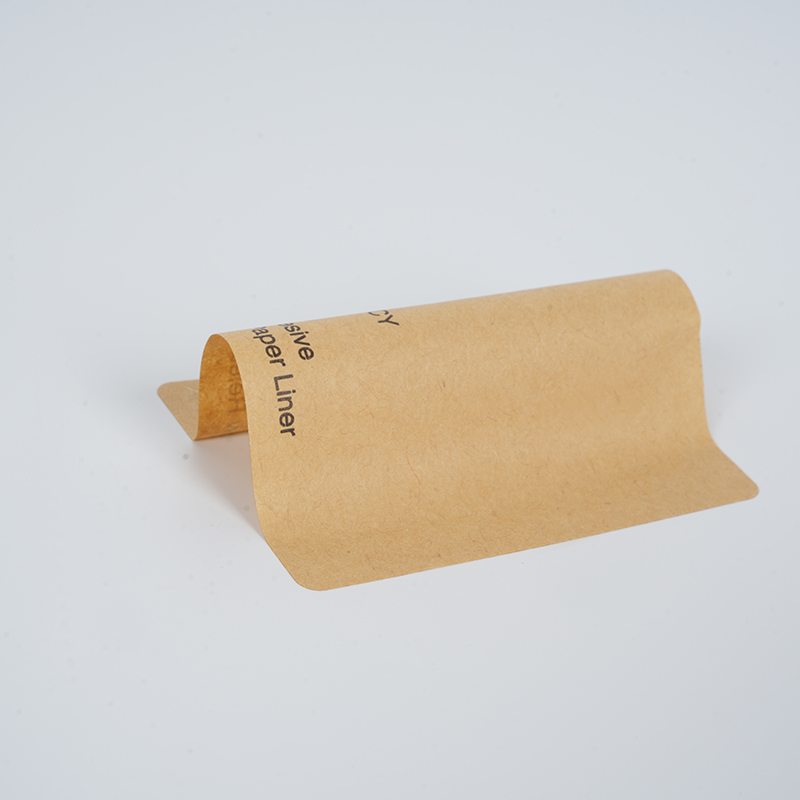
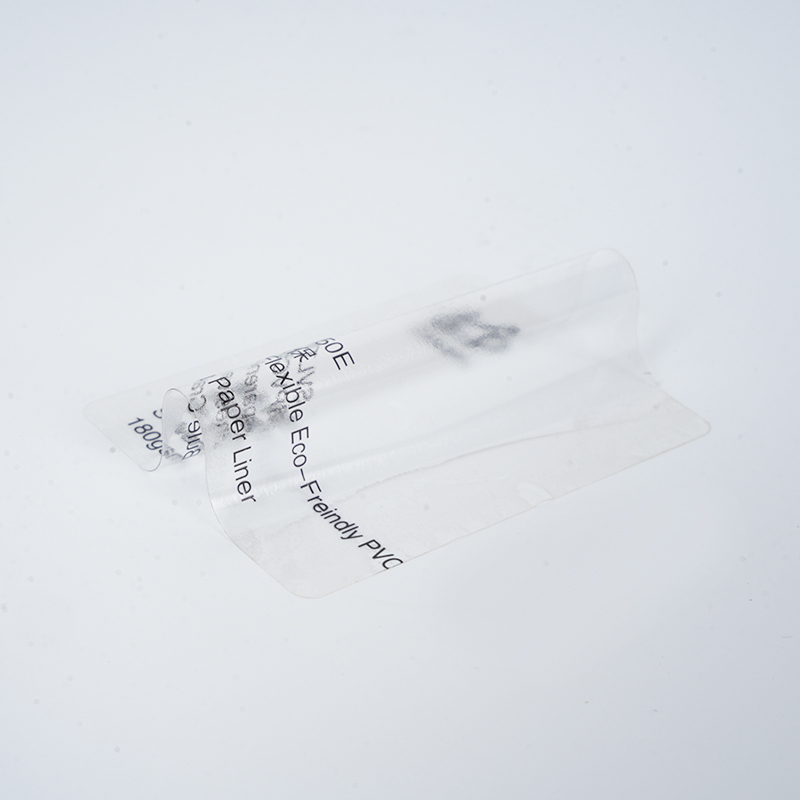
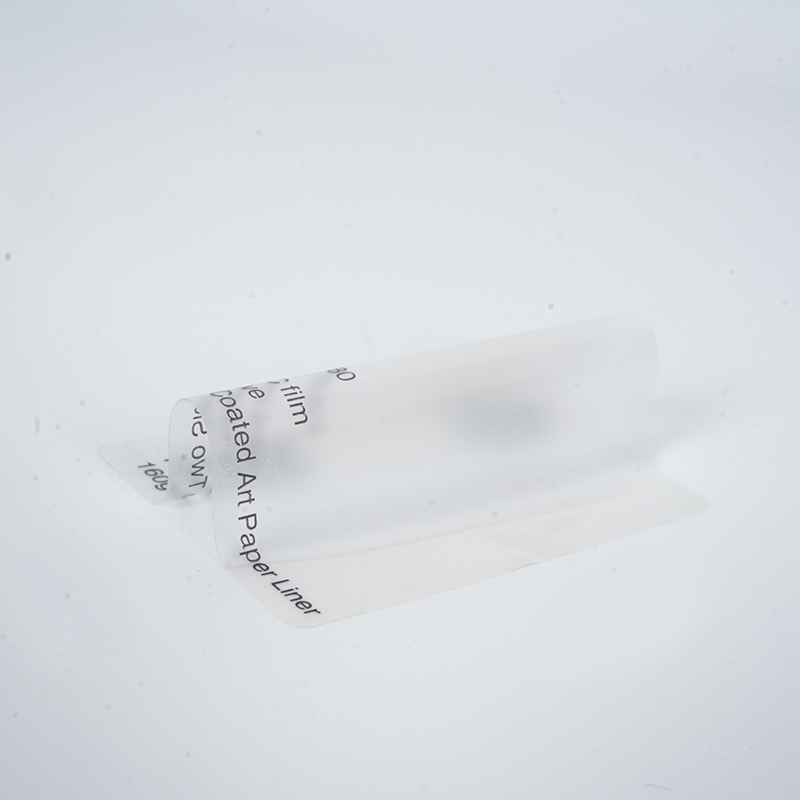
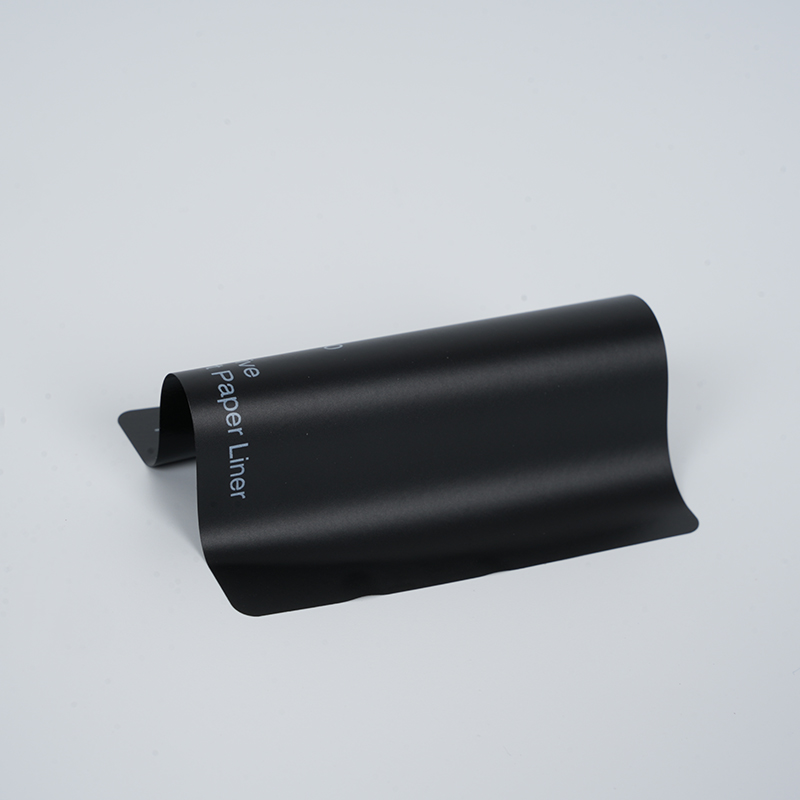
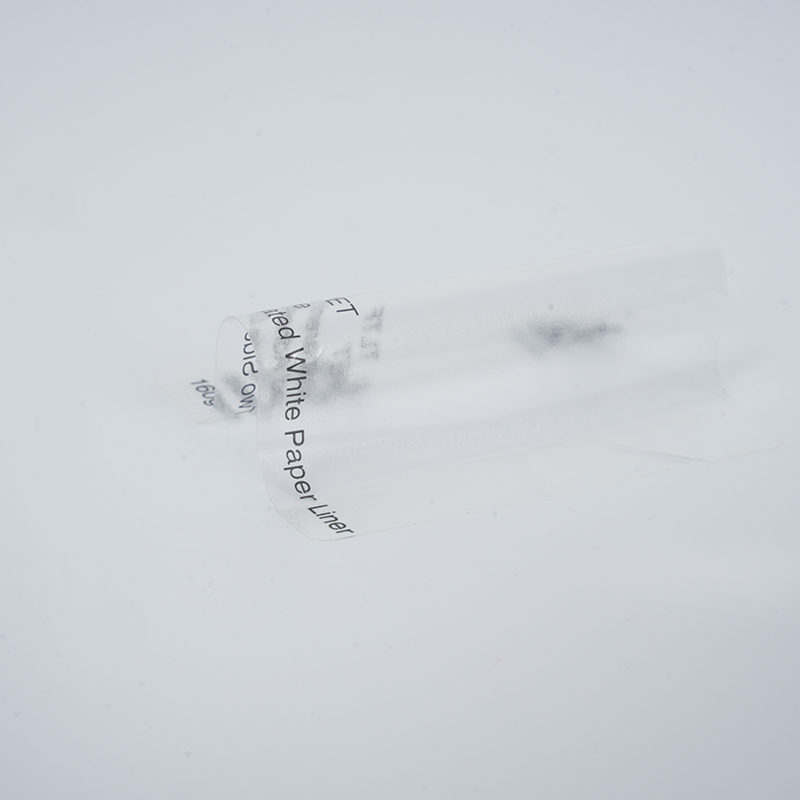
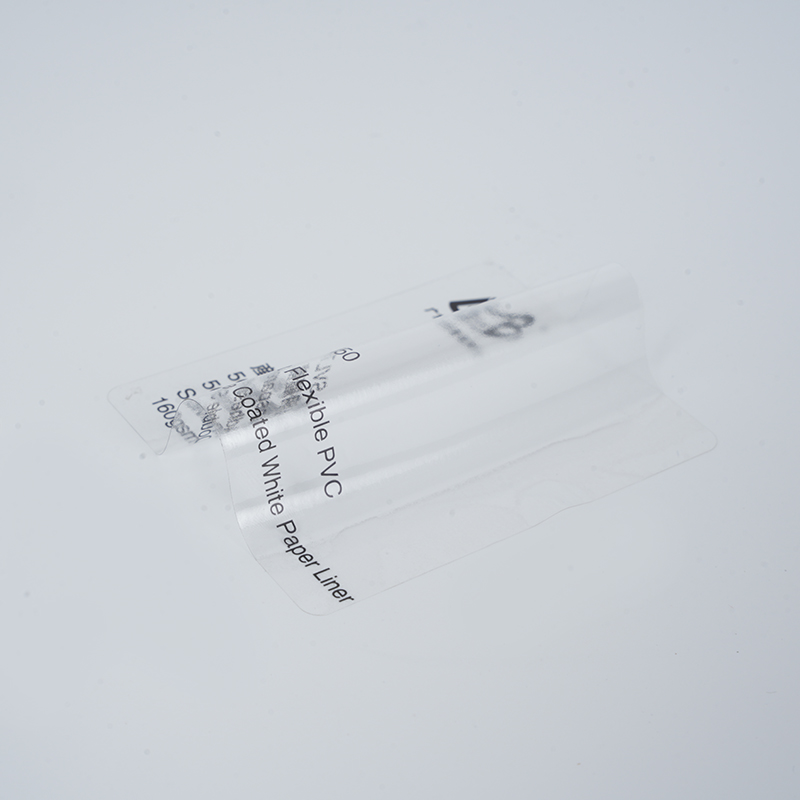
PVC lable self-adhesive materials typically consist of three main layers:
Face Film (PVC Layer) – The printable surface
Adhesive Layer – Pressure-sensitive glue
Release Liner – Protective backing removed before application
The unique properties of PVC make it particularly suitable for labeling applications:
These advantages explain why many industries rely on a professional PVC materials manufacturer to produce customized labeling solutions.
PVC materials can be categorized based on their physical characteristics and intended applications.
| Type | Key Characteristics | Typical Applications |
|---|---|---|
| Rigid PVC | Strong, durable, less flexible | Industrial labels, signage |
| Flexible PVC | Soft, bendable, high conformability | Curved surfaces, bottles |
Rigid PVC provides structural stability, while flexible PVC adapts better to uneven or curved surfaces.
| Finish Type | Features | Application Scenarios |
|---|---|---|
| Glossy | High brightness, vibrant colors | Branding, decorative labels |
| Matte | Low glare, elegant appearance | Premium packaging |
| Transparent | Clear or translucent | “No-label look” packaging |
| Textured | Enhanced tactile feel | Specialty labels |
The choice of surface finish significantly affects visual impact and user perception.
| Adhesive Type | Characteristics | Best Use Cases |
|---|---|---|
| Permanent Adhesive | Strong bonding, long-term durability | Industrial and outdoor labels |
| Removable Adhesive | Easy removal without residue | Temporary labels |
| High-Tack Adhesive | Extra grip for rough surfaces | Textured or low-energy surfaces |
Selecting the right adhesive ensures proper performance under specific environmental conditions.
Environmental conditions directly influence material performance. Consider:
Flexible PVC with UV-stabilized coatings is often preferred for outdoor use.
The substrate where the label will be applied determines adhesive selection.
| Surface Type | Recommended Material Characteristics |
|---|---|
| Smooth surfaces | Standard adhesive PVC film |
| Rough surfaces | High-tack adhesive PVC |
| Curved surfaces | Flexible PVC with strong conformability |
Ensuring compatibility prevents peeling, bubbling, or premature failure.
Different printing methods require specific surface treatments.
A reliable PVC materials manufacturer often provides materials optimized for multiple printing technologies.
The expected service life of the label is a critical factor.
| Durability Level | Typical Lifespan | Application Examples |
|---|---|---|
| Short-term | Months | Promotional labels |
| Medium-term | 1–3 years | Product identification |
| Long-term | 3+ years | Outdoor signage, equipment tags |
Choosing the appropriate durability level avoids over-specification or premature degradation.
Depending on the application, labels may need to meet specific standards:
Ensuring compliance is essential for market acceptance and operational safety.
PVC lable self-adhesive materials offer several advantages over alternative substrates:
These benefits make PVC a preferred choice for both functional and decorative labeling.
To simplify decision-making, consider the following step-by-step approach:
Define application conditions (indoor/outdoor, temperature, exposure)
Identify surface type (flat, curved, rough)
Determine durability requirements
Select appropriate adhesive type
Match material with printing method
Verify regulatory compliance
This structured process ensures that the chosen material meets both technical and operational requirements.
Choosing the right PVC lable self-adhesive materials involves more than selecting a basic film. It requires a comprehensive evaluation of environmental conditions, surface compatibility, adhesive performance, and printing requirements.
With the support of an experienced PVC materials manufacturer, businesses can access tailored solutions that enhance labeling efficiency, durability, and visual appeal.
1. What makes PVC suitable for self-adhesive labels?
PVC offers a unique combination of flexibility, durability, and printability, making it suitable for both indoor and outdoor labeling applications.
2. How do I choose between permanent and removable adhesives?
Permanent adhesives are ideal for long-term applications, while removable adhesives are better for temporary labels that need clean removal.
3. Can PVC labels withstand outdoor conditions?
Yes, with proper UV stabilization and adhesive selection, PVC labels can perform well in outdoor environments.
4. Are PVC label materials compatible with all printing methods?
Most PVC materials are compatible with common printing technologies, but surface coatings may vary depending on the method used.
5. What factors affect the lifespan of PVC labels?
Environmental exposure, adhesive quality, surface preparation, and material thickness all influence the durability of PVC labels.
+86-18018686956
+86-021-69171221
No.1218, Huiping Road, Nanxiang Town, Jiading District, Shanghai, China
Copyright © Shanghai Baozhongbao Adhesive Products Co., Ltd. All Rights Reserved. Wholesale Self Adhesive Label Sticker Factory