+86-18018686956
 [email protected]
 Language
 русский
 Español
 عربى
عربى Tiếng Việt

Inquiry
+86-18018686956
[email protected]
Language
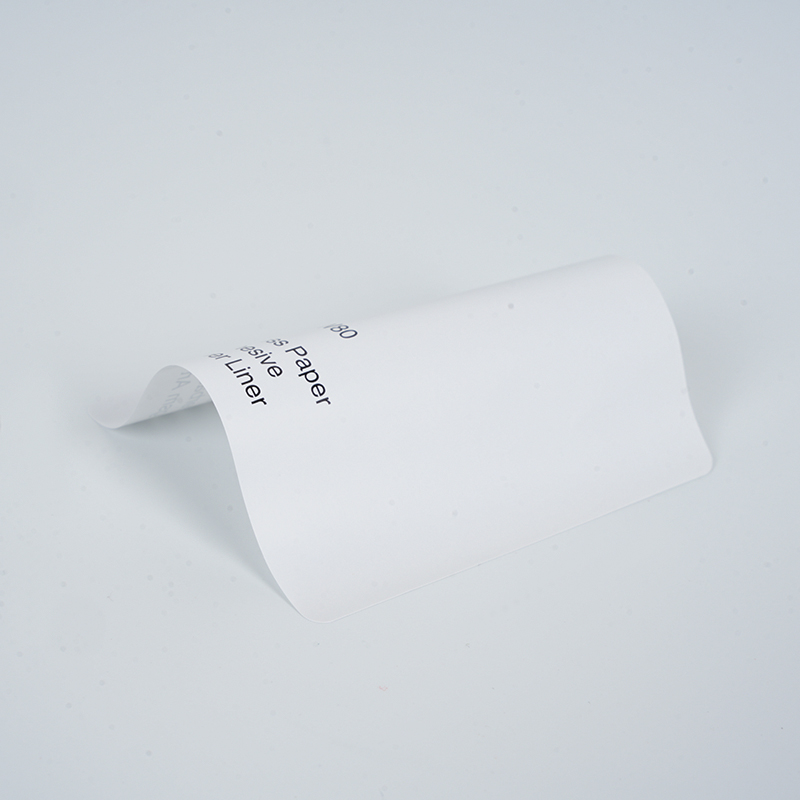
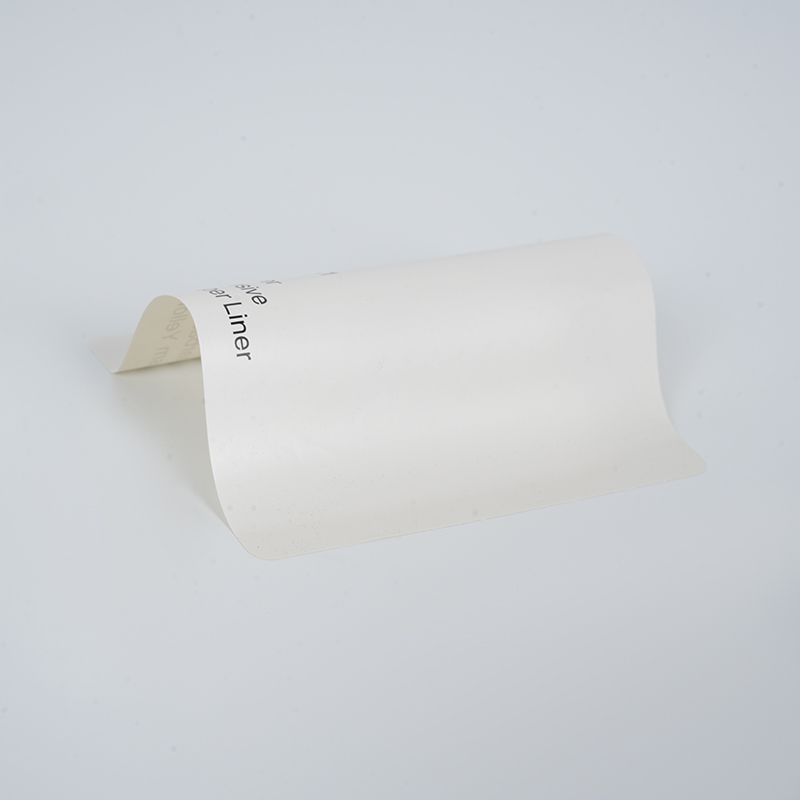
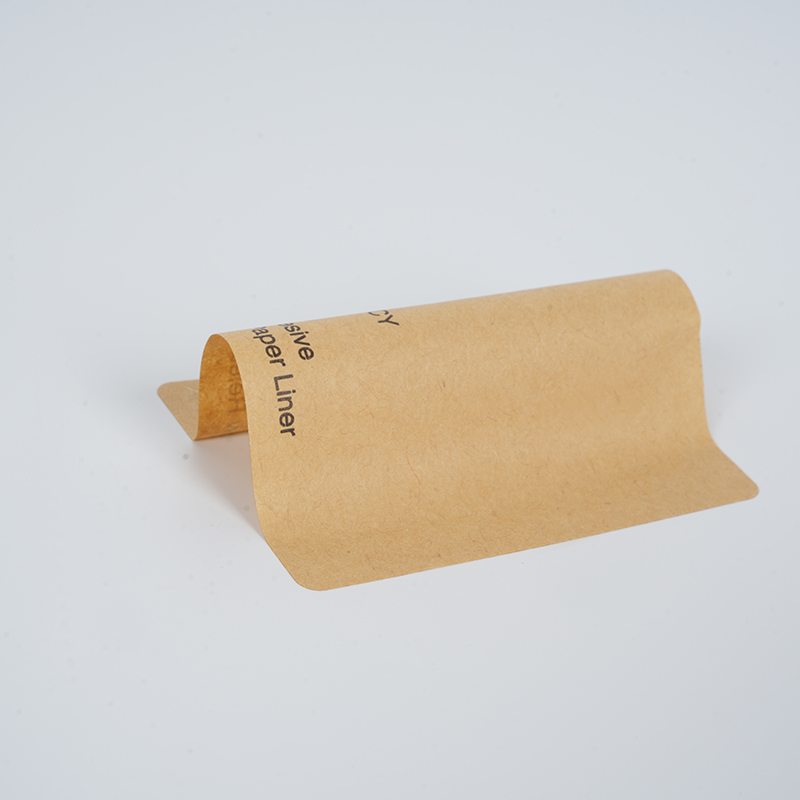
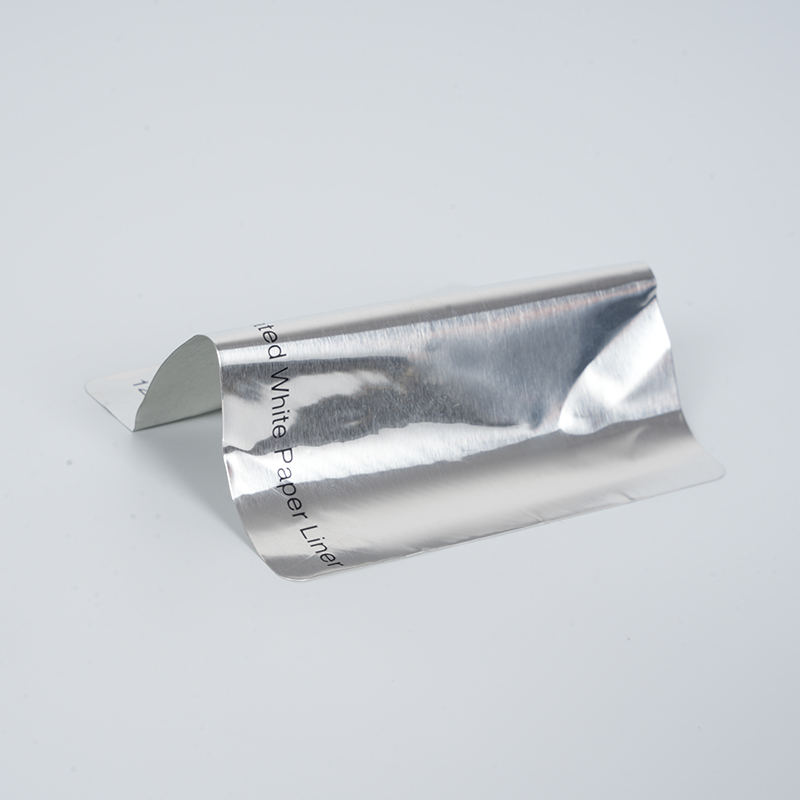
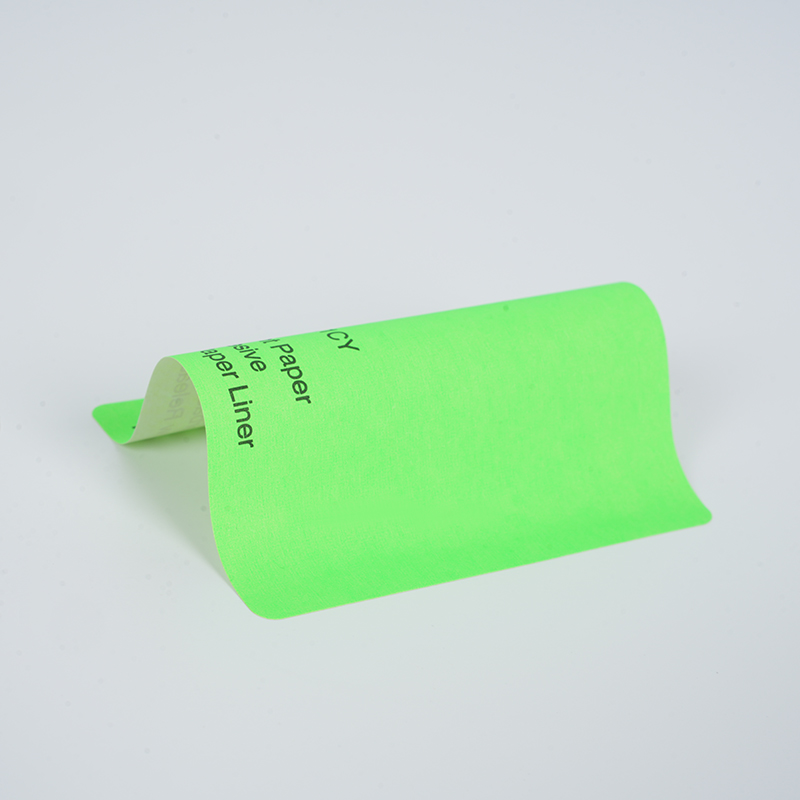
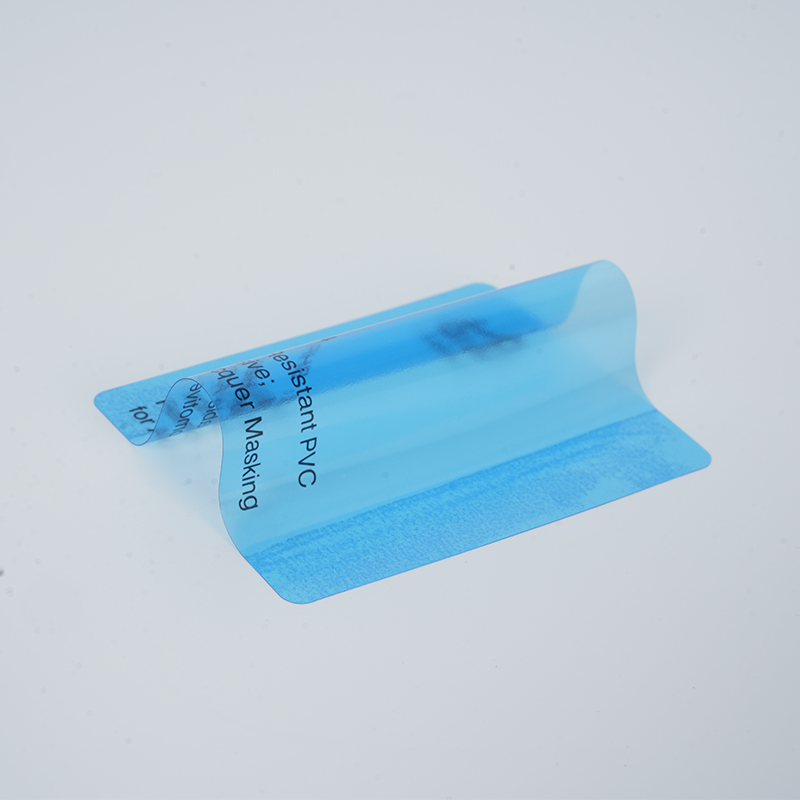
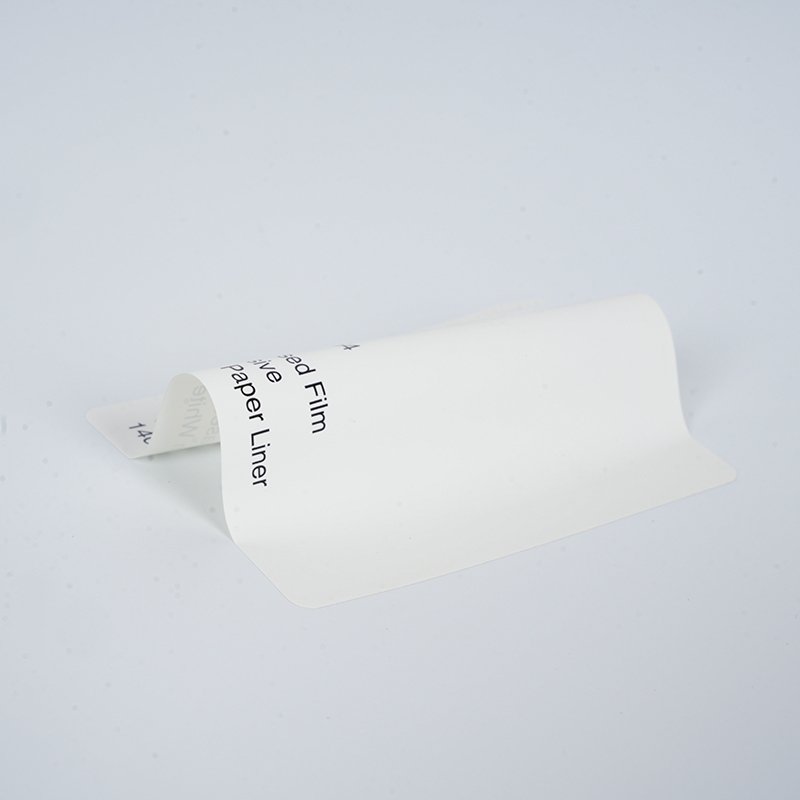
Self-adhesive film materials are engineered multilayer systems (topcoat, face film, adhesive, and release liner) that bond to surfaces without heat or solvents. Their decisive advantage lies in instant bond strength ranging from 8 to 25 N/25mm (depending on adhesive type) while enabling clean removal up to 12 months after application. For manufacturers, the global market for these films exceeds $42 billion annually, driven by demand in automotive, architecture, and electronics—sectors where precision and durability are non‑negotiable.
Every self-adhesive film consists of four interdependent layers. Understanding this stack is critical for selecting the right material for your application:
Critical metric: The adhesive’s shear strength (holding power) must exceed 40 hours at 70°C for automotive exterior grades, while interior films require only 8‑12 hours at room temperature.
Choosing the wrong film leads to premature failure. Use this decision matrix based on real‑world performance data:
| Application Environment | Recommended Face Film | Adhesive Type | Typical Durability |
|---|---|---|---|
| Outdoor vertical (buildings) | PVC or PVDF‑coated | Permanent acrylic | 8‑12 years |
| Automotive exterior (curved) | Cast PVC or TPU | Removable acrylic (low initial tack) | 5‑7 years |
| Interior decoration | Monomeric PVC or PET | Removable rubber | 3‑5 years |
| Electronic device protection | PET (hard‑coated) | Ultra‑removable silicone | 1‑2 years (re‑workable) |
Key insight: For high‑curvature surfaces, cast films (thickness 50‑80 µm) conform 300% better than calendered equivalents, reducing edge‑lift failures by 72% in accelerated weathering tests.
When evaluating self‑adhesive materials, focus on these measurable characteristics rather than generic claims:
Manufacturing consistency: Reputable suppliers control adhesive coat weight to ±2 g/m², ensuring reproducible peel values within ±5% across production batches.
Understanding how films are made helps you anticipate quality variations. Two dominant methods exist:
Adhesive coating technologies: Solvent‑based systems offer superior wet‑out but release VOCs. Hot‑melt and UV‑cured systems are gaining share – they reduce drying energy by 40% and eliminate solvent emissions.
For manufacturers, inline surface treatment (corona or plasma) raises face film surface energy from 38 to >52 dynes/cm, doubling initial tack values without altering the adhesive formulation.
Achieving maximum performance depends more on surface preparation and technique than on the film itself. Follow these evidence‑based steps:
Quality verification: Perform a cross‑hatch adhesion test (ASTM D3359) after 72 hours. Ratings of 4B or 5B indicate optimal bonding for most industrial uses.
Self‑adhesive films are rarely generic – they are tailored for distinct sectors. Here is how manufacturers adapt materials:
Key statistic: In the electronics sector, ultra‑removable adhesives (peel force < 1 N/25mm) have reduced display damage claims by 43% for mobile device manufacturers.
Sustainability is shifting from a nice‑to‑have to a core requirement. Today’s self‑adhesive films address this through:
Performance vs. sustainability: Bio‑based face films (derived from corn or sugarcane) now achieve 90% of the tensile strength of petroleum‑based films, with a 25% lower carbon footprint.
For manufacturers, designing for disassembly means using adhesives that debond upon heating (80‑100°C) – this technique enables panel separation in electronics recycling, boosting material recovery rates to 92%.
Four developments are reshaping the self‑adhesive film landscape, backed by pilot data:
Cost‑performance balance: While advanced films cost 30‑50% more upfront, their extended service life (2‑3× longer) and reduced maintenance make total cost of ownership competitive within 3‑5 years.
+86-18018686956
+86-021-69171221
No.1218, Huiping Road, Nanxiang Town, Jiading District, Shanghai, China
Copyright © Shanghai Baozhongbao Adhesive Products Co., Ltd. All Rights Reserved. Wholesale Self Adhesive Label Sticker Factory