+86-18018686956
 [email protected]
 Language
 русский
 Español
 عربى
 Tiếng Việt


Inquiry
+86-18018686956
[email protected]
Language
In warehouses, print shops, laboratories and retail back rooms, a small strip of colored paper often does more practical work than any software dashboard. A label that catches the eye at a glance can warn a worker, flag a production batch or direct a delivery to the correct shelf. That is the reason buyers keep searching for self-adhesive fluorescent paper, a material that combines bright color with the convenience of a peel-and-stick format.
This guide approaches the topic from the point of view of a buyer who needs to specify, source and approve the material. Instead of relying on promotional language, it focuses on the decisions that determine whether a label performs well in daily use. These include the choice of adhesive for each surface, the weight of the face stock, the type of release liner, the roll or sheet format, printability and the steps that move a project from a first inquiry to a dependable bulk order.
Most label failures are not caused by the color itself. They come from a mismatch between the application surface, the adhesive, the printing method and the storage environment.
Throughout the article, the discussion stays with observable requirements such as application surfaces, handling conditions and document workflows. These are the factors a sourcing team can verify before committing to volume, and they are also the details that suppliers need in order to recommend a suitable construction.
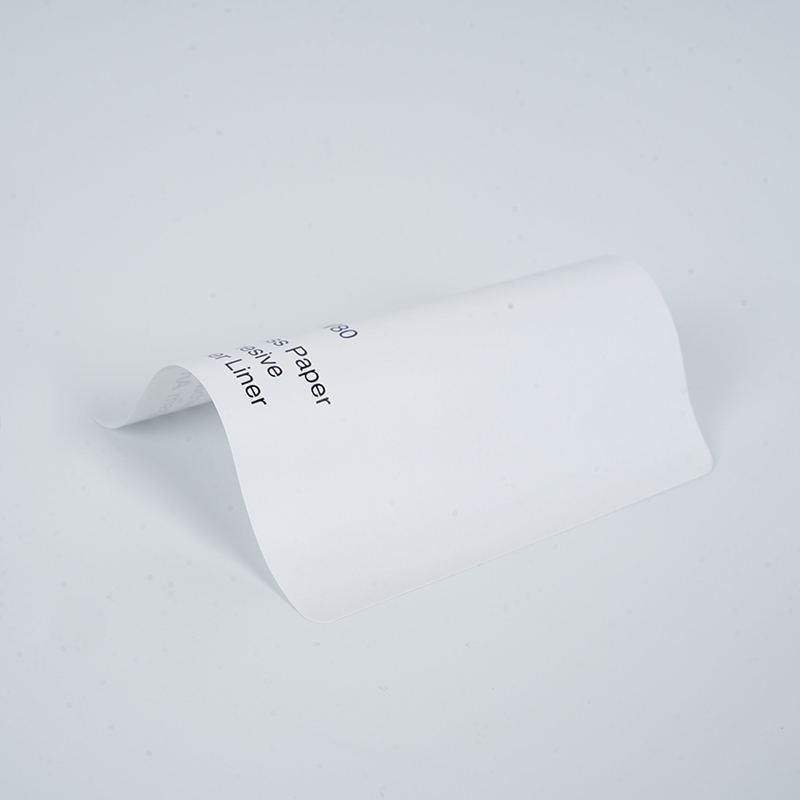
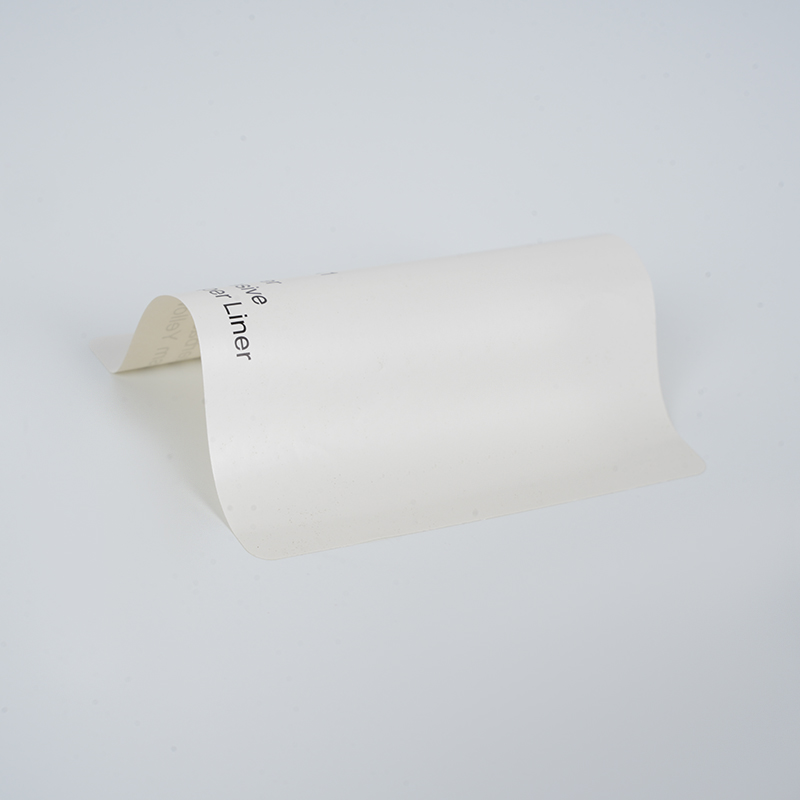
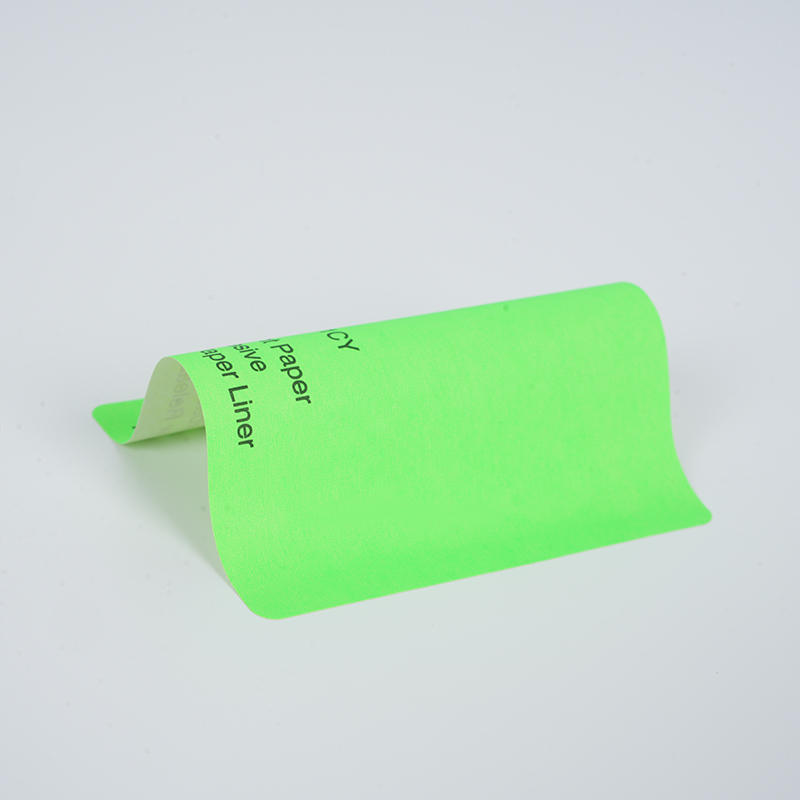
Self-adhesive fluorescent paper is a layered label material. The top face stock carries a fluorescent pigment that appears more vivid than ordinary colored paper under daylight and many indoor light sources. Beneath it sits a pressure-sensitive adhesive, and beneath that a release liner protects the adhesive until the label is applied to its target.
Carries the fluorescent color and determines print quality and tear resistance.
Controls bond strength, temperature tolerance and removal behavior.
Protects the adhesive and affects peeling and feeding performance.
Each layer influences performance in a different way. The face stock determines color intensity, surface feel, print compatibility and tear resistance. The adhesive determines how the label bonds to the target, how it behaves in heat or humidity, and whether it can be lifted without leaving residue. The liner determines how easily the label peels from the backing and how reliably the roll or sheet feeds through a printer or cutter.
For fluorescent products, the face stock is the first point of comparison. Lighter stock suits short-term notes and temporary tags, while heavier stock is more suitable for labels that will be handled frequently, folded or exposed to rough environments. Buyers should ask for printed samples on the exact stock they plan to use, because a color that looks strong on a screen may appear softer on a finished label.
The adhesive is the layer most often underestimated during specification. A label that holds perfectly on a smooth coated board may curl or lift on a dusty or textured carton. Adhesive choice should be driven by the surface, the expected temperature range and the lifespan of the label.
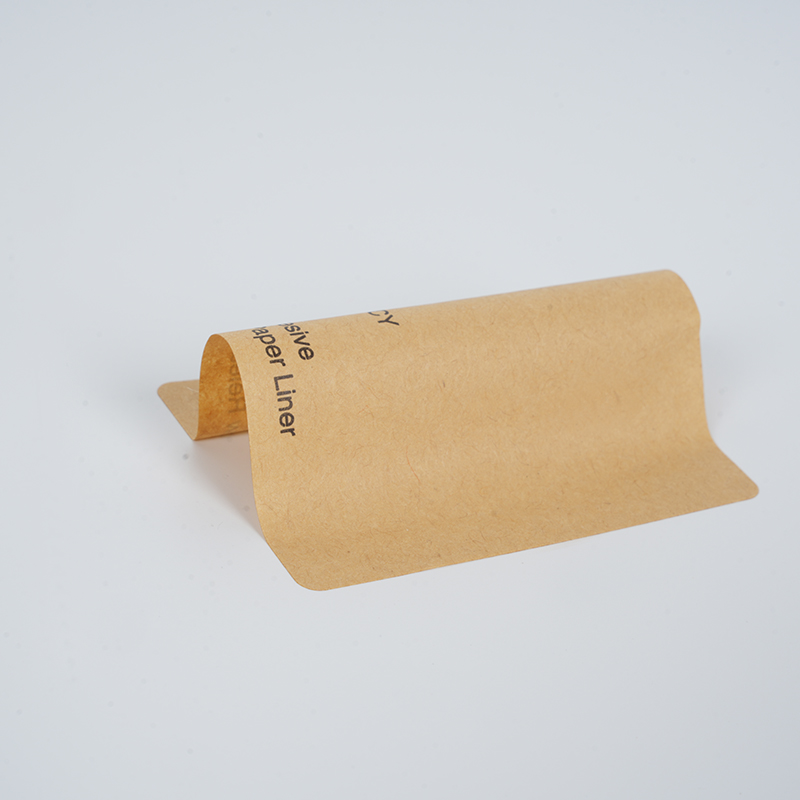
Liner color is more than a visual detail. Many production teams use liner color to identify material types quickly on the floor, so a yellow or checkered liner can help prevent mix-ups when several label products are kept in the same area.
The adhesive decides whether a label stays in place, comes off cleanly or lasts through its intended service life. The table below summarizes the four adhesive families that buyers most often compare. Real performance depends on the specific formulation and application conditions, so the figures should be read as general guidance rather than guaranteed results.
| Adhesive Type | Typical Surface | Common Use Case | Removal Behavior |
|---|---|---|---|
| Water-based | Paper, cardboard, coated film | Indoor labels and document marking | Clean lift on smooth surfaces |
| Hot melt | Corrugated board and rough surfaces | Shipping and logistics labels | Strong bond, may leave residue |
| Solvent-based | Plastic, metal and glossy film | Outdoor or harsh-environment marking | Durable with higher bond strength |
| Removable | Glass, painted walls and temporary fixtures | Temporary signage and inventory tags | Designed to lift without damaging surface |
Among these options, removable constructions attract the most questions from buyers who work with rental equipment, shared facilities or temporary displays. A removable fluorescent adhesive paper reduces the risk of damage when labels must be moved, but it is not suitable for surfaces that are wet, oily or heavily textured, because the bond may be too weak for those conditions.
Before choosing an adhesive, it helps to answer a short set of questions with the supplier:
When two quotations look similar on the surface, the difference often lies in the specification details. A clear specification sheet protects both buyer and supplier by making the required performance explicit before production begins. The following table lists the parameters that matter most in practice.
| Parameter | Common Options | Buyer Consideration |
|---|---|---|
| Face material weight | 70 gsm and 80 gsm | Heavier stock resists tearing and suits frequent handling |
| Adhesive type | Water-based, hot melt, solvent, removable | Match the adhesive to surface and temperature range |
| Release liner | Yellow, checkered or white | Liner color can support floor-level identification |
| Roll format | Jumbo rolls for converting | Efficient for printing and die cutting in volume |
| Sheet format | A4, A3 and custom cut sizes | Practical for office printing and small runs |
| Sampling | Pre-production samples | Test print and adhesion before bulk commitment |
Grammage is often the first number buyers ask about, but it should not be read in isolation. A 70 gsm face material may be ideal for a low-cost internal label, while an 80 gsm construction may be preferred where the label must hold its shape through repeated handling or where a thicker feel signals a more durable product. The relationship between weight, adhesive and liner should always be reviewed together.
The strongest advantage of a fluorescent label is that it is noticed quickly. This makes the material useful wherever attention must be captured without relying on signage that is large, expensive or slow to change. The most common applications share one trait: the information must be read at a distance or among many other items.
Bright color draws attention in cluttered environments and during quick scanning.
Printed codes and color zones help teams sort and track items.
Sheets and rolls can be adapted to office printers or converting lines.
The material also suits short production runs where a team needs a clear marker quickly. Because the label can be printed on demand, it reduces the need to keep large stocks of pre-printed warning tags, which can become outdated when procedures change.
Fluorescent pigments can respond differently to toner, inkjet and digital press systems. For this reason, a printing test should be treated as a standard step rather than an optional check. Print density, edge sharpness and drying behavior can vary with the printer model and the settings used, so the final result should be confirmed on the exact face stock.
Handling also affects the final result. Rolls should be kept in their original packaging until use, and sheets should be stored flat to prevent curling. If the label will be written on by hand, testing the pen type matters, since some marker inks spread more on fluorescent surfaces than on plain paper. Where extra durability is required, a protective overprint varnish can be considered, although it may slightly reduce color brightness.
A short test print saves more time than any amount of specification reading, because it shows how the material behaves in the real workflow.
A well-run sourcing process reduces surprises in cost, timing and quality. The most reliable route usually begins with a clear brief, moves through sampling and approval, and ends with a bulk run that matches the approved sample. Skipping any of these stages tends to increase the risk of rework or disputes later.
The brief is the foundation of the entire process. It should state the grammage, adhesive family, liner color, size, print method, expected application surface, quantity and delivery location. Vague requests often lead to multiple revision rounds, while a complete brief allows the supplier to propose a specific construction and a realistic timeline.
Lead times depend on the specification, the amount of custom work and the production calendar. The chart below shows illustrative working-day ranges for each stage, which can help teams plan internal approvals around the supplier schedule.
The chart is intended only as a planning aid. Simple standard constructions may move faster, while custom colors, special liners or unusual sizes may require more time. Buyers who communicate these needs early generally receive more accurate schedules.
Most sourcing problems with label materials are predictable. They usually result from decisions made too quickly or from assumptions that were never confirmed on paper. Recognizing these patterns makes it easier to build a stronger specification.
A useful habit is to write one page that lists every requirement before requesting quotations. This page should include the application surface, the expected environment, the printing method and the acceptance criteria. Suppliers can then respond to the same brief, which makes comparisons far more meaningful.
It is commonly used for warning labels, inventory tags, color-coded classification, promotional stickers and verification marks. Its bright color helps information stand out quickly in busy or visually crowded environments.
Yes, it can be printed on many common office and production systems. However, print results can vary by printer type and settings, so a test print on the exact face stock is strongly recommended before full production.
Water-based adhesives are generally suited to smooth, clean surfaces and indoor use, while hot melt adhesives are often selected for rough or corrugated surfaces such as shipping cartons. The right choice depends on the surface, temperature range and whether the label will need to be removed later.
Sampling is a sensible step for most custom or first-time specifications. Samples allow buyers to check color, adhesion, print behavior and die-cut accuracy before approving a larger production run.
Pricing depends on specification, order quantity and customization requirements. For an accurate figure, buyers should share the grammage, adhesive type, liner, size and quantity, and then request a formal quotation from the supplier.
Jumbo rolls for converting and sheet formats such as A4 and A3 are widely used. Custom cut sizes can often be arranged, though they may require additional setup time and should be confirmed with the supplier during the inquiry stage.
A clear specification, a practical test and a realistic timeline are the three elements that most often separate a successful label project from a frustrating one. Buyers who document their requirements early, compare quotations on equal terms and verify samples before scaling up tend to achieve more predictable results. For further technical details about construction and available formats, reviewing the dedicated high visibility fluorescent label stock information may help clarify which configuration fits the intended application.
+86-18018686956
+86-021-69171221
No.1218, Huiping Road, Nanxiang Town, Jiading District, Shanghai, China
Copyright © Shanghai Baozhongbao Adhesive Products Co., Ltd. All Rights Reserved. Wholesale Self Adhesive Label Sticker Factory