+86-18018686956
 [email protected]
 Language
 русский
 Español
 عربى
 Tiếng Việt


Inquiry
+86-18018686956
[email protected]
Language
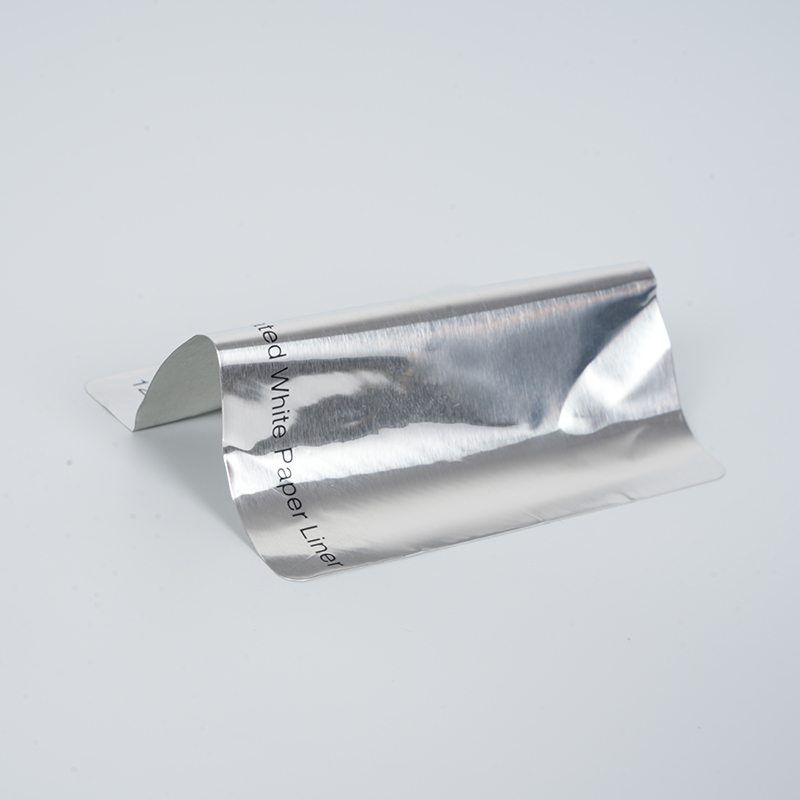
Self-adhesive aluminum foil paper is a composite labeling and packaging material designed with an aluminum foil surface, a pressure-sensitive adhesive layer and a release liner. Unlike conventional aluminum foil that requires an additional bonding process, this material has an adhesive layer that allows it to be applied directly to compatible surfaces after the backing paper is removed.
The aluminum facing provides the material with its characteristic metallic appearance and light-blocking properties. The adhesive layer establishes the bond between the facing material and the target substrate, while the release liner protects the adhesive during storage, transportation, printing and converting.
As an adhesive-backed aluminum foil label stock, it is used in applications where visual presentation, material protection and convenient labeling are important. Its actual performance depends on the quality of each layer and how the material is matched to the intended application.
A typical self-adhesive aluminum foil paper construction contains three functional layers. Each layer serves a different purpose, and their compatibility determines the overall converting and application performance.
The aluminum foil facing is the exposed functional surface of the material. It determines the metallic appearance, surface feel, opacity and suitability for subsequent printing or converting processes. Different facing weights can be selected according to the required material structure and application conditions.
Common available facing weights include 80gsm, 100gsm and 120gsm. A lighter facing may be appropriate for applications where material flexibility and overall construction are important. Higher facing weights can be considered when the application requires a different degree of material body or handling characteristics.
However, facing weight alone does not determine the final performance of the product. Buyers should also evaluate the surface finish, foil integrity, adhesive coating uniformity and compatibility with their printing equipment.
The adhesive layer connects the aluminum foil facing to the application surface. It influences initial tack, final adhesion, resistance to environmental conditions and the ability to remain bonded during storage and use.
Different adhesive formulations are designed for different operating conditions. Hot melt adhesives, water-based adhesives, solvent-based adhesives and removable adhesives offer different bonding characteristics. The correct selection depends on substrate material, application temperature, expected service conditions and whether permanent or temporary bonding is required.
The release liner protects the adhesive before application and allows the finished material to be handled during processing. It also influences feeding stability, die-cutting performance, sheet handling and label dispensing.
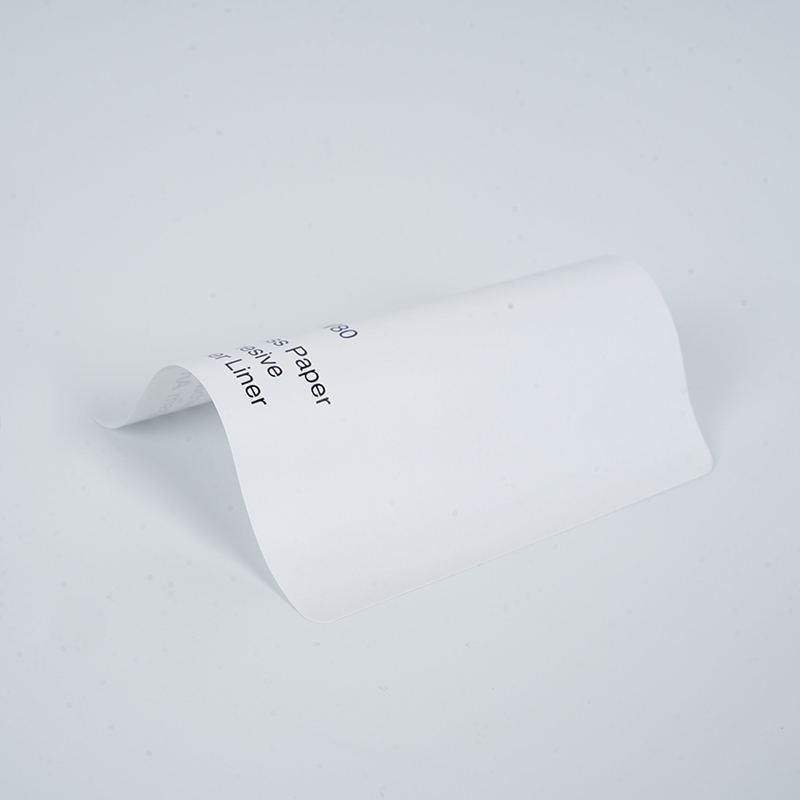
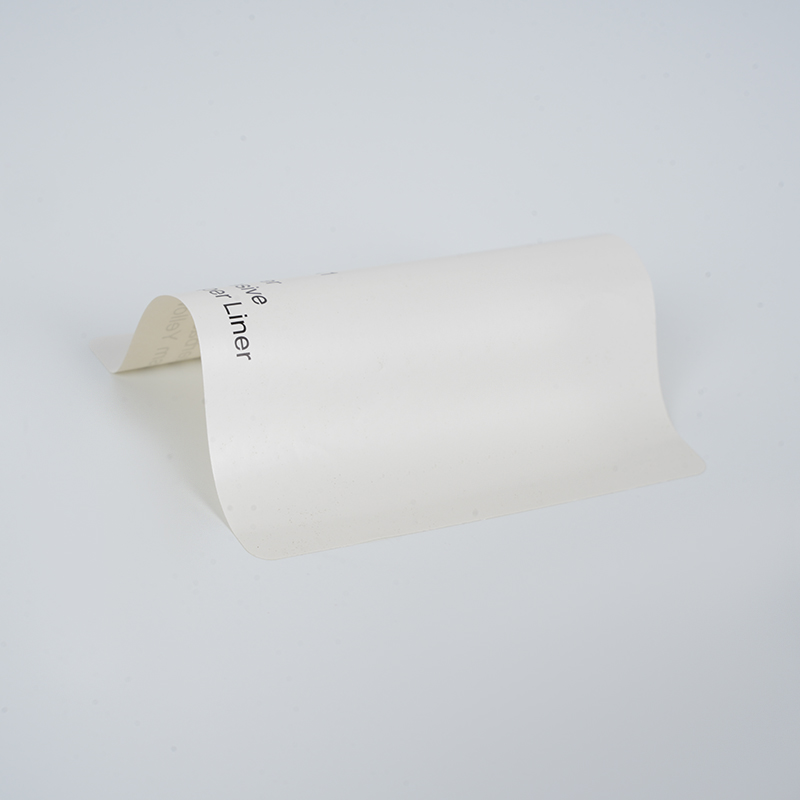
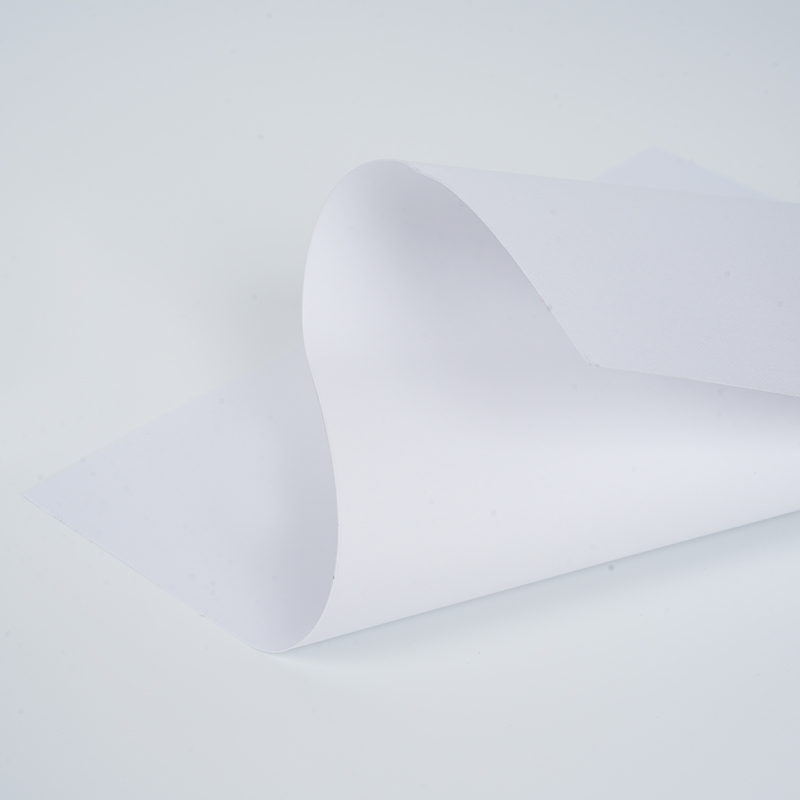
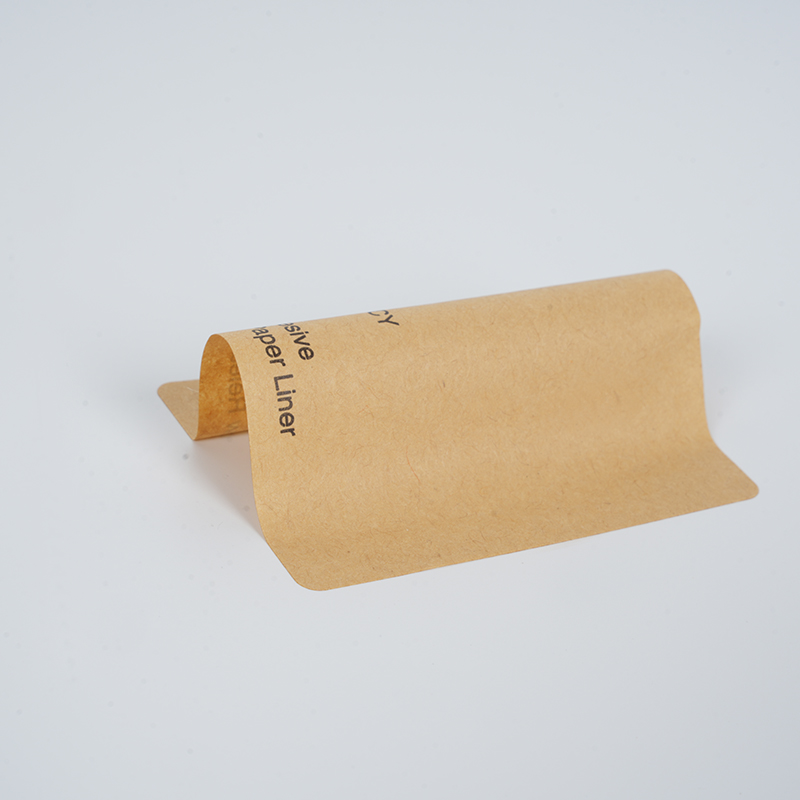
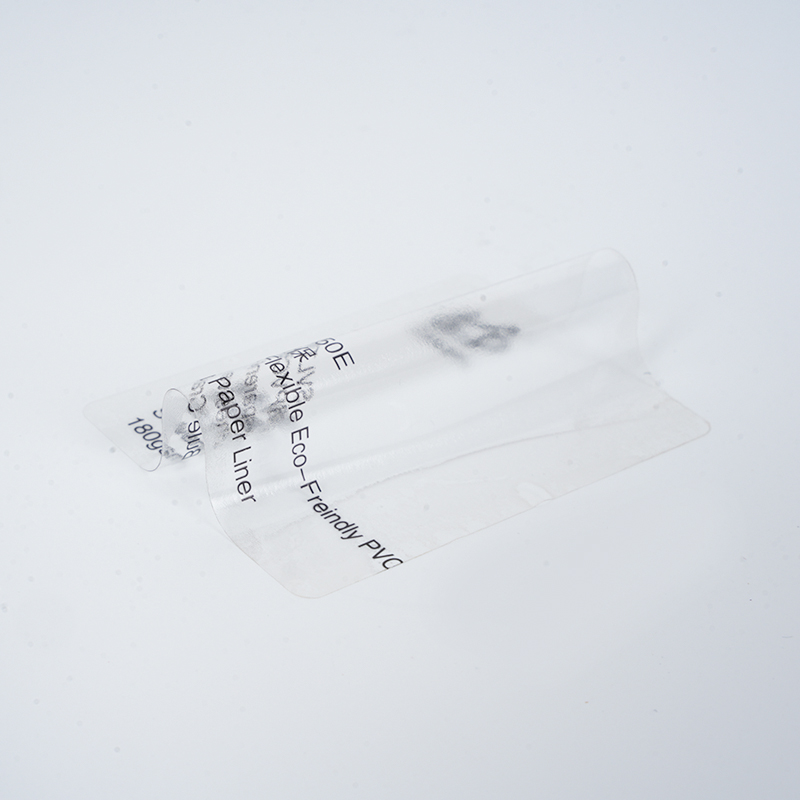
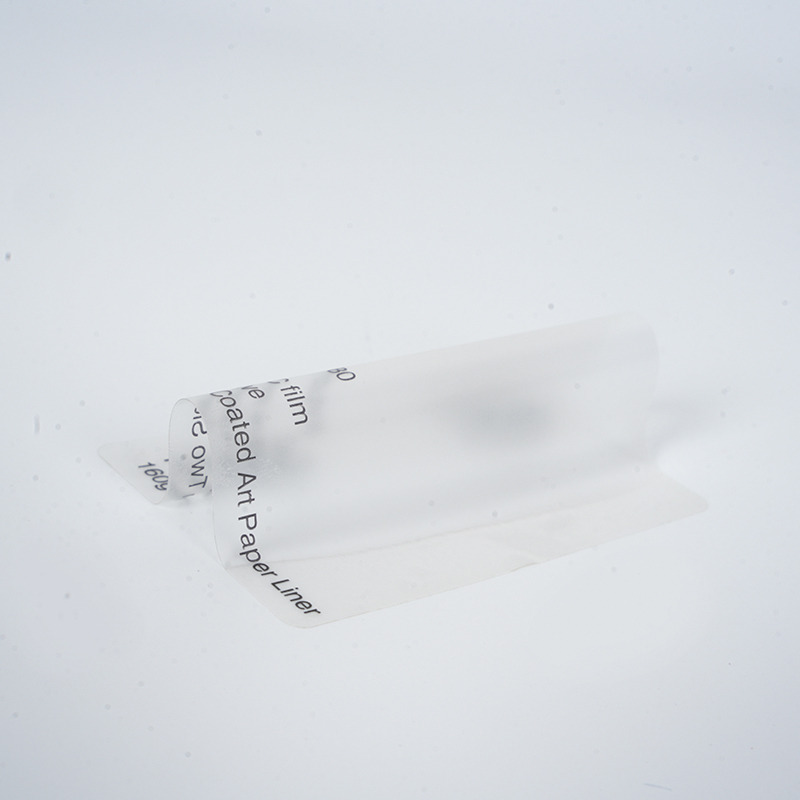
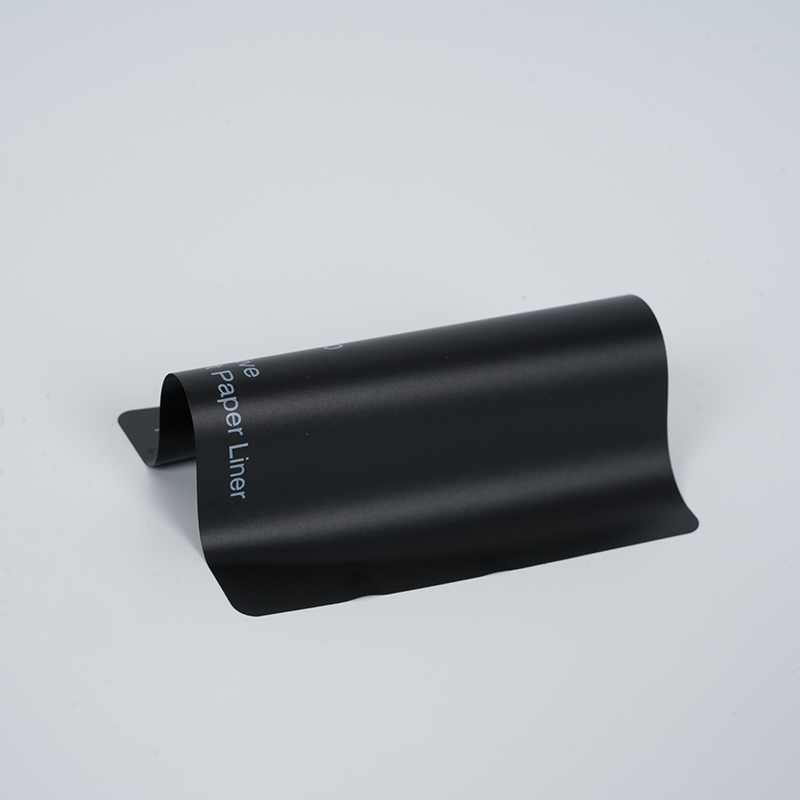
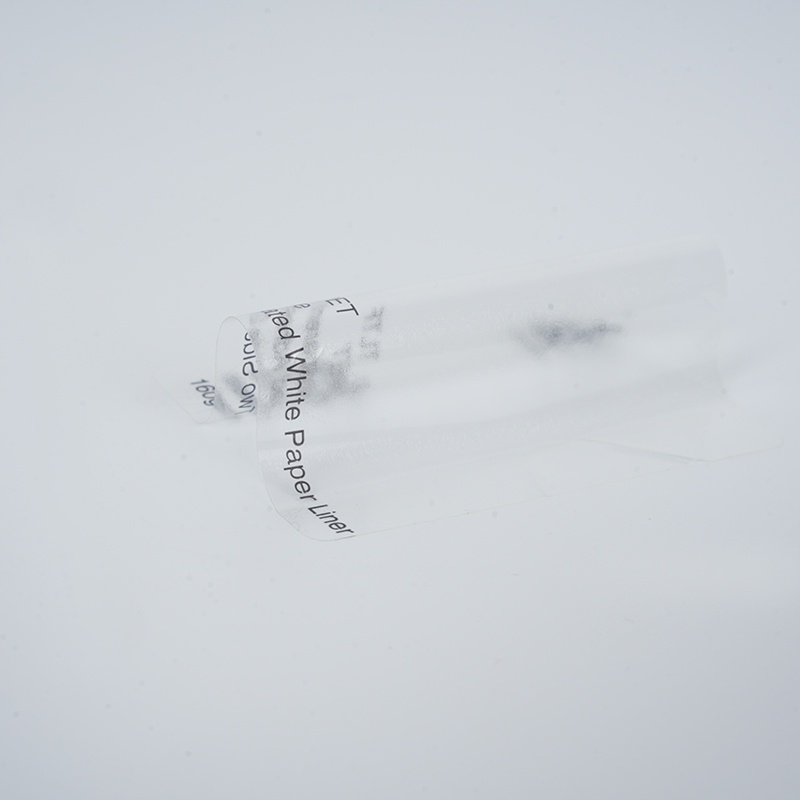
Depending on production requirements, available configurations can include yellow release paper, checkered release paper, white paper liner and coated paper liner. Liner weight and release characteristics should be considered together rather than evaluated independently.
A suitable material specification should describe the facing weight, adhesive type, release liner, roll or sheet dimensions and intended application. Defining these elements together helps reduce incompatibility during printing, converting and final application.
Adhesive selection is one of the most important decisions when specifying aluminum foil self-adhesive paper. Two materials with similar aluminum foil facings may demonstrate different application results because their adhesive formulations are not identical.
Purchasing teams should consider the target substrate, surface energy, temperature, humidity, expected bonding duration and application method. An adhesive that performs well on a smooth glass container may not deliver the same result on textured plastic, coated paperboard or a curved packaging surface.
Hot melt adhesive is commonly used in pressure-sensitive applications where rapid initial bonding and efficient coating processes are required. It can be considered for general labeling and packaging applications involving compatible substrates.
Water-based acrylic adhesive is used in applications requiring a pressure-sensitive bonding system with formulation characteristics suitable for specific paper and packaging substrates. Its performance depends on the selected acrylic formulation and curing conditions.
Solvent-based adhesive formulations are considered when specific bonding strength, environmental resistance or substrate compatibility is required. They can be evaluated for cosmetic labels and other applications involving demanding surface conditions.
Removable adhesive is designed for applications where labels need to be detached under specified conditions. The formulation should balance sufficient holding power during use with the required removal characteristics.
The following table provides a preliminary comparison for purchasing and technical teams. It is intended as a selection reference rather than a substitute for adhesive test results.
| Adhesive Type | Main Characteristics | Potential Applications | Selection Consideration |
|---|---|---|---|
| Hot Melt | Rapid initial tack and efficient bonding | General labels and packaging | Temperature and aging performance |
| Water-Based Acrylic | Formulation flexibility and paper-label compatibility | Packaging and product labels | Moisture exposure and substrate compatibility |
| Solvent-Based | Formulation-dependent bonding and environmental resistance | Selected cosmetic and industrial labels | Processing conditions and regulatory requirements |
| Removable | Controlled removal under specified conditions | Temporary and promotional labels | Residue, removal force and surface condition |
Before confirming a bulk specification, buyers should arrange practical testing using the actual packaging substrate. A structured evaluation can help identify problems that may not be apparent from a technical data sheet.
Water-based adhesive does not automatically mean food-contact compliant, and a material suitable for an external pharmaceutical label is not necessarily suitable for direct product contact. Buyers should verify the applicable regulatory documentation, migration requirements and intended packaging conditions before approving the material.
The release liner is more than a protective backing layer. It affects how self-adhesive aluminum foil paper moves through printing equipment, cutting machines and automated labeling systems. An unsuitable liner can cause feeding instability, premature release, excessive dispensing force or difficulties during die-cutting.
For converters processing large rolls or individual sheets, the liner should be selected according to the converting equipment, label dimensions, adhesive characteristics and final application process.
Provides a recognizable backing appearance and can be selected for applications where a yellow release liner is specified. Its coating and release properties should be matched to the adhesive.
A patterned backing option that can be considered for selected converting and handling requirements. The pattern does not replace the need to verify release force and liner stability.
Provides a clean backing appearance and can be specified for sheet materials or roll products requiring a white paper release liner.
A coated backing option that can be evaluated for particular release and processing requirements. The coating system and release performance should be confirmed with the supplier.
Backing paper specifications may fall within a range of approximately 80gsm to 160gsm, depending on the selected construction. The appropriate weight depends on sheet dimensions, roll width, handling requirements and equipment configuration.
A heavier liner may provide additional stiffness for certain sheet-processing operations, while a lighter liner may be suitable for other material constructions. However, weight should not be used as the only selection criterion. Paper thickness, tensile strength, moisture stability, surface smoothness and release coating quality also affect processing performance.
For automated label application, release force is particularly important. If the liner releases too easily, labels may detach prematurely during handling. If the release force is too high, the dispensing system may struggle to separate the label consistently.
Die-cutting converts adhesive materials into individual labels or defined shapes. During this process, the cutting tool must penetrate the aluminum foil facing and adhesive layer without unnecessarily damaging the release liner. The liner therefore needs sufficient mechanical stability to withstand the converting process.
Inconsistent liner thickness or unsuitable release characteristics may contribute to cutting defects, label lifting and waste. For high-volume production, these issues can influence line efficiency and material consumption. Testing the complete laminate on the intended cutting equipment is therefore recommended before approving large-scale production.
Purchasing self-adhesive aluminum foil paper requires a complete material specification rather than a general product description. Buyers should define the facing weight, adhesive formulation, release liner, roll dimensions and converting requirements before requesting a quotation.
These details help manufacturers determine whether the requested construction can be supplied using an existing specification or requires customized production.
| Specification | Available Reference Options | What Buyers Should Confirm |
|---|---|---|
| Aluminum Facing Weight | 80gsm, 100gsm, 120gsm | Required material body and application conditions |
| Adhesive Type | Hot melt, water-based, solvent-based, removable | Substrate, adhesion requirements and service environment |
| Release Liner | Yellow, checkered, white, coated paper | Release performance and converting compatibility |
| Liner Weight | Approximately 80gsm to 160gsm | Thickness, stiffness and equipment requirements |
| Supply Format | Master rolls and converted sheets | Printing and downstream processing method |
| Sheet Dimensions | A3, A4 and customized sizes | Required dimensions and cutting tolerance |
| Roll Dimensions | Customized roll widths and lengths | Machine width, roll diameter and core requirements |
The supply format should match the buyer's production process. Master rolls are commonly considered by printing plants and converting facilities with roll-fed equipment. They provide flexibility for downstream slitting, printing, laminating and die-cutting operations.
Converted sheets, including A3 and A4 formats, can be more convenient for sheet-fed printing, sample evaluation and smaller processing operations. Customized sheet dimensions may also help reduce unnecessary trimming when the required label layout is known in advance.
A clear purchasing specification should contain the following information:
Providing these details allows technical and purchasing teams to evaluate the complete construction instead of comparing materials based only on the aluminum foil facing. It also creates a consistent specification for sample approval and subsequent repeat orders.
The combination of a metallic appearance, adhesive backing and flexible converting options makes self-adhesive aluminum foil paper suitable for different labeling and packaging applications. Its suitability depends on the required appearance, substrate, printing process and environmental conditions.
Cosmetic packaging often uses metallic finishes to create a distinctive visual presentation. Aluminum foil labels can be considered for selected skincare containers, personal care products, gift packaging and decorative packaging components.
The reflective surface can support premium visual designs, including product names, decorative patterns and brand-related graphic elements. When used on glass bottles, plastic containers or coated packaging surfaces, the adhesive must be matched to the actual substrate.
For curved cosmetic containers, label flexibility and dimensional stability should be evaluated carefully. The label must maintain adequate contact with the packaging surface without excessive edge lifting or wrinkling. Container curvature, label size and application pressure can all influence the final result.
For cosmetic labels exposed to oils, water, cleaning agents or frequent handling, buyers should conduct application-specific resistance testing rather than assume that the aluminum facing alone provides complete protection.
Pharmaceutical packaging requires accurate labeling, stable material performance and careful control of packaging information. Aluminum foil self-adhesive paper may be considered for selected external packaging labels, identification labels and decorative packaging applications.
The opaque aluminum facing can help limit light transmission through the label-covered area. This characteristic may be relevant to packaging designs that require partial light shielding. However, a self-adhesive label should not be treated as a substitute for validated protective pharmaceutical packaging.
Material selection should consider label readability, printing compatibility, adhesion stability and relevant regulatory requirements. If the label is used on medicine cartons or containers, buyers should also evaluate whether the adhesive and substrate combination is appropriate for the storage and distribution environment.
For regulated applications, documentation should be reviewed before production approval. This may include material specifications, applicable compliance statements and test reports relevant to the intended use.
Self-adhesive aluminum foil paper can be evaluated for selected external food packaging labels, product identification stickers and decorative packaging elements. Its metallic appearance can support packaging designs that require a distinct visual surface, while the aluminum facing provides opacity.
Food packaging applications require additional attention to regulatory compliance. The suitability of the complete material depends on the adhesive, coating, substrate, intended contact conditions and applicable food-contact requirements.
For external carton labels and secondary packaging, the main considerations may include adhesion to the packaging surface, resistance to handling and compatibility with printing operations. For direct or indirect food-contact applications, the complete construction must be evaluated against the relevant regulatory requirements.
Industrial applications may include equipment identification, product information labels, decorative metal-effect stickers and selected packaging components. In these applications, buyers often prioritize stable bonding, legible printing and resistance to the environmental conditions encountered during product use.
The appropriate adhesive depends on the surface being labeled. Painted metal, untreated metal, coated plastic and industrial paperboard may require different bonding characteristics. Surface contamination, roughness and application temperature should be considered during testing.
For industrial identification, the label design should also account for printing durability and readability. If the label is exposed to abrasion, moisture or chemicals, the printed surface and any additional protective coating should be evaluated as part of the complete label system.
Material quality is only one part of the final label result. Printing, slitting, die-cutting, rewinding and application processes also influence production consistency. A material that performs well during initial inspection may still encounter problems if the converting equipment is not adjusted to its construction.
Aluminum foil surfaces differ from conventional absorbent paper. Ink adhesion, drying behavior and print definition should therefore be assessed using the actual surface finish and intended printing method.
Before mass production, converters should verify whether the foil surface requires a suitable surface treatment or primer. The selection of ink should consider the surface characteristics, printing equipment, drying process and intended end use.
Fine text, barcodes and detailed graphic elements should be inspected for clarity and consistency. Metallic reflections can also influence visual contrast, so artwork and ink colors should be evaluated on the actual material rather than on a standard paper proof.
For master roll processing, slitting quality directly influences downstream production. Uneven edges, inconsistent roll tension and telescoping can affect machine feeding and label positioning.
Converters should confirm the required roll width, core diameter, winding direction and maximum roll diameter. Tension settings should be suitable for the complete laminate, since excessive tension may cause deformation or influence the stability of the adhesive construction.
Die-cutting accuracy is important when producing labels with complex shapes or narrow spacing. The cutting process must separate the label construction without unnecessarily damaging the release liner.
Inadequate cutting depth can leave uncut adhesive or foil areas, while excessive cutting depth may damage the backing paper. Both conditions can reduce waste removal efficiency and interfere with automated dispensing.
For complex label shapes, buyers should conduct a converting trial to confirm cutting pressure, blade condition, waste removal and final label positioning.
Self-adhesive materials should be stored in their original protective packaging under the supplier's recommended temperature and humidity conditions. Direct sunlight, excessive heat, moisture and contamination may influence the adhesive and liner during storage.
Roll products should be handled carefully to prevent edge damage and deformation. Sheet materials should be stored flat and protected against moisture and dust. Before processing, the material should be allowed to acclimatize to the production environment where necessary.
Check facing weight, liner, adhesive construction and dimensions.
Evaluate ink adhesion, print definition and surface compatibility.
Check slitting, die-cutting, waste removal and liner release.
Verify adhesion, edge stability and environmental performance.
Confirm the specification and inspection criteria before bulk production.
For wholesale buyers, selecting a suitable manufacturing partner involves more than comparing the quoted unit price. Production consistency, customization capabilities, quality control, documentation and communication all affect the reliability of long-term supply.
When evaluating a self-adhesive aluminum foil paper manufacturer, buyers should request clear technical information and verify whether the supplier can consistently provide the required material construction.
Different customers may require different combinations of aluminum facing weight, adhesive formulation, release liner and supply format. A capable supplier should be able to explain which specifications are available and which configurations require additional customization.
Master roll supply, customized slitting and sheet conversion are important considerations for printing plants and packaging converters. Buyers should also confirm whether the supplier can meet the required roll width, sheet dimensions, cutting tolerances and packaging specifications.
Quality control should cover the complete material construction rather than only the aluminum foil facing. Relevant inspection items may include facing weight, adhesive coating consistency, liner properties, dimensional accuracy and finished roll appearance.
For materials used in regulated or technically demanding applications, buyers should request relevant documentation and confirm its scope. Depending on the supplier and product, available documents may include an ISO 9001 quality management system certificate, third-party test reports or material specification sheets.
Where certifications or reports such as ISO 9001, SIRA-related documentation or CTI testing reports are presented, purchasers should verify the issuing organization, validity period, tested material and applicable scope. A company-level quality management certificate should not be interpreted as automatic certification of every product or application.
Samples are an important part of the procurement process because they allow buyers to assess the actual material using their own equipment and substrates. A technical data sheet provides useful reference information, but it cannot fully replace application testing.
For a meaningful evaluation, sample materials should have the same or clearly identified construction as the proposed bulk order. Buyers should check whether the aluminum facing, adhesive type and release liner match the requested specifications.
Sample approval should include a record of material dimensions, printing results, adhesive performance and converting behavior. Keeping an approved sample also helps establish a reference for subsequent repeat orders.
For distributors and large-volume converters, consistency between production batches is an important procurement requirement. Changes in facing weight, adhesive coating, liner release or roll dimensions can affect production settings and finished label quality.
Buyers should discuss inspection procedures, batch identification, packaging protection and production lead times before placing a wholesale order. For recurring purchases, maintaining an approved specification can simplify communication and reduce the risk of material differences between orders.
Check material combinations, adhesive options and customized converting services.
Review inspection procedures, specifications and relevant test documentation.
Confirm printing, adhesion, release and processing performance before approval.
Evaluate production capacity, packaging, delivery schedules and batch consistency.
Prepare your required facing weight, adhesive type, release liner and dimensions before requesting a technical evaluation. Providing the application details and estimated order quantity helps clarify material compatibility and quotation requirements.
Request a material sample, specification sheet and quotation for your intended application.
The price of self-adhesive aluminum foil paper is influenced by the complete material construction, production specifications and order requirements. Comparing quotations based only on the product name or aluminum foil facing weight can lead to inaccurate purchasing decisions.
For a meaningful price comparison, buyers should ensure that suppliers are quoting equivalent facing weights, adhesive formulations, release liners and delivery formats.
The facing weight affects the amount of aluminum foil material used in the construction. Different specifications, such as 80gsm, 100gsm and 120gsm, may have different material costs and processing characteristics. Buyers should select the facing weight according to the required application rather than automatically choosing the heaviest option.
Hot melt, water-based acrylic, solvent-based and removable adhesives have different formulation and production requirements. Their prices may vary according to raw materials, coating processes, performance requirements and quality control standards.
When requesting a quotation, buyers should specify the actual adhesive type and any relevant performance requirements. General descriptions such as strong adhesive or waterproof adhesive are not sufficient for accurate technical and commercial comparison.
Yellow, checkered, white and coated release papers may have different material and coating costs. Liner weight and release performance can also influence the final quotation. Buyers should avoid comparing two products as equivalent when their backing constructions differ.
Customized master roll widths, roll lengths and sheet sizes may influence material utilization, slitting arrangements and production efficiency. Standard sizes may be more straightforward to manufacture, while customized dimensions require evaluation of the production setup.
Wholesale order quantity can influence production scheduling, material purchasing and packaging arrangements. Minimum order quantities are therefore often related to the manufacturing process and selected specification rather than a single universal threshold.
Packaging requirements, labeling, delivery destination and shipping arrangements may also affect the total purchasing cost. Buyers should clarify whether the quotation covers material only, customized converting, protective packaging or other services.
| Pricing Factor | Information to Provide | Why It Matters |
|---|---|---|
| Facing Weight | 80gsm, 100gsm or 120gsm | Determines the material construction |
| Adhesive | Hot melt, acrylic, solvent-based or removable | Influences formulation and coating requirements |
| Backing Paper | Type, weight and release characteristics | Affects material cost and processing performance |
| Dimensions | Roll width, roll length or sheet size | Influences converting and material utilization |
| Order Quantity | Estimated purchase volume | Supports production and cost calculation |
| Delivery | Packaging and destination requirements | Determines logistics arrangements |
When contacting a supplier, buyers should provide a complete specification instead of asking for a general price per kilogram or per roll. The following information can help manufacturers assess the request more efficiently.
Providing this information allows the supplier to evaluate the requested construction, confirm production feasibility and prepare a quotation based on the actual purchasing requirements.
The following questions address common technical and purchasing considerations for label manufacturers, packaging converters, distributors and wholesale buyers.
Self-adhesive aluminum foil paper is a composite material consisting of an aluminum foil facing, a pressure-sensitive adhesive layer and a release liner. It provides a metallic surface and can be applied to compatible substrates after the release liner is removed. It is commonly evaluated for product labels, decorative packaging and selected industrial labeling applications.
Common applications include cosmetic product labels, external pharmaceutical packaging labels, selected food packaging stickers, industrial identification labels and decorative packaging components. The appropriate construction depends on the target substrate, environmental conditions, printing requirements and applicable regulatory standards.
Common options include hot melt adhesive, water-based acrylic adhesive, solvent-based adhesive and removable adhesive. Each has different bonding characteristics. Buyers should select the formulation according to the substrate, required adhesion, temperature conditions, moisture exposure and whether permanent or removable bonding is required.
Reference facing weights include 80gsm, 100gsm and 120gsm. The appropriate option depends on the required material construction, application conditions and converting process. Buyers should confirm whether the specified weight refers to the aluminum foil facing or another part of the laminate.
Common configurations include yellow release paper, checkered release paper, white paper liner and coated paper liner. Liner weight may vary according to the required construction. Buyers should confirm release force, stiffness, dimensional stability and compatibility with their converting equipment before selecting a liner.
Customized supply can include master rolls with specified widths and converted sheets such as A3, A4 or other required dimensions, subject to manufacturing capability. Buyers should provide the required width, length, core dimensions, cutting tolerances and estimated order quantity when requesting customization.
Moisture resistance depends on the aluminum facing, adhesive formulation, release liner, exposed edges and final application conditions. The aluminum facing provides a moisture-resistant surface, but the complete label construction should be tested before being specified for prolonged water exposure or demanding environmental conditions.
It can be evaluated for selected external food packaging labels and stickers. However, suitability for direct or indirect food contact depends on the complete material construction and applicable regulations. Buyers should request relevant compliance documentation and verify the intended contact conditions before use.
The minimum order quantity depends on the facing weight, adhesive type, release liner, roll or sheet dimensions and production arrangements. Customized constructions may have different minimum requirements from standard specifications. Buyers should provide their intended configuration and estimated purchase volume to obtain an accurate MOQ.
Pricing is influenced by aluminum foil facing weight, adhesive formulation, release liner type, liner weight, roll or sheet dimensions, order quantity and packaging requirements. For accurate price comparison, buyers should request quotations based on equivalent material specifications.
Sample evaluation can help buyers confirm material construction, printing compatibility, adhesive performance, release characteristics and converting suitability. The sample should match the proposed production specification as closely as possible. Buyers should also confirm whether sample availability and sample preparation costs apply.
To obtain a quotation, provide the required facing weight, adhesive type, release liner, roll or sheet dimensions, application and estimated order quantity. If available, include a technical specification or reference sample. The supplier can then evaluate the material requirements, confirm available configurations and prepare a quotation for the requested order.
+86-18018686956
+86-021-69171221
No.1218, Huiping Road, Nanxiang Town, Jiading District, Shanghai, China
Copyright © Shanghai Baozhongbao Adhesive Products Co., Ltd. All Rights Reserved. Wholesale Self Adhesive Label Sticker Factory