+86-18018686956
 [email protected]
 Language
 русский
 Español
 عربى
 Tiếng Việt


Inquiry
+86-18018686956
[email protected]
Language
Many label failures do not come from printing or die-cutting. They start with the wrong base film. A label that peels after two weeks in a warehouse, curls in humid air, or smears under a solvent wipe usually traces back to a mismatch between the substrate, the adhesive and the release liner. Choosing self-adhesive film materials that suit the end-use environment is therefore a technical decision, not just a price comparison.
This guide walks through how these materials are built, what the key specifications mean in daily production, where each type performs best, and what buyers should confirm before placing a bulk order. The focus is on decisions that affect yield, shelf life and customer complaints.
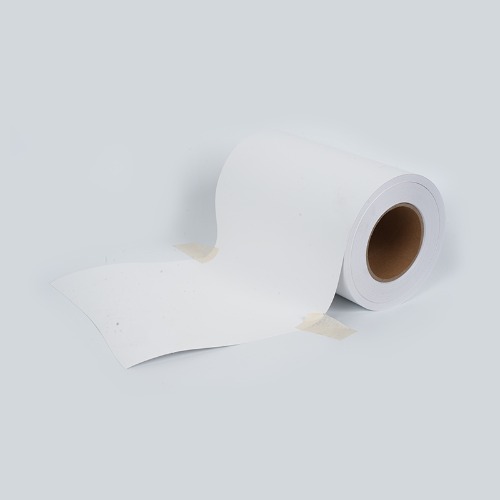
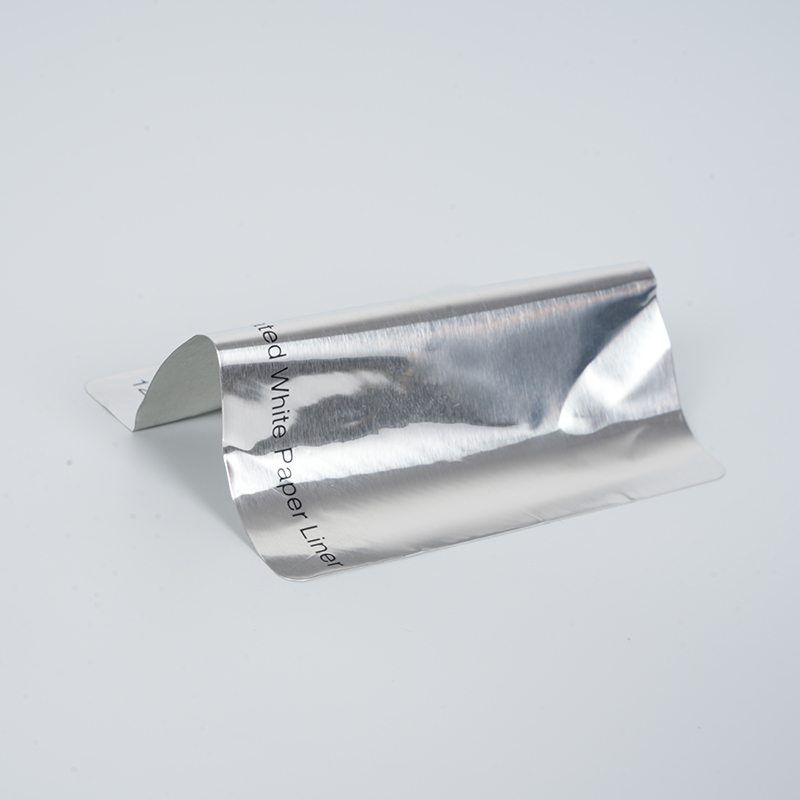
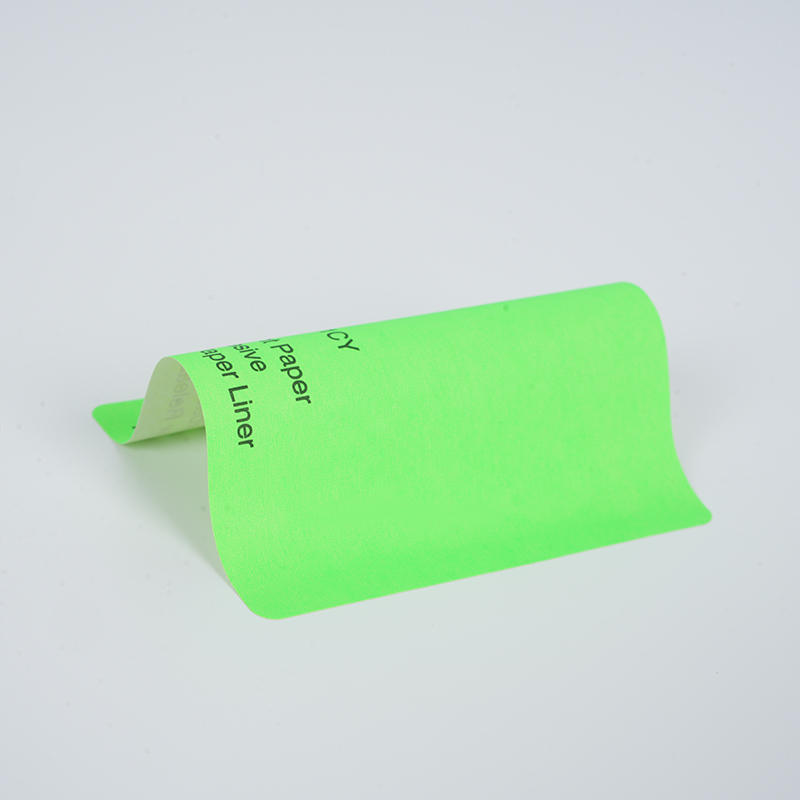
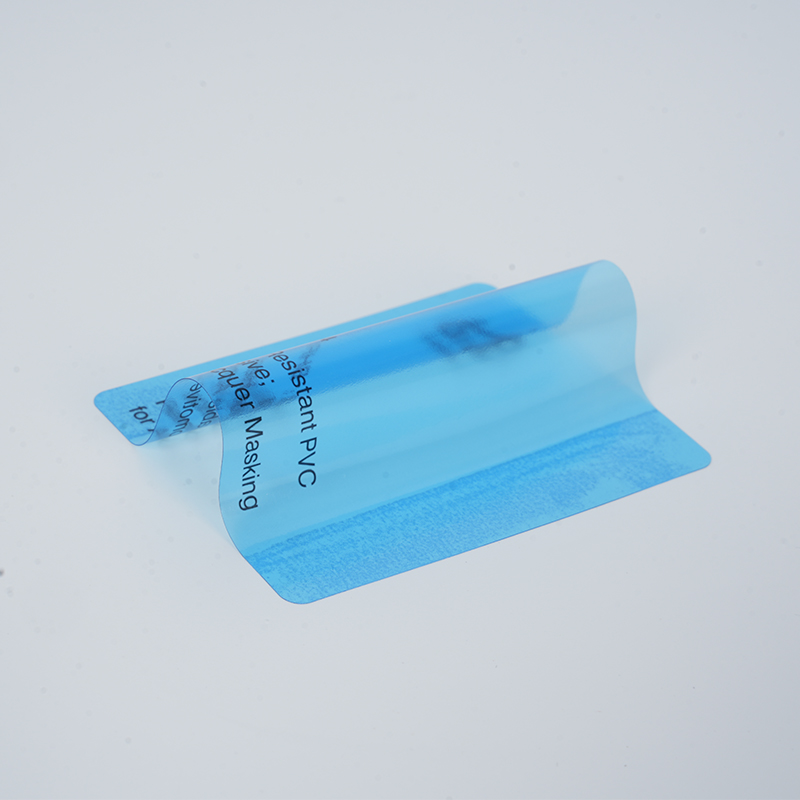
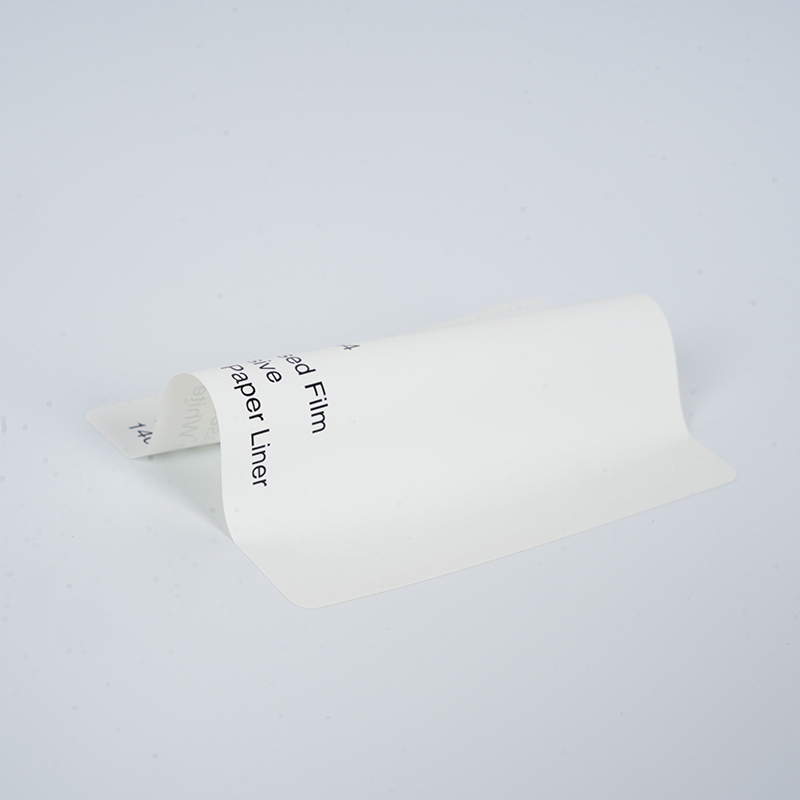
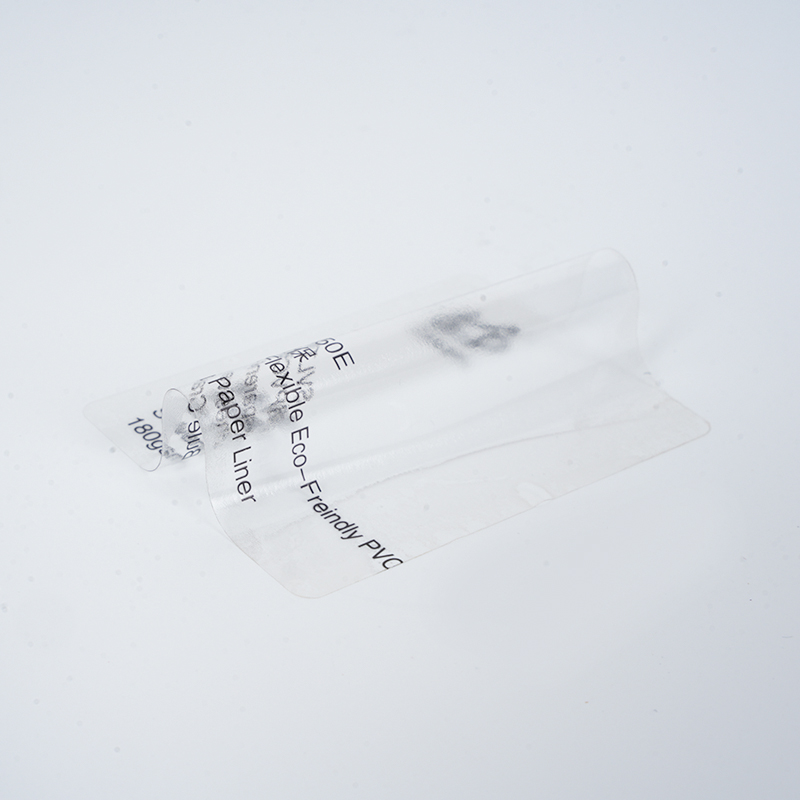
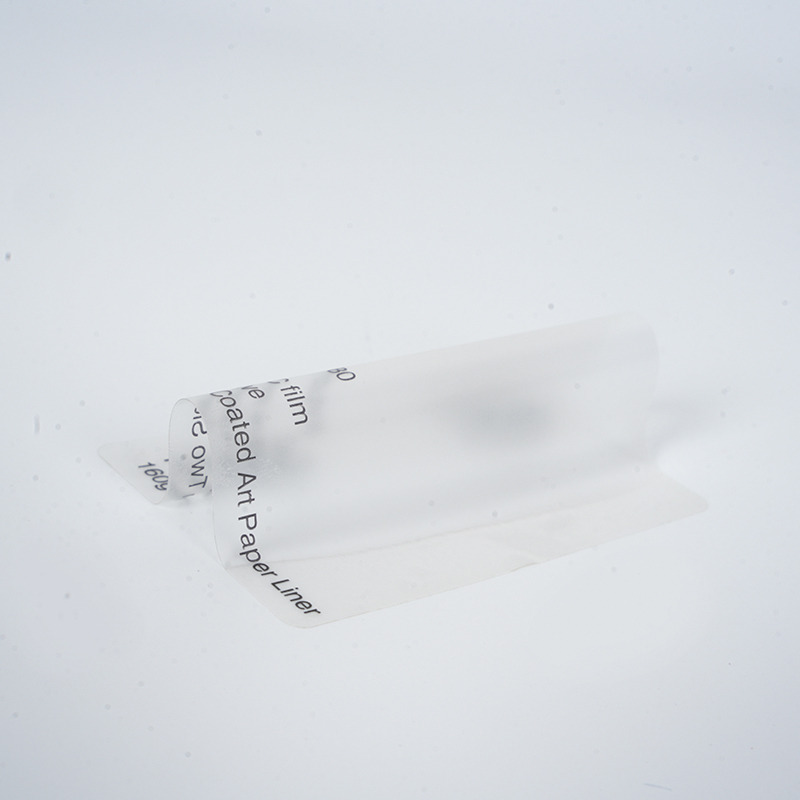
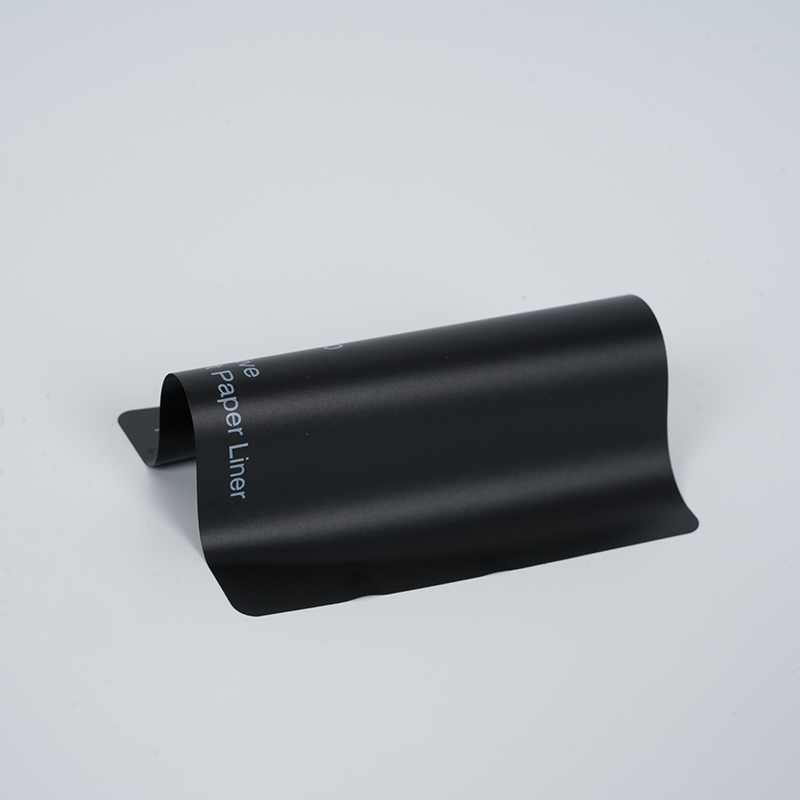
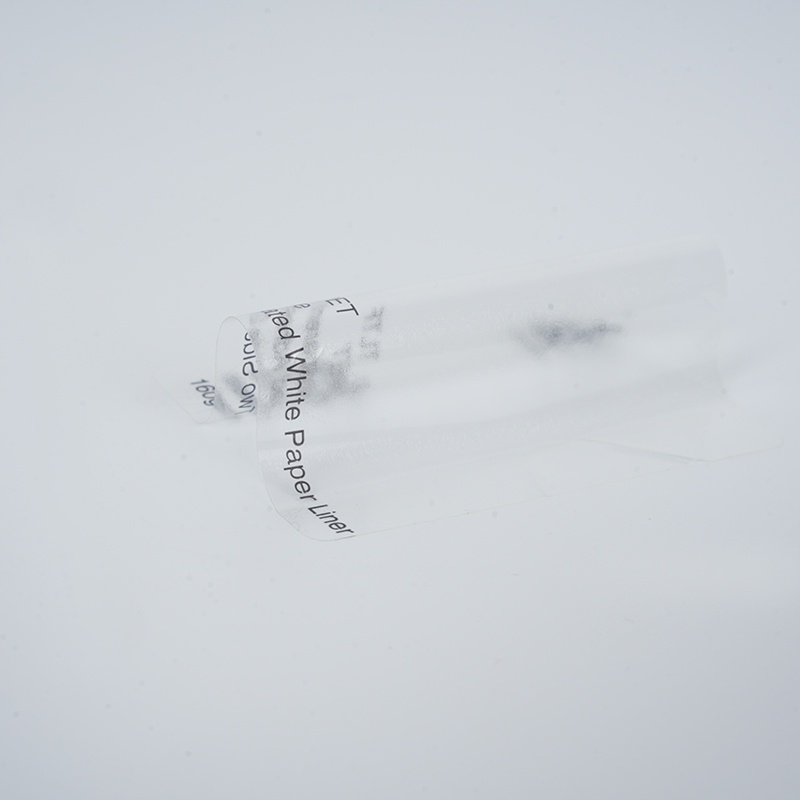
A finished pressure-sensitive label is built from three stacked layers. Each layer contributes a different property, and a weakness in any one of them shows up as a field problem.
The printable top film. It determines tear strength, moisture resistance, print gloss and how the label looks after months outdoors.
The layer that bonds to the target surface. Its chemistry sets initial tack, final bond strength and whether the label can be removed cleanly later.
The carrier sheet that protects the adhesive until use. Its surface coating controls how easily the label releases during dispensing and die-cutting.
| Component | Common Options | Main Function |
|---|---|---|
| Face stock | PP, PET, PVC, synthetic paper | Print surface and durability |
| Adhesive | Water-based acrylic, hot-melt, solvent, removable | Bond strength and removability |
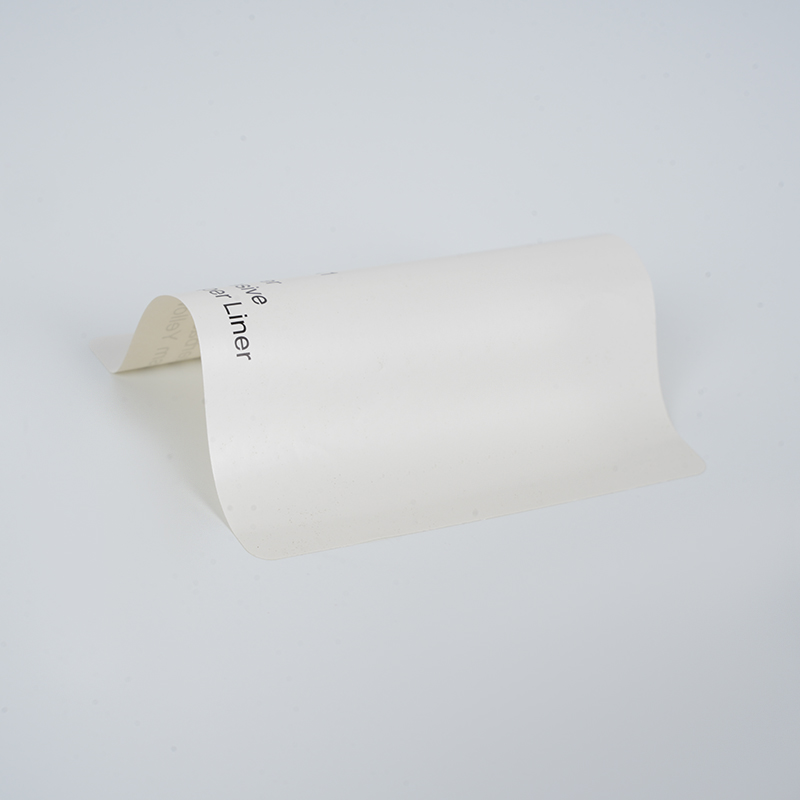
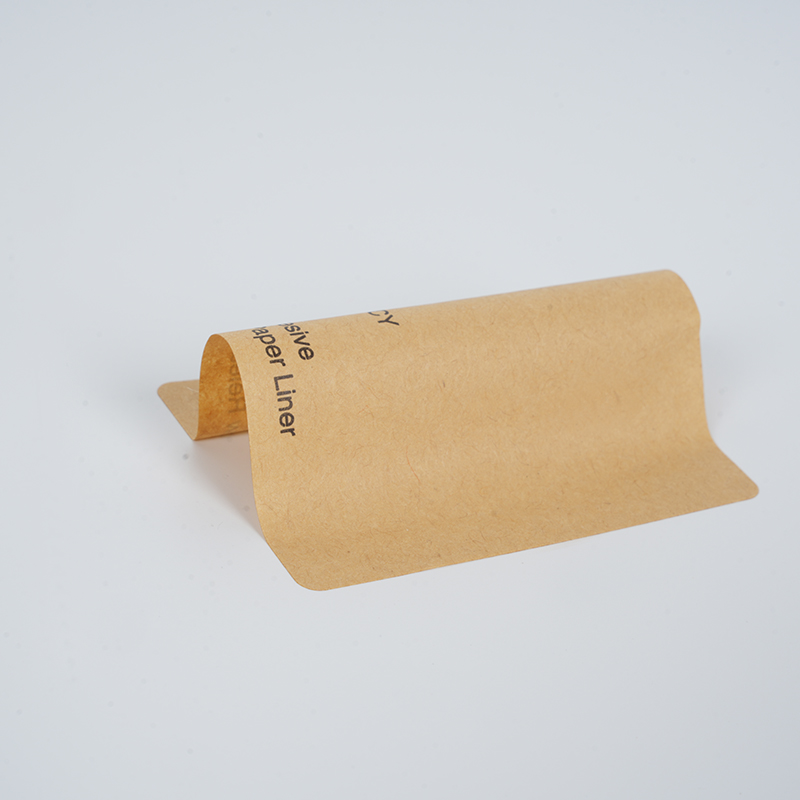
| Release liner | Glassine, white art paper, checkered, yellow back | Protection and dispensing |
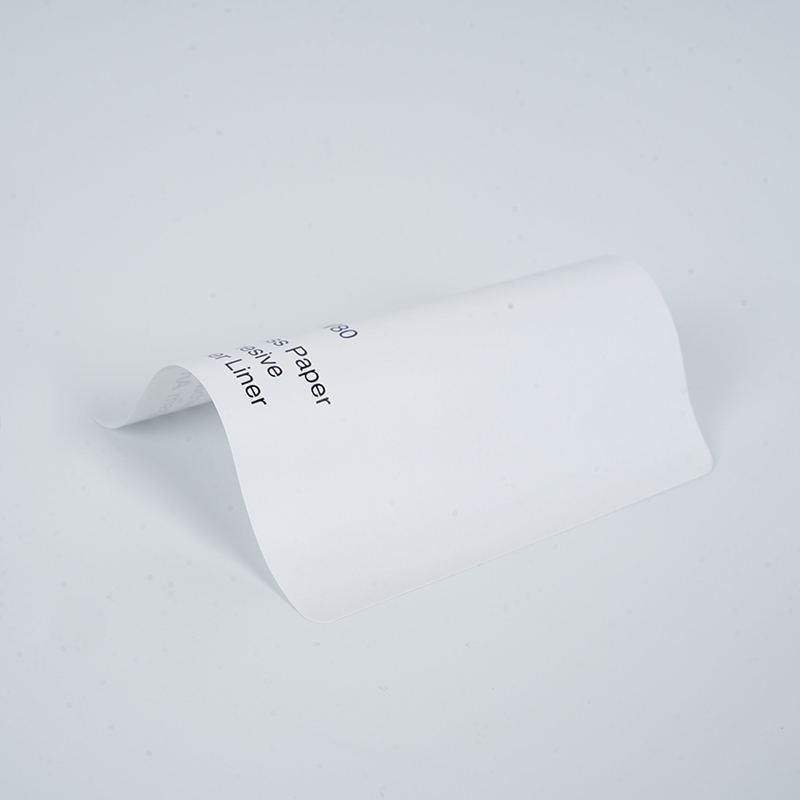
Polypropylene synthetic paper is one of the most requested face stocks for labels that must survive handling, water and sunlight. Its microvoid structure gives it an opaque, paper-like surface while keeping the tear and water resistance of a plastic film. Compared with coated paper labels, it resists fold cracking and does not swell when it gets wet.
PP face stock has lower surface energy than PET, so ink adhesion and corona treatment levels need verification before production. Very high-temperature environments above the rated range can cause dimensional drift, so the application temperature should be confirmed upfront.
Specification sheets list many numbers. Five of them drive most of the day-to-day outcomes on a converting line.
Thicker film resists puncture and curling but costs more and can reduce die-cutting speed. Thinner film suits small labels and bottle wraps where flexibility matters.
Heavier coats give stronger bonds on rough surfaces, while lighter coats are easier to remove and cost less per square meter.
Liner thickness affects roll stability and feeding accuracy on automatic label applicators.
Standard cores fit most unwinders, but mismatched cores cause tension problems and web breaks during printing.
Master rolls can be slit to customer widths. Confirm slit tolerance, since tolerances of a millimeter or two affect registration on multi-up dies.
| Adhesive | Best Surface | Removability | Environment Fit |
|---|---|---|---|
| Water-based acrylic | Glass, plastic, metal | Permanent | Indoor and outdoor |
| Hot-melt | Corrugated and rough surfaces | Permanent | Good for cold chain |
| Solvent | Low-energy plastics | Permanent | High temperature |
| Removable | Temporary signage | Clean removal | Indoor preferred |
Application context should drive the material spec. The same face stock can behave very differently depending on the surface it sticks to and the conditions it faces over its service life.
Labels exposed to rain, UV and temperature swings need water-resistant face stock and a weather-stable adhesive. Confirm the expected outdoor life before choosing a grade.
Bottles that get wet during use or washing need labels that do not lift at the edges. Many buyers specify a tear-resistant face stock with a water-based adhesive for this segment.
Shipping labels face abrasion and frequent scanning. Synthetic face stock with good scuff resistance keeps barcodes readable through the full distribution chain.
Labels for sterile or chemically exposed environments often require documented compliance testing and tighter batch traceability from the supplier.
Selection works best as a sequence of checks rather than a single spec lookup. Working through these five questions in order usually narrows the options to one or two candidates.
A reliable supplier should be able to show evidence for the claims in its datasheet. Useful checks include peel adhesion values measured on standard test panels, shrinkage after heat exposure, ink rub resistance and water immersion results. Ask whether test conditions follow a recognized standard, and whether each production lot carries its own reference number. Traceability at the lot level makes complaint investigation far faster if a problem appears months later.
Peel strength on steel and polypropylene panels after 24 hours dwell.
Shrinkage after heating at the rated temperature for a fixed time.
Water immersion and ink rub tests on printed samples.
Lot numbers on every roll for complaint tracking.
They are multi-layer label stocks made of a printable face film, a pressure-sensitive adhesive and a protective release liner. The face film carries the print, the adhesive bonds the label to a surface, and the liner keeps the adhesive clean until the label is applied.
It is widely used for labels that need water resistance, tear strength and a durable print finish, including outdoor signage, consumer product bottles, logistics tags and laboratory or industrial identification labels.
Hot-melt or higher-coat-weight acrylic adhesives generally perform better on textured or corrugated surfaces, because they flow into surface irregularities and build stronger contact. Always run an adhesion test on the actual surface before full production.
Common options include glassine, white art paper, checkered and yellow-back liners. The choice depends on how the labels will be dispensed, the required release force and whether the liner will be recycled or discarded after use.
Most suppliers can provide sample sheets or short rolls for trial. Request samples that match your intended face stock, adhesive and liner so that your print and application tests reflect real production conditions.
Main cost drivers include face stock type and thickness, adhesive chemistry and coat weight, liner grade, order volume, slitting requirements and any custom printing or certification needs. Ordering larger volumes with standard specifications usually reduces unit cost.
If you are comparing options for a new label program, start by sending your application environment, target surface and required volume. With those details, a supplier can recommend a suitable combination of face stock, adhesive and liner, and can arrange a trial sample. You can review the full range of PP synthetic paper options on the synthetic paper product page before requesting a quotation.
Share your specifications and receive a quotation with sample options.
+86-18018686956
+86-021-69171221
No.1218, Huiping Road, Nanxiang Town, Jiading District, Shanghai, China
Copyright © Shanghai Baozhongbao Adhesive Products Co., Ltd. All Rights Reserved. Wholesale Self Adhesive Label Sticker Factory