+86-18018686956
 [email protected]
 Language
 русский
 Español
 عربى
عربى Tiếng Việt

Inquiry
+86-18018686956
[email protected]
Language
In the ever-evolving world of packaging and labeling, self-adhesive film materials are becoming increasingly essential. They offer an array of benefits for businesses and consumers alike.
In recent years, industries ranging from food and beverage to cosmetics and pharmaceuticals have embraced self-adhesive film materials. These materials serve as the backbone of modern labeling, providing a convenient and efficient solution for packaging needs.
Self-adhesive films bring numerous advantages to packaging and labeling that make them indispensable.
Ease of Application: Unlike traditional labeling methods, self-adhesive films eliminate the need for additional adhesives or tools. This ease of use increases efficiency and reduces the time spent on packaging.
Durability and Protection: These films provide a protective layer against environmental factors such as moisture, dirt, and scratches, ensuring that the label remains intact during shipping and handling.
Customization and Branding: Self-adhesive films can be easily customized with vibrant designs, logos, and text, making them a choice for branding purposes. Their ability to maintain clarity and color over time makes them ideal for marketing.
Cost-Effectiveness: Self-adhesive films are often more affordable compared to other packaging materials, as they eliminate additional steps in the labeling process and reduce labor costs.
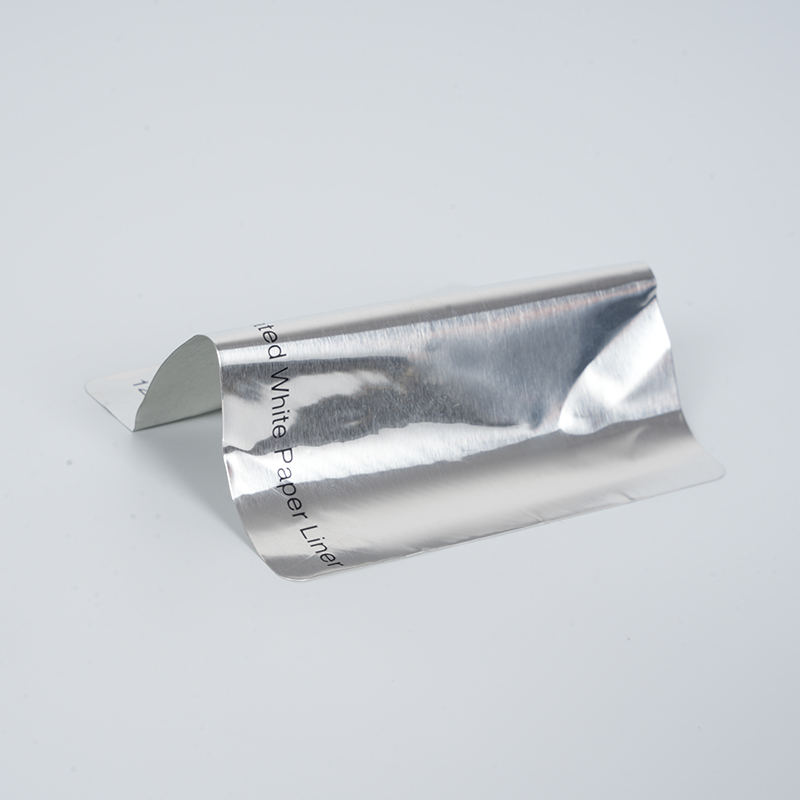
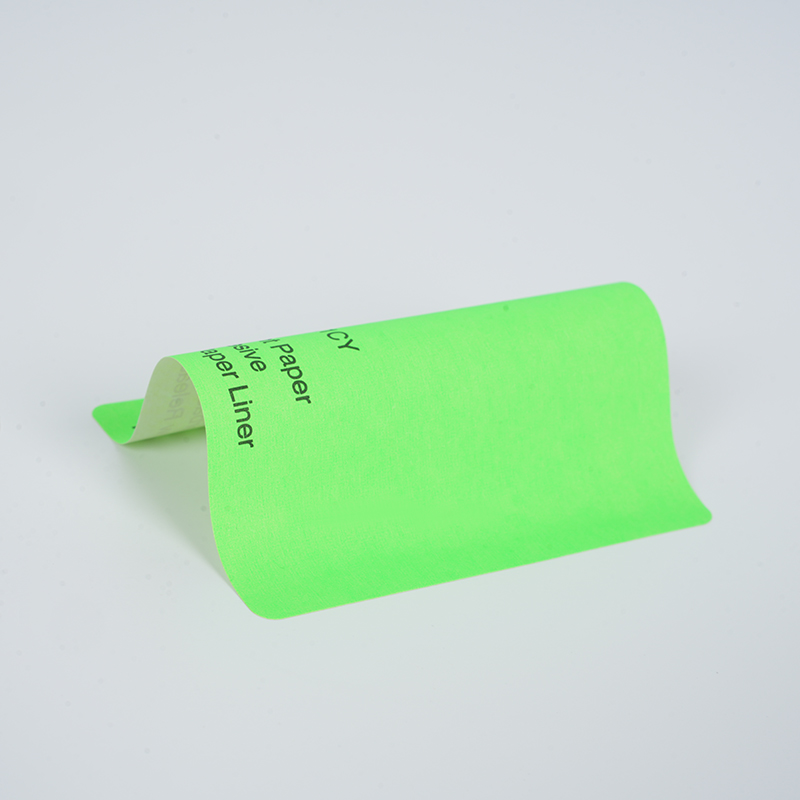
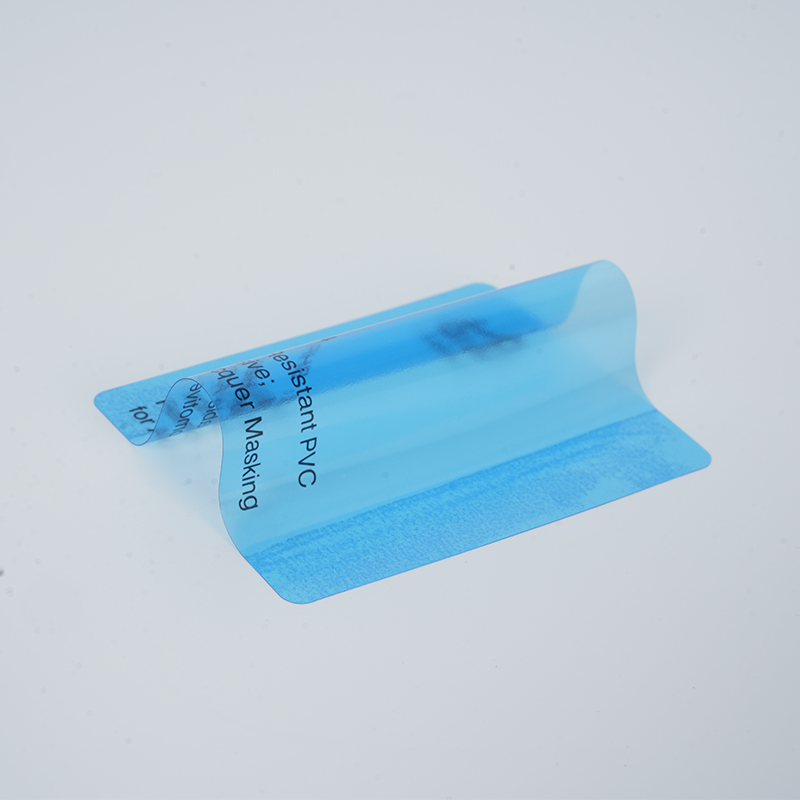
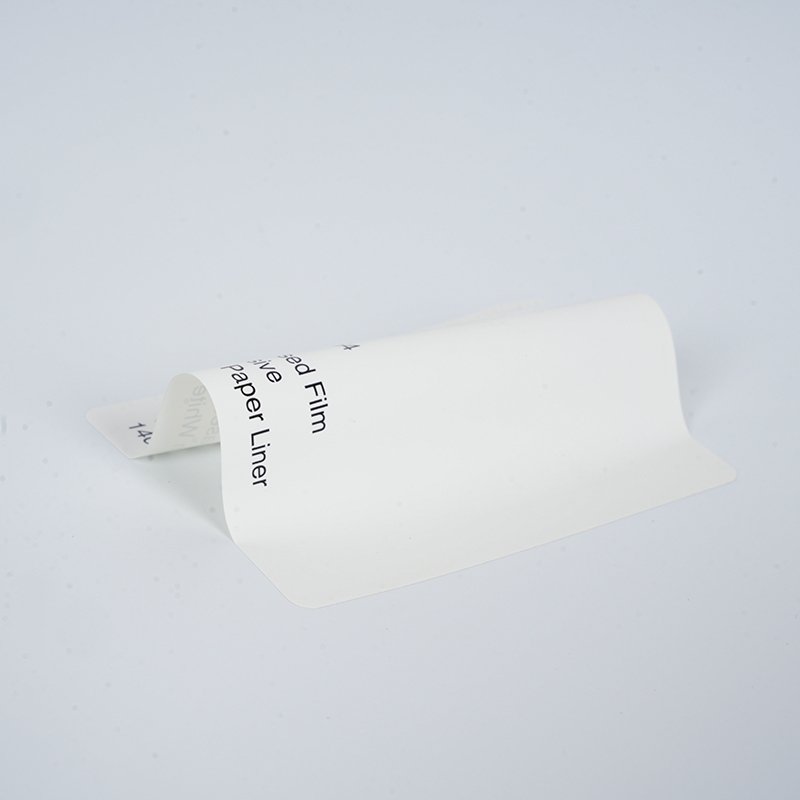
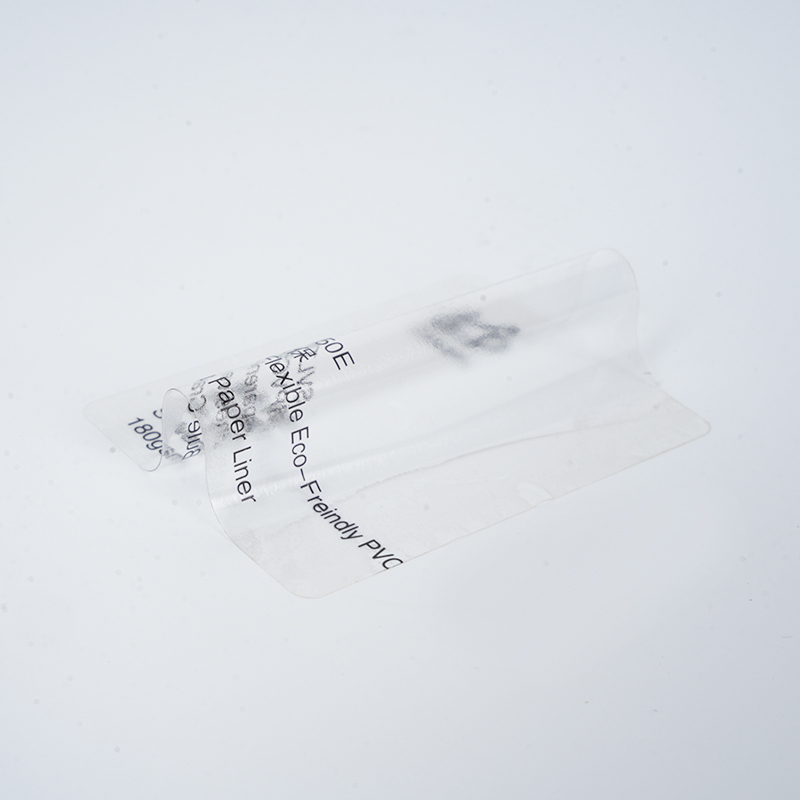
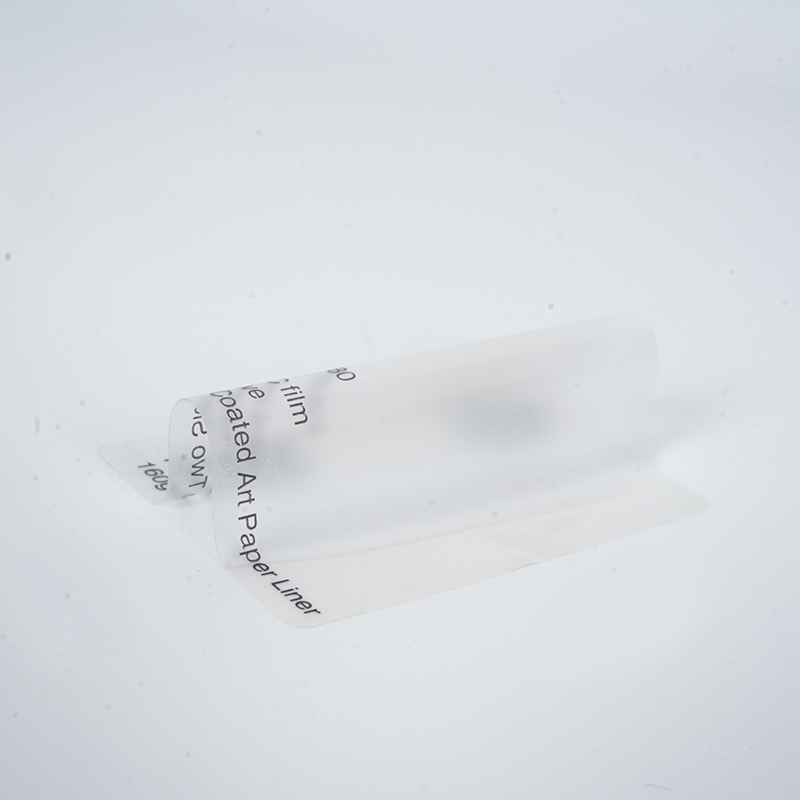
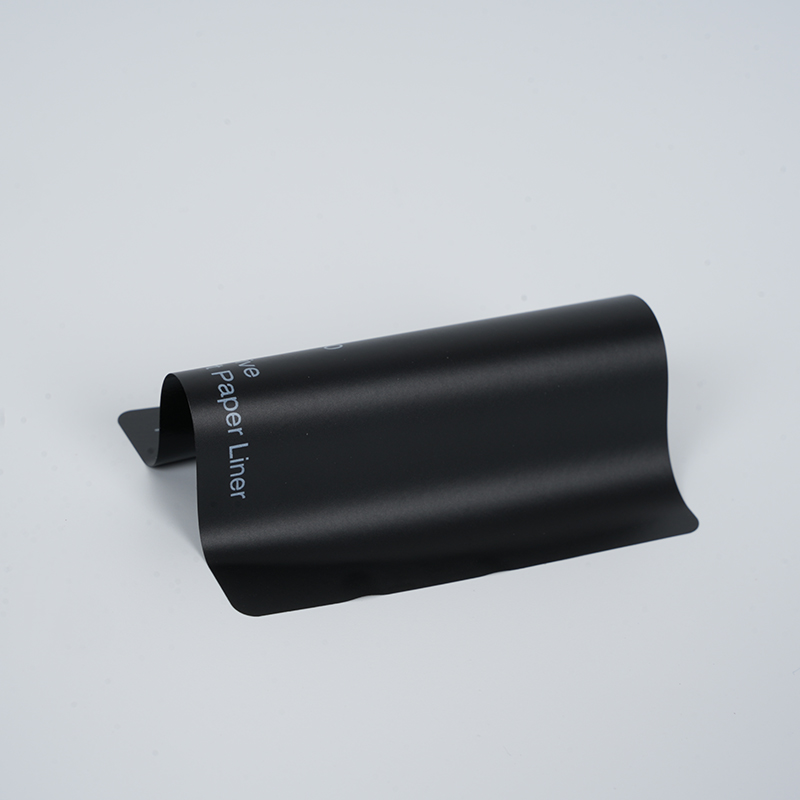
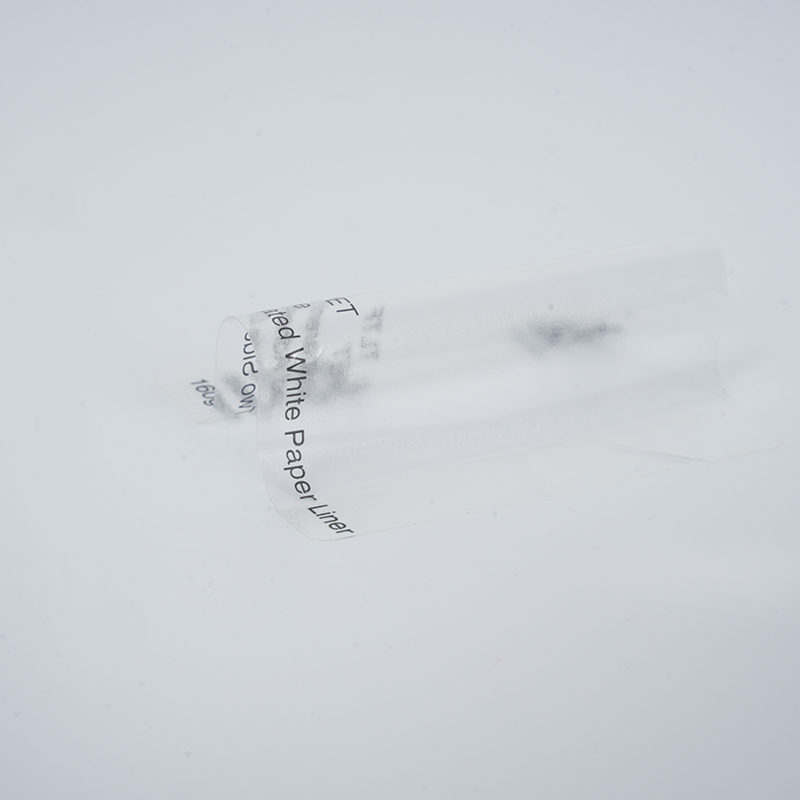
Self-adhesive films come in a variety of types, each suited for specific applications. This section provides a brief overview of the commonly used materials:
Each material type offers unique benefits, ensuring that businesses can select the film for their specific needs.
The applications of self-adhesive film materials are vast and diverse, impacting various sectors.
As sustainability becomes more important to both consumers and businesses, self-adhesive films are stepping up to meet these demands.
| Type of Film | Features | Common Applications | Durability | Customization |
|---|---|---|---|---|
| Vinyl Film | Durable, weather-resistant, flexible | Outdoor signage, bumper stickers | High | High |
| Polyester Film | UV-resistant, clarity | High-end product labels | Very High | High |
| Polypropylene Film | Lightweight, flexible, economical | Food packaging, retail labels | Medium | Medium |
1. What makes self-adhesive films ideal for product labeling?
Self-adhesive films are easy to apply, offer durability, and provide vibrant customization options, making them a popular choice for labeling products across various industries.
2. Are self-adhesive films environmentally friendly?
Yes, many self-adhesive films are made from recyclable and biodegradable materials, helping businesses meet sustainability goals while providing efficient packaging solutions.
3. How do self-adhesive films compare to traditional adhesive methods?
Self-adhesive films simplify the labeling process by eliminating the need for additional adhesives or tools, saving time and reducing labor costs. They also provide a cleaner, more professional finish.
4. Can self-adhesive films be used for outdoor applications?
Absolutely. Vinyl self-adhesive films are highly durable and resistant to weathering, making them ideal for outdoor signage, bumper stickers, and other applications exposed to the elements.
5. What are the key benefits of using self-adhesive films in packaging?
The key benefits include ease of application, cost-effectiveness, durability, protection from environmental damage, and the ability to customize for branding purposes.
Self-adhesive film materials are quickly becoming indispensable in packaging and labeling. Their versatility, durability, and cost-effectiveness make them essential for industries looking to streamline their packaging processes while enhancing branding and product protection.
+86-18018686956
+86-021-69171221
No.1218, Huiping Road, Nanxiang Town, Jiading District, Shanghai, China
Copyright © Shanghai Baozhongbao Adhesive Products Co., Ltd. All Rights Reserved. Wholesale Self Adhesive Label Sticker Factory