+86-18018686956
 [email protected]
 Language
 русский
 Español
 عربى
عربى Tiếng Việt

Inquiry
+86-18018686956
[email protected]
Language
Self-adhesive film materials are becoming increasingly important across industrial manufacturing, packaging, printing, and architectural applications. With expanding market adoption and continuous technological evolution, these functional materials are shaping new possibilities in modern production.
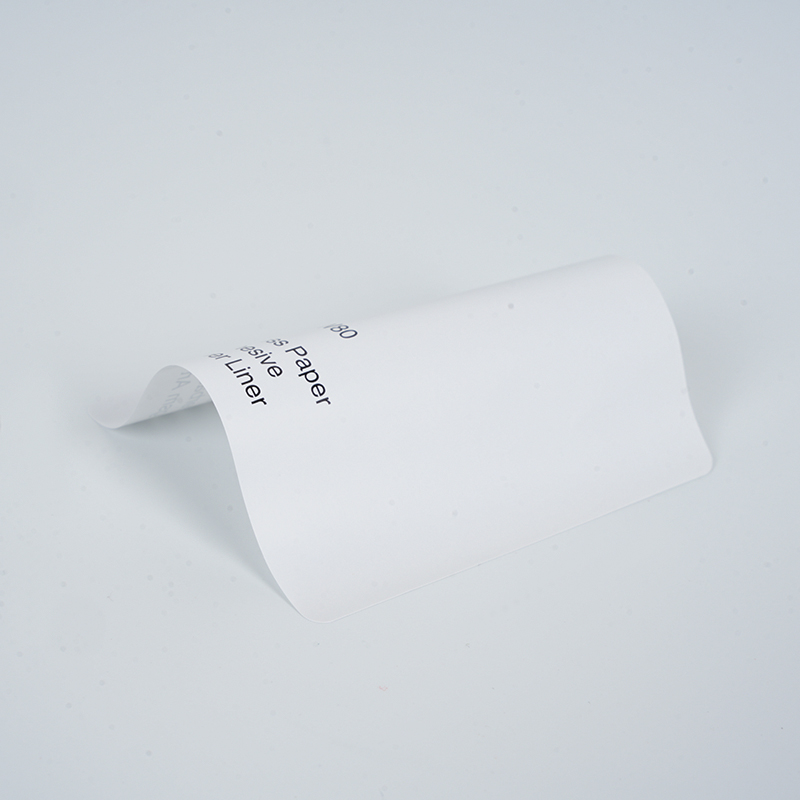
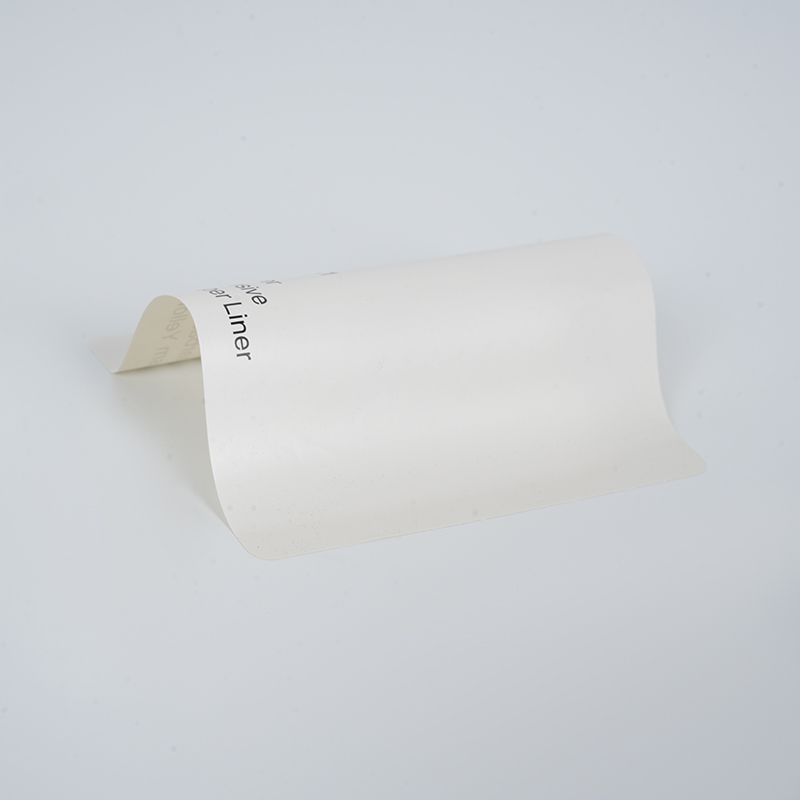
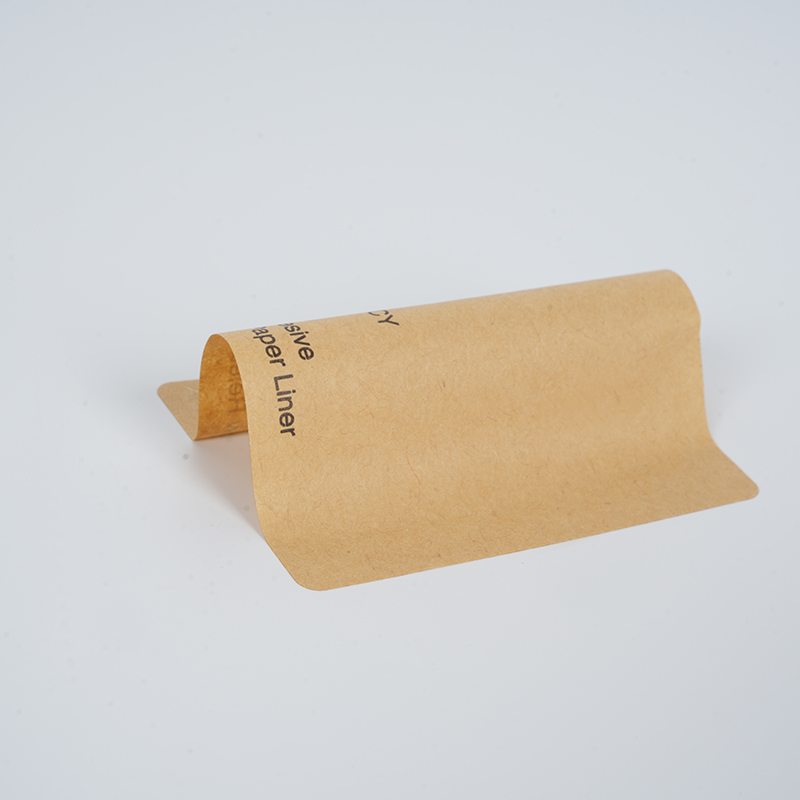
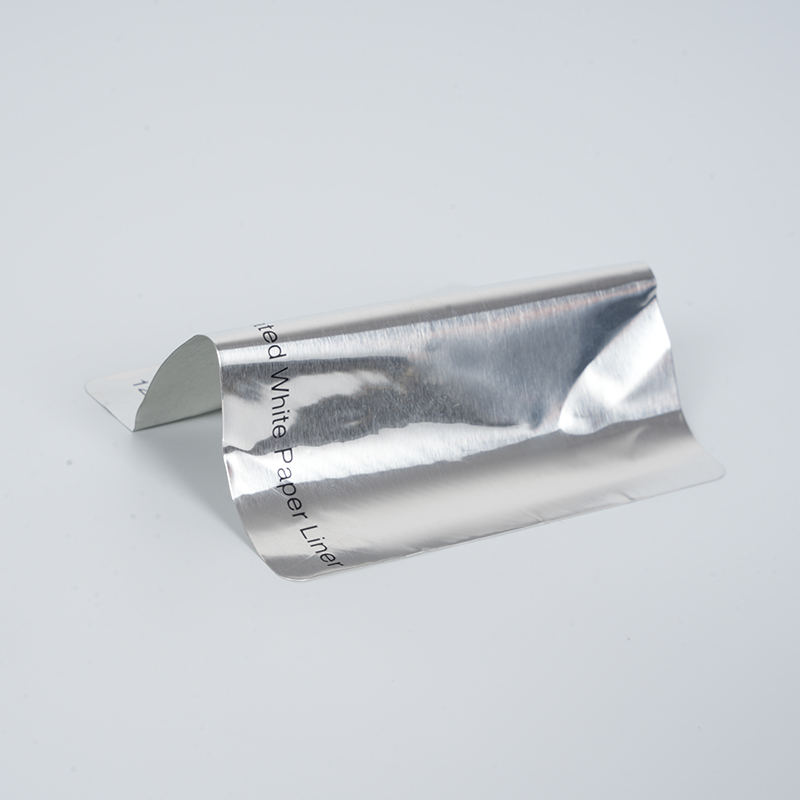
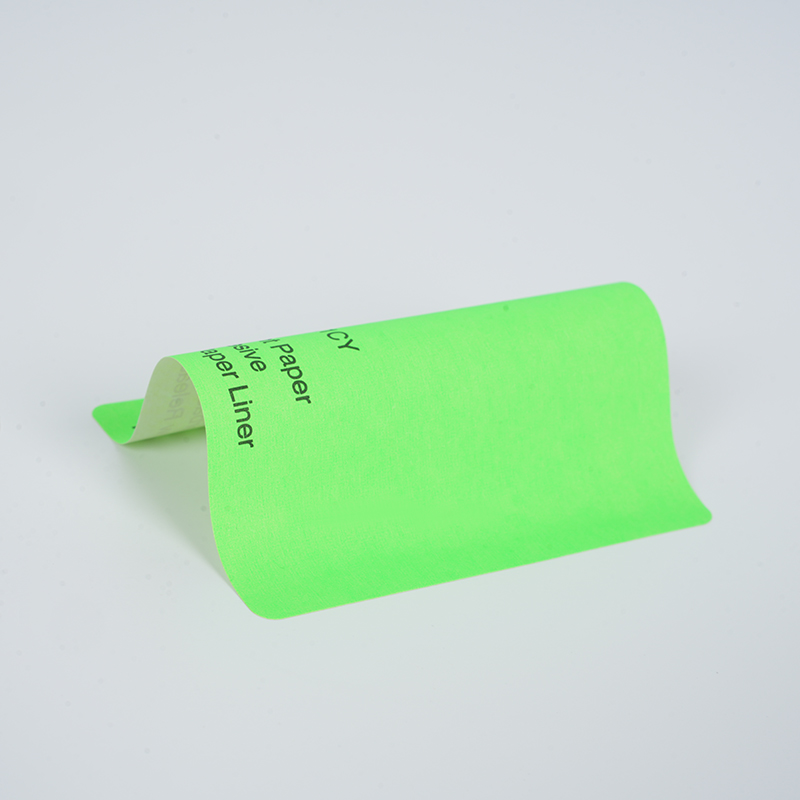
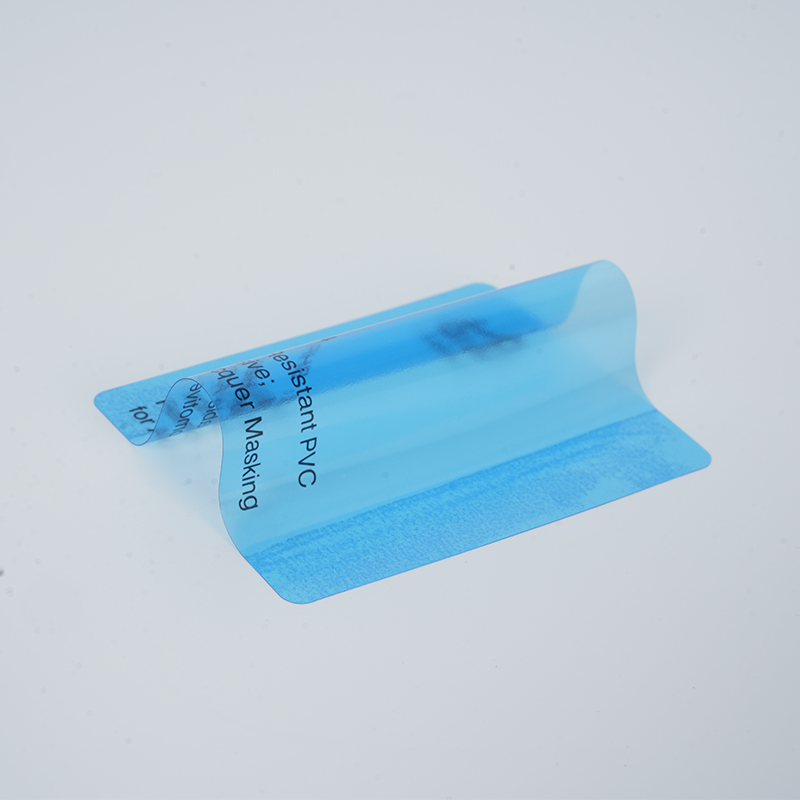
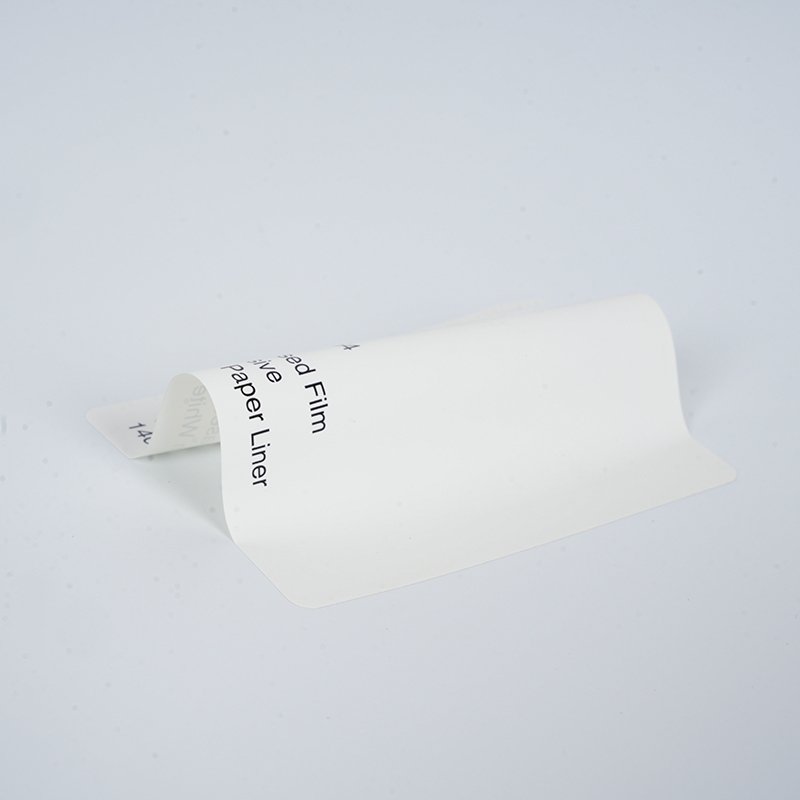
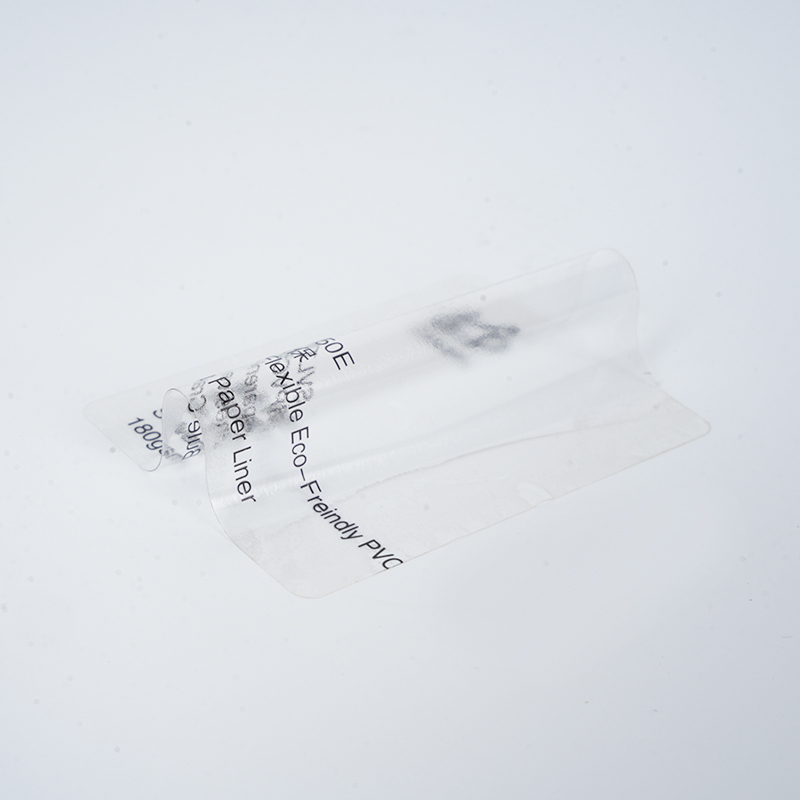
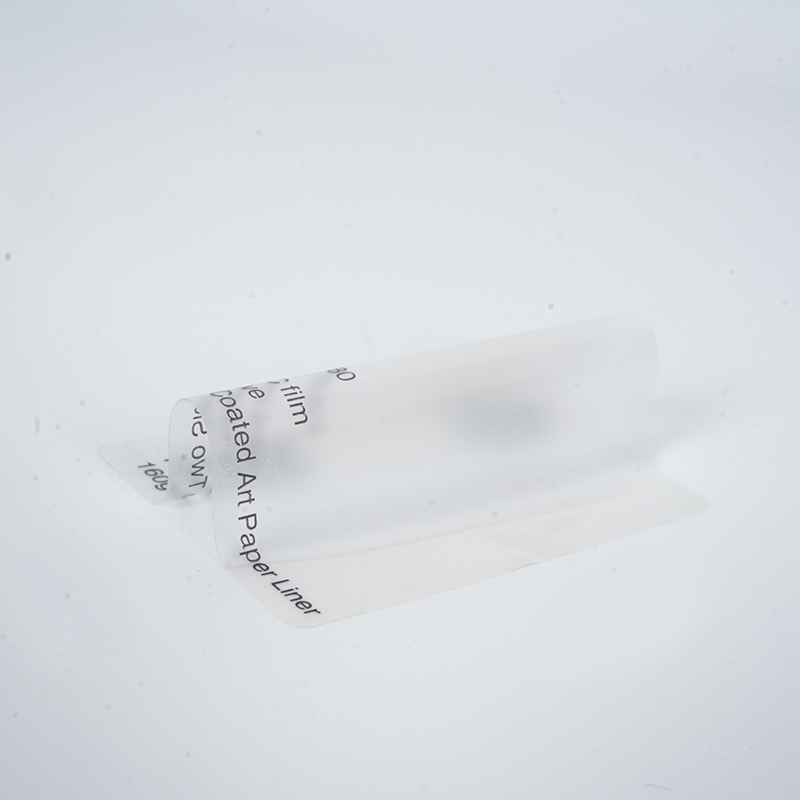
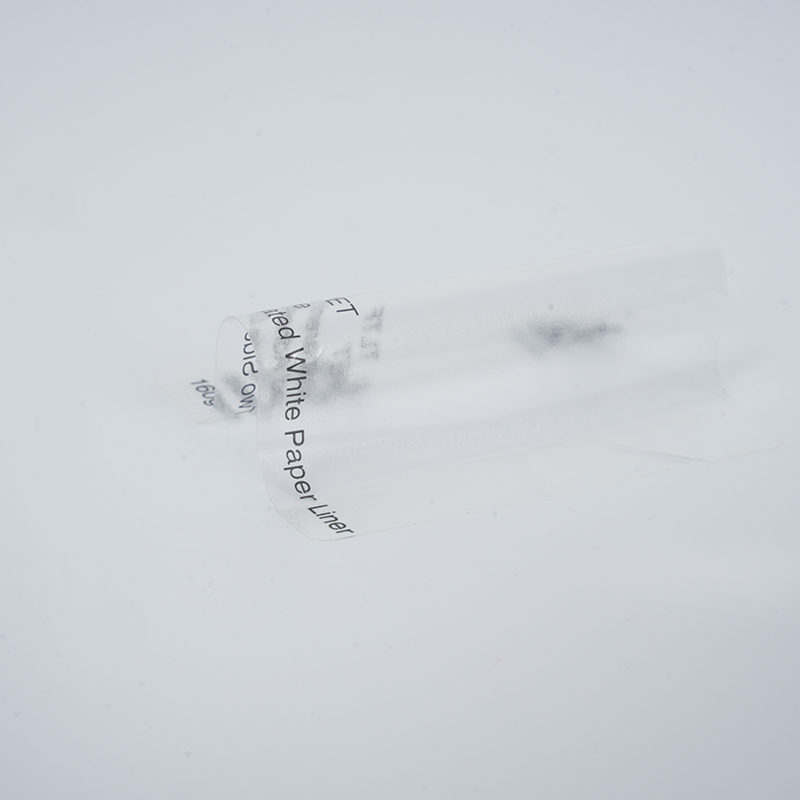
Self-adhesive film materials refer to composite structures consisting of a substrate layer coated with pressure-sensitive adhesive (PSA) and protected by a release liner. Once the liner is removed, the material can be bonded to various surfaces with light pressure, without requiring heat, water, or additional adhesive agents.
Typical characteristics include:
The global demand for self-adhesive film materials continues to rise due to their efficiency, cost-effectiveness, and adaptability in application engineering.
A standard self-adhesive film structure comprises three essential layers:
The substrate is the functional backbone determining stiffness, clarity, barrier level, durability, temperature resistance, and print compatibility. Common choices include:
| Substrate Type | Key Features | Typical Applications |
|---|---|---|
| PVC Film | Flexible, durable, good printability | Labels, decorative films, protective films |
| PET Film | High strength, dimensional stability | Industrial labeling, electronics, high-temperature applications |
| PP Film | Lightweight, chemical-resistant | Packaging labels, identification tags |
| PE Film | Soft, good conformability | Curved surfaces, flexible packaging |
| Specialty Films | Customized optical or mechanical properties | Automotive, electronics, architectural films |
Pressure-sensitive adhesives fall into three main categories:
Release liners protect the adhesive until use. Materials include:
Their selection impacts die-cutting stability, release force, and conversion efficiency.
Producing high-quality self-adhesive film materials requires precision coating, curing, laminating, and inspection technologies.
Thermal curing ensures adhesive uniformity and long-term bonding stability. UV-curing alternatives are used for high-speed manufacturing environments.
The multi-layer structure is combined under controlled pressure and temperature to ensure optical clarity and mechanical integrity.
Advanced slitting ensures edge smoothness, while rotary die-cutting allows conversion into complex shapes for industry-specific use.
Vision systems detect pinholes, thickness deviations, adhesive defects, and overall surface uniformity.
Assessing self-adhesive film materials involves a combination of mechanical, environmental, and adhesive performance metrics.
Evaluated against metal, glass, plastic, coated surfaces, textured substrates, and low-surface-energy materials.
Self-adhesive film materials are used in numerous high-demand sectors where performance, durability, and processing efficiency are essential.
High-temperature and chemical-resistant films support demanding industrial workflows.
These materials offer rapid installation and design flexibility.
Quality requirements in this sector emphasize stability under vibration and temperature cycling.
Miniaturization trends accelerate the need for ultra-thin, high-precision self-adhesive film materials.
When selecting a manufacturing partner, technical capability and quality assurance should be prioritized. Key considerations include:
Manufacturers must demonstrate stable mastery in adhesive formulation, substrate processing, and composite lamination.
Critical requirements:
A complete lab setup should cover:
High-demand sectors often require:
A reliable supplier provides responsive technical support regarding application scenarios, converting processes, and compatibility issues.
Below is a general comparison of core film materials used in self-adhesive structures:
| Film Type | Strength | Flexibility | Temperature Resistance | Typical Use Cases |
|---|---|---|---|---|
| PVC | Medium | High | Medium | Decorative films, labels |
| PET | High | Low | High | Electronics, industrial labels |
| PP | Medium | Medium | Medium | Food packaging, general labels |
| PE | Low | High | Low | Flexible packaging, curved surfaces |
| Specialty Films | Customizable | Customizable | High | Automotive, architectural films |
Self-adhesive film materials play a pivotal role in modern industrial workflows due to their versatility, performance stability, and compatibility with advanced fabrication processes. As industries continue to evolve—particularly electronics, packaging, automotive, and architecture—the need for innovative film structures and high-performance adhesive systems will grow.
They offer easy bonding, no additional adhesive requirements, processability, and wide adaptability across industries.
Yes, especially when using PET substrates or silicone-based adhesives designed for elevated temperatures.
Adhesive formulations can be tuned for higher tack, repositionability, or long-term bonding depending on the application.
Key influences include substrate properties, adhesive type, environmental exposure, and surface cleanliness before application.
Yes, solvent-free coatings, recyclable films, and bio-based substrates are becoming increasingly common in the industry.
+86-18018686956
+86-021-69171221
No.1218, Huiping Road, Nanxiang Town, Jiading District, Shanghai, China
Copyright © Shanghai Baozhongbao Adhesive Products Co., Ltd. All Rights Reserved. Wholesale Self Adhesive Label Sticker Factory