+86-18018686956
 [email protected]
 Language
 русский
 Español
 عربى
عربى Tiếng Việt

Inquiry
+86-18018686956
[email protected]
Language
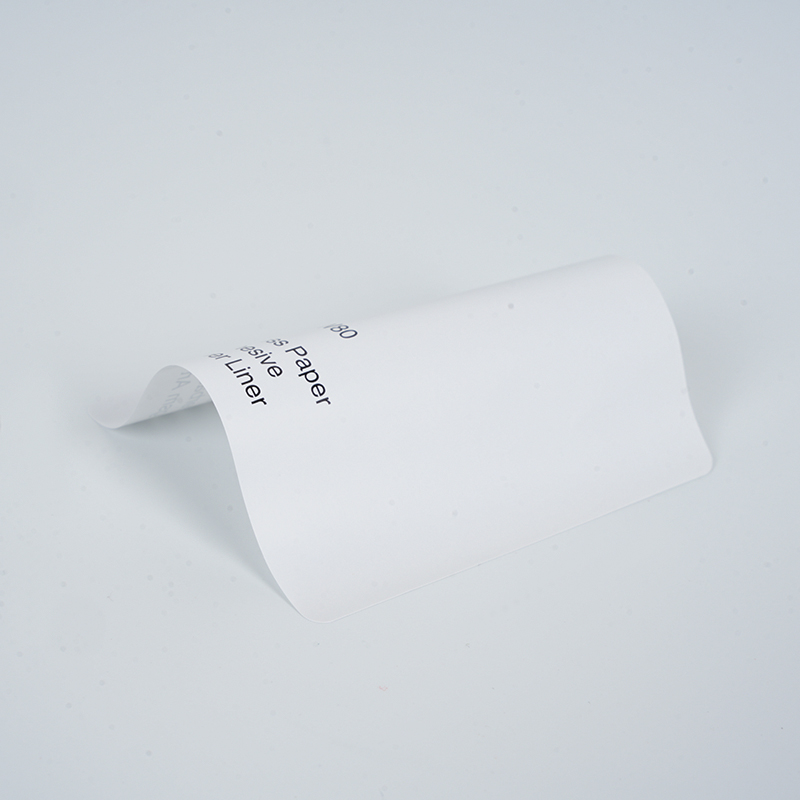
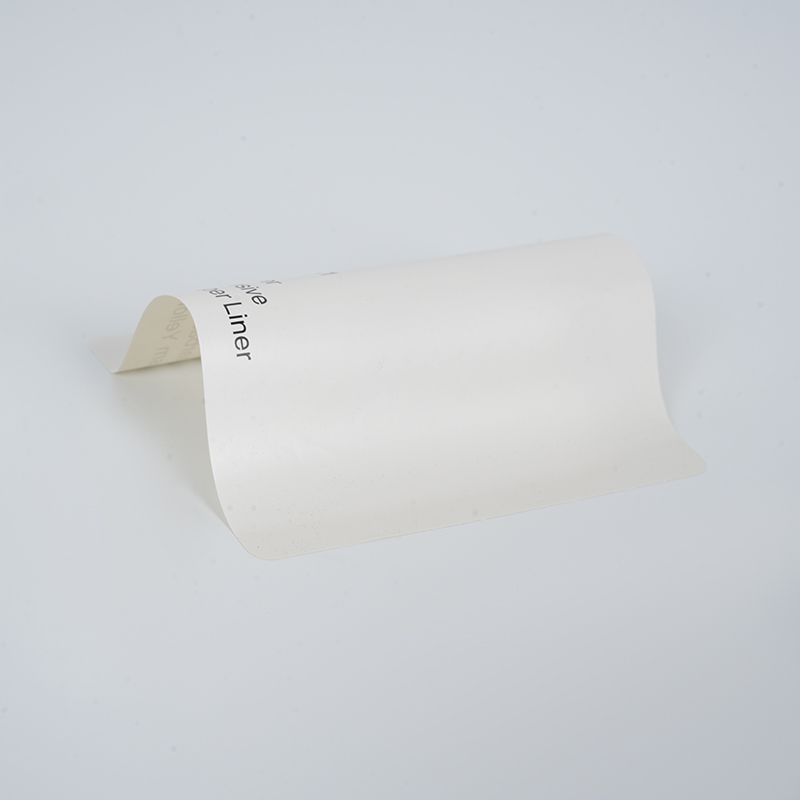
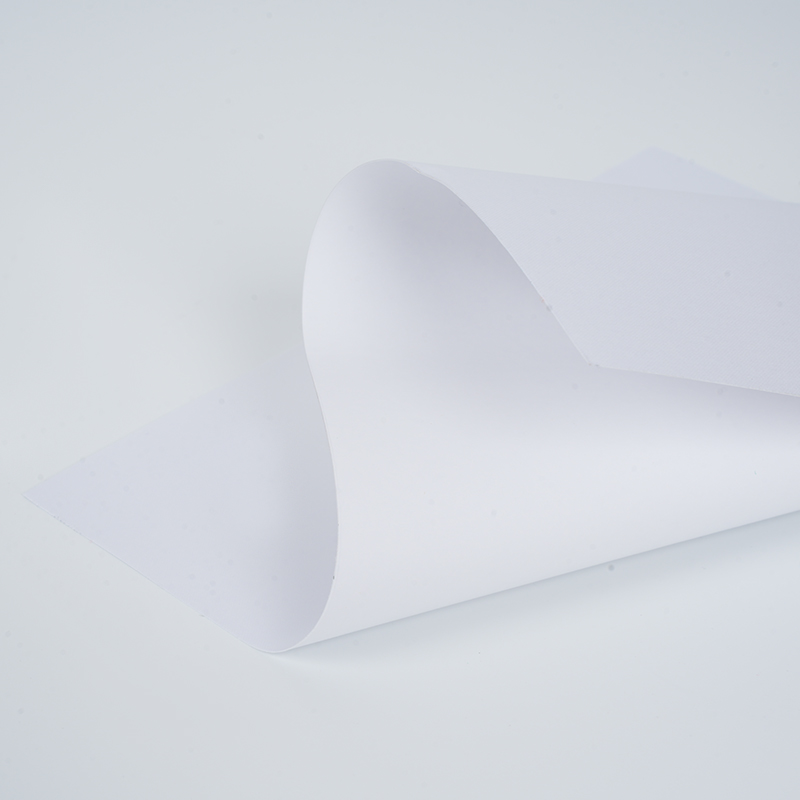
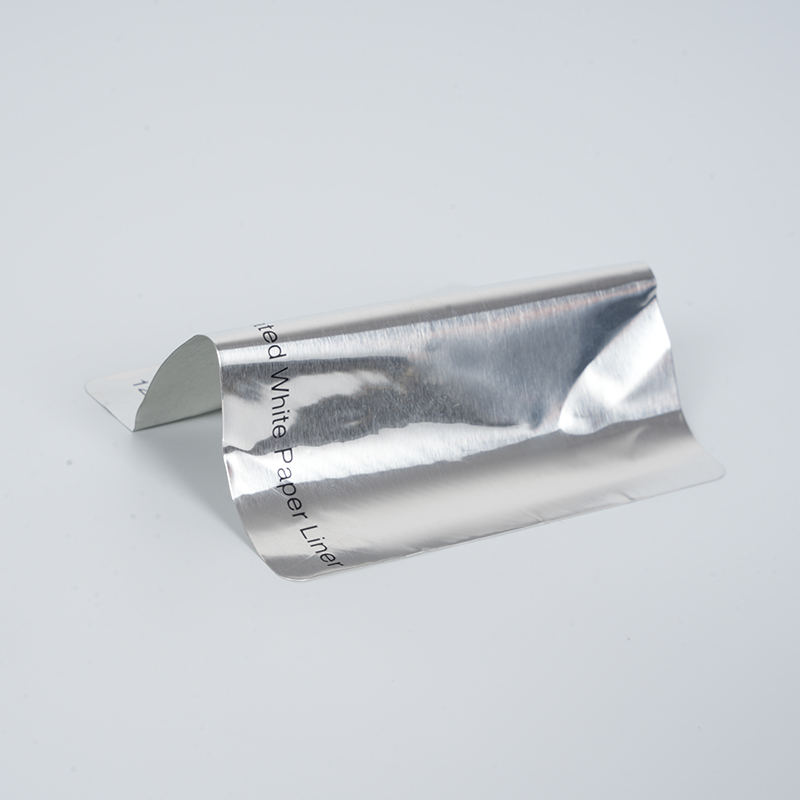
Cast coated paper, also known as glossy or mirror paper, is a unique type of paper that offers enhanced glossiness, providing an outstanding tactile and visual appeal. The surface of cast coated paper is treated with a fine layer of glossy powder coating, which gives it an exceptional shine. The result is a paper that reflects light in a way that mimics the twinkle of starlight, creating a captivating and high-end visual effect. This paper is predominantly used for premium applications, including greeting cards, invitations, art albums, and other printed materials requiring a refined appearance.
Cast coated paper is a specialized product in the paper industry, widely recognized for its high gloss and reflective quality. It is a form of paper that is coated using a process that results in a mirror-like finish, which enhances the appearance of printed graphics. Cast-coated paper can be used in various printing applications, especially where high-quality visuals and tactile sensations are essential.
The name “cast-coated” refers to the method by which the paper is coated with a glossy layer. The process involves applying a fine layer of coating to the paper and then using a highly polished surface (usually a metal plate) to ensure that the coating hardens in a smooth, glossy texture. This method ensures the paper has the desired shine and durability.
The primary materials involved in the production of cast-coated paper include:
The production of cast-coated paper involves several key steps:
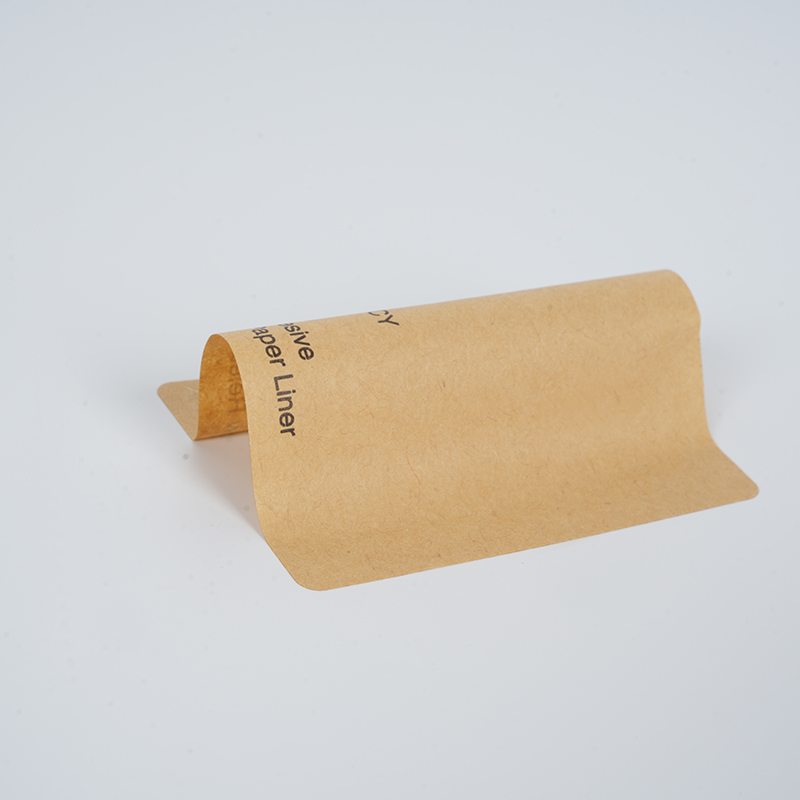
The step in the production of cast-coated paper is preparing the base paper. This involves selecting the appropriate paper weight and texture, which will serve as the foundation for the glossy coating. The base paper is usually made from a combination of wood pulp and other fibers to give it the necessary strength and durability.
Once the base paper is prepared, a layer of coating material is applied to its surface. This coating is typically a mixture of fine pigments and resins. The coating is spread evenly across the surface of the paper, ensuring a smooth, even layer that will provide the desired gloss.
After the coating has been applied, the paper is passed through a highly polished metal drum or plate, known as the “cast roll.” This process involves pressing the coated paper against the smooth surface of the drum, which creates the glossy, mirror-like finish. The paper is heated to ensure that the coating hardens and adheres to the surface of the paper.
Once the paper has been cast, it is allowed to cool and dry. This ensures that the coating hardens completely and that the paper maintains its glossy finish. The cooling process is essential to prevent the paper from becoming too soft or losing its shine.
After the paper has cooled, it undergoes a series of finishing processes, including trimming and cutting, to ensure that the paper is the correct size and shape for its intended use. Additional quality control measures are also performed to check for any defects in the coating or texture.
The production of cast-coated paper results in several advantages that make it a preferred choice for premium applications:
Cast-coated paper is renowned for its high gloss finish, which gives it a mirror-like shine. This makes it a choice for printing materials that require vibrant colors and detailed images. The reflective surface of cast-coated paper enhances the visual appeal of printed content, making it stand out.
The smooth, even surface of cast-coated paper makes it ideal for high-quality printing. The fine coating ensures that ink is absorbed evenly, resulting in sharp, vivid images and text. This makes cast-coated paper particularly suitable for applications such as brochures, catalogs, and art books, where print quality is paramount.
Cast-coated paper is known for its durability and rigidity. The coating gives the paper a level of thickness and stiffness that helps it withstand handling and wear over time. This makes it a great choice for greeting cards, invitations, and packaging materials that need to maintain their structure and appearance.
Cast-coated paper has a tactile appeal that is difficult to replicate with other types of paper. The smooth, glossy finish offers a luxurious feel, making it ideal for applications that require an upscale look and feel, such as high-end packaging, premium stationery, and art prints.
Cast-coated paper is used in a variety of high-end applications. Some common uses include:
While the production of cast-coated paper offers many benefits, it also comes with certain challenges:
1. What is the main difference between cast-coated paper and regular glossy paper?
Cast-coated paper has a mirror-like finish created by pressing the paper against a polished surface during the coating process, resulting in a more pronounced shine compared to regular glossy paper.
2. Can cast-coated paper be used for all types of printing?
While cast-coated paper is ideal for high-quality printing applications, it may not be suitable for all types of printing. It is for projects that require vivid colors, sharp images, and a luxurious finish.
3. Is cast-coated paper environmentally friendly?
The production of cast-coated paper does involve the use of chemicals and energy. However, many manufacturers are adopting more sustainable practices to reduce its environmental impact.
4. What are the uses for cast-coated paper?
Cast-coated paper is commonly used for premium applications such as greeting cards, invitations, art albums, photography prints, and high-end packaging.
5. Is cast-coated paper more expensive than other types of paper?
Yes, the production of cast-coated paper is more complex, which can make it more expensive than other types of paper. However, its premium finish justifies the higher cost for specific applications.
+86-18018686956
+86-021-69171221
No.1218, Huiping Road, Nanxiang Town, Jiading District, Shanghai, China
Copyright © Shanghai Baozhongbao Adhesive Products Co., Ltd. All Rights Reserved. Wholesale Self Adhesive Label Sticker Factory