+86-18018686956
 [email protected]
 Language
 русский
 Español
 عربى
عربى Tiếng Việt

Inquiry
+86-18018686956
[email protected]
Language
Self-adhesive paper materials are widely used in various industries for applications ranging from packaging and labeling to artistic and decorative purposes. These materials offer convenience, efficiency, and flexibility in many processes, but choosing the right self-adhesive paper material for a specific application can be a daunting task. With various options available in the market, it’s essential to understand the factors that determine which type of self-adhesive paper material suits your needs.
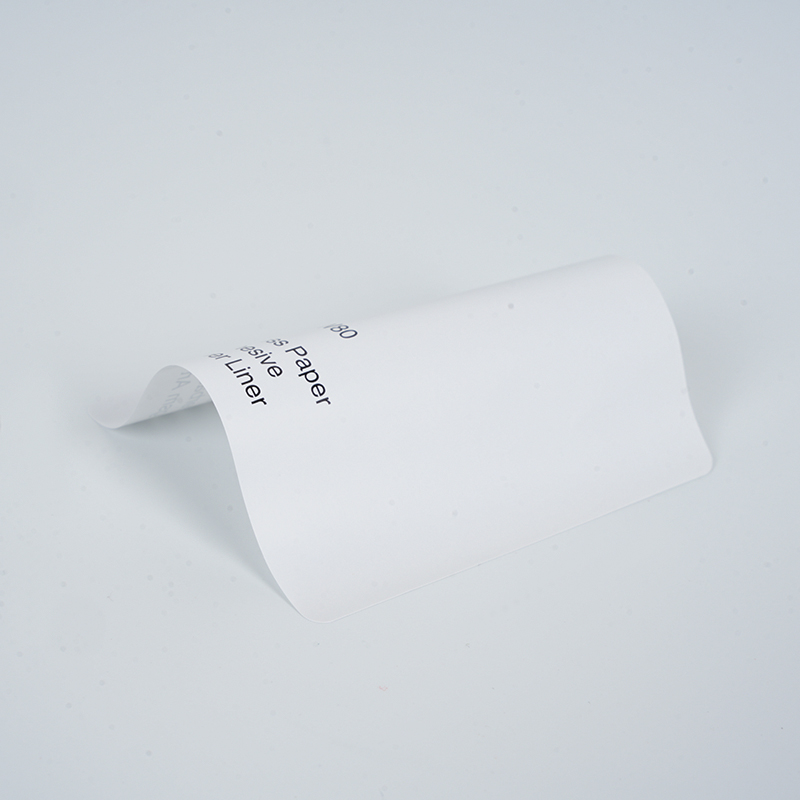
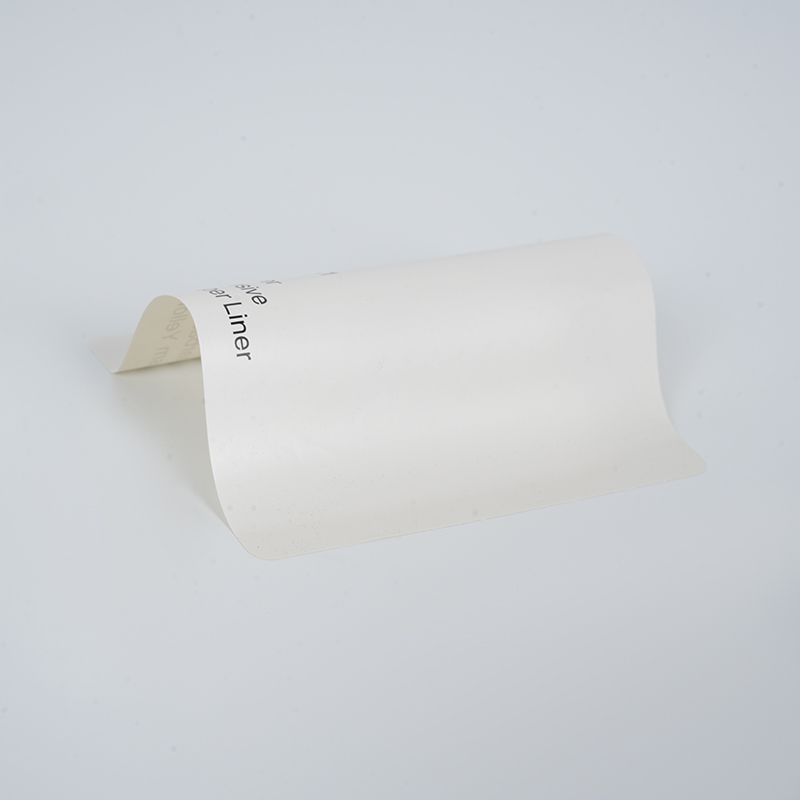
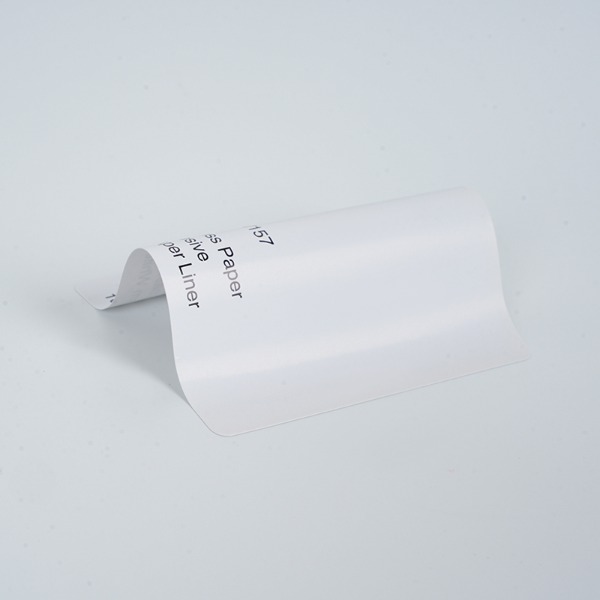
Self-adhesive paper materials are sheets of paper that come with an adhesive backing, allowing them to stick to surfaces without the need for additional adhesives. These materials are commonly used in labeling, packaging, crafts, and various industrial applications. They come in different forms, such as printable, writable, or decorative sheets, and can be easily cut to the desired shape or size.
The adhesive used in these materials can vary depending on the application. Some are permanent, offering long-lasting adhesion, while others are removable or repositionable, allowing for flexibility in their use. The base material is usually a type of paper, such as coated paper, kraft paper, or synthetic paper, with the adhesive applied to one side.
One of the primary factors to consider when choosing self-adhesive paper materials is the strength of the adhesive. Depending on your application, you may require a stronger or weaker adhesive. For instance:
Self-adhesive paper materials should be selected based on the surface they will be applied to. Different types of paper and adhesives adhere better to specific surfaces. Some materials are designed to bond well with smooth, flat surfaces, while others are more suitable for rough or textured surfaces. Understanding your application’s surface type is crucial to ensuring the paper material adheres properly without peeling off prematurely.
The environmental conditions in which the self-adhesive paper will be used also play a significant role in material selection. Factors such as exposure to moisture, UV rays, and abrasion can affect the longevity of the adhesive. For example:
The thickness and texture of the self-adhesive paper material can influence its performance and appearance. Thicker papers may offer more durability and a premium look, while thinner papers are often more flexible and can be used for intricate designs. Consider the following:
If your application involves printing, you’ll need to ensure that the self-adhesive paper material is compatible with the type of printing technology you intend to use. Some self-adhesive papers are designed specifically for inkjet or laser printers, while others are suited for offset printing or screen printing. Make sure to check the material’s compatibility with your printing method for results.
There are several types of self-adhesive paper materials available, each suited to different applications. Here are some common types:
| Type of Material | Description | Best Use |
|---|---|---|
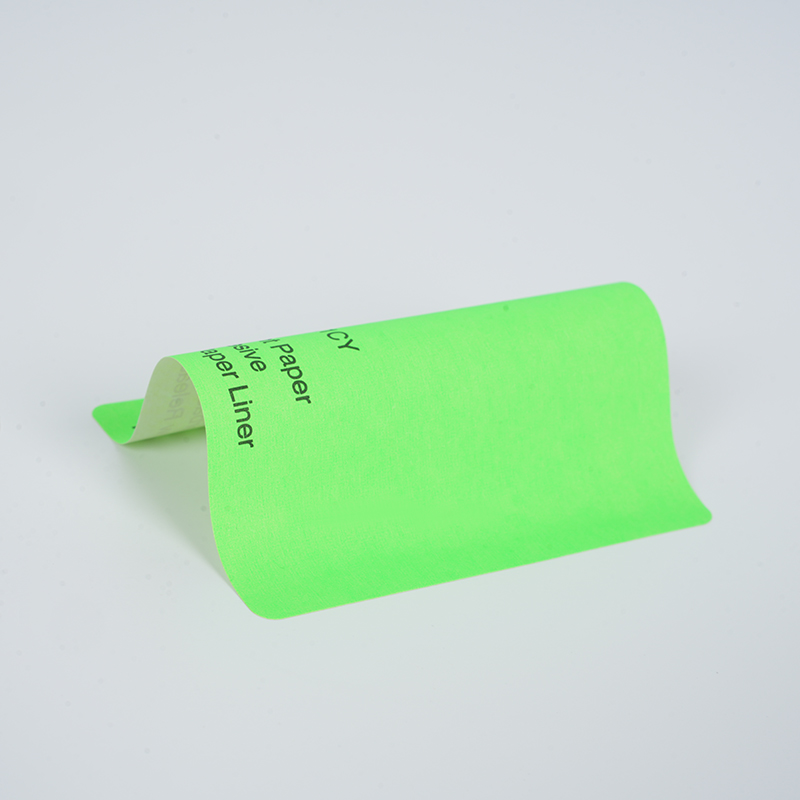
| Glossy Paper | Shiny surface, ideal for vibrant colors and clear prints. | Labels, promotional materials, product packaging. |
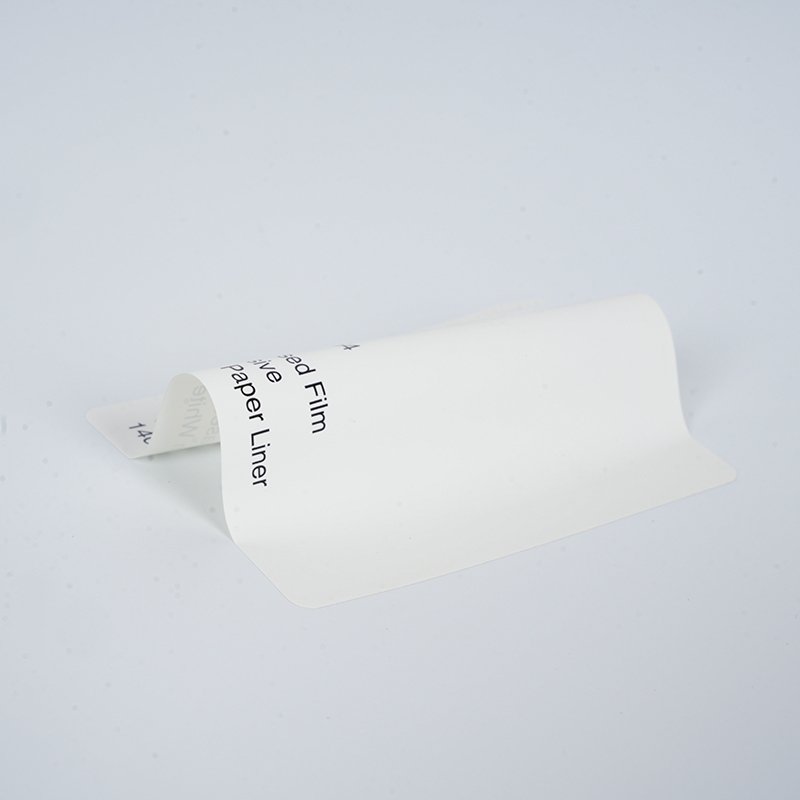
| Matte Paper | Non-reflective, elegant finish. | High-end packaging, business cards, and stationery. |
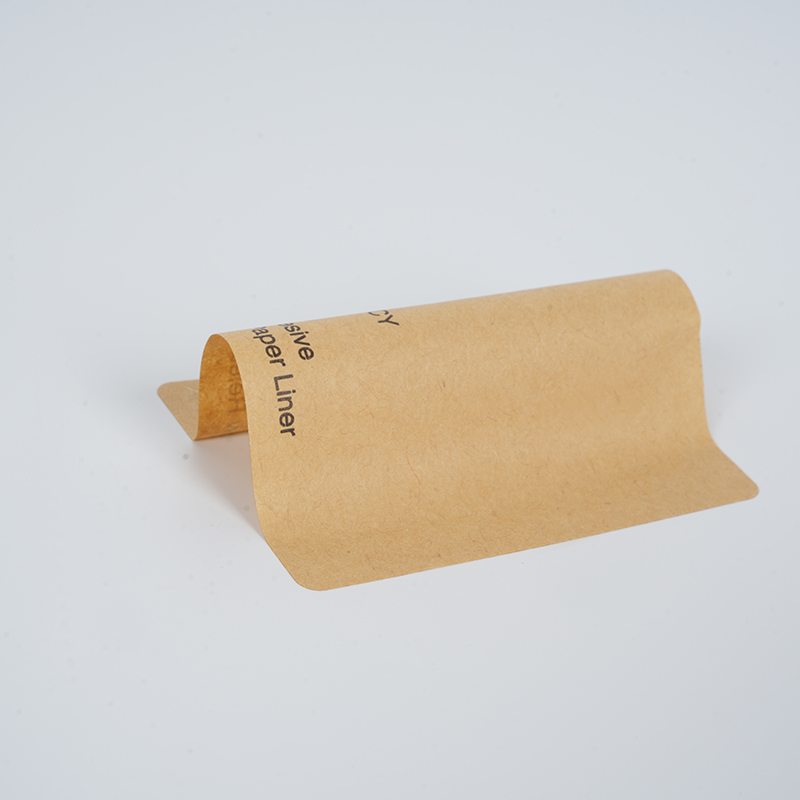
| Kraft Paper | Brown, rustic paper that gives a vintage feel. | Eco-friendly packaging, crafting, rustic branding. |
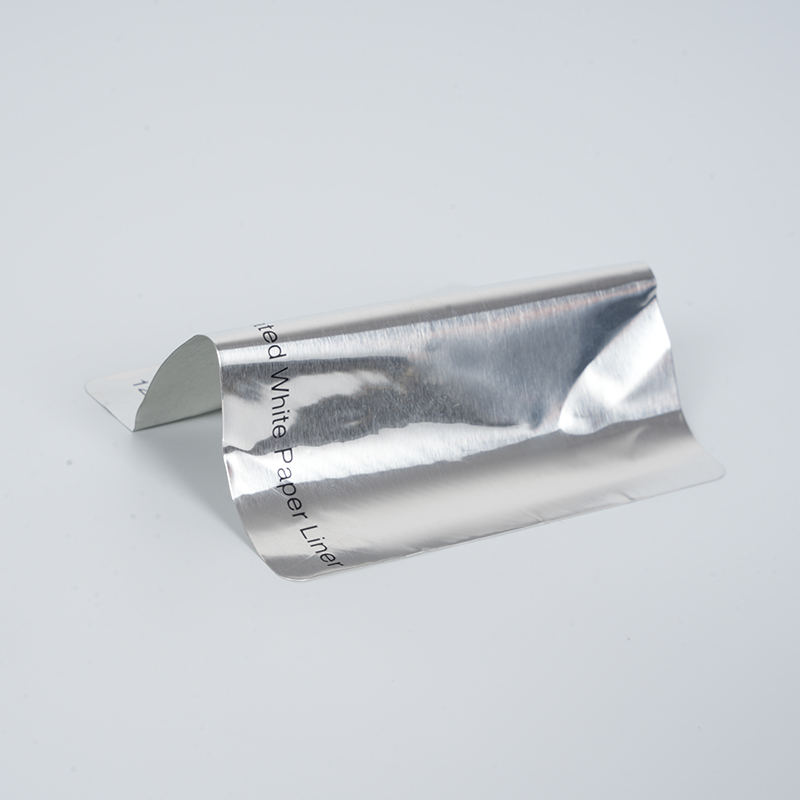
| Synthetic Paper | Waterproof and durable material often made from polypropylene or polyester. | Outdoor labeling, waterproof tags, durable packaging. |
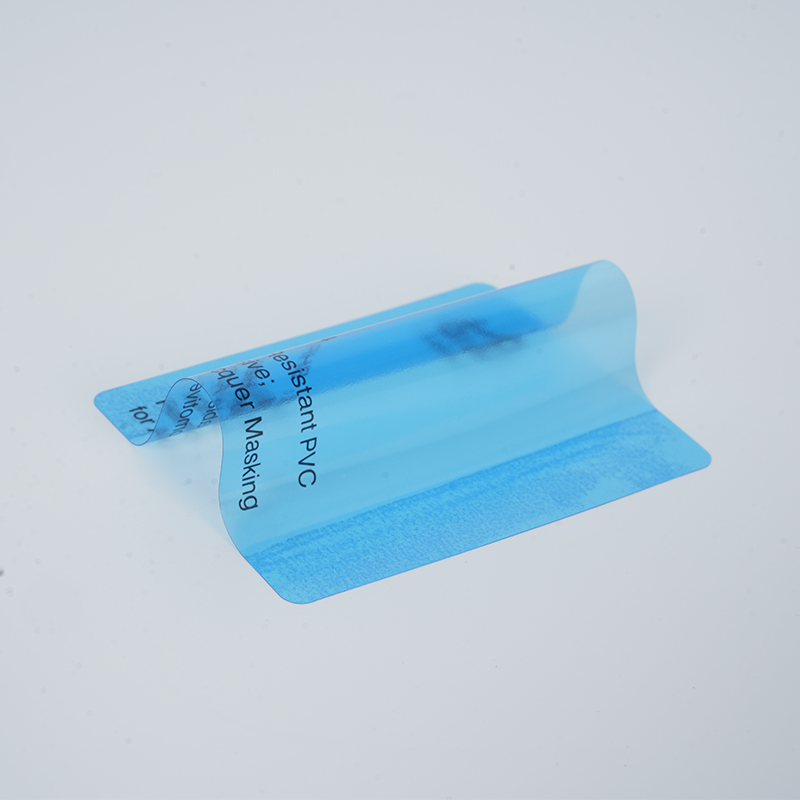
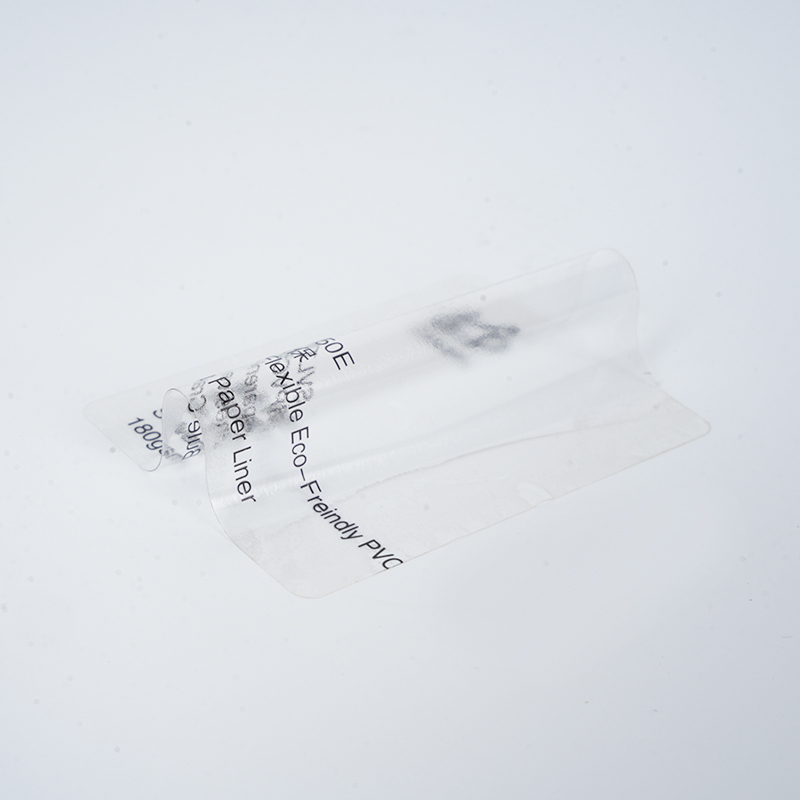
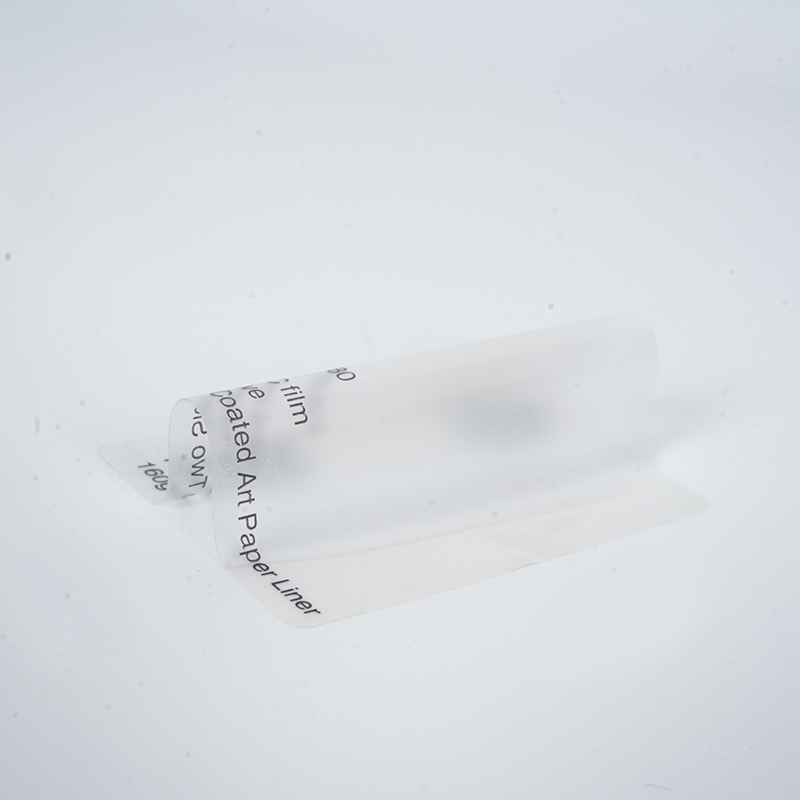
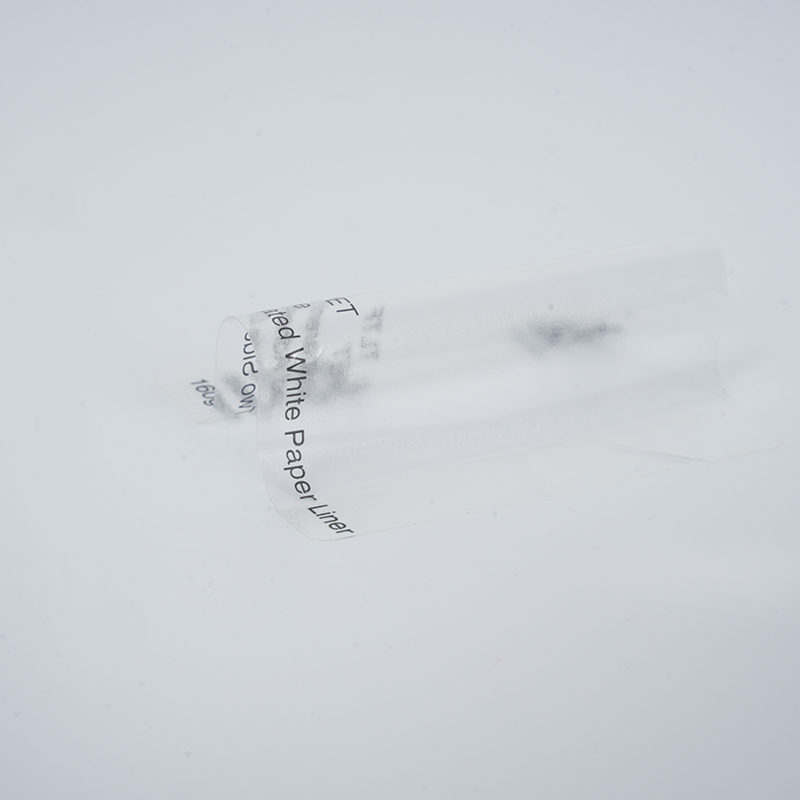
| Transparent Paper | Semi-transparent or clear material. | Window decals, transparent stickers, decorative purposes. |
| Security Paper | Paper with tamper-proof features or special inks for security purposes. | Security labels, anti-counterfeiting. |
Self-adhesive paper materials have a wide range of applications across industries. Some of the common include:
Packaging and Branding: Custom labels, packaging stickers, and logos for products. The right adhesive paper can give your packaging a professional, cohesive look.
Crafts and DIY Projects: Self-adhesive paper materials are commonly used in scrapbooking, card-making, and other creative projects. Their versatility makes them a favorite for artists and hobbyists.
Industrial Applications: In manufacturing and warehousing, self-adhesive paper is used for labeling inventory, tools, and equipment, making it easy to track and manage assets.
Office and Business Use: Self-adhesive papers are widely used for file labeling, creating signage, or marking important documents.
Outdoor Applications: Certain self-adhesive papers are designed for durability in outdoor environments, such as for labeling products or creating weather-resistant signage.
To ensure the self-adhesive paper material you choose performs as expected, consider these factors:
Proper Surface Preparation: Ensure the surface to which the paper will adhere is clean, dry, and free from dust or oil.
Environmental Exposure: Choose a material with appropriate resistance to environmental factors like moisture, heat, or sunlight.
Storage Conditions: Store the self-adhesive paper in a cool, dry environment to prevent premature aging of the adhesive.
Selecting the right self-adhesive paper material is crucial to ensuring the success of your application, whether it’s for product labeling, crafts, or industrial uses. By understanding the key factors such as adhesive strength, surface compatibility, durability, thickness, and printability, you can make an informed decision that enhances both functionality and aesthetics.
Q1: What is the difference between permanent and removable self-adhesive paper materials?
A1: Permanent self-adhesive paper materials provide long-lasting adhesion and are ideal for applications where the label needs to stay in place. Removable materials, on the other hand, allow for easy removal without leaving residue, making them for temporary labeling or repositioning.
Q2: Can self-adhesive paper be used for outdoor applications?
A2: Yes, but it’s important to choose a waterproof or UV-resistant material for outdoor use to ensure the adhesive remains strong and the paper doesn’t degrade when exposed to the elements.
Q3: Can I print on self-adhesive paper?
A3: Most self-adhesive papers are compatible with inkjet and laser printers. However, it’s important to check the specific material’s printability before using it with your printer to ensure results.
Q4: How do I remove self-adhesive paper without leaving residue?
A4: To remove self-adhesive paper without leaving residue, use a material with a removable adhesive. It is also important to peel it slowly and carefully, especially if the adhesive has been exposed to heat or moisture.
+86-18018686956
+86-021-69171221
No.1218, Huiping Road, Nanxiang Town, Jiading District, Shanghai, China
Copyright © Shanghai Baozhongbao Adhesive Products Co., Ltd. All Rights Reserved. Wholesale Self Adhesive Label Sticker Factory