+86-18018686956
 [email protected]
 Language
 русский
 Español
 عربى
عربى Tiếng Việt

Inquiry
+86-18018686956
[email protected]
Language
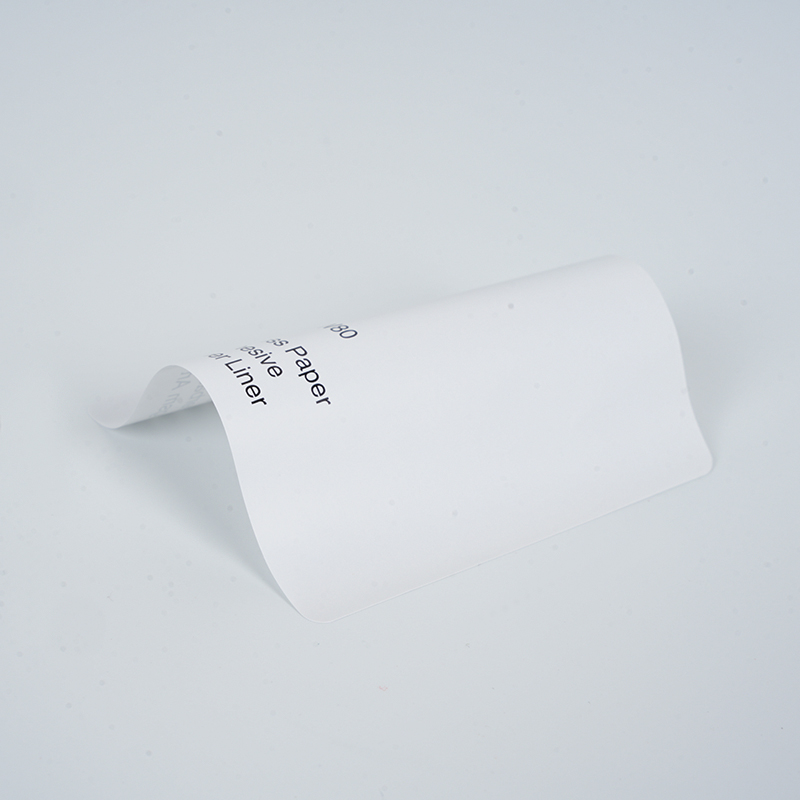
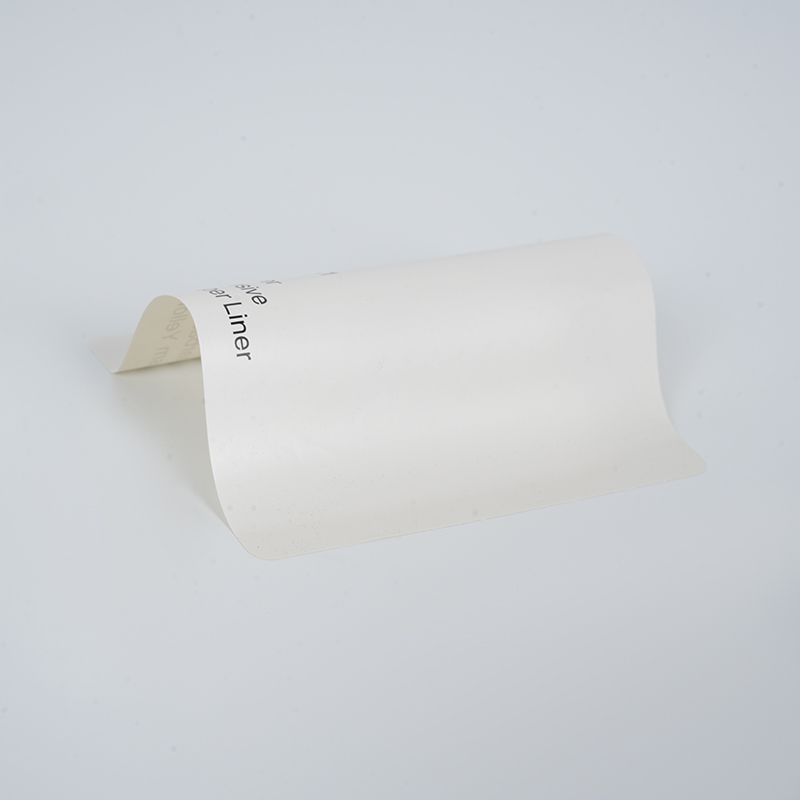
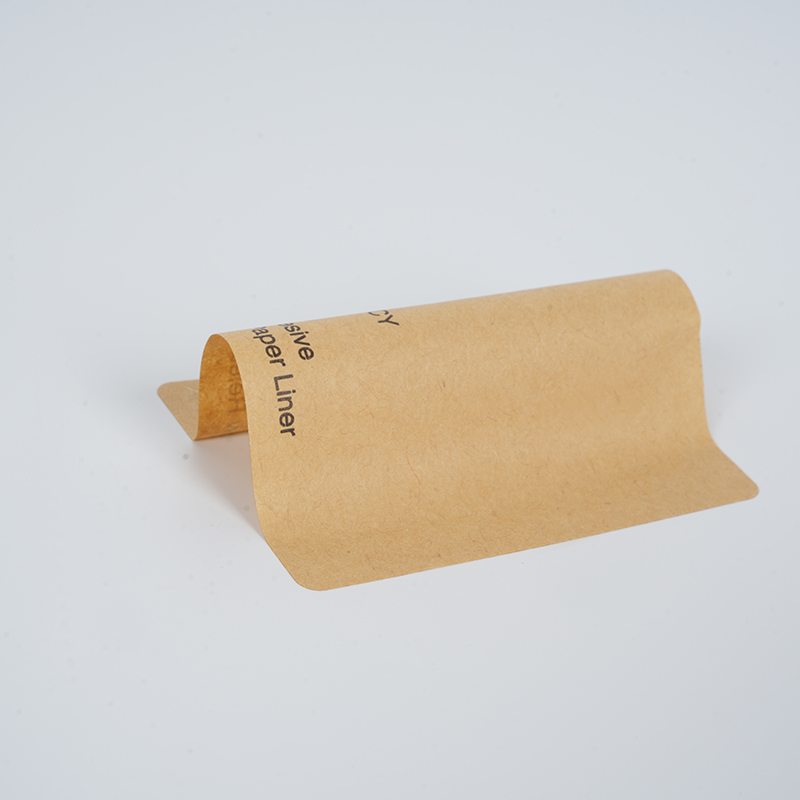
In the modern industrial landscape, self-adhesive film materials have emerged as crucial components in various sectors, ranging from packaging and labeling to automotive and medical industries. With their robust features, such as adhesion, resistance to environmental factors, and versatility in application, these materials offer a unique solution to many industrial challenges.
Self-adhesive film materials are an essential part of the modern manufacturing and packaging industries. They are commonly used for labeling, protection, and decoration purposes across a broad spectrum of products. The self-adhesive property allows them to bond firmly to various surfaces without the need for additional adhesives, which ensures convenience and durability. As industries continue to innovate and demand higher levels of performance, the development of these materials has led to a rise in their use across different sectors.
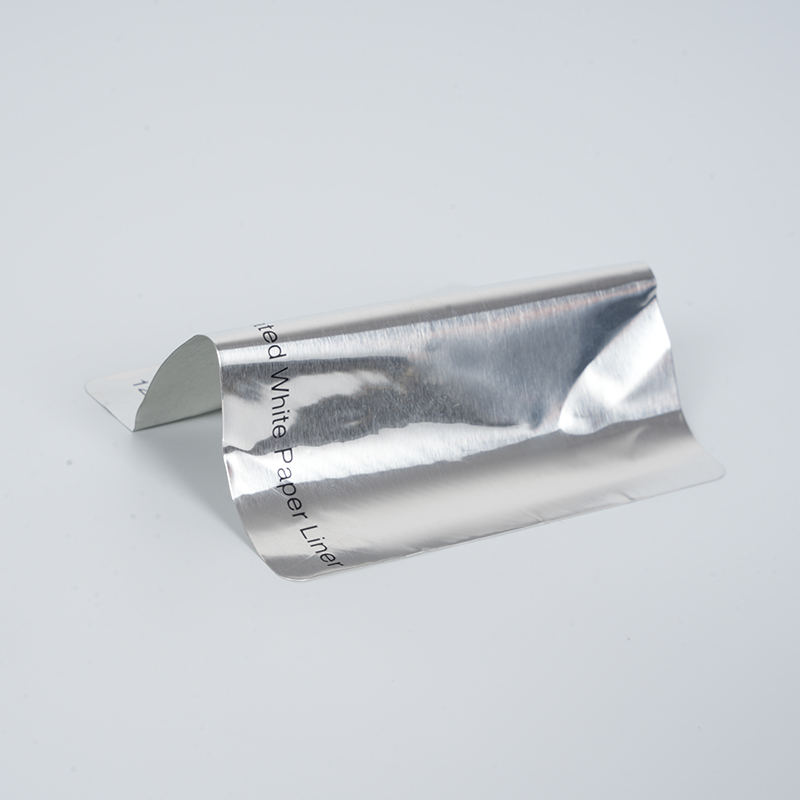
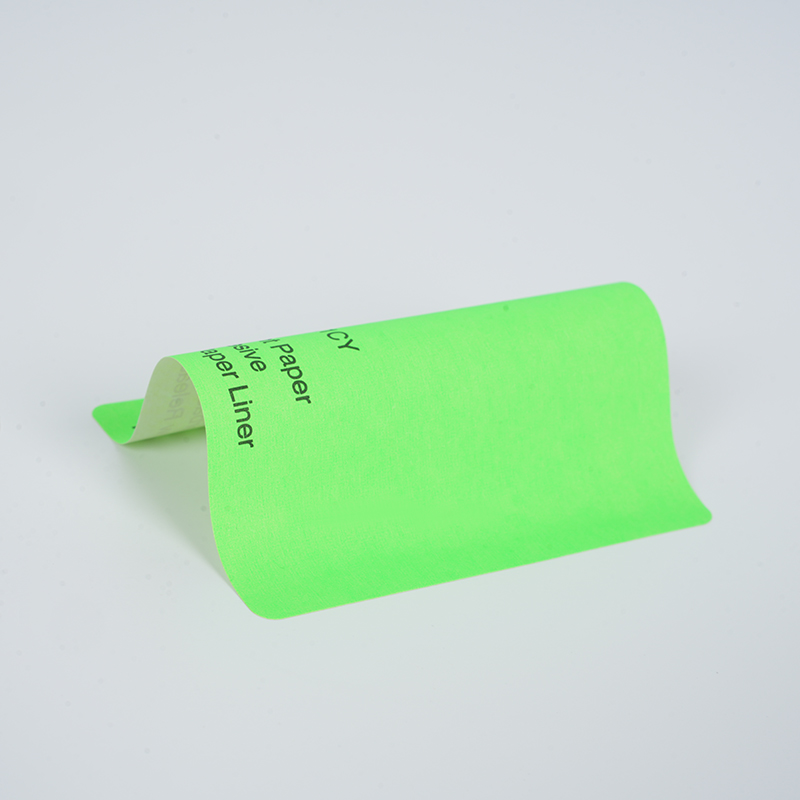
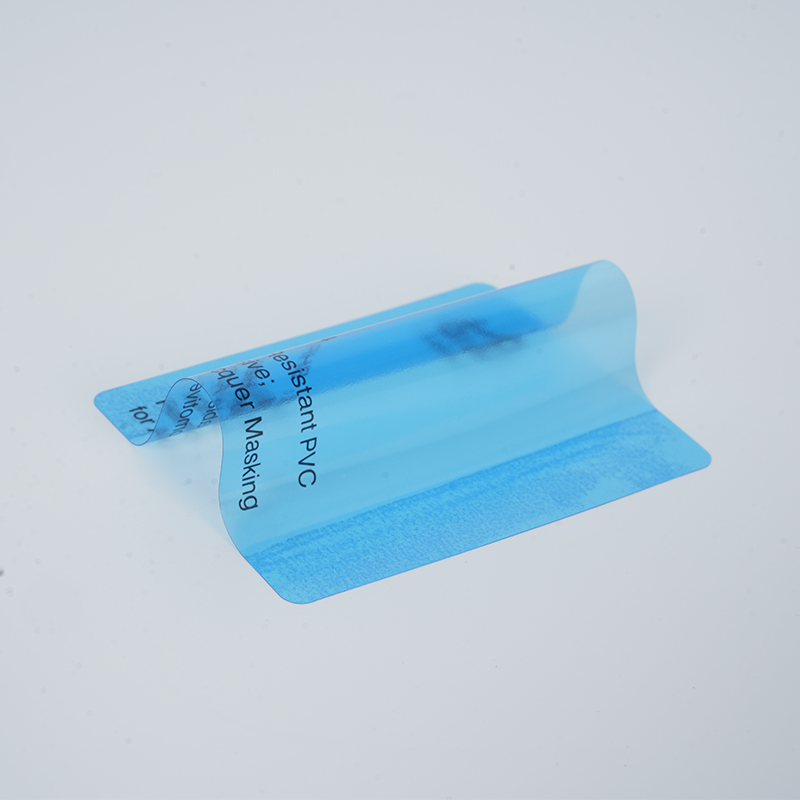
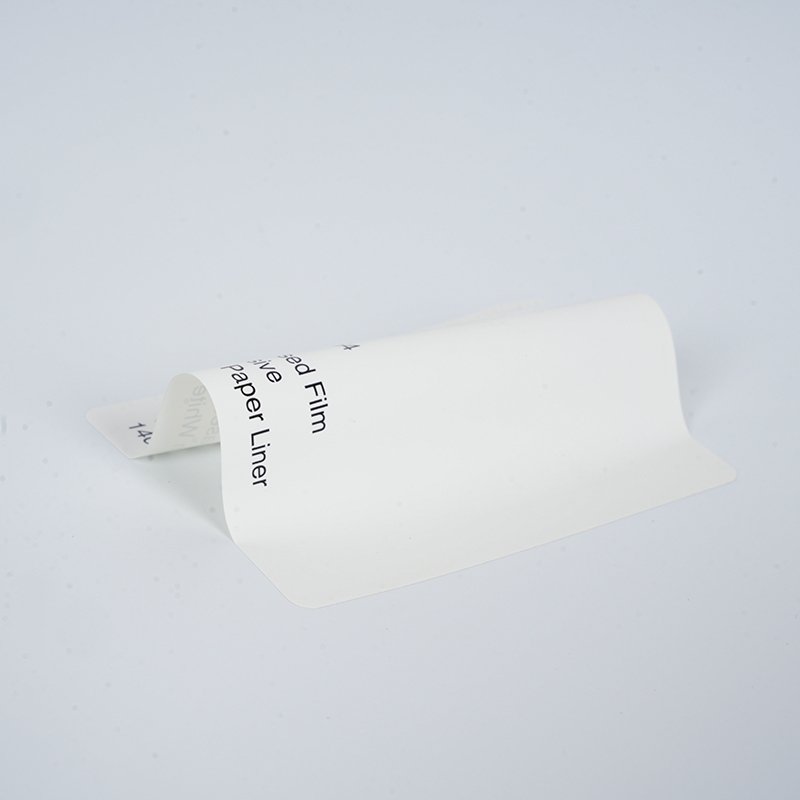
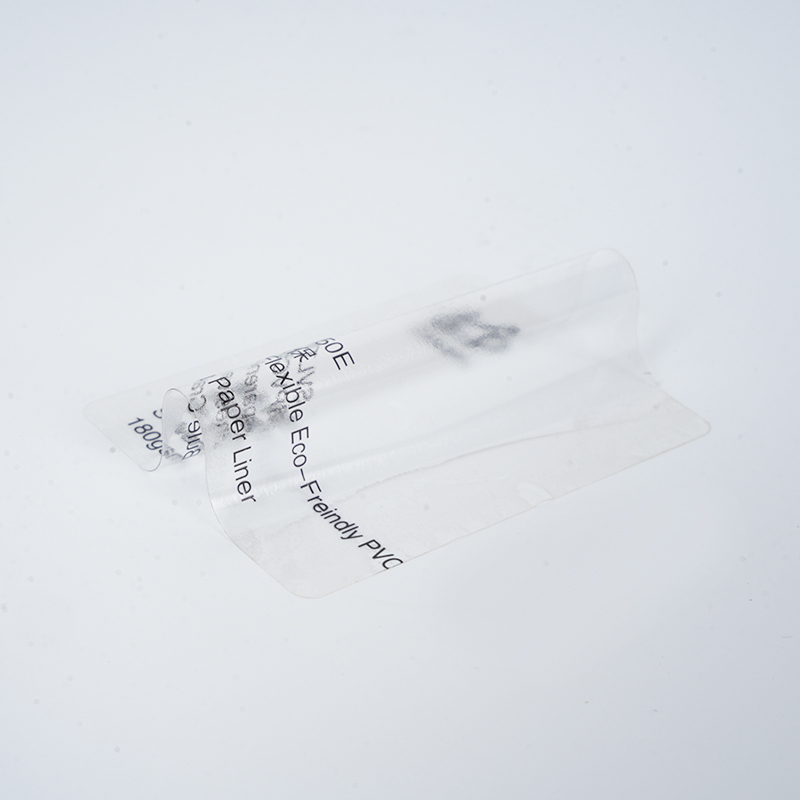
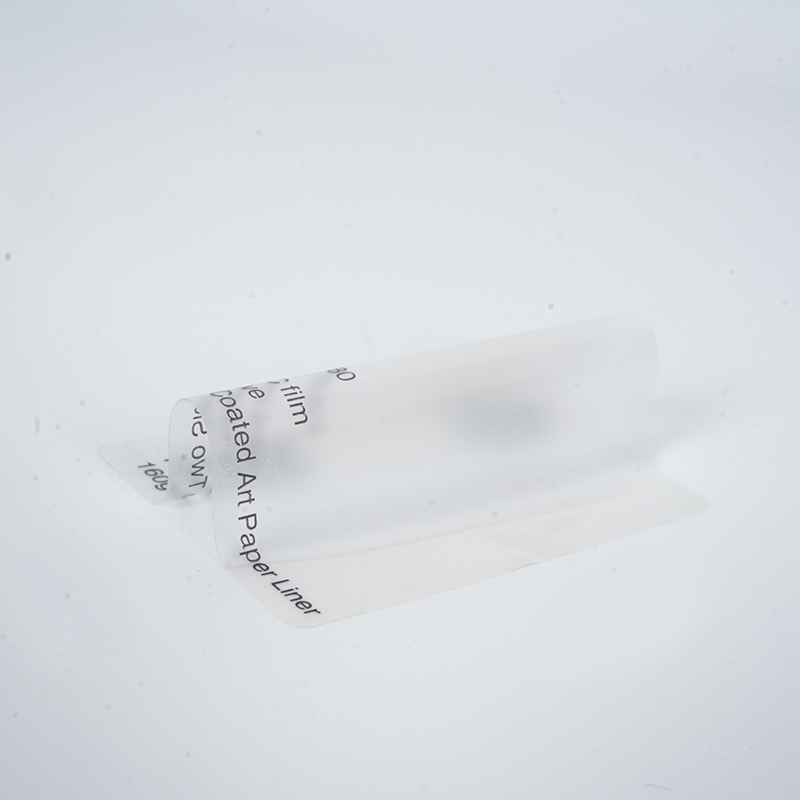
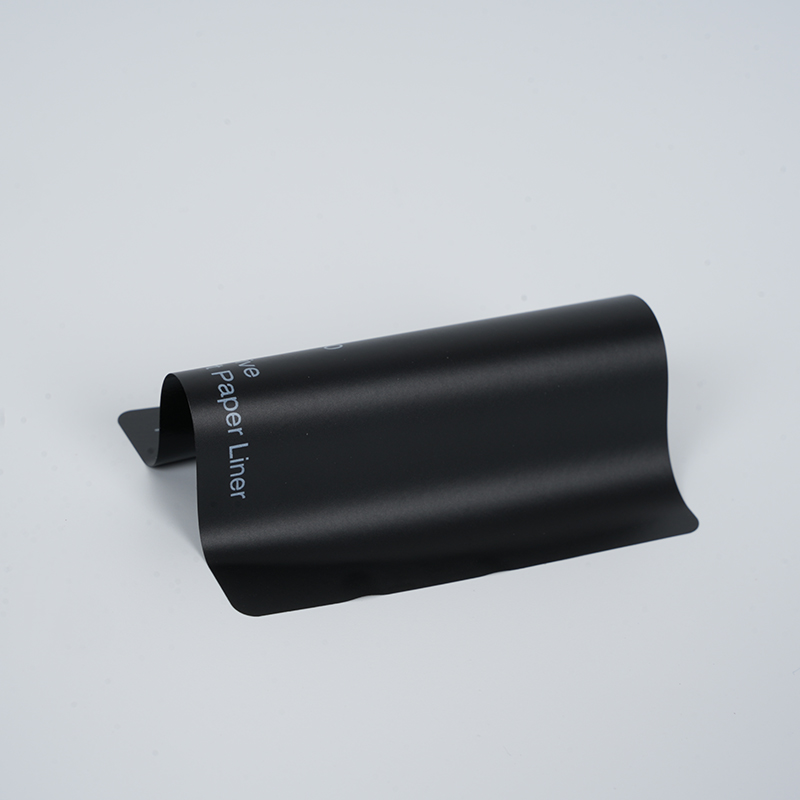
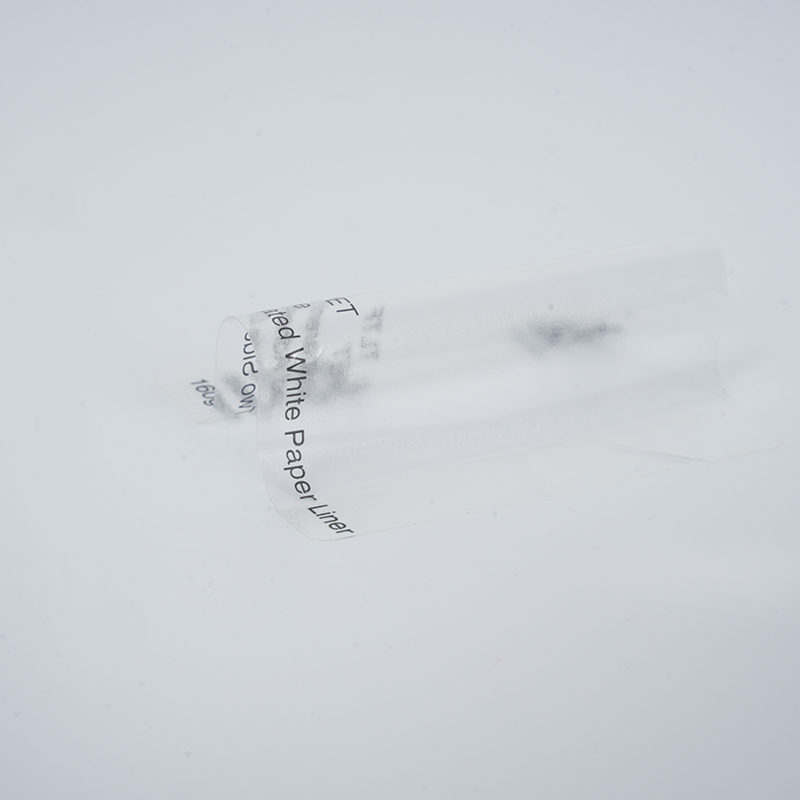
There are four primary types of self-adhesive film materials used in industrial applications:
These materials cater to various performance requirements, making them a valuable asset for different industries.
One of the significant advantages of self-adhesive film materials is their durability. These materials are designed to withstand harsh environmental conditions such as high temperatures, UV exposure, moisture, and abrasion. For example, high-temperature resistant PVC self-adhesives are ideal for industrial settings where heat resistance is critical, such as in automotive manufacturing or equipment exposed to conditions.
Self-adhesive films offer exceptional flexibility, making them suitable for a wide range of applications. They can be easily applied to various substrates, including metal, plastic, glass, and wood. Their versatility allows industries to use them for labeling, product protection, and decorative purposes.
PP materials, for example, are highly resistant to chemicals and water, making them ideal for packaging in industries such as food, pharmaceuticals, and chemicals. These films provide protection against corrosive substances and moisture, ensuring that the product remains intact throughout its lifecycle.
Ordinary PVC films are a cost-effective solution for labeling and packaging in industries where high-performance materials are not necessary. Despite their affordability, these films still provide good adhesion and durability, making them suitable for applications that do not require exposure to conditions.
Self-adhesive films play a crucial role in the packaging sector, offering labeling and protection for products. They are widely used for product branding, packaging seals, and barcodes, providing a strong adhesive bond without compromising the integrity of the packaging.
In the food industry, where hygiene and safety are critical, self-adhesive films ensure that packaging remains intact, protecting the contents from external contaminants and preserving freshness. These films are also used in pharmaceutical packaging to label drug containers, offering durability and clarity for important product information.
The automotive industry benefits significantly from self-adhesive film materials, particularly in the form of high-temperature resistant PVC and PET films. These materials are used for labeling components, protective coatings, and even decorative elements such as vehicle wraps. The durability and heat resistance of these films ensure they can withstand harsh conditions, including exposure to engine heat, UV rays, and road chemicals.
In the medical field, self-adhesive films are used for various purposes, including surgical drapes, wound care, and medical labeling. These films offer a sterile, adhesive solution for medical devices and products, ensuring that they remain safe and intact during use. Additionally, their resistance to moisture and chemicals makes them ideal for use in medical environments.
Self-adhesive films also have applications in agricultural sectors, particularly in machinery used for animal feed production. For example, feed grinding machines and animal feed grinding machines often incorporate self-adhesive films to enhance the durability of key components. These films protect against wear and tear caused by dust, moisture, and chemicals, ensuring that the machines continue to operate efficiently and with minimal downtime.
In the animal feed industry, self-adhesive films can also be used for labeling bags and containers of animal feed, providing important product information while ensuring that the packaging remains intact and durable in various storage conditions.
| Material Type | Key Features | Applications | Advantages |
|---|---|---|---|
| High-Temperature PVC | Heat resistance, durable, high adhesion | Automotive, industrial machinery, labeling | Withstands high temperatures, long-lasting |
| Polypropylene (PP) | Chemical resistance, water resistance, tear-resistant | Packaging, food industry, pharmaceutical | Resistant to moisture and chemicals |
| Ordinary PVC | Cost-effective, versatile, easy to apply | General labeling, packaging, retail | Affordable, suitable for low-heat environments |
| Polyester (PET) | Mechanical properties, transparency, temperature resistance | Electronics, automotive, medical packaging | Strong and clear, resistant to UV and temperature |
Self-adhesive film materials are indispensable in numerous industries, offering unique properties that enhance the durability, performance, and longevity of products and machinery. From high-temperature PVC used in automotive manufacturing to PP films in the food and chemical industries, these materials provide versatile and cost-effective solutions.
1. What are the main benefits of high-temperature resistant PVC in industrial applications?
High-temperature resistant PVC offers heat resistance, ensuring that it can withstand conditions without deforming or peeling. It is ideal for automotive and industrial machinery labeling.
2. Can polypropylene self-adhesive films be used in outdoor applications?
Yes, polypropylene films are highly resistant to UV exposure, moisture, and chemicals, making them suitable for outdoor applications, including packaging and labeling in harsh environments.
3. What makes PET films suitable for medical applications?
PET films offer exceptional transparency, mechanical properties, and resistance to temperature and moisture, making them an ideal choice for medical packaging and labeling, especially for sensitive products.
4. How do self-adhesive films contribute to animal feed grinding machine performance?
Self-adhesive films protect the components of feed grinding machines from environmental factors like dust and moisture, reducing wear and tear, and improving the machine’s longevity and performance.
5. Are ordinary PVC films suitable for high-temperature environments?
Ordinary PVC films are generally not recommended for high-temperature applications as they may deform. For such conditions, high-temperature resistant PVC or PET films are better options.
+86-18018686956
+86-021-69171221
No.1218, Huiping Road, Nanxiang Town, Jiading District, Shanghai, China
Copyright © Shanghai Baozhongbao Adhesive Products Co., Ltd. All Rights Reserved. Wholesale Self Adhesive Label Sticker Factory