+86-18018686956
 [email protected]
 Language
 русский
 Español
 عربى
عربى Tiếng Việt

Inquiry
+86-18018686956
[email protected]
Language
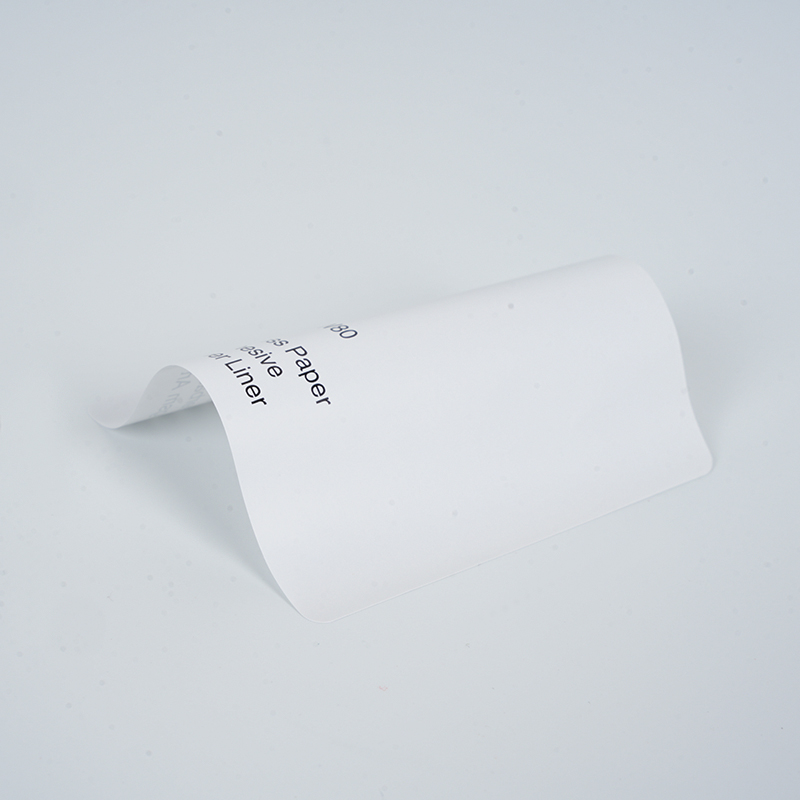
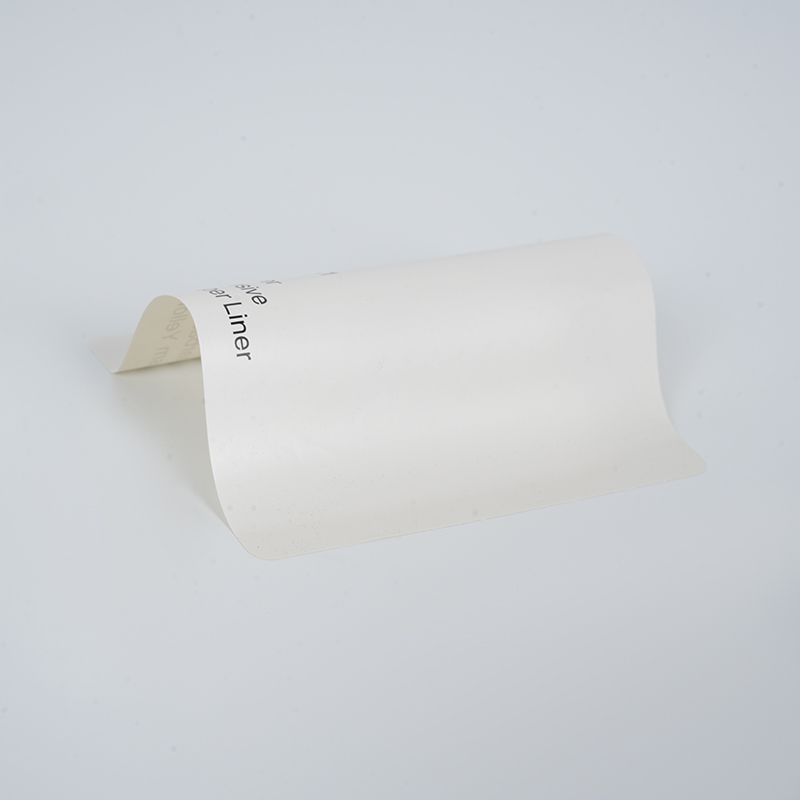
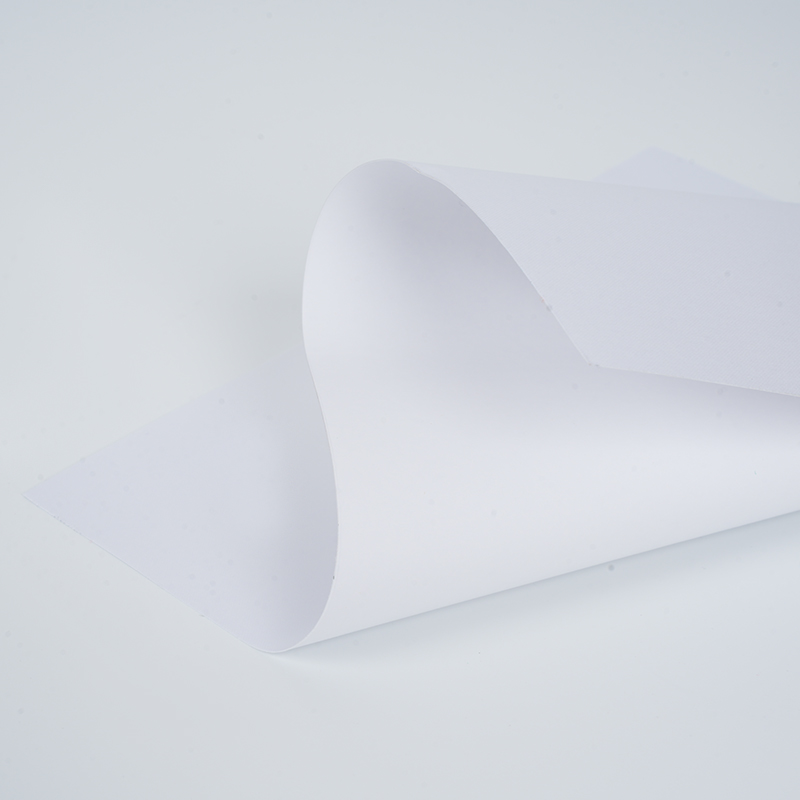
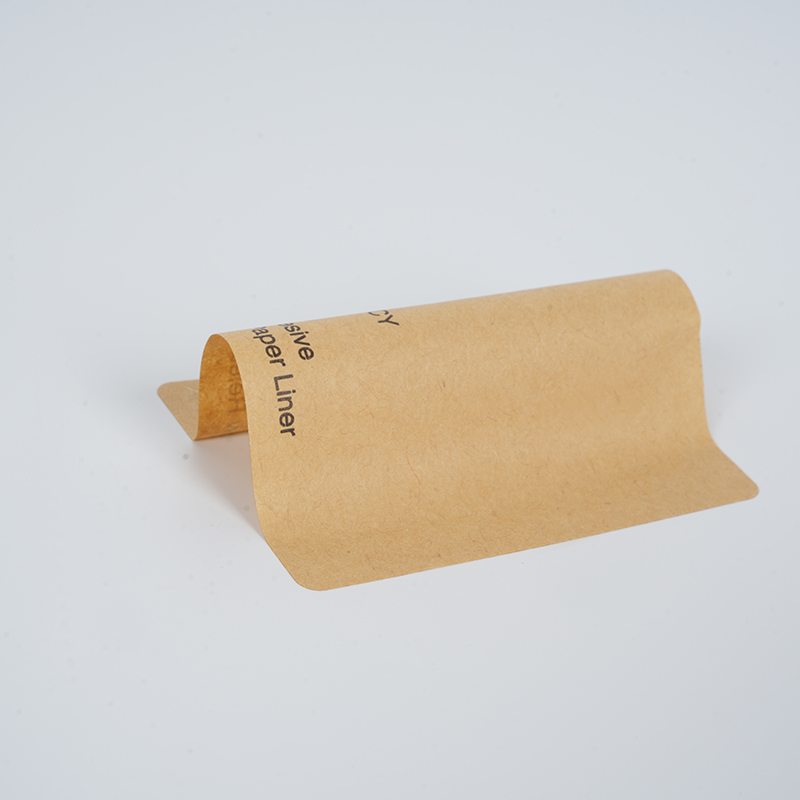
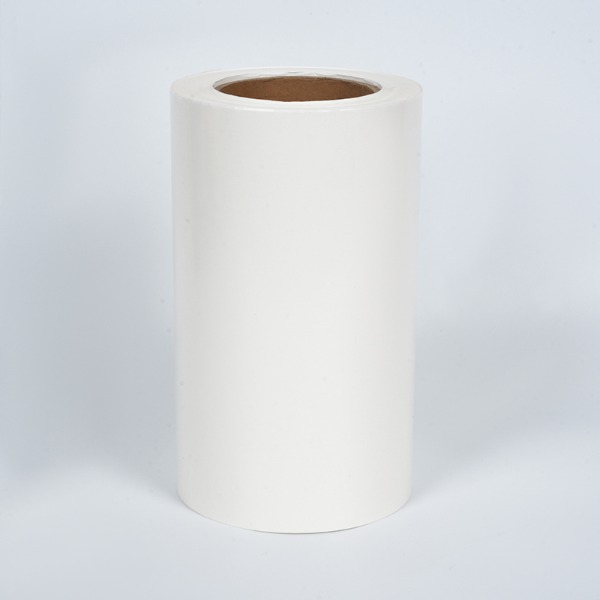
Cast coated paper is a high-quality, glossy paper often used in various printing applications. Its smooth, shiny surface is created using a special coating process, making it highly suitable for premium printing.
Cast coated paper is a type of paper that undergoes a process where a layer of coating is applied and then polished to create a glossy finish. This finish is achieved by passing the paper through a heated roller or “cast,” which smooths the surface and gives it the high-gloss shine. The result is a premium paper product with a distinct, smooth, and reflective surface.
There are several types of cast coated paper, each designed for specific applications. Below are the key variations:
Glossy cast coated paper is the common type and is widely used for high-end printing. It has a shiny, smooth surface that makes colors appear vivid and sharp.
Matte cast coated paper offers a smooth finish with less shine compared to glossy cast coated paper. This type of paper still retains the smooth surface but with a more subdued sheen.
This paper lies between the glossy and matte types. It has a slight sheen but isn’t as reflective as the glossy version.
Textured cast coated paper has a distinctive texture in the coating layer, providing a unique look and feel compared to smooth cast coated paper.
The production of cast coated paper involves a complex process where paper is coated with a special layer and then cast or polished under high pressure. The process involves the following steps:
Coating Application: A fine coating of clay, calcium carbonate, or other materials is applied to the paper’s surface.
Drying: The paper is then dried at a controlled temperature.
Casting: The paper is passed through a heated roller that smooths and polishes the surface, creating the desired glossy finish.
This process results in a paper that is smooth, glossy, and highly reflective, enhancing the quality of printed material.
Cast coated paper is used in a variety of industries due to its high-quality finish and smooth surface. Below are the key applications of cast-coated paper:
Cast coated paper is widely used in the printing industry for products that require a premium finish. The high gloss makes colors stand out and gives printed materials a professional, high-end look.
Cast coated paper is used in packaging for products that need to stand out on the shelves. The glossy finish attracts attention and gives products an upscale appearance.
The smooth, glossy finish of cast coated paper makes it a choice for printing labels and stickers. The paper’s high reflectivity ensures that the designs appear vibrant and sharp.
Cast coated paper is often used for premium business stationery, such as letterheads, envelopes, and business cards. The elegant finish gives businesses a professional and sophisticated image.
The high-quality surface of cast-coated paper makes it ideal for printing photographs and artwork, as it enhances the color and detail of the images.
When selecting cast coated paper for a project, there are several factors to consider:
Selecting a reliable cast coated paper manufacturer is crucial to ensure high-quality products. Look for manufacturers that offer:
Cast coated paper is a versatile and high-quality option for various printing and packaging needs. Its glossy finish, smooth surface, and durable nature make it a popular choice for everything from magazines and catalogs to high-end packaging and business stationery. By understanding the different types of cast coated paper and their applications, businesses can make informed decisions on the paper for their needs.
1. What is the difference between glossy and matte cast coated paper?
Glossy cast coated paper has a high reflective surface, which makes colors appear more vibrant and sharp. Matte cast-coated paper, on the other hand, has a more subdued finish and is often used for materials that require an elegant, non-reflective surface.
2. Can cast-coated paper be used for outdoor applications?
Cast-coated paper is suited for indoor applications like printing and packaging. For outdoor use, it may not withstand exposure to the elements, as it can degrade when exposed to moisture or UV rays.
3. Is cast-coated paper more expensive than regular paper?
Yes, cast-coated paper is generally more expensive than regular paper due to the specialized coating process and the premium finish it provides.
4. Can cast-coated paper be recycled?
Yes, cast-coated paper can generally be recycled, but it’s important to check local recycling guidelines as coatings may affect the recycling process.
5. How do I choose the right cast-coated paper for my project?
Consider factors such as the desired finish (glossy, matte, or semi-gloss), the weight of the paper, and its application. For printing projects, glossy cast-coated paper is often the choice, while matte options may be more suitable for elegant stationery or books.
+86-18018686956
+86-021-69171221
No.1218, Huiping Road, Nanxiang Town, Jiading District, Shanghai, China
Copyright © Shanghai Baozhongbao Adhesive Products Co., Ltd. All Rights Reserved. Wholesale Self Adhesive Label Sticker Factory